














Quick take: Blood in your dog’s stool can mean anything from a harmless dietary irritation to a serious intestinal ulcer or tumor. Bright red blood (hematochezia) usually points to bleeding low in the colon or rectum, while black, tarry stool (melena) signals upper‑GI bleeding. If your dog is vomiting, lethargic, or the bleeding is heavy, seek veterinary care right away.
It’s 9 p.m., you’re half‑asleep, and you notice a dark smear on the kitchen tile where your golden retriever just finished his business. A quick glance at the stool shows a splash of bright red. Your heart races, and you start Googling “dog pooping blood.” You’re not alone—many owners hit that exact moment of panic.
First, breathe. Blood in the stool is a symptom, not a diagnosis. It tells you that somewhere along your dog’s digestive tract, something is irritating or damaging the lining. Most often the cause is treatable, but a few conditions can progress quickly. In the next few minutes we’ll explain what the blood means, why it happens, which signs demand immediate attention, and how vets figure out the root cause. We’ll also cover treatment options, diet tweaks, costs, and steps you can take to keep your pup’s gut healthy.
Our vet team has fielded dozens of calls about bloody diarrhea, from anxious first‑time owners to seasoned breeders. The patterns we see are surprisingly consistent, and the information below reflects those real‑world experiences. If you need more personalized guidance, feel free to join our community forum or talk to your own veterinarian.
What is blood in a dog’s stool?
Blood in stool is medically described as either hematochezia (bright red or maroon blood that is fresh) or melena (dark, tarry, almost black stool). Hematochezia indicates bleeding near the end of the gastrointestinal (GI) tract—typically the colon, rectum, or anus. Melena, on the other hand, suggests that the blood has been digested as it travels through the stomach or small intestine, turning it a coffee‑ground color.
Both signs are fairly common in dogs, but the underlying reasons vary widely. According to the American College of Veterinary Internal Medicine (ACVIM), GI bleeding accounts for roughly 5–10 % of all emergency presentations in dogs, making it an important red‑flag symptom for owners and vets alike.
What causes it?
Blood in the stool can stem from many different problems. Below is a concise overview of the most frequent culprits, grouped by category.
| Category | Typical Causes |
|---|---|
| Parasites & infections | Hookworms, whipworms, Giardia, Salmonella, Clostridium difficile, viral gastroenteritis |
| Inflammation & ulceration | Inflammatory bowel disease (IBD), ulcerative colitis, NSAID toxicity, stress‑related gastritis |
| Neoplasia | Intestinal lymphoma, adenocarcinoma, mast cell tumor |
| Trauma & mechanical injury | Rectal foreign bodies, anal sac disease, severe constipation causing mucosal tears |
| Coagulopathies | Hemophilia, rodenticide poisoning, liver disease affecting clotting factors |
| Dietary irritants | Sudden diet change, ingesting fatty or spicy foods, food allergies |
While any of these can affect any breed, certain dogs—especially those that hunt, roam outdoors, or have a history of intestinal parasites—are more prone to parasite‑related bleeding. Breeds such as German Shepherds, Boxers, and Labrador Retrievers have a slightly higher reported incidence of certain GI cancers, according to the American Kennel Club (AKC) health surveys.

Signs and symptoms
Blood may be the only sign you notice, or it can accompany a suite of other symptoms. Below is a quick guide to help you recognize the spectrum, from mild to severe.
| Severity | Typical Signs |
|---|---|
| Mild | Small streaks of fresh red on stool, occasional soft stool, normal appetite, no vomiting |
| Moderate | Frequent bright red or maroon stool, occasional diarrhea, mild lethargy, occasional vomiting |
| Severe | Profuse bleeding, tarry black stool, vomiting blood (hematemesis), pale gums, rapid breathing, collapse |
Other red‑flag clues include sudden weight loss, fever, or a change in behavior such as hiding or refusing to play. If you notice any of these, act quickly.
When to call your vet
Call your vet today if:
- Blood appears only once and your dog seems otherwise normal.
- You notice small streaks of bright red on the stool but your dog is still eating and drinking.
- There are mild gastrointestinal symptoms (soft stool, mild nausea) without other systemic signs.
Go to an emergency veterinary clinic right now if you see any of the following:
- Profuse bleeding or large amounts of blood in the stool.
- Black, tarry stool (melena) or vomiting blood.
- Pale gums, rapid heart rate, weakness, or collapse.
- Persistent vomiting, severe diarrhea, or refusal to eat for more than 24 hours.
These red flags can signal rapid blood loss or a life‑threatening condition that requires immediate fluid therapy, blood transfusion, or surgery.
This article provides general information and is not a substitute for professional veterinary care.
How vets diagnose it
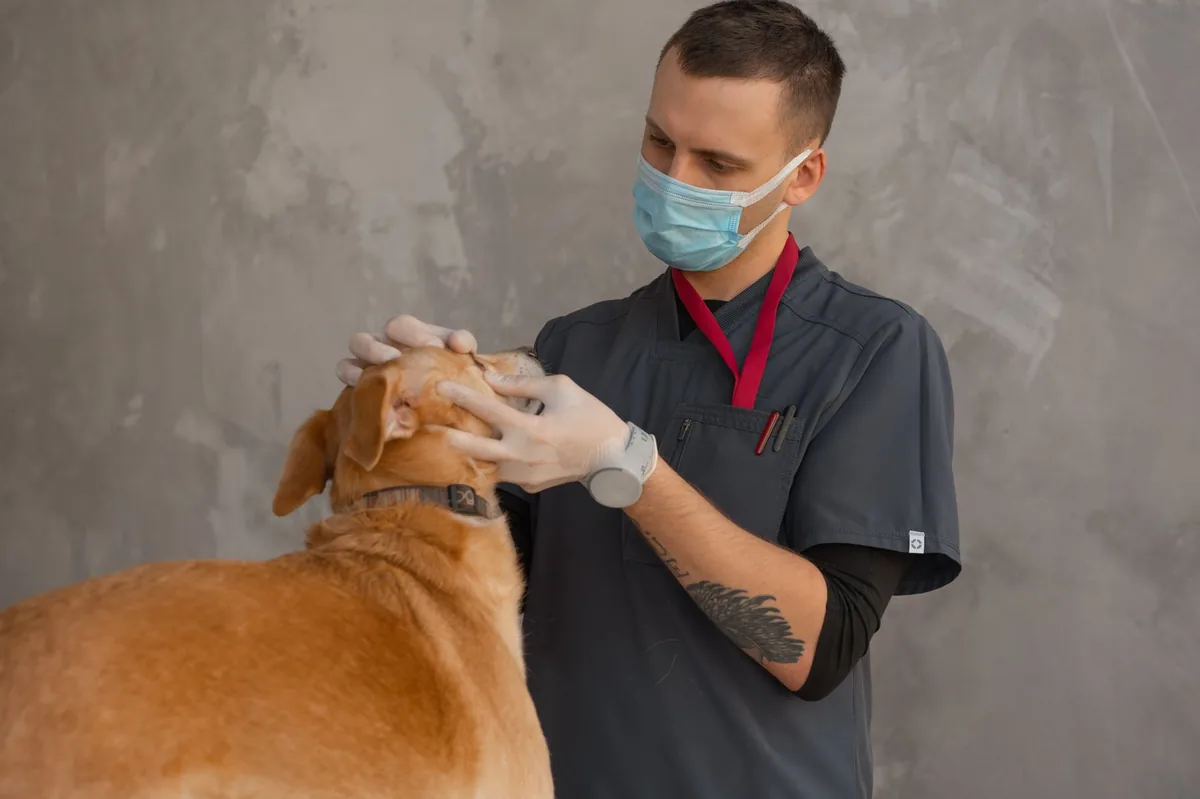
Diagnosing the source of GI bleeding is a stepwise process. Your vet will start with a thorough history—diet changes, recent medications, exposure to ticks or parasites, any trauma, and vaccination timing. A physical exam focuses on the abdomen, rectal area, and overall hydration status.
Key diagnostic tools include:
- Blood work: Complete blood count (CBC) and chemistry panel to assess anemia, clotting ability, and organ function.
- Fecal tests: Fresh fecal flotation and direct smear to catch parasites, bacterial culture for Salmonella or Clostridium, and PCR panels for viral agents.
- Imaging: Abdominal X‑rays or ultrasound to look for masses, thickened intestinal walls, or foreign bodies.
- Endoscopy: A flexible camera inserted through the mouth (upper GI) or rectum (lower GI) to directly visualize lesions and obtain biopsies.
- Coagulation tests: Prothrombin time (PT) and activated partial thromboplastin time (aPTT) if a clotting disorder is suspected.
In many cases, a combination of fecal exam and abdominal ultrasound will narrow the possibilities enough to start treatment while waiting for biopsy results.
Treatment options
Medical treatment
When the cause is an infection, parasites, or inflammation, drugs are the first line. Commonly used classes include:
- Antiparasitics: Fenbendazole or pyrantel for hookworms/whipworms; milbemycin oxime for heartworm‑related intestinal disease.
- Antibiotics: Metronidazole for bacterial overgrowth or Clostridium difficile; amoxicillin‑clavulanate for secondary infections.
- Anti‑inflammatories: Steroids (prednisone) or steroid‑sparing agents (azathioprine) for IBD; short‑term gastro‑protectants like famotidine.
- Supportive fluids: IV crystalloids to correct dehydration and maintain blood pressure.
Ask your vet about these options; dosage will be tailored to your dog’s weight and severity.
Supplements and supportive care
Adjunctive supplements can aid recovery, especially when inflammation is involved:
- Omega‑3 fatty acids (EPA/DHA): Fish‑oil capsules have anti‑inflammatory properties and may reduce mucosal irritation.
- Probiotics: Strains like Enterococcus faecium help restore normal gut flora after antibiotic therapy.
- Slippery elm or marshmallow root: Gentle demulcents that can soothe the intestinal lining, but only under veterinary guidance.
Supplements are most beneficial after the acute bleed has been controlled. They do not replace prescribed medication.
Procedures or surgery
If imaging or endoscopy reveals a tumor, severe ulceration, or an obstructive foreign body, surgery may be necessary. Typical procedures include:
- Intestinal resection: Removing a small segment of diseased bowel and reconnecting the healthy ends.
- Colectomy: Partial removal of the colon for large tumors.
- Hemorrhage control: Laser coagulation or cauterization of bleeding vessels during endoscopy.
Recovery from GI surgery usually involves a 7–10 day hospital stay, followed by a gradual return to soft food. Costs can range from $2,500 to $7,500 in the U.S., depending on the procedure complexity and geographic location. In the U.K., similar surgeries average £1,800–£4,000.
Diet and nutrition
Nutrition plays a pivotal role in both recovery and prevention of GI bleeding. The goal is to provide highly digestible, low‑residue foods that minimize mechanical irritation and support mucosal healing.
Foods to favor
- Highly digestible protein: Boiled chicken, turkey, or white‑fish. These proteins break down easily, reducing the workload on the intestines.
- Low‑fat, low‑fiber diets: Canned or wet diets formulated for gastrointestinal support (e.g., “GI recovery” formulas). Fat slows gastric emptying, while excess fiber can increase stool bulk and irritate an inflamed colon.
- Complex carbohydrates: Cooked white rice or pumpkin puree provide gentle energy without excessive bulk.
- Electrolyte balance: Adding a pinch of unflavored Pedialyte (or a vet‑approved electrolyte solution) can help replace lost fluids after diarrhoea.
Foods to limit or avoid
- High‑fat treats: Bacon, cheese, and greasy table scraps can exacerbate inflammation.
- Spicy or heavily seasoned foods: These can irritate the stomach lining.
- Raw bones: Sharp fragments may cause mechanical trauma to the rectum.
- Grains with high fiber (e.g., wheat bran): May increase stool bulk and aggravate bleeding.
Prescription therapeutic diets
For dogs with chronic GI bleeding or diagnosed IBD, many veterinarians recommend a therapeutic diet such as a “limited‑ingredient, highly digestible” or “renal‑support” formula. These diets are formulated to be low in ash (minimizing mineral load) and contain added antioxidants (vitamin E, selenium) that support mucosal health. While we won’t endorse a specific brand, look for AAFCO‑approved “gastrointestinal” or “intestinal health” labels.
Feeding schedule and transition
Start with small, frequent meals (3–4 times daily) for the first 24–48 hours. Offer ¼ cup of boiled chicken and rice every 4–6 hours, gradually increasing portion size as stool normalizes. Transition back to your regular diet over 7–10 days by mixing 25 % therapeutic food with 75 % regular food, then adjusting the ratio every 2 days. This slow change helps the gut adapt without triggering another bleed.
Hydration
Ensure constant access to fresh water. If your dog refuses to drink, offer ice chips or a low‑salt broth. Dehydration worsens gastrointestinal irritation and can concentrate blood in the stool, making bleeding appear more severe.
Finally, keep a food diary. Note any new treats, supplements, or changes in kibble brand and correlate them with stool appearance. This record is invaluable for your vet when troubleshooting recurring issues.
Cost and prognosis
Financial considerations are a real part of veterinary care. Below is a ball‑park estimate of typical expenses in the U.S. and U.K. (prices vary by region and clinic).
| Service | US (USD) | UK (GBP) |
|---|---|---|
| Initial veterinary exam | $50–$100 | £40–£80 |
| CBC & chemistry panel | $80–$150 | £70–£130 |
| Fecal parasite panel | $30–$70 | £25–£55 |
| Abdominal ultrasound | $300–$600 | £250–£450 |
| Endoscopy with biopsies | $1,200–$2,500 | £900–£1,800 |
| Surgical resection (if needed) | $2,500–$7,500 | £1,800–£4,000 |
| Hospitalization (IV fluids, monitoring) | $200–$600 per day | £150–£400 per day |
Prognosis depends heavily on the underlying cause. Parasites and most infections respond well to treatment, with a 90 %+ recovery rate when caught early. Inflammatory bowel disease can be managed long‑term, though some dogs may need lifelong medication. Tumors carry a more guarded outlook; early detection improves survival, with median survival ranging from 6 months to 2 years for intestinal lymphoma, according to the Veterinary Cancer Society.
Prevention and home care
Many cases of bloody stool are preventable with routine care:
- Regular parasite control: Use a vet‑recommended year‑round heartworm and intestinal parasite preventatives (e.g., monthly ivermectin/pyrantel combos). Check fecal exams at least twice a year.
- Balanced diet: Feed a high‑quality, complete dog food appropriate for your dog’s life stage. Avoid sudden diet changes; if you must switch, do it gradually over 7–10 days.
- Safe medication practices: Only give NSAIDs prescribed for dogs (e.g., carprofen, meloxicam) and never use human pain relievers like ibuprofen or aspirin.
- Stress reduction: Keep routines stable, provide mental enrichment, and avoid high‑stress events (e.g., loud fireworks) when possible. Chronic stress can worsen gut inflammation.
- Prompt veterinary visits: Any episode of visible blood, even if small, should be discussed with your vet. Early intervention prevents escalation.
At home, monitor stool daily for color, consistency, and the presence of blood. A simple “log” on your phone can reveal patterns that help your vet pinpoint triggers.
From our vet team: “We often see owners panic at the first sight of blood, but most GI bleeds have an identifiable, treatable cause. The key is to act quickly, gather a thorough history, and follow through with the recommended diagnostics. Your dog’s gut is resilient—support it with gentle foods, keep parasites at bay, and never give over‑the‑counter human meds without veterinary guidance.”
Key takeaways
- Bright red stool (hematochezia) means lower‑GI bleeding; black, tarry stool (melena) signals upper‑GI bleeding.
- Common causes include parasites, infections, IBD, tumors, trauma, and clotting disorders.
- Call your vet today for any fresh blood; go to an emergency clinic if the dog is vomiting blood, has pale gums, or appears weak.
- Diagnosis typically involves blood work, fecal tests, imaging, and sometimes endoscopy with biopsies.
- Treatment ranges from antiparasitics and antibiotics to surgery; diet—highly digestible, low‑fat foods—supports recovery.
- Regular parasite prevention, stable nutrition, and prompt veterinary attention are the best ways to keep your dog’s gut healthy.
Myth vs. fact
Myth: “If the blood is only a tiny speck, it’s nothing to worry about.”
Fact: Even a small amount of fresh blood warrants a vet call, because it can be the first sign of a serious underlying condition.
Myth: “Home remedies like baking soda or apple cider vinegar will stop the bleeding.”
Fact: There are no proven home cures for GI bleeding; only veterinary‑guided treatments safely address the cause.
Myth: “A dog that eats raw food is less likely to have blood in the stool.”
Fact: Raw diets can actually increase the risk of bacterial infections and intestinal parasites that may cause bleeding.
Frequently asked questions
What does bright red blood in a dog’s stool indicate?
Bright red blood (hematochezia) usually means bleeding is occurring in the colon, rectum, or anus. It can be caused by parasites, trauma, or tumors. The color stays vivid because the blood hasn’t been digested.
Can stress cause a dog to have bloody diarrhea?
Stress alone rarely causes visible bleeding, but it can exacerbate underlying inflammatory conditions like IBD, making the gut more prone to irritation and occasional blood.
How quickly should I take my dog to the vet if I see blood in its poop?
If the blood is a small fresh streak and your dog is otherwise normal, call your regular vet today. If you notice large amounts of blood, black tarry stool, vomiting, pale gums, or weakness, head to an emergency clinic immediately.
Are there home remedies for a dog with mild rectal bleeding?
There are no safe home treatments that stop GI bleeding. You can keep your dog hydrated and feed a bland, digestible diet, but a veterinary exam is essential to identify and treat the cause.
What tests does a vet run to find the cause of blood in a dog’s stool?
Vets typically start with a CBC, chemistry panel, and fecal parasite screen. Imaging (X‑ray or ultrasound) looks for structural problems, and endoscopy may be used to directly visualize lesions and take biopsies.
Can certain foods make a dog poop blood?
Yes. Highly fatty or spicy foods, sudden diet changes, and raw bones can irritate the gastrointestinal lining and precipitate bleeding, especially if an underlying condition already exists.
Ask the PuppaDogs community
Have a question this article didn’t fully answer? Want to compare notes with other dog owners who’ve been through this? Our community forum is moderated by experienced owners and vets — and answers tend to come fast. Ask in the PuppaDogs community →
References
- American College of Veterinary Internal Medicine (ACVIM). Gastrointestinal Bleeding in Dogs: Clinical Guidelines, 2022.
- American Animal Hospital Association (AAHA). “Guidelines for Diagnosis and Treatment of Canine Gastrointestinal Diseases,” 2023.
- Merck Veterinary Manual. “Hemorrhagic Gastroenteritis” and “Intestinal Parasites” chapters.
- World Small Animal Veterinary Association (WSAVA). “Evidence‑Based Recommendations for Parasite Control,” 2021.
- American Kennel Club (AKC) Health Survey. Incidence of Gastrointestinal Tumors by Breed, 2022.
- Veterinary Cancer Society. “Canine Lymphoma: Prognosis and Treatment Options,” 2023.
- University of Pennsylvania School of Veterinary Medicine. “Diagnostic Approach to Canine Lower Gastrointestinal Bleeding,” 2022.
- American Veterinary Medical Association (AVMA). “Safe Use of NSAIDs in Dogs,” 2022.
- AAFV (American Association of Feed Veterinarians). “Nutritional Management of Gastrointestinal Disease,” 2023.


