












Quick take: An intestinal blockage in a dog is a medical emergency that often shows up as sudden vomiting, abdominal pain, and loss of appetite. If you suspect a blockage, call your veterinarian right away—most cases need prompt imaging and may require surgery.
It’s 9 p.m., you’re scrolling through pet forums, and your usually‑energetic Beagle is lying still, whining, and repeatedly trying to vomit but nothing comes up. You notice his belly feels hard, and his eyes look a little dull. That moment of panic—“Is this a blockage?”—is exactly why we’ve put together this guide.
We understand how scary an intestinal blockage can feel. The good news is that early recognition and fast veterinary care dramatically improve outcomes. Below we break down what a blockage is, the signs to watch for, how vets confirm the diagnosis, treatment options, costs, recovery, and ways to keep your dog safe in the future.
What is a dog intestinal blockage?
An intestinal blockage (also called a gastrointestinal obstruction) occurs when something prevents the normal flow of food, fluid, and gas through the stomach or intestines. The blockage can be partial—allowing some material to pass—or complete, which stops everything. When the gut can’t move contents forward, the lining swells, blood flow can be compromised, and toxins may build up, leading to severe illness.
While any dog can develop a blockage, it’s most common in dogs that chew and swallow foreign objects, eat large meals of low‑quality food, or have underlying anatomical quirks. According to the American College of Veterinary Surgeons (ACVS), intestinal obstructions account for roughly 10‑15 % of emergency surgeries in dogs each year.
What causes it?
Blockages arise from several sources, broadly grouped into three categories:
| Category | Typical Causes |
|---|---|
| Foreign objects | Rope toys, tennis balls, clothing, bones, rawhide, plastic pieces |
| Food‑related issues | Large, dry kibble balls, unchewed raw meat, high‑fat meals that solidify, “pica” (eating non‑food items) |
| Anatomical or disease‑related | Intestinal tumors, strictures from chronic inflammation, intussusception (telescoping), congenital narrowing (especially in brachycephalic breeds) |
Risk factors include young, curious dogs who like to chew, breeds with a tendency to gulp food (e.g., Labrador Retrievers, Golden Retrievers), and dogs with a history of gastrointestinal disease.
Signs and symptoms
Early signs can be subtle, but they often progress quickly. Watch for this timeline:
| Stage | Signs |
|---|---|
| Mild | Loss of appetite, occasional retching, mild abdominal discomfort, belching |
| Moderate | Frequent vomiting (often empty), abdominal swelling, restlessness, whining, drooling |
| Severe | Persistent vomiting, inability to pass stool or gas, pale gums, rapid heart rate, shock |
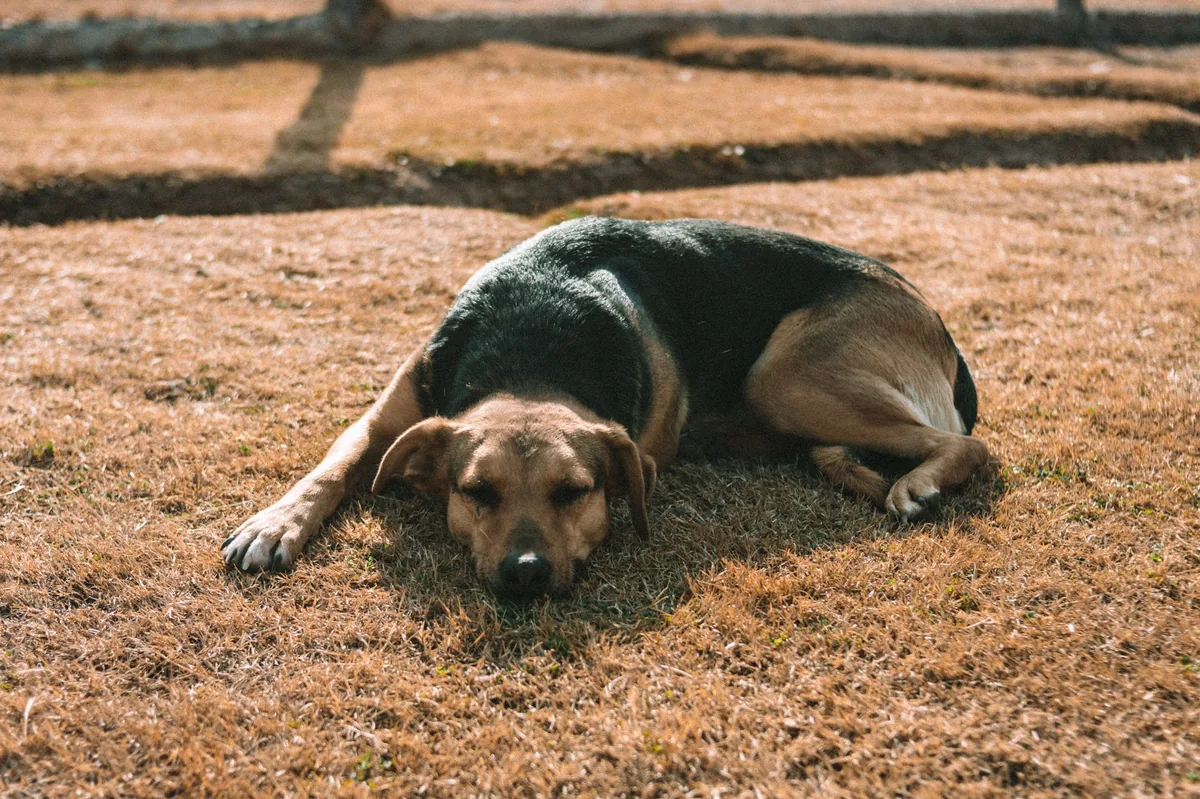
Other red flags include constipation that doesn’t improve with a mild laxative, a “popping” sound when you gently press the abdomen, and sudden lethargy. Because blockage symptoms overlap with constipation, always consider the whole picture—especially if your dog is also vomiting.
When to call your vet
Call your vet today if you notice any of the following:
- Vomiting more than once, especially if it’s empty‑stomach vomit.
- Loss of appetite or refusal to eat for 12 hours.
- Abdominal pain or a hard, bloated belly.
- Constipation or inability to pass gas.
Go to an emergency veterinary hospital right now if you see any of these urgent signs:
- Persistent vomiting (more than 2‑3 times in an hour).
- Pale or bluish gums, rapid breathing, or a weak pulse.
- Severe abdominal distension with the dog appearing very uncomfortable.
- Signs of shock: collapse, lethargy, or unresponsiveness.
This information is for educational purposes only and is not a substitute for professional veterinary care.
How vets diagnose it
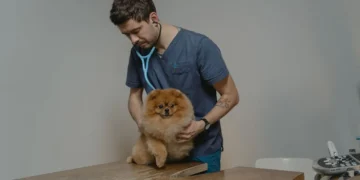
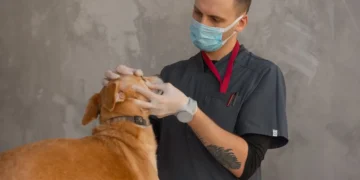
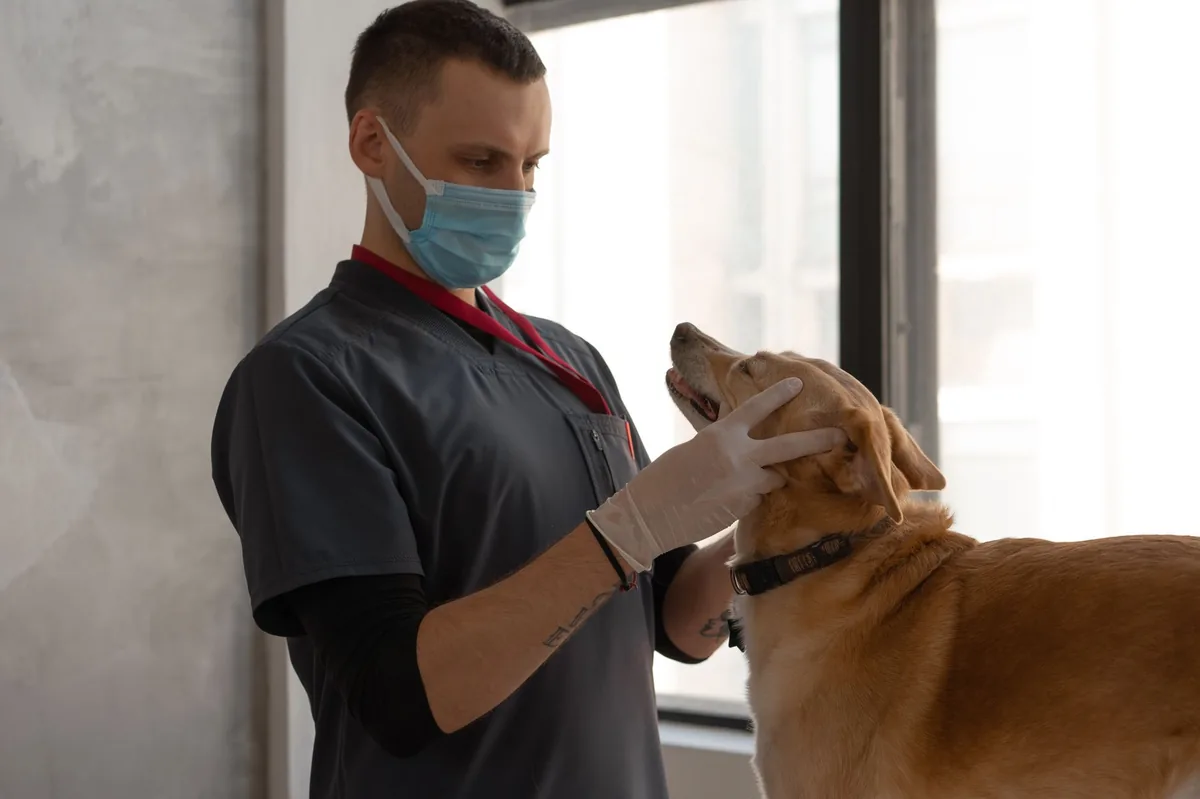
The diagnostic workup starts with a thorough history—what your dog ate, any missing toys, and the timeline of symptoms. A physical exam lets the vet feel for a firm, painful abdomen and assess hydration.
Imaging is the cornerstone:
- Abdominal radiographs (X‑rays): Quick, widely available, can reveal gas patterns, metal objects, or a “step‑ladder” sign indicating blockage.
- Abdominal ultrasound: Provides real‑time images of the intestine, can differentiate between a blockage and a mass, and helps assess blood flow to the gut wall.
- Contrast studies: Occasionally, a barium or iodine contrast agent is swallowed to outline the GI tract on X‑ray, highlighting the exact point of obstruction.
- Endoscopy: In select cases, a flexible camera can be inserted through the mouth to visualize and sometimes retrieve the object without open surgery.
Blood work (CBC, chemistry panel) evaluates dehydration, electrolyte imbalances, and signs of organ stress, which guide treatment urgency.
Treatment options
Medical treatment
When the blockage is partial and the object is small, vets may try non‑surgical approaches first. These can include:
- IV fluids to correct dehydration and electrolyte disturbances.
- Medications to reduce gut inflammation (e.g., prednisone for inflammatory strictures) and promote motility (e.g., metoclopramide).
- Broad‑spectrum antibiotics if a perforation or bacterial overgrowth is suspected.
- Watchful waiting with serial abdominal X‑rays, especially for objects that may pass on their own within 24‑48 hours.
If the vet recommends any of these drugs, ask about potential side effects and the expected timeline for improvement.
Supplements and supportive care
While supplements won’t clear a blockage, they can support recovery once the gut is functional again:
- Omega‑3 fatty acids (EPA/DHA): Reduce inflammation in the intestinal wall; ask your vet about a high‑quality fish‑oil supplement.
- Probiotics: Help re‑establish normal gut flora after antibiotics or surgery. Look for strains like Enterococcus faecium that are proven in dogs.
- Glutamine: An amino acid that supports intestinal mucosal healing; often added to recovery diets.
These should be introduced only after the vet confirms the blockage is resolved and the dog can tolerate food.
Procedures or surgery
When imaging shows a complete obstruction, or when the object is large, sharp, or causing tissue damage, surgery is the definitive treatment. The typical steps are:
- General anesthesia and a mid‑abdomen incision.
- Careful exploration of the stomach and intestines to locate the blockage.
- Removal of the foreign object or resection of damaged bowel.
- Closure of the incision and placement of a feeding tube if needed.
Recovery usually involves 24‑48 hours of IV fluids, pain management (often with opioids and NSAIDs), and a gradual return to soft food. Most dogs are discharged within 3‑5 days if there are no complications.
Diet and nutrition
Feeding the right diet before and after a blockage helps prevent recurrence and supports healing. The key principles are:
- Highly digestible protein: Reduces the workload on the intestines. Look for “limited ingredient” or “digestive support” formulas that list chicken or fish as the primary protein.
- Moderate fiber: Soluble fiber (e.g., beet pulp) can help bulk stool without causing large undigested pieces to form. Avoid excessive insoluble fiber such as whole grains that may add bulk.
- Low fat: High‑fat meals can slow gastric emptying and increase the risk of “food bolus” blockages, especially in large‑breed dogs.
- Moisture: Adding water or low‑sodium broth to dry kibble improves hydration and softens the food, making it easier to pass.
During recovery, start with a bland, easily digestible diet—boiled chicken (no skin) and plain white rice, or a veterinary‑prescribed gastrointestinal diet (e.g., a “renal‑style” or “intestinal support” formula). Feed small, frequent meals (4‑6 times per day) for the first 48 hours, then gradually transition back to regular kibble over a week.
| Do feed | Limit | Avoid |
|---|---|---|
| Boiled chicken, white rice, low‑fat cottage cheese | Raw bones, high‑fat treats | Hard rawhide, large chew toys, whole rawhide sticks |
| Veterinary gastrointestinal diet (prescription) | Large kibble pieces, dry biscuits | Processed foods with artificial additives |
| Moistened kibble with water or broth | Table scraps with onion or garlic | Any food that forms hard balls (e.g., large meat chunks) |
Safe toys and chew items are essential for prevention. Choose:
- Durable rubber toys (e.g., KONG®) that can be frozen for extra chewing challenge.
- Small, easily breakable plush toys are best avoided, especially for aggressive chewers.
- Regularly inspect toys for cracks or missing pieces and discard them promptly.
For dogs prone to gulping food, consider using a “slow‑feed” bowl or a puzzle feeder that forces them to eat more deliberately.
Cost and prognosis
Expenses vary widely based on the severity, location, and whether surgery is required. Rough estimates (in USD) are:
| Service | Typical Cost (US) | Typical Cost (UK) |
|---|---|---|
| Initial exam + blood work | $150‑$300 | £120‑£250 |
| Abdominal X‑ray | $100‑$200 | £80‑£180 |
| Abdominal ultrasound | $300‑$600 | £250‑£500 |
| Non‑surgical management (IV fluids, meds) | $500‑$1,200 | £400‑£900 |
| Surgical obstruction removal | $2,500‑$5,500 | £2,000‑£4,500 |
| Post‑op hospitalization (per day) | $250‑$400 | £180‑£300 |
Many pet insurance plans cover a portion of the surgery and hospitalization, but pre‑authorization is essential. Ask your insurer about “intestinal obstruction” coverage before an emergency arises.
Prognosis is generally good when the blockage is addressed promptly. Survival rates exceed 85 % for uncomplicated surgeries, but complications such as infection or adhesions can lower that figure. Early detection is the biggest factor in a positive outcome.
Prevention and home care
Preventing a blockage is often about managing what your dog can get into and how they eat:
- Supervise playtime: Keep small toys, socks, and household items out of reach.
- Choose appropriate chew items: Match the toy’s size and durability to your dog’s chewing strength.
- Feed smaller meals: Split daily kibble into 2‑4 portions and use a slow‑feed bowl.
- Moisten dry food: Adding water or broth reduces the chance of a dry kibble “ball” forming.
- Regular veterinary check‑ups: Discuss any history of GI issues; some dogs benefit from routine abdominal ultrasounds if they’ve had previous blockages.
- Monitor weight and activity: Sudden changes can signal underlying GI disease that predisposes to blockage.
If your dog has already undergone surgery, follow the post‑op diet strictly, keep a clean environment, and limit high‑risk treats for at least 6‑8 weeks. Your vet may recommend a follow‑up ultrasound to confirm the intestine has healed fully.
From our vet team: “The moment you suspect a blockage, treat it like a fire alarm—don’t wait to see if it blows out on its own. Quick imaging, fluid support, and, when needed, surgery give the best odds for a full recovery. After the crisis, a simple switch to a moist, highly digestible diet and safe chew toys can keep your dog’s gut happy for years.”
Key takeaways
- Sudden vomiting, a hard belly, and loss of appetite are early warning signs of an intestinal blockage.
- Call your vet today for vomiting or abdominal pain; go to an emergency clinic if the dog shows pale gums, rapid breathing, or severe distress.
- Diagnosis relies on X‑rays, ultrasound, and sometimes endoscopy; blood work checks for dehydration and organ stress.
- Partial blockages may resolve with fluids and medication, but complete obstructions often need surgery, which costs $2,500‑$5,500 in the U.S.
- Feed moist, highly digestible food, use slow‑feed bowls, and choose durable chew toys to prevent future blockages.
- Post‑surgery recovery typically takes 3‑5 days in the hospital and 2‑3 weeks at home, with gradual diet advancement.
Myth vs. fact
Myth: “If my dog vomits once, it’s probably just an upset stomach.”
Fact: While occasional vomiting can be benign, vomiting that’s repeated, especially with a hard abdomen, is a red flag for blockage and warrants immediate veterinary evaluation.
Myth: “All blockages require surgery.”
Fact: Small, non‑sharp objects sometimes pass with medical management and fluids; however, complete obstructions almost always need surgical removal.
Frequently asked questions
What are the early warning signs of an intestinal blockage in dogs?
Early signs include loss of appetite, occasional retching, mild abdominal discomfort, and a few episodes of vomiting that produce little or no material. If these appear with a hard belly, contact your vet right away.
Can a dog survive an intestinal blockage without surgery?
Some partial blockages can resolve with aggressive IV fluids, anti‑nausea medication, and close monitoring, but complete obstructions usually require surgery. Survival without surgery is rare and depends on the object’s size and location.
How quickly does an intestinal blockage become an emergency?
Within a few hours of persistent vomiting and abdominal pain, the blockage can lead to tissue death and sepsis. If your dog shows any of the severe signs listed above, treat it as an emergency and head to an ER immediately.
What diagnostic tests does a vet use to confirm a blockage?
Vets start with a physical exam and blood work, then move to abdominal X‑rays. If X‑rays are inconclusive, an ultrasound or contrast study helps pinpoint the blockage’s exact location and nature.
What is the typical cost of treating a dog’s intestinal obstruction?
Costs range from $500‑$1,200 for non‑surgical management (fluids, meds, imaging) to $2,500‑$5,500 for surgical removal, plus daily hospital fees. Insurance may cover a portion, so check your policy’s gastrointestinal coverage.
Which dog breeds are most at risk for intestinal blockages?
Large, eager‑eaters like Labrador Retrievers, Golden Retrievers, and German Shepherds, as well as brachycephalic breeds (Bulldogs, Pugs) that tend to gulp food, have a higher incidence. Any dog that frequently chews on inappropriate items is also at risk.
Ask the PuppaDogs community
Have a question this article didn’t fully answer? Want to compare notes with other dog owners who’ve been through this? Our community forum is moderated by experienced owners and vets — and answers tend to come fast. Ask in the PuppaDogs community →
References
- American College of Veterinary Surgeons (ACVS). “Intestinal Obstruction in Dogs” clinical guidelines, 2023.
- American Animal Hospital Association (AAHA). “Emergency Care Standards for Small Animals,” 2022.
- Merck Veterinary Manual. “Gastrointestinal Obstruction” chapter, 2021.
- American Veterinary Medical Association (AVMA). “Pet Owner’s Guide to Emergency Signs,” 2022.
- Veterinary Information Network (VIN). “Management of Canine Intestinal Blockage,” 2023.
- Cornell University College of Veterinary Medicine. “Nutrition for Dogs Recovering from GI Surgery,” 2022.
- World Small Animal Veterinary Association (WSAVA). “Guidelines for Surgical Intervention in Small Animals,” 2021.
- American College of Veterinary Internal Medicine (ACVIM). “Diagnostic Imaging of the Abdomen,” 2022.
- Pet Insurance Review. “Coverage for Gastrointestinal Surgery,” 2023.
- UC Davis School of Veterinary Medicine. “Preventing Foreign Body Ingestion in Dogs,” 2022.


