
















Quick take: Dog flu (canine influenza) is a contagious respiratory infection that usually causes coughing, sneezing, fever, and a runny nose. Most healthy dogs recover with rest and supportive care, but puppies, seniors, and dogs with weakened immune systems can develop pneumonia or other complications. Early detection, isolation, and veterinary treatment keep the illness from becoming severe.
It’s 11 p.m., and your 3‑year‑old mixed‑breed dog, Milo, is curled up on the couch, his ears flattened and his eyes a little glassy. He’s not his usual enthusiastic self—no wagging tail when you call his name, and a faint “sniff‑sniff” from his nose that you’ve never heard before. You glance at his gums and notice they look paler than usual. Your heart races as you start Googling “dog flu symptoms.”
We get it. When a beloved companion looks sick, the worry can feel overwhelming. The good news is that canine influenza, often called dog flu, is usually manageable, especially when caught early. In this guide we’ll explain what dog flu is, how you can spot it, what your vet will do to confirm the diagnosis, and the steps you can take at home and in the clinic to get Milo—or any dog—back to his happy self.
We’ll also cover vaccination options, cost expectations, breed‑specific risks, and how to keep the virus from spreading at dog parks or boarding facilities. By the end you’ll have a clear plan for caring for a dog with flu and preventing future outbreaks in your household.
What is Dog Flu (Canine Influenza) in Dogs?
Canine influenza is a viral respiratory infection caused by influenza A virus strains that have adapted to dogs. The two most common subtypes in the United States are H3N8 (originally identified in racing greyhounds) and H3N2 (originating from Asian avian influenza that jumped to dogs). The virus spreads through aerosolized droplets when an infected dog coughs or sneezles, as well as via contaminated surfaces, water bowls, or human hands.
According to the American Animal Hospital Association (AAHA), dog flu accounts for a small but growing percentage of respiratory disease cases in veterinary clinics—roughly 5‑10 % of dogs presenting with coughs during peak season (late fall to early spring). While any breed can be infected, certain breeds (e.g., sighthounds, retrievers, and small terriers) are reported more often, possibly because of their popularity in boarding or daycare settings.
What causes it?
The virus itself is the primary cause, but several risk factors increase a dog’s chance of catching it:
| Risk factor | Why it matters |
|---|---|
| High‑density environments | Dog parks, kennels, grooming salons, and boarding facilities facilitate rapid spread through close contact. |
| Puppies and senior dogs | Immature or weakened immune systems make the infection more likely to progress to pneumonia. |
| Recent travel or exposure to infected dogs | Travel can introduce the virus to new geographic areas where local dogs lack immunity. |
| Limited vaccination coverage | Dogs that haven’t received the H3N8 or H3N2 vaccine lack specific antibodies. |
Signs and symptoms
Dog flu often begins with subtle changes that can be easy to miss. Below is a progression chart to help you recognize early versus severe signs.
| Severity | Typical signs |
|---|---|
| Early / mild | Low‑grade fever (101‑102 °F), mild cough, sneezing, runny nose, slight lethargy, reduced appetite. |
| Moderate | Persistent dry cough, nasal discharge (clear to yellow), watery eyes, noticeable fatigue, occasional vomiting. |
| Severe | High fever (>103 °F), rapid breathing, labored cough, pneumonia signs (wet cough, crackles), dehydration, pale gums, collapse. |
Most owners first notice a change in energy level or a new cough. If your dog is also panting heavily, has a blue‑tinged tongue, or refuses water, those are emergency signs.
When to call your vet
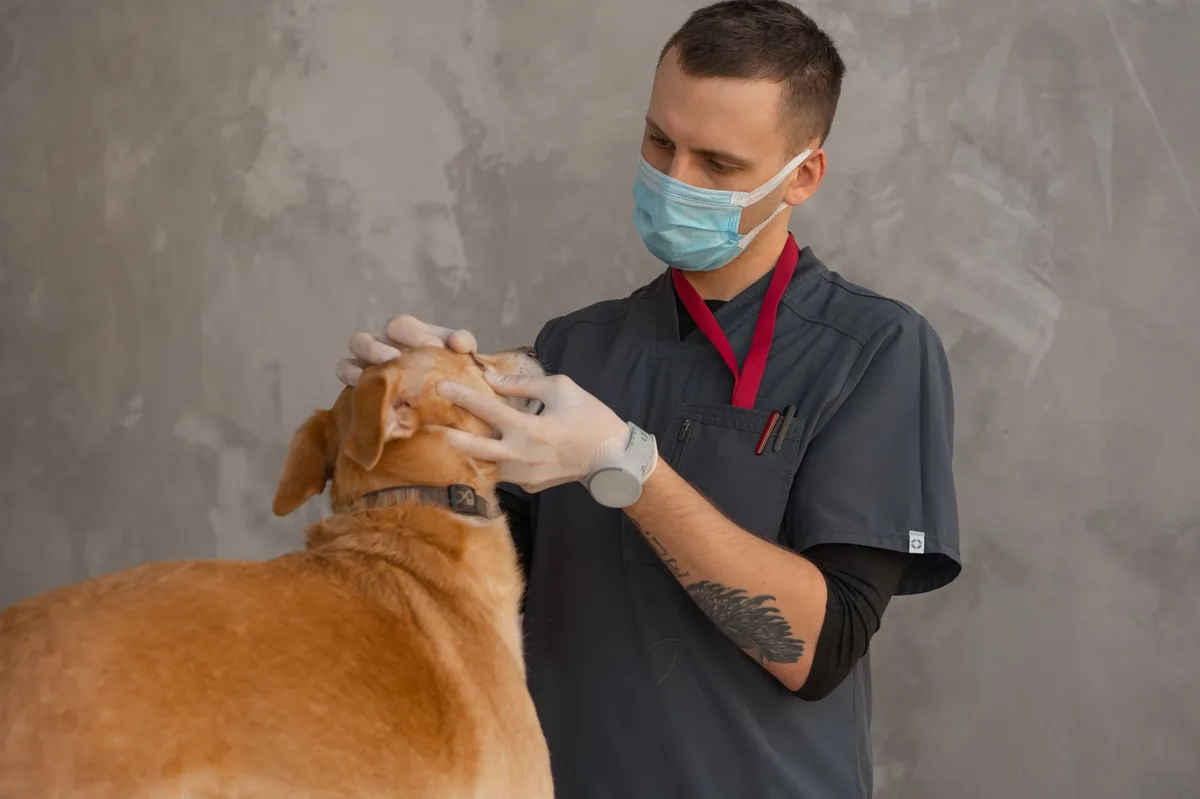
Call your vet today if you notice: fever, persistent cough lasting more than 48 hours, loss of appetite for more than 24 hours, or any nasal discharge that turns yellow/green.
Go to an emergency clinic right now if you see: pale or blue gums, rapid breathing, severe lethargy, vomiting repeatedly, or signs of dehydration (skin tenting, dry nose, sunken eyes). These could indicate pneumonia or a secondary bacterial infection that needs immediate care.
Remember, this article is for information only and does not replace a hands‑on examination by a qualified veterinarian.
How vets diagnose it
Diagnosis starts with a thorough history—when symptoms began, recent exposures, vaccination status, and any travel. A physical exam will focus on the respiratory system: listening for abnormal lung sounds, checking temperature, and evaluating mucous membranes.
Laboratory testing includes:
- Rapid antigen test: Provides results in 15‑30 minutes but may miss low‑viral‑load cases.
- Polymerase chain reaction (PCR) swab: The gold standard; detects viral RNA from nasal or oropharyngeal samples with >95 % sensitivity.
- Complete blood count (CBC): Looks for elevated white blood cells, which can signal secondary bacterial infection.
- Chest radiographs: If pneumonia is suspected, X‑rays reveal lung infiltrates or fluid.
All of these tests are described in the Merck Veterinary Manual and guidelines from the American College of Veterinary Internal Medicine (ACVIM).
Treatment options
Medical treatment
There is no specific antiviral approved for dogs in the United States, but supportive care is the cornerstone of therapy. Commonly prescribed medications include:
- Non‑steroidal anti‑inflammatory drugs (NSAIDs) such as carprofen or meloxicam to reduce fever and discomfort.
- Cough suppressants (e.g., hydroxyzine) for a dry, hacking cough—used only when coughing interferes with rest.
- Antibiotics like doxycycline or amoxicillin‑clavulanate when a bacterial secondary infection is confirmed or strongly suspected.
Always ask your vet about the rationale for each drug, as inappropriate use of antibiotics can contribute to resistance.
Supplements and supportive care
Evidence‑based adjuncts that may aid recovery include:
- Omega‑3 fatty acids (EPA/DHA): Anti‑inflammatory properties that can help soothe irritated airways.
- Probiotics: Support gut health, especially if antibiotics are used.
- Vitamin C or antioxidants: Limited data, but some owners find them helpful for overall immune support. Discuss any supplement with your vet before adding it.
These are not cures, but they can improve comfort and recovery speed when paired with proper veterinary care.
Procedures or surgery
Most cases of dog flu resolve without invasive procedures. In severe pneumonia, a veterinarian may perform bronchoscopy to collect deep airway samples or place a chest tube to drain fluid, but these are rare and reserved for critical patients.
Diet and nutrition
While no diet can cure a viral infection, feeding the right foods helps the immune system work efficiently and prevents dehydration. Here are practical guidelines for dogs battling flu:
- High‑quality, highly digestible protein: Choose a commercial dog food that lists a named meat source (chicken, turkey, or fish) as the first ingredient. Protein supplies the amino acids needed for immune cell production.
- Moisture‑rich meals: Wet food or adding water/broth to kibble encourages fluid intake, which is crucial if your dog is feverish.
- Limited fat: While moderate fat is fine, excessive greasy foods can exacerbate nausea and diarrhea.
- Gentle carbohydrates: Cooked rice or sweet potato provides quick energy without overloading the digestive tract.
- Avoid raw or highly processed treats: They can introduce additional pathogens during a time when the immune system is already taxed.
Below is a quick reference for foods to feed, limit, or avoid during recovery.
| Do feed | Limit | Avoid |
|---|---|---|
| Boiled chicken, turkey, or low‑fat fish | Cooked rice, oatmeal, or pumpkin puree | Raw meat, bones, or fatty scraps |
| Low‑sodium chicken broth (unsalted) | Small amounts of plain yogurt (if tolerated) | Spicy, salty, or sugary treats |
| Prescription recovery diets (e.g., renal or gastrointestinal formulas) if recommended | High‑fat kibble (more than 20 % fat) | Dairy (if lactose‑intolerant) and processed human foods |
When transitioning back to regular food after flu, do it gradually over 3‑5 days: mix 25 % regular kibble with 75 % recovery diet, then increase the regular portion each day. This helps avoid gastrointestinal upset.
Hydration is equally important. Offer fresh water frequently, and consider a low‑sodium electrolyte solution (e.g., Pedialyte® for pets) if your dog refuses to drink. Always check with your vet before adding electrolytes.
Cost and prognosis
Costs vary by region, clinic type, and severity. Below are typical US and UK price ranges (all estimates, actual bills may differ):
| Service | US (USD) | UK (GBP) |
|---|---|---|
| Initial exam & vitals | $50‑$100 | £40‑£80 |
| Rapid influenza test | $30‑$60 | £25‑£45 |
| PCR swab (lab fee) | $100‑$150 | £80‑£130 |
| Supportive care (fluids, NSAIDs) | $75‑$200 | £60‑£150 |
| Antibiotics (if needed) | $30‑$70 | £25‑£55 |
| Hospitalization for pneumonia | $500‑$1,500 | £400‑£1,200 |
The overall prognosis is good for healthy adult dogs—recovery typically occurs within 7‑10 days with proper care. Puppies and senior dogs have a higher risk of complications such as bacterial pneumonia, which can increase mortality to 10‑15 % if untreated. Early veterinary intervention dramatically improves outcomes.
Prevention and home care
Preventing canine influenza centers on vaccination, hygiene, and responsible socialization:
- Vaccination: The AAHA and AVMA recommend the H3N8 or H3N2 vaccine for dogs at risk (those that frequent dog parks, boarding facilities, or multi‑dog households). The initial series consists of two doses 2‑4 weeks apart, followed by an annual booster.
- Isolation: If a dog shows flu‑like signs, keep them separate from other pets for at least 7 days after fever resolves. Use a dedicated feeding area and wash hands before handling other animals.
- Environmental cleaning: Disinfect water bowls, toys, and surfaces with a diluted bleach solution (1 part bleach to 32 parts water) or an EPA‑approved veterinary disinfectant.
- Limit exposure during outbreaks: Temporarily skip crowded dog parks, group training classes, or grooming salons during peak flu season.
- Regular health checks: Annual wellness exams let your vet spot early respiratory issues and update vaccinations.
For owners who love the community vibe of dog parks, consider “flu‑free” days—schedule visits when fewer dogs are present, and ask the park manager about any recent illness reports.
Vet’s note
From our vet team: The most common mistake owners make is assuming a mild cough isn’t serious. Even a low‑grade fever can signal that the virus is active, and early supportive care—fluids, rest, and a short course of NSAIDs—often prevents the need for antibiotics or hospitalization. If you’re ever unsure, a quick phone call for a “flu check‑in” can save both money and heartache.
Key takeaways
- Dog flu is a contagious viral infection; early signs are cough, runny nose, and mild fever.
- Contact your vet if symptoms last more than 48 hours, or immediately if your dog shows pale gums, rapid breathing, or refuses water.
- Vaccination, isolation during illness, and regular cleaning of shared items are the best ways to prevent outbreaks.
- Supportive care—rest, hydration, and a digestible high‑protein diet—helps most dogs recover within 7‑10 days.
- Costs vary, but expect $200‑$300 for an uncomplicated case; severe pneumonia can exceed $1,500.
- Senior dogs and puppies are at higher risk for complications; monitor them closely and follow vet advice promptly.
Myth vs. fact
Myth: Dog flu is the same as a common cold and never serious.
Fact: While many cases are mild, canine influenza can progress to pneumonia, especially in young, senior, or immunocompromised dogs, and may require hospitalization.
Myth: Antibiotics cure dog flu.
Fact: Antibiotics treat secondary bacterial infections, not the viral influenza itself. Overuse can lead to resistance.
Myth: Humans can catch dog flu from their pets.
Fact: Current evidence from the CDC shows canine influenza viruses are species‑specific and do not infect humans.
Frequently asked questions
How do I know if my dog has the flu?
The quickest way is to look for a combination of cough, runny nose, fever, and lethargy; a vet can confirm it with a rapid test or PCR swab.
What is the recovery time for canine influenza?
Most dogs improve within 7‑10 days with rest and supportive care, though puppies and seniors may need up to two weeks before returning to full activity.
Are there any over‑the‑counter meds for dog flu?
OTC products are not recommended for viral infections; only vet‑prescribed NSAIDs or cough suppressants should be used, and always under veterinary guidance.
Can my dog catch the flu from other dogs?
Yes—canine influenza spreads easily through aerosol droplets and contaminated surfaces, so isolation of sick dogs is essential.
What complications can arise from untreated dog flu?
Untreated cases can develop secondary bacterial pneumonia, severe dehydration, or a systemic infection that may be life‑threatening, particularly in vulnerable age groups.
Do I need to isolate my dog if it has flu symptoms?
Yes—keep the sick dog separate from other pets for at least a week after the fever subsides, and clean shared items thoroughly to curb spread.
Ask the PuppaDogs community
Have a question this article didn’t fully answer? Want to compare notes with other dog owners who’ve been through this? Our community forum is moderated by experienced owners and vets — and answers tend to come fast. Ask in the PuppaDogs community →
References
- American Animal Hospital Association (AAHA). “Canine Influenza Guidelines.” 2023.
- American Veterinary Medical Association (AVMA). “Influenza in Dogs.” 2022.
- Merck Veterinary Manual. “Influenza in Dogs.” 2023 edition.
- Cornell University College of Veterinary Medicine. “Canine Influenza Virus (CIV) Overview.” 2022.
- Centers for Disease Control and Prevention (CDC). “Canine Influenza.” 2023.
- World Small Animal Veterinary Association (WSAVA). “Infection Control Recommendations for Veterinary Practices.” 2021.
- American College of Veterinary Internal Medicine (ACVIM). “Diagnostic Testing for Respiratory Disease.” 2022.
- AAHA. “Vaccination Recommendations for Dogs.” 2023.
- Veterinary Information Network (VIN). “Management of Canine Influenza‑Associated Pneumonia.” 2021.


