












Quick take: Diseases of the orbit of the eye in dogs range from painful infections to tumors that can threaten vision and, in severe cases, life. Early signs—eye swelling, bulging, or discharge—warrant a prompt veterinary exam. Most orbital problems can be managed medically or surgically, and the outlook depends on the cause, breed, and how quickly treatment starts.
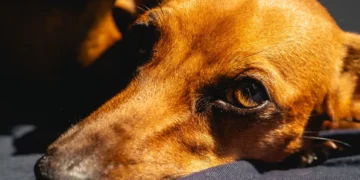
It’s 11 p.m., the house is quiet, and your 7‑year‑old Boxer is lying on the couch with his head tilted to the right. You notice his right eye looks larger, a faint pinkish swelling surrounds the socket, and a thin yellow crust hangs from the corner. Your heart races as you wonder whether it’s “just a bump” or something that could endanger his sight.
We’ve seen dozens of owners describe that exact moment—sleep‑deprived, scrolling through vague web results, and fearing the worst. The good news is that orbital disease, while serious, is often treatable if caught early. In this guide we’ll explain what the orbit is, why it can become inflamed or neoplastic, what you should look for, how vets diagnose and treat these conditions, and how you can help prevent a recurrence.
Read on for a step‑by‑step roadmap: from the anatomy of the canine eye socket to the cost of orbital surgery, plus diet tips for the recovery period. You’ll also find clear red‑flag signs that mean “call the vet now” and a handy FAQ that answers the most common lingering questions.
What is diseases of the orbit of the eye in dogs?
The orbit is the bony cavity that houses the globe (the eyeball), extra‑ocular muscles, nerves, blood vessels, and supportive fat. In dogs, the orbit is relatively shallow, which makes it vulnerable to swelling, infection, and displacement of the eye.
“Diseases of the orbit” is an umbrella term that includes any disorder that affects the structures within or around this socket. The most common problems are orbital cellulitis (infection of the soft tissue), abscesses, neoplasia (tumors), and trauma‑related injuries such as fractures or proptosis (the eye being forced out of the socket).
According to the American College of Veterinary Internal Medicine (ACVIM), orbital disorders account for roughly 5 % of all ocular complaints presented to referral hospitals, and they appear across all ages and breeds, though certain breeds are predisposed.
What causes orbital disease in dogs?
Orbital conditions arise from several broad categories:
| Category | Typical Causes |
|---|---|
| Infection / Inflammation | Bacterial or fungal invasion after a wound, dental infection spreading, or allergic reaction. |
| Trauma | Blunt force (car accident, bite), penetrating injury, or sudden pressure leading to proptosis. |
| Neoplasia | Primary orbital tumors (e.g., melanoma, mast cell tumor) or metastatic cancers spreading from other sites. |
| Congenital / Developmental | Abnormal bone growth, persistent embryonic tissue, or inherited anatomical quirks. |
Breed‑related risk factors are notable. Bulldogs, Boxers, and Shih Tzus often have shallow orbits that predispose them to proptosis after minor trauma. Golden Retrievers and Labrador Retrievers have a higher incidence of orbital lymphoma, while German Shepherds are over‑represented in cases of orbital cellulitis linked to ear infections.
Signs and symptoms
Owners usually notice a change in the eye’s appearance or the dog’s behavior. Early signs can be subtle, while severe disease presents dramatically.
| Severity | Typical Signs |
|---|---|
| Mild | Localized swelling, mild discharge, slight eye preference (favoring one side), reduced blinking. |
| Moderate | Obvious bulging (exophthalmos), pronounced redness, pain on palpation, decreased appetite, lethargy. |
| Severe | Severe proptosis, ulcerated cornea, hemorrhage, vision loss, fever, systemic illness (vomiting, diarrhea). |
Other red‑flag clues include:
- Sudden, painful eye bulging after a head bump.
- Persistent, foul‑smelling discharge suggesting an abscess.
- Visible mass or firm lump around the eye socket.
- Any sign of vision loss (bumping into furniture, reluctance to navigate stairs).
When to call your vet
Call your vet today if you notice any of the following:
- Swelling or discharge that persists more than 12 hours.
- Eye appears pushed forward (exophthalmos) or the dog shows pain when you touch the area.
- Changes in behavior such as decreased appetite, lethargy, or reluctance to play.
Go to an emergency veterinary hospital right now if you see:
- Severe proptosis with the eye completely out of the socket.
- Bleeding from the eye or a rapidly enlarging mass.
- Fever, vomiting, or signs of systemic illness accompanying the eye problem.
These warnings are not a substitute for professional care. Always consult a licensed veterinarian for an accurate diagnosis and tailored treatment plan.
How vets diagnose orbital disease
The diagnostic work‑up combines a thorough history, physical exam, and targeted tests.
- Physical examination: The vet assesses globe position, checks for pain, evaluates ocular reflexes, and palpates the orbit for masses.
- Complete blood count (CBC) & chemistry panel: Helps detect infection, inflammation, or organ involvement that may influence treatment.
- Fine‑needle aspiration (FNA) or biopsy: A small sample from the swelling is examined under a microscope to differentiate infection from tumor.
- Imaging:
- Radiographs (X‑rays): Quick overview of bone fragments or severe swelling.
- Ultrasound: Real‑time view of fluid collections, useful for guiding drainage.
- Computed tomography (CT) or magnetic resonance imaging (MRI): High‑resolution maps of bone, soft tissue, and any mass—considered the gold standard for orbital tumors and complex fractures (AAHA 2023 Imaging Guidelines).
- Culture & sensitivity: If pus is present, the lab identifies the specific bacteria and the antibiotics that will work best.
Treatment options
Medical treatment
When infection is the primary issue, systemic antibiotics (e.g., amoxicillin‑clavulanate, doxycycline) and anti‑inflammatory drugs are prescribed. For fungal infections, agents such as itraconazole may be used. Pain control often involves NSAIDs (e.g., carprofen) or opioids for severe discomfort.
If an abscess is present, the vet may also recommend a short course of injectable antibiotics and a topical ophthalmic solution to protect the cornea. In cases of allergic orbital inflammation, antihistamines or corticosteroids can reduce swelling, but they are used cautiously because steroids may mask infection.
Supplements and supportive care
Adjunctive supplements can aid recovery, especially after surgery or during prolonged antibiotic therapy. Omega‑3 fatty acids (EPA/DHA) from fish oil have anti‑inflammatory properties and may improve tissue healing. Probiotics (e.g., Enterococcus faecium) support gut health, which is important when the dog receives broad‑spectrum antibiotics.
For dogs with neoplastic disease, antioxidants such as vitamin E have been studied for quality‑of‑life benefits, though they do not replace conventional cancer therapy. Always discuss supplement choices with your vet to avoid interactions.
Procedures or surgery
When the orbit is compromised by an abscess that cannot be drained, or by a tumor, surgical intervention is often required. Common procedures include:
- Orbitotomy: An incision to remove an abscess or tumor, followed by thorough cleaning of the cavity.
- Enucleation: Removal of the entire globe, performed when the eye is irreversibly damaged or painful.
- Reconstructive surgery: Repair of fractured orbital bones using plates or bone grafts.
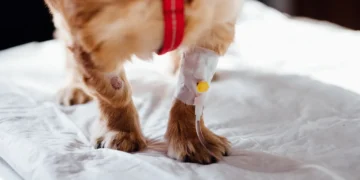
Post‑operative care involves antibiotics, pain medication, and strict eye protection (an Elizabethan collar). Most dogs stay hospitalized 24‑48 hours for monitoring, then continue recovery at home for 2‑4 weeks.
Diet and nutrition
Nutrition plays a surprisingly important role in healing orbital tissue, especially after surgery or during prolonged antimicrobial therapy. While no single “eye‑recovery diet” exists, certain principles help support the immune system, reduce inflammation, and maintain weight.
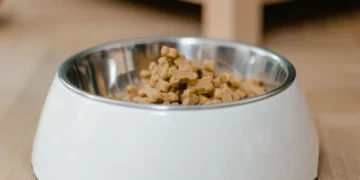
High‑quality protein is essential for tissue repair. Choose a diet with at least 22 % digestible protein from named animal sources (chicken, turkey, salmon). If your dog is on a therapeutic renal diet because of concurrent kidney disease, work with your vet to balance protein levels without compromising healing.
Omega‑3 fatty acids (EPA/DHA) from fish oil or algae supplements reduce inflammatory mediators and have been shown to improve wound healing in dogs (Cornell Veterinary Nutrition). Aim for 100 mg EPA per kilogram of body weight per day, divided into two meals, unless your vet advises otherwise.
Antioxidant‑rich foods such as blueberries, pumpkin, and sweet potatoes provide vitamins A, C, and E, which protect cells from oxidative stress during infection. However, these should be offered in moderation to avoid excess calories.
Hydration is crucial, especially if the dog is on a low‑sodium diet or receiving diuretics post‑surgery. Fresh water should be available at all times, and a wet food or broth addition can encourage intake.
Foods to avoid include:
| Do feed | Limit | Avoid |
|---|---|---|
| High‑quality commercial kibble or cooked meat meals | Raw bones (risk of splintering) | Highly processed treats with artificial colors |
| Omega‑3 enriched fish oil | Excessive fatty treats (may delay healing) | Excess salt (can worsen edema) |
When transitioning to a new diet after orbital surgery, do it gradually over 5‑7 days: mix 25 % new food with 75 % old food, then increase the new portion each day. This helps maintain gut health and reduces the chance of diarrhea, which can interfere with medication absorption.
For dogs with a diagnosed tumor, some oncologists recommend a “high‑calorie, high‑protein” diet to sustain body condition during chemotherapy. Always follow the specific recommendations of your oncology team.
Cost and prognosis
Financial considerations are a real part of any pet health decision. Below are typical cost ranges for the United States and the United Kingdom (prices are estimates and can vary by region and clinic).
| Service | US (USD) | UK (GBP) |
|---|---|---|
| Initial ophthalmic exam | $150–$250 | £80–£130 |
| CBC & chemistry panel | $100–$180 | £60–£110 |
| CT or MRI scan | $800–$1,500 | £500–£900 |
| Orbitotomy (abscess removal) | $2,000–$3,500 | £1,200–£2,000 |
| Enucleation (eye removal) | $1,500–$2,500 | £900–£1,500 |
| Post‑op medications (7‑10 days) | $150–$300 | £80–£150 |
Insurance coverage varies. Many pet insurance policies will reimburse 70‑90 % of diagnostic imaging and surgical fees after the deductible, but pre‑existing conditions (e.g., a tumor diagnosed before enrollment) are typically excluded. Check your policy’s fine print, and keep receipts for possible claims.
Prognosis depends on the underlying cause:
- Orbital cellulitis or abscess: Excellent with timely antibiotics and drainage—most dogs regain normal eye appearance within weeks.
- Traumatic proptosis: Good if the globe is saved and the injury is not compounded by infection; vision may be partially or fully restored.
- Orbital neoplasia: Variable; malignant tumors like melanoma or lymphoma may require surgery plus chemotherapy or radiation. Early detection improves survival, with median times ranging from 6 months to over a year depending on grade.
Prevention and home care
While not all orbital issues can be prevented, many risk factors are manageable.
- Keep your dog’s face clean after outdoor activities. Dirt or debris can enter a minor wound and trigger infection.
- Regular dental care reduces the chance of oral infections that can spread to the orbit via the maxillary sinuses.
- For breeds prone to proptosis (e.g., Bulldogs, Shih Tzus), avoid situations that could cause sudden head pressure—no rough play with hard objects, and use a harness instead of a collar during walks.
- Vaccinate against common canine viruses (e.g., canine distemper) that can cause ocular inflammation, following AAHA vaccination guidelines.
- Annual eye exams with a veterinary ophthalmologist help catch early changes, especially in older dogs at risk for tumors.
If your vet prescribes postoperative antibiotics, give them exactly as directed and finish the full course, even if the swelling seems to improve. Monitor the surgical site daily for redness, swelling, or discharge, and report any concerns promptly.
From our vet team: “The orbit is a small, busy space. A tiny infection can balloon quickly, so early detection is key. If you ever feel unsure, a quick phone call to your vet can spare weeks of discomfort and costly surgery.”
Key takeaways
- Orbital disease ranges from mild cellulitis to aggressive tumors; early signs are swelling, bulging, or discharge.
- Call your vet today for any persistent eye swelling; go to an emergency clinic if the eye is fully protruding or the dog shows systemic illness.
- Diagnosis combines physical exam, blood work, imaging (CT/MRI), and possibly a biopsy to pinpoint the cause.
- Most infections respond to antibiotics and drainage; tumors may need surgery and adjunct cancer therapy.
- High‑quality protein, omega‑3 fats, and antioxidant‑rich foods support healing after orbital surgery.
- Costs vary widely; pet insurance often covers a large portion of imaging and surgery, but always verify coverage before treatment.
Myth vs. fact
Myth: All orbital swelling means the eye is lost.
Fact: Many cases are treatable infections or injuries; vision can be preserved if addressed promptly.
Myth: Only senior dogs get orbital tumors.
Fact: While risk increases with age, tumors have been diagnosed in dogs as young as three years, especially in breeds with genetic predispositions.
Myth: Antibiotics alone always cure orbital cellulitis.
Fact: Some infections require surgical drainage or a combination of systemic and topical therapy to fully resolve.
Frequently asked questions
Can orbital cellulitis be treated without surgery?
Yes, many cases respond to a course of appropriate antibiotics and anti‑inflammatory medication. However, if an abscess forms or the infection does not improve within 48 hours, drainage or surgical debridement is usually needed.
Which dog breeds are most at risk for orbital tumors?
Golden Retrievers, Labrador Retrievers, and Boxers have a higher incidence of orbital lymphoma, while Bulldogs and Shih Tzus are more prone to traumatic proptosis that can lead to secondary tumors. Breed predisposition does not guarantee disease, but it warrants closer monitoring.
How urgent is it to see a vet for a swollen eye socket?
Swelling that lasts more than half a day or is accompanied by pain, discharge, or vision changes should be evaluated within 24 hours. Immediate emergency care is required for proptosis, bleeding, or systemic signs like fever.
What diagnostic imaging is used for orbital problems in dogs?
Veterinarians start with radiographs for quick bone assessment, then often move to ultrasound for fluid evaluation. CT or MRI provides the most detailed view of soft tissue masses, bone fractures, and the extent of any tumor, and is considered the gold standard for complex cases.
What is the typical recovery time after orbital surgery?
Most dogs stay in the hospital 1–2 days for monitoring, then need 2–4 weeks of home care. Full visual recovery may take longer, especially if the globe was injured. Follow‑up exams every 2–4 weeks are common to ensure proper healing.
Will my dog need a special diet after orbital surgery?
A balanced, high‑protein diet with added omega‑3 fatty acids supports tissue repair. No specific “eye diet” exists, but avoiding overly salty or processed foods helps reduce swelling. Your vet may recommend a therapeutic diet if there are concurrent health issues.
Ask the PuppaDogs community
Have a question this article didn’t fully answer? Want to compare notes with other dog owners who’ve been through this? Our community forum is moderated by experienced owners and vets — and answers tend to come fast. Ask in the PuppaDogs community →
References
- American College of Veterinary Internal Medicine (ACVIM). “Orbital and Periocular Disease in Dogs.” 2023.
- American Animal Hospital Association (AAHA). “2023 Veterinary Imaging Guidelines.”
- Merck Veterinary Manual. “Orbital Cellulitis” and “Orbital Tumors” chapters.
- Cornell University College of Veterinary Medicine. “Nutrition and Wound Healing in Dogs.”
- American Veterinary Medical Association (AVMA). “Vaccination Recommendations for Dogs.”
- World Small Animal Veterinary Association (WSAVA). “Guidelines for Ocular Health.”
- American College of Veterinary Surgeons (ACVS). “Surgical Management of Orbital Tumors.”
- British Veterinary Association (BVA). “Pet Insurance and Surgical Costs.”


