









Quick take: Diarrhea caused by Clostridium perfringens is usually a short‑lived upset that responds to diet changes and supportive care, but severe cases can lead to dehydration and require veterinary treatment. Most dogs recover fully with proper hydration, a bland diet, and, when needed, targeted antibiotics.
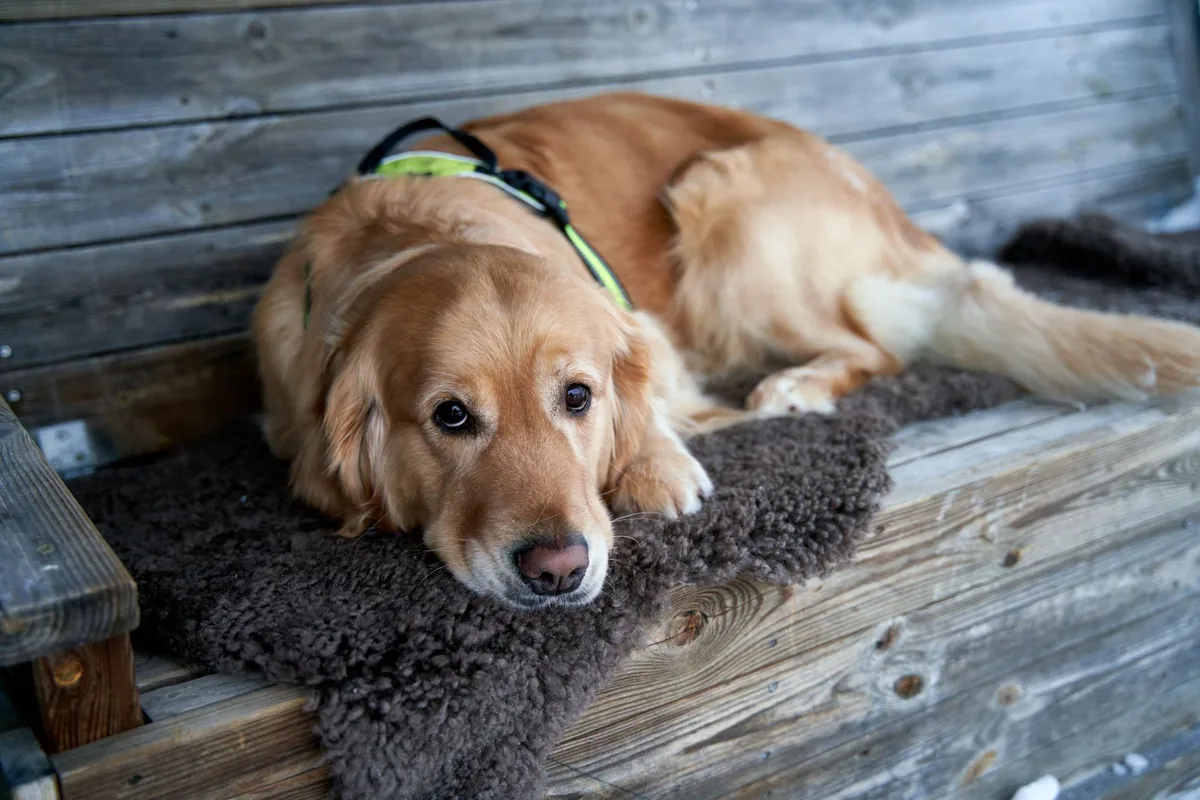
It’s 11 p.m., and you just noticed a puddle on the kitchen floor that didn’t look like water. Your 6‑year‑old mixed‑breed, Max, is pacing near the bowl, whining, and seems unusually restless. A quick Google search for “dog diarrhea at night” lands you on a page about bacterial infections, and you wonder: is this something you can fix at home, or do you need to rush to the emergency clinic?
We get it. A sudden bout of diarrhea can feel like a race against time, especially when you’re trying to keep a sleepy pup comfortable. The good news is that diarrhea due to Clostridium perfringens in dogs is often manageable, and with the right steps you can help Max feel better by morning. Below we’ll walk through what this bacterium does, why it shows up, how to spot warning signs, and what you can do now and later to keep your dog healthy.
We’ll also cover diet tweaks, typical costs, and prevention tips so you’re not left guessing. If anything feels urgent, the “When to call your vet” section will tell you exactly when to pick up the phone.
What is diarrhea due to Clostridium perfringens in dogs?
Clostridium perfringens (C. perfringens) is a gram‑positive, spore‑forming bacterium that lives in the intestines of many healthy dogs. Under normal conditions it co‑exists peacefully, but when the gut environment changes—often after a diet shift, stress, or an underlying illness—it can overgrow and release toxins that irritate the intestinal lining. The result is watery, sometimes foul‑smelling stool, and occasionally mucus or blood.
According to the Merck Veterinary Manual, C. perfringens is one of the most common bacterial culprits behind acute canine diarrhea, especially in puppies and dogs fed high‑fat or highly processed foods. While most cases resolve within a few days, severe overgrowth can lead to dehydration, electrolyte imbalance, and secondary infections.
What causes it?
Several factors can tip the balance in favor of C. perfringens overgrowth. The main categories are:
| Category | Typical triggers |
|---|---|
| Dietary indiscretion | High‑fat treats, table scraps, sudden diet changes, raw‑food diets with low fiber |
| Stress or illness | Travel, boarding, recent antibiotics, viral gastroenteritis, inflammatory bowel disease |
| Environmental factors | Contaminated water, poor hygiene in kennels, exposure to spoiled food |
Breed predisposition isn’t strongly defined, but small breeds and puppies often show more dramatic symptoms because they have less gut reserve. Dogs with compromised immune systems—such as those on long‑term steroids—are also at higher risk (AAHA 2022 guidelines).
Signs and symptoms
Early signs may be subtle, while severe disease can progress quickly. Below is a quick guide to what you might notice.
| Severity | Signs |
|---|---|
| Mild | Soft, frequent stools; occasional straining; mild flatulence; normal appetite |
| Moderate | Watery diarrhea (up to 4–5 times/day); mucus or mild blood; decreased appetite; slight lethargy |
| Severe | Profuse watery or hemorrhagic diarrhea; vomiting; marked dehydration (skin tenting, dry gums); rapid weight loss; fever |
Because C. perfringens toxins can irritate the intestinal mucosa, you may also see a foul odor or a “fizzy” feeling when you press the stool. If your dog is also vomiting or refusing water, dehydration becomes a primary concern.
When to call your vet
Call your vet today if:
- Diarrhea persists more than 48 hours.
- Stools contain blood, mucus, or are black/tarry.
- Your dog shows signs of pain (e.g., whining, guarding the abdomen).
- Appetite is reduced and water intake is low.
Go to an emergency clinic right now if:
- Your dog is unable to keep any fluids down.
- There are signs of severe dehydration (skin tenting, dry gums, sunken eyes).
- Vomiting and diarrhea occur together, especially with a fever.
- Your dog is very young (puppy < 8 weeks) or elderly (senior > 10 years) and looks weak.
This information is for educational purposes only and is not a substitute for professional veterinary care.
How vets diagnose it
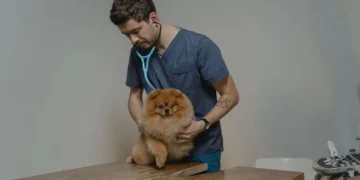
Veterinarians start with a thorough history: recent diet changes, exposure to other dogs, stress events, and any medications. A physical exam focuses on hydration status, abdominal pain, and rectal temperature.
Key diagnostic tests include:
- Fecal PCR or culture: Detects C. perfringens toxin genes (cpb2, netE) in the stool. While a positive result doesn’t always mean disease, it helps confirm bacterial involvement.
- Complete blood count (CBC): Looks for signs of infection (elevated white blood cells) or dehydration (increased PCV/hematocrit).
- Serum chemistry panel: Checks electrolytes (especially potassium and sodium) that can become imbalanced with fluid loss.
- Fecal flotation: Rules out parasites that can cause similar diarrhea.
- Abdominal ultrasound (if indicated): Evaluates intestinal wall thickness and looks for secondary complications.
The AAHA recommends combining fecal PCR with clinical signs to avoid overtreatment of harmless bacterial presence.
Treatment options
Medical treatment
When the vet confirms C. perfringens involvement, the most common medical approaches are:
- Antibiotics: Metronidazole or tylosin are the first‑line choices because they target anaerobic bacteria while sparing beneficial flora. Your vet will dose based on your dog’s weight and severity—ask your vet about this option.
- Probiotics: Strains like Enterococcus faecium or Lactobacillus acidophilus help restore a healthy gut balance after antibiotics.
- Antidiarrheal agents: In select cases, a short course of bismuth subsalicylate (Pepto‑Bismol) may be used, but only under veterinary guidance.
- Fluid therapy: Subcutaneous or intravenous fluids correct dehydration and electrolyte loss. This is especially important for puppies, senior dogs, or those with severe diarrhea.
Supplements and supportive care
Adjunct supplements can aid recovery, though they’re not a cure on their own:
- Omega‑3 fatty acids (EPA/DHA): Anti‑inflammatory properties that may reduce intestinal irritation. Look for dog‑specific fish oil products and ask your vet about appropriate dosing.
- Digestive enzymes: Products containing protease, amylase, and lipase can help break down food and lessen the gut’s workload during recovery.
- Electrolyte powders: Rehydration solutions (e.g., Pedialyte for dogs) can be offered in small amounts if your dog tolerates them.
Procedures or surgery
Most C. perfringens cases resolve with medical management. Surgery is rarely needed unless there’s a secondary complication such as intestinal obstruction or severe necrotizing enteritis, which would be identified on imaging. In those rare situations, a brief hospitalization and possible intestinal resection may be required, with a typical recovery time of 2–3 weeks.
Diet and nutrition
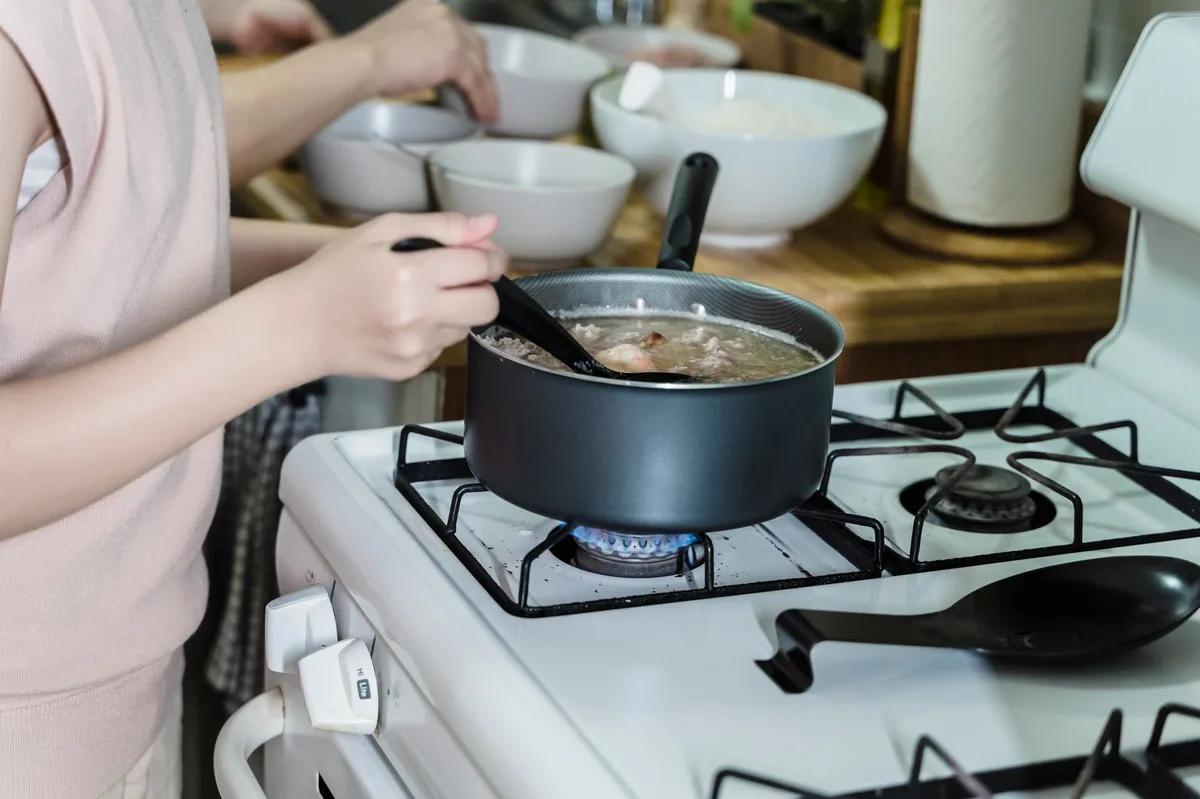
Diet is the cornerstone of recovery from bacterial diarrhea. The goal is to give the intestines a break while still providing enough calories and protein to prevent muscle loss.
What to feed:
- Boiled lean protein: Skinless chicken breast, turkey, or lean beef, cooked without seasoning. Aim for 1‑2 g of protein per kilogram of body weight per day.
- Highly digestible carbohydrate: White rice, canned pumpkin (plain), or sweet potato mash. These provide energy without excess fiber that can ferment.
- Low‑fat, low‑fiber foods: Fat slows gastric emptying and can worsen diarrhea, while excessive fiber may fuel bacterial growth.
- Hydration: Fresh water should be always available. Offering ice chips or low‑sodium broth can encourage intake.
What to limit or avoid:
- High‑fat treats (cheese, bacon, raw bones).
- Spicy or heavily seasoned foods.
- Dairy products (many dogs are lactose‑intolerant).
- Raw diets that are high in protein but low in fermentable fiber, unless they’re specifically formulated for gut health.
Many commercial therapeutic diets—such as the “GI” or “intestinal health” lines from major manufacturers—are formulated with highly digestible proteins, prebiotic fibers, and added antioxidants. While we won’t endorse a particular brand, these diets can be a convenient option if your dog refuses home‑cooked meals. Always transition gradually over 3–5 days to avoid further upset.
Below is a quick reference for feeding during recovery:
| Food type | Do feed | Limit | Avoid |
|---|---|---|---|
| Protein | Boiled chicken, turkey, lean beef | Small amounts of cooked fish | Fatty cuts, raw meat |
| Carbohydrate | White rice, pumpkin, sweet potato | Whole grain rice | Whole wheat bread, beans |
| Fats | Olive oil (1 tsp/day for large dogs) | None | Butter, oil-heavy treats |
| Dairy | None | Small plain yogurt (if tolerated) | Milk, cheese |
Feed small, frequent meals (3–4 times daily) instead of one large bowl. This reduces the workload on the intestines and helps maintain steady blood glucose. If vomiting occurs, pause feeding for 6‑12 hours and re‑introduce the bland diet gradually.
For dogs with chronic gastrointestinal issues, your vet may recommend a prescription diet like the “Renal” or “Digestive Care” formulas, which are low in fat and contain added fiber (e.g., beet pulp) to promote beneficial bacterial growth. Discuss the best option with your vet, especially if your dog has other health concerns such as kidney disease or allergies.
Cost and prognosis
Most cases of C. perfringens‑related diarrhea are treated on an outpatient basis. Below is an approximate cost breakdown (US $ / £ / AU$) based on typical veterinary fees in 2024:
| Item | US $ | UK £ | AU$ |
|---|---|---|---|
| Initial exam | 45‑90 | 35‑70 | 55‑100 |
| Fecal PCR test | 80‑150 | 70‑130 | 100‑180 |
| Blood work (CBC + chemistry) | 100‑180 | 80‑150 | 120‑200 |
| Antibiotics (e.g., metronidazole 5 days) | 15‑30 | 12‑25 | 20‑35 |
| Probiotic supplement (2 weeks) | 20‑40 | 18‑35 | 25‑45 |
| IV fluids (if needed) | 150‑300 | 120‑250 | 180‑350 |
Overall, most owners spend between $250‑$600 (≈ £200‑£450, AU$300‑AU$800) for a full work‑up and treatment. The prognosis is excellent when dehydration is corrected quickly and the bacterial overgrowth is addressed. Most dogs return to normal stool consistency within 3‑7 days, though a full dietary transition can take up to two weeks.
Prevention and home care
Keeping your dog’s gut healthy is the best defense against C. perfringens flare‑ups. Here are practical steps you can take:
- Gradual diet changes: Introduce new foods over 5–7 days. Sudden switches can disrupt the microbiome.
- Limit table scraps and high‑fat treats: Even occasional indulgences can trigger bacterial overgrowth.
- Maintain clean water sources: Change water bowls daily and ensure they’re free of debris.
- Regular parasite control: Follow AAHA parasite prevention guidelines; many parasites can predispose to bacterial diarrhea.
- Probiotic maintenance: For dogs with a history of gut upset, a daily probiotic can help keep beneficial bacteria dominant. Ask about a low‑dose product that’s safe for long‑term use.
- Stress reduction: Keep routines consistent, provide safe spaces during travel, and avoid sudden environmental changes when possible.
Schedule a follow‑up appointment 7‑10 days after the initial episode to ensure the gut has healed and to discuss any long‑term dietary adjustments. If your dog experiences recurrent episodes, your vet may suggest a stool culture or a more targeted probiotic regimen.
From our vet team: “If you’re ever in doubt, the safest move is to call your vet. A quick phone consult can let you know whether your dog needs fluids, a prescription, or an emergency visit. Most owners underestimate how quickly dehydration can set in, especially with puppies and seniors.”
Key takeaways
- Diarrhea from Clostridium perfringens is usually short‑lived but can cause dangerous dehydration.
- Prompt hydration, a bland diet, and targeted antibiotics (when prescribed) resolve most cases within a week.
- Watch for red‑flag signs like blood, vomiting, or inability to drink; these require immediate veterinary care.
- Prevent future episodes by feeding a stable, low‑fat diet, keeping water clean, and using probiotics if recommended.
- Typical treatment costs range from $250‑$600; most dogs recover fully with proper care.
Myth vs. fact
Myth: “All diarrhea in dogs is caused by parasites, so I only need a dewormer.”
Fact: While parasites are common, bacterial overgrowth—especially C. perfringens—is a frequent cause of acute diarrhea and requires different treatment.
Myth: “If my dog’s stool looks normal, the gut is healthy.”
Fact: Gut health isn’t always visible; dogs can harbor harmful bacteria without obvious stool changes. Regular vet checks and proper diet are essential.
Myth: “Probiotics alone can cure bacterial diarrhea.”
Fact: Probiotics support recovery but usually need to be paired with fluid therapy, diet changes, and sometimes antibiotics.
Frequently asked questions
Can C. perfringens diarrhea be contagious?
No, the bacteria is part of the normal gut flora and isn’t spread from dog to dog like a virus. However, a shared contaminated food source or water bowl could temporarily increase exposure.
How long does it take for my dog to feel better?
Most dogs improve within 2‑3 days of starting a bland diet and fluids, with stool normalization typically by day 5‑7. Severe cases that need IV fluids may take longer.
Will my dog need a follow‑up appointment?
Yes. A re‑check 7‑10 days after the episode helps ensure the gut has healed and allows the vet to discuss any needed long‑term dietary changes.
Are there any home remedies that work?
Gentle home care—offering fresh water, feeding boiled chicken and rice, and using a pet‑safe probiotic—can be effective for mild cases. If symptoms persist beyond 48 hours, contact a vet.
What is the typical cost of treating this condition?
In the United States, the average out‑of‑pocket expense ranges from $250 to $600, covering exams, lab work, antibiotics, and any fluid therapy needed.
Is this condition more common in certain breeds?
While no breed is immune, small breeds and puppies often show more pronounced signs because they have less gut reserve. Senior dogs and those on immunosuppressive meds are also at higher risk.
Ask the PuppaDogs community
Have a question this article didn’t fully answer? Want to compare notes with other dog owners who’ve been through this? Our community forum is moderated by experienced owners and vets — and answers tend to come fast. Ask in the PuppaDogs community →
References
- American Animal Hospital Association (AAHA). 2022 Guidelines for Canine Gastrointestinal Disorders.
- Merck Veterinary Manual. “Clostridial Enteritis in Dogs.” Updated 2023.
- American College of Veterinary Internal Medicine (ACVIM). Consensus Statement on Canine Diarrhea, 2021.
- World Small Animal Veterinary Association (WSAVA). “Gut Microbiome and Probiotics in Dogs,” 2022.
- Veterinary Partner. “Fecal PCR Testing for Bacterial Pathogens.” 2023.
- American Veterinary Medical Association (AVMA). “Dehydration in Small Animals,” 2023.


