














Quick take: Collapse during exercise in Labrador Retrievers is most often a sign of an underlying heart, nerve, or metabolic problem. It can range from a brief fainting spell to a life‑threatening event, so prompt veterinary evaluation is essential. Treatment focuses on identifying the cause, managing triggers, and adjusting diet and activity to keep your Lab safe and active.
It’s a cool Saturday afternoon, and you’ve just finished a quick jog with your 4‑year‑old Labrador, Max. He’s panting happily, tail wagging, when suddenly he stumbles, drops to the ground, and looks dazed. Your heart jumps, you stare at his limp body, and the screen of your phone lights up with frantic search results about “dog collapse.” You’re not alone—many Lab owners have felt that same rush of panic.
First‑hand, the experience is terrifying, but the good news is that collapse during exercise is a recognizable medical sign. With the right work‑up, most Labs can return to a normal, playful life. In this article we’ll explain what exercise‑induced collapse means, why Labs are prone to it, the warning signs you can watch for, what to do in the moment, how vets figure out the cause, treatment options, diet tips, costs, and long‑term prevention strategies.
Read on to learn how to keep your Lab safely active, what questions to ask your veterinarian, and where to find supportive resources from our community of pet parents.
What is exercise‑induced collapse in Labrador Retrievers?
Exercise‑induced collapse (EIC) is a sudden loss of muscle tone and consciousness that occurs during or shortly after physical activity. In Labs, it most often reflects a temporary failure of the heart or nervous system to keep up with the increased demand for oxygen and energy. When the brain and muscles don’t receive enough blood flow, the dog can become weak, fall, and appear “collapsed.”
While the exact prevalence is unclear, Labs are one of the breeds most frequently reported with EIC, alongside other large, active breeds such as German Shepherds and Border Collies. The condition can affect dogs of any age, but it is especially common in young to middle‑aged Labs (2‑6 years) who are heavily exercised or competing in agility, hunting, or field trials.
What causes it?
Three main categories of underlying problems drive collapse in Labs:
| Category | Typical Causes | Notes for Labs |
|---|---|---|
| Cardiac | Arrhythmias, dilated cardiomyopathy, subaortic stenosis, congenital heart defects | Labs have a genetic predisposition to certain arrhythmias that can flare with exertion. |
| Neurological | Exercise‑induced collapse (EIC) syndrome, hereditary channelopathies (e.g., SCN4A mutation), epilepsy | The SCN4A gene mutation is found in many Labs with episodic collapse after short bursts of activity. |
| Metabolic | Hypoglycemia, electrolyte imbalances (especially potassium), heat exhaustion | Labs love to run and may become dehydrated quickly in warm weather, increasing metabolic stress. |
Other contributors include anemia, severe anemia, or respiratory disease, but these are less common as primary triggers for exercise collapse in Labs.
Signs and symptoms
Owners often notice a pattern that starts with subtle changes before a full collapse. Below is a progression guide:
| Stage | What you may see |
|---|---|
| Mild | Excessive panting, slight wobble, slower gait, reluctance to continue after a few minutes. |
| Moderate | Stumbling, brief loss of balance, pale gums, sluggish recovery after a short rest. |
| Severe | Full collapse, unresponsiveness, muscle tremors, cyanotic (bluish) tongue, failure to regain posture within 30 seconds. |
Key red‑flag signs that warrant immediate veterinary attention include:
- Collapsed posture lasting more than 30 seconds.
- Persistent weakness or inability to stand.
- Rapid breathing, bluish gums, or pale mucous membranes.
- Seizure‑like activity or uncontrolled shaking.
When to call your vet
Call your vet today if: your Lab has any of the mild or moderate signs listed above, especially if they recur after exercise, or if you notice pale gums, excessive panting, or a change in behavior.
Go to an emergency veterinary hospital right now if: your dog collapses and does not regain a standing position within 30 seconds, shows signs of cyanosis, has a seizure, or you suspect a heart rhythm problem.
This article is for informational purposes only and does not replace a hands‑on veterinary exam. Always seek professional care for any health concerns.
How vets diagnose it
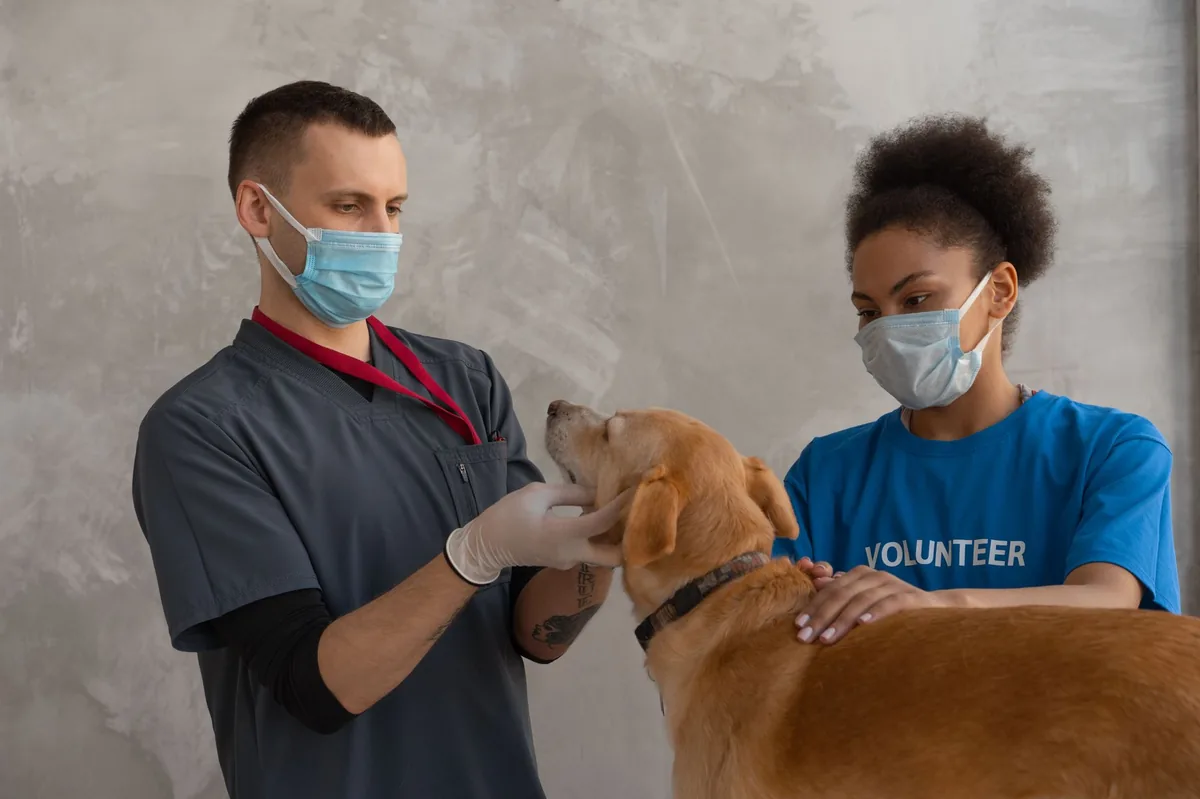
Diagnosing exercise‑induced collapse involves a stepwise approach that combines history, physical exam, and targeted testing.
- History & activity log: Your vet will ask when the episodes occur, duration, intensity of exercise, weather conditions, and any preceding symptoms.
- Physical examination: Includes listening to the heart and lungs, checking pulse quality, and evaluating gum color and hydration.
- Electrocardiogram (ECG): Records the heart’s electrical activity at rest and, if possible, after a brief exercise treadmill test to catch intermittent arrhythmias.
- Echocardiogram (ultrasound of the heart): Visualizes structure, wall thickness, and blood flow, helping identify cardiomyopathy or valve disease.
- Blood work: CBC, chemistry panel, and electrolytes look for anemia, electrolyte shifts, or metabolic disorders.
- Genetic testing: Labs can be screened for the SCN4A mutation associated with hereditary EIC. The test is a simple cheek swab sent to a reference lab.
- Advanced imaging (optional): MRI or CT may be recommended if a neurological cause is suspected after other tests are inconclusive.
These diagnostics together give a clear picture of whether the collapse is cardiac, neurological, or metabolic.
Treatment options
Medical treatment
Once the underlying cause is identified, treatment is tailored accordingly.
- Cardiac arrhythmias: Anti‑arrhythmic drugs such as procainamide or quinidine are commonly used. Your vet will dose based on your Lab’s weight and severity. Ask your vet about these options.
- Heart failure or cardiomyopathy: ACE inhibitors (e.g., enalapril), diuretics (furosemide), and pimobendan can improve cardiac output. Again, dosing is individualized.
- Neurological EIC (SCN4A mutation): Sodium channel blockers like flecainide have shown benefit in some studies. Speak with your vet to see if a trial is appropriate.
- Metabolic causes: Intravenous fluids, glucose supplementation, or electrolyte correction are administered in the hospital setting to stabilize the dog.
All prescription medications should be discussed with your vet, who will consider drug interactions and your dog’s overall health.
Supplements and supportive care
While supplements cannot replace proper medical therapy, some can support heart and muscle health:
- Omega‑3 fatty acids (EPA/DHA): May reduce inflammation and improve cardiac function. Look for a pet‑grade fish oil supplement.
- Coenzyme Q10 (ubiquinol): An antioxidant that supports mitochondrial energy production, sometimes recommended for dogs with cardiomyopathy.
- Potassium‑balanced electrolytes: If your Lab’s blood work shows low potassium, a vet‑approved supplement can help prevent future episodes.
Only use supplements that are formulated for dogs and approved by your veterinarian.
Procedures or surgery
In rare cases where a structural heart defect (e.g., severe subaortic stenosis) is identified, surgical correction or catheter‑based interventions may be offered at specialty centers. Recovery typically involves a hospital stay of 3–5 days, followed by several weeks of restricted activity.
Costs for such procedures vary widely, often ranging from $5,000 to $15,000 in the United States, depending on the complexity and geographic location.
Diet and nutrition
Nutrition plays a pivotal role in preventing exercise collapse, especially when the underlying issue is cardiac or metabolic. A balanced diet that supports steady energy release, optimal electrolyte balance, and heart health can reduce the frequency of episodes.
Here are the key dietary principles for Labs prone to exercise‑induced collapse:
- High‑quality protein: Choose a dog food with named animal proteins (e.g., chicken, salmon) as the first ingredient. Protein supports muscle repair and overall vitality.
- Moderate fat: Labs love to eat, but excess fat can lead to weight gain, which strains the heart. Aim for 12–15 % fat on a dry‑matter basis for an active Lab.
- Complex carbohydrates: Oats, barley, and sweet potatoes provide a slow‑release energy source, helping avoid spikes and crashes in blood glucose.
- Omega‑3 fatty acids: As mentioned, EPA/DHA support cardiac health. Many therapeutic diets for heart disease already contain added fish oil.
- Controlled sodium: Excess sodium can exacerbate heart failure. Look for “low‑sodium” or “cardiac support” formulas if your Lab has a diagnosed cardiac issue.
- Electrolyte balance: For Labs with documented electrolyte loss (e.g., after intense heat), supplement with a vet‑approved electrolyte powder mixed into water.
Below is a quick reference guide for feeding decisions:
| Food Category | Do feed | Limit | Avoid |
|---|---|---|---|
| Commercial dry kibble | High‑protein, moderate‑fat, low‑sodium options | Foods with >20 % fat | Highly processed, high‑salt treats |
| Prescription cardiac diet | When diagnosed with heart disease (e.g., renal‑cardiac blends) | None | None, but follow vet guidance |
| Raw or home‑cooked meals | Balanced recipes with lean meat, veggies, and a supplement blend | Excessive organ meat (high vitamin A) | Unbalanced meals lacking calcium/phosphorus ratio |
| Supplements | Fish oil, CoQ10, vet‑approved electrolytes | Over‑supplementing (e.g., too much calcium) | Human supplements not formulated for dogs |
When transitioning to a new diet, do it gradually over 7‑10 days: mix 25 % new food with 75 % old, then increase the new portion each few days. This helps avoid gastrointestinal upset, which could itself trigger a collapse in a vulnerable Lab.
Hydration is equally important. Offer fresh water before, during, and after exercise. In hot weather, add a splash of low‑sodium broth or a vet‑approved electrolyte solution to encourage drinking.

Cost and prognosis
Diagnosing and managing exercise‑induced collapse can involve several veterinary visits and tests. Below are typical cost ranges (US $ and UK £) based on 2024 data from AAHA and veterinary clinics:
| Service | US (average) | UK (average) |
|---|---|---|
| Initial exam & blood work | $150–$250 | £80–£130 |
| ECG (resting) | $100–$150 | £70–£110 |
| Echocardiogram | $300–$500 | £200–£350 |
| Genetic test for SCN4A | $200–$300 | £150–£250 |
| Medication (first 3 months) | $100–$250 | £70–£180 |
| Specialist referral / surgery (if needed) | $5,000–$15,000 | £4,000–£12,000 |
Prognosis varies with the identified cause:
- Cardiac arrhythmia with medication: Many Labs achieve stable control and can resume moderate activity within weeks.
- SCN4A‑related EIC: Dogs often respond to sodium channel blockers and can continue competing with careful monitoring.
- Severe cardiomyopathy or structural heart defect: Lifespan may be shortened, but quality of life can remain high with appropriate therapy.
Overall, owners who follow a structured management plan report a 70‑80 % reduction in collapse episodes and a good to excellent quality of life for their Labs.
Prevention and home care
Preventing exercise collapse is largely about managing triggers and maintaining overall health.
- Gradual conditioning: Build stamina slowly. Start with short, low‑intensity walks and increase duration by no more than 10 % each week.
- Heat management: Avoid vigorous exercise when ambient temperature exceeds 75 °F (24 °C). Provide shade, cooling mats, and plenty of water.
- Regular veterinary check‑ups: Annual heart exams (including ECG) are recommended for Labs, especially those with a family history of collapse.
- Weight control: Keep your Lab at an optimal body condition score (4–5 of 9). Excess weight stresses the heart and muscles.
- Monitor for early signs: If your Lab shows excessive panting, wobbling, or hesitates after a brief jog, stop the activity and let them rest.
- Use a fitness tracker: Devices like Whistle or FitBark can record heart rate and activity levels, alerting you to abnormal spikes.
When you notice a concerning episode, record the time, duration, temperature, and activity level. This information helps your vet pinpoint patterns and adjust treatment.
From our vet team: “Most Labs with exercise collapse can live a happy, active life once the underlying cause is identified and managed. The key is early detection, a calm response during an episode, and a tailored plan that balances conditioning with safety.”
Key takeaways
- Exercise collapse in Labs often signals a heart, nerve, or metabolic issue; prompt vet evaluation is essential.
- Track the pattern of episodes—mild wobble, pale gums, or full collapse—to help your vet diagnose the cause.
- Immediate first‑aid includes keeping your dog calm, checking gums, and contacting a vet or emergency clinic if collapse lasts >30 seconds.
- Diagnostic work‑up typically includes ECG, echocardiogram, blood work, and a genetic test for the SCN4A mutation.
- Treatment may involve heart meds, sodium‑channel blockers, electrolyte support, and diet changes rich in high‑quality protein and omega‑3s.
- Prevent future episodes with gradual conditioning, weight management, heat avoidance, and regular heart screening.
Myth vs. fact
Myth: All Labs that collapse during exercise have a fatal heart disease.
Fact: Collapse can stem from several reversible causes, including a treatable arrhythmia, a genetic channelopathy, or simple electrolyte imbalance.
Myth: If a Lab collapses once, it will happen every time they run.
Fact: With proper management, many Labs experience far fewer episodes and can safely enjoy moderate activity.
Myth: Supplements alone can cure exercise‑induced collapse.
Fact: Supplements support overall health but should never replace veterinary‑prescribed medications or a thorough diagnostic work‑up.
Frequently asked questions
What causes collapse during exercise in Labrador Retrievers?
Collapse is most often linked to cardiac arrhythmias, a hereditary channelopathy (SCN4A mutation), or metabolic issues like electrolyte loss. Your vet will pinpoint the exact cause through ECG, blood tests, and possibly genetic screening.
Is exercise‑induced collapse hereditary in Labs?
Yes. A specific SCN4A gene mutation is known to run in many Labrador families. Genetic testing can confirm whether your dog carries the trait, allowing you to take preventive steps.
Can a Labrador with collapse still be active?
Absolutely. With proper diagnosis, medication, and a tailored conditioning plan, most Labs can safely engage in moderate exercise and even compete in agility or field trials.
What emergency steps should I take if my Lab collapses?
First, keep your dog calm and lay them on a flat surface. Check gum color—if pale or bluish, or if the dog stays down >30 seconds, call your vet or go to an emergency clinic immediately. Offer small sips of water once they’re stable.
Are there medications that can prevent collapse in dogs?
Anti‑arrhythmic drugs (e.g., procainamide) and sodium‑channel blockers (e.g., flecainide) are used based on the underlying cause. Your vet will decide if medication is appropriate after diagnostic testing.
How long does recovery take after an exercise collapse episode?
Recovery time varies. Mild episodes may resolve in minutes with rest, while more severe cases may need a few days of hospitalization. Long‑term management typically involves regular medication, diet adjustments, and gradual conditioning.
Ask the PuppaDogs community
Have a question this article didn’t fully answer? Want to compare notes with other dog owners who’ve been through this? Our community forum is moderated by experienced owners and vets — and answers tend to come fast. Ask in the PuppaDogs community →
References
- American College of Veterinary Internal Medicine (ACVIM) Consensus Statement on Canine Cardiomyopathy, 2022.
- American Animal Hospital Association (AAHA) Guidelines for Cardiac Screening in Dogs, 2023.
- Merck Veterinary Manual, “Exercise‑Induced Collapse” chapter, 2024 edition.
- Cornell University College of Veterinary Medicine, “SCN4A Mutation in Labrador Retrievers” research summary, 2023.
- World Small Animal Veterinary Association (WSAVA) Nutritional Recommendations for Dogs with Cardiac Disease, 2022.
- AVMA Veterinary Emergency and Critical Care Guidelines, 2023.
- UCD Veterinary Medicine, “Electrolyte Management in Exercising Dogs,” 2021.


