











Quick take: Ceruminous gland adenocarcinoma is a malignant ear‑tumor that arises from the wax‑producing glands in a dog’s ear canal. It’s most common in older, medium‑to‑large breeds, and early signs include chronic ear discharge, foul odor, and swelling. Prompt veterinary evaluation, imaging, and biopsy are essential; surgery with clean margins plus possible radiation offers the best chance for long‑term control, while costs can range from a few thousand to over ten thousand dollars depending on treatment complexity.
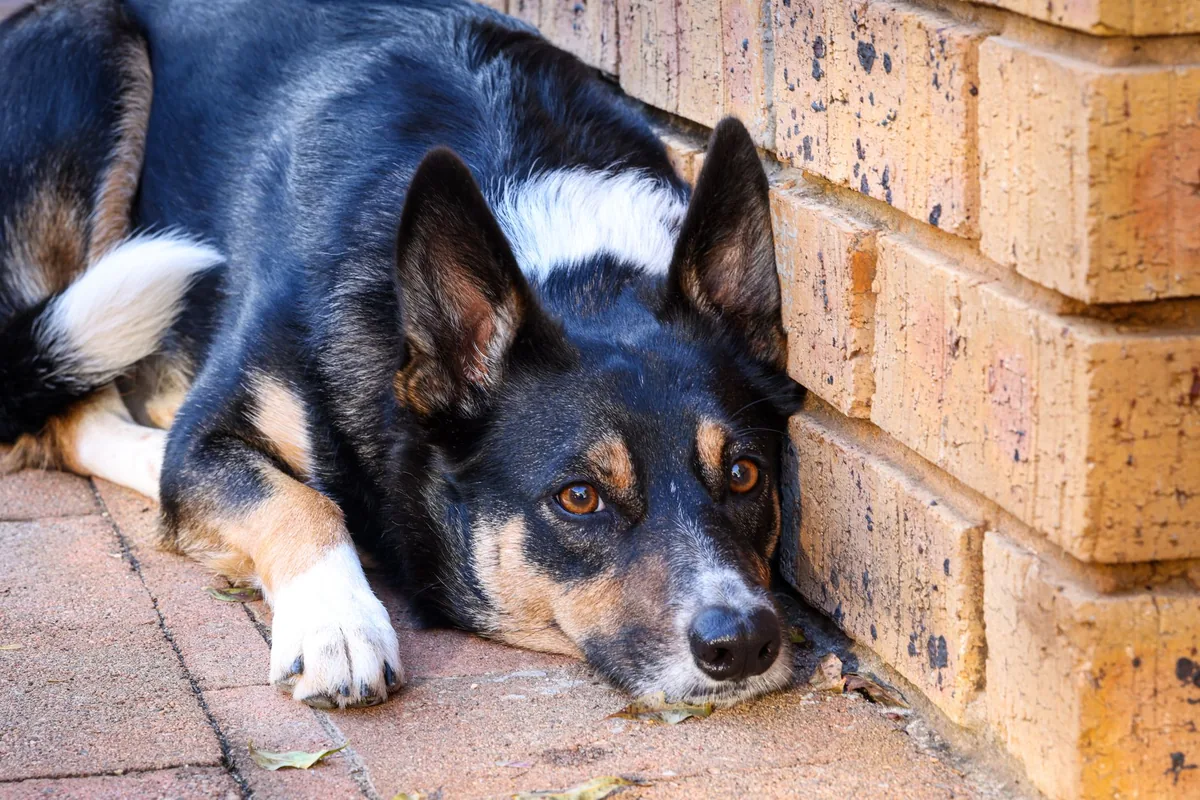
It’s 9 p.m., and you’re sitting on the couch while your 11‑year‑old mixed‑breed dog, Bella, keeps shaking her head and nudging you with her nose. The ear on the right looks red, the fur around it is a little matted, and there’s a faint, sour smell that wasn’t there before. You’ve Googled “dog ear discharge” and the results are endless, but the worry in your chest is growing louder.
Most owners who face this moment discover that the problem isn’t just a simple ear infection. In many cases, it’s the first sign of a ceruminous gland adenocarcinoma—a cancer that begins in the tiny wax‑producing glands deep in the ear canal. While the word “cancer” can feel terrifying, knowing what to look for, how it’s diagnosed, and what treatment options exist can help you act quickly and keep Bella comfortable.
In this guide we’ll explain what ceruminous gland adenocarcinoma is, why certain dogs are more at risk, the early clues to watch for, how veterinarians confirm the diagnosis, and the range of treatments—from surgery to radiation and supportive care. We’ll also cover diet tips for recovery, typical costs, and steps you can take at home to help prevent future ear issues. By the end, you’ll have a clear roadmap for the next steps, whether that means scheduling an appointment today or preparing for a surgery next month.
What is ceruminous gland adenocarcinoma in dogs?
Ceruminous glands are tiny sebaceous glands located in the outer third of a dog’s ear canal. They produce cerumen, the waxy substance that helps keep the ear clean and protects against debris. An adenocarcinoma is a malignant tumor that arises from glandular (secretory) tissue. When these wax‑producing glands become cancerous, the tumor can grow locally, invade surrounding ear structures, and occasionally spread (metastasize) to lymph nodes or other organs.
Although ear tumors are relatively uncommon compared to skin tumors, ceruminous gland adenocarcinoma accounts for roughly 15–20 % of all canine ear neoplasms, according to the American College of Veterinary Surgeons (ACVS). It most frequently affects middle‑aged to senior dogs (8 years and older), especially larger breeds such as the Labrador Retriever, Golden Retriever, German Shepherd, and Boxer. The condition is not contagious; it arises from the dog’s own cells undergoing malignant change.
What causes it?
The exact trigger for malignant transformation of ceruminous glands is still under study, but several risk factors have been identified:
| Risk factor | Why it matters |
|---|---|
| Age | Older dogs have a higher likelihood of cellular mutations accumulating over time. |
| Breed predisposition | Large‑breed dogs (e.g., Labrador, Golden Retriever, German Shepherd) show a higher incidence in ACVS surveys. |
| Chronic ear inflammation | Long‑standing otitis externa or media can create an environment that promotes cellular change. |
| Environmental toxins | Exposure to certain chemicals or UV light may increase cancer risk, though evidence in dogs is limited. |
While genetics and chronic inflammation appear to play the biggest roles, there is no single “cause” you can point to, and many dogs develop the tumor without any obvious pre‑existing ear problems.
Signs and symptoms
Early detection hinges on recognizing subtle changes in the ear. Below is a progression from mild to severe signs:
| Stage | Typical signs |
|---|---|
| Mild | Occasional ear discharge, slight odor, mild itching, occasional head shaking. |
| Moderate | Persistent foul‑smelling discharge (often brown or black), visible swelling or thickening of the ear canal, redness, frequent head shaking, reduced appetite. |
| Severe | Large mass visible in the ear canal, ulceration, bleeding, facial nerve paralysis (drooping ear or facial twitching), balance problems, weight loss. |
Because ceruminous gland adenocarcinoma grows slowly, owners often attribute early signs to a simple ear infection. However, any chronic or recurrent ear problem that does not improve with standard treatment should raise suspicion.
When to call your vet
Call your regular vet today if you notice:
- Persistent ear discharge lasting more than a week.
- Unusual odor, discoloration, or swelling in the ear.
- Frequent head shaking or ear scratching.
- Any visible mass or ulceration in the ear canal.
Go to an emergency veterinary hospital right now if you see:
- Bleeding from the ear that won’t stop.
- Sudden facial droop, loss of balance, or severe pain (the dog cries out when the ear is touched).
- Rapid swelling that makes the ear canal obstructed.
This article is for informational purposes only and does not replace professional veterinary care. If you suspect your dog has an ear tumor, contact your veterinarian promptly.
How vets diagnose it
Diagnosing ceruminous gland adenocarcinoma involves a stepwise approach:
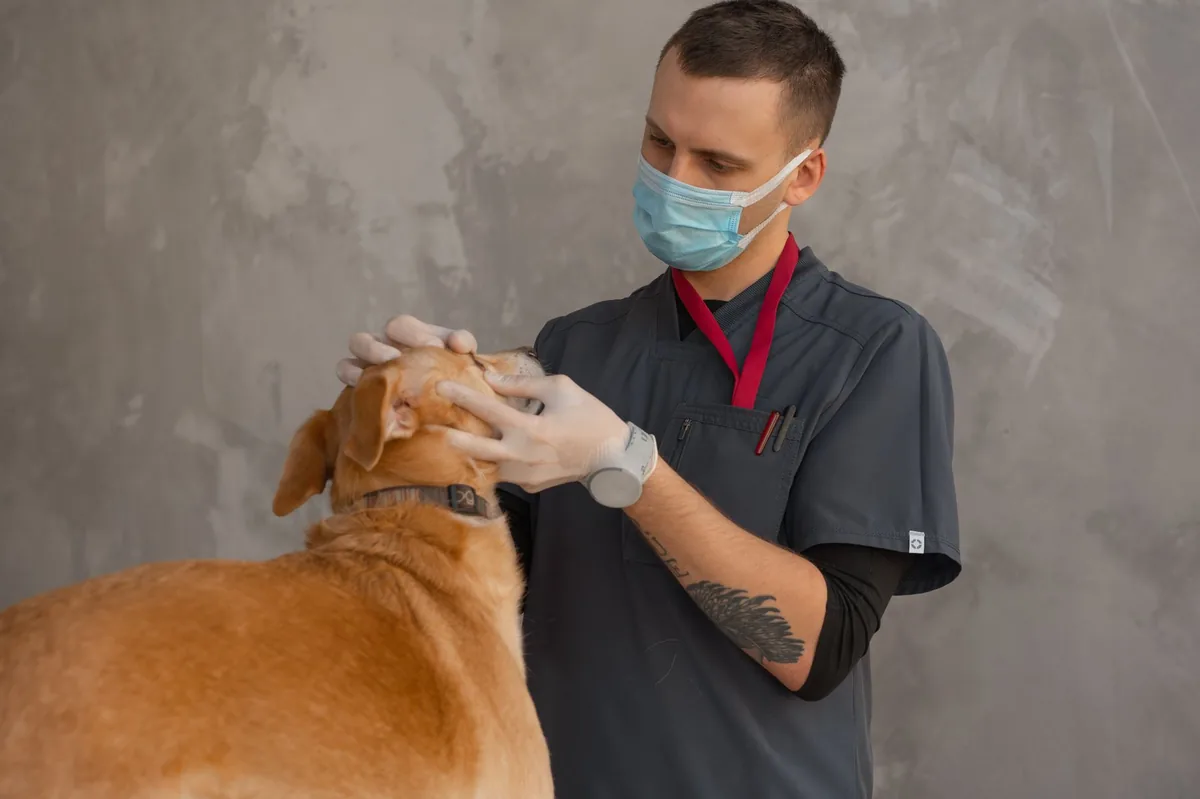
- History and physical exam: The vet will ask about the duration of discharge, any prior treatments, and perform a thorough ear exam, looking for masses, ulceration, or nerve involvement.
- Otoscopic inspection: Using an otoscope, the clinician visualizes the ear canal and may take photographs.
- Cytology: A sample of the discharge or a fine‑needle aspirate (FNA) of any visible mass is examined under a microscope. Cytology can suggest a neoplastic (cancerous) process but cannot definitively distinguish benign from malignant tumors.
- Imaging: Radiographs (X‑rays) assess bony involvement, while a CT scan provides detailed views of the tumor’s size, bone erosion, and potential spread to regional lymph nodes. MRI is occasionally used for soft‑tissue detail.
- Biopsy: The gold‑standard test is an incisional or excisional biopsy, where a small piece of the tumor is removed and sent to a veterinary pathologist. The pathologist grades the tumor (low vs. high grade) and confirms whether it is an adenocarcinoma or a benign adenoma.
- Staging: If cancer is confirmed, staging includes thoracic radiographs or CT to check for lung metastasis and possibly abdominal ultrasound to evaluate other organs.
These diagnostics help the veterinary team map the tumor’s extent, choose the appropriate treatment, and give a realistic prognosis.
Treatment options
Medical treatment
While surgery is the cornerstone, medical therapies may be used as adjuncts or when surgery isn’t feasible:
- Non‑steroidal anti‑inflammatory drugs (NSAIDs): Medications such as carprofen or meloxicam help control pain and inflammation. Your vet will dose based on weight and kidney health.
- Immunosuppressive agents: Drugs like prednisone are often given peri‑operatively to reduce swelling and manage any inflammatory response.
- Targeted chemotherapy: Agents such as carboplatin or doxorubicin are sometimes employed after surgery or when tumors cannot be completely removed. Ask your vet about the potential benefits and side‑effects.
- Radiation therapy: External beam radiation can be used post‑operatively to treat microscopic residual disease or as the primary modality when surgery is not an option. It typically involves 10‑15 fractions over 2–3 weeks.
Supplements and supportive care
Evidence‑based supplements can aid recovery, though they are not cures:
- Omega‑3 fatty acids (EPA/DHA): Fish‑oil supplements help reduce inflammation and support skin health. Look for a product with at least 1,000 mg EPA+DHA per day for a medium‑size dog.
- Probiotics: A high‑quality canine probiotic can maintain gut health, especially if the dog receives antibiotics or chemotherapy.
- Vitamin C and E: Antioxidant vitamins may assist healing after surgery, but discuss dosing with your vet.
Procedures or surgery
The definitive treatment is surgical excision with clean (≥1 cm) margins. The procedure, called a total ear canal ablation (TECA) with lateral bulla osteotomy, removes the entire ear canal and any tumor tissue. In some cases, a “partial ear canal excision” may be performed if the tumor is small and well‑contained.
Key points about the surgery:
- Recovery time: Most dogs recover within 2–3 weeks, though full healing of the surgical site can take up to 6 weeks.
- Post‑operative pain control: Dogs receive opioids (e.g., tramadol) and NSAIDs for several days, plus local anesthetic blocks during the operation.
- Complications: Potential issues include infection, ear canal stenosis, and facial nerve damage (rare). Your surgeon will discuss these risks beforehand.
- Cost range: In the United States, TECA surgery typically costs $3,000–$5,500, while adding radiation can raise the total to $7,000–$12,000. In the United Kingdom, expect £2,500–£4,500 for surgery alone and up to £9,000 with adjunct therapy.
Diet and nutrition
Nutrition plays a vital role in wound healing, immune function, and overall quality of life after ear‑tumor treatment. While no single “cancer diet” is required, certain principles can help your dog recover faster and maintain a healthy weight.
High‑quality protein: Protein provides the amino acids needed for tissue repair. Choose a diet with at least 22 % digestible protein for adult dogs, or a therapeutic “high‑protein” formula if your vet recommends it. If your dog is a picky eater after surgery, warm the kibble slightly or mix in a little low‑sodium chicken broth to improve palatability.
Moderate fat with omega‑3s: Including 10‑15 % fat (with a good proportion of EPA/DHA) supports skin health and reduces inflammation. Foods like salmon, sardines, or a quality fish‑oil supplement are excellent sources.
Limited simple carbohydrates: Excess carbs can fuel inflammation. Opt for diets that use sweet potato, pumpkin, or barley instead of high‑corn or wheat fillers.
Antioxidant‑rich ingredients: Vitamins A, C, E, and selenium help combat oxidative stress. Many commercial therapeutic diets (e.g., “oncology” formulas) contain added antioxidants, but you can also offer fresh vegetables like carrots, blueberries, or spinach in moderation.
Hydration: Adequate water intake is essential, especially if the dog is on a higher‑protein diet. Ensure fresh water is always available and consider adding water to dry kibble if your dog’s appetite is low.
Feeding schedule: After surgery, small frequent meals (3–4 times daily) are easier on the gastrointestinal tract and can encourage steady intake. Gradually transition back to the regular schedule over 7–10 days as the dog’s appetite normalizes.
When choosing a commercial diet, look for an AAFCO‑approved “complete and balanced” label. If your vet recommends a prescription diet, it may fall under the “renal” or “oncology” categories, which are formulated to be low in phosphorus and contain added nutrients to support healing.
Sample feeding guide (for a 30 lb dog):
| Food type | Portion | Notes |
|---|---|---|
| High‑protein kibble (22 % protein) | 2 cups total per day | Divide into 3–4 meals; add 1 tsp fish oil. |
| Cooked chicken (no skin, no bones) | ½ cup mixed in kibble | Good source of lean protein during recovery. |
| Steamed pumpkin or sweet potato | ¼ cup | Provides fiber and beta‑carotene; helps with constipation from pain meds. |
| Water | Unlimited | Encourage drinking; consider a water fountain. |
Always discuss any diet changes with your veterinarian, especially if your dog is on medications that may interact with certain foods (e.g., grapefruit can affect some chemotherapy agents).
Cost and prognosis
Financial planning is a realistic part of cancer care. Below are typical cost ranges based on 2023–2024 data from the American Veterinary Medical Association (AVMA) and UK Veterinary Association (UKVA):
| Service | US (USD) | UK (GBP) |
|---|---|---|
| Initial exam + diagnostics (bloodwork, CT) | $400–$800 | £300–£600 |
| Biopsy and pathology | $250–$500 | £200–£400 |
| TECA surgery (including anesthesia) | $3,000–$5,500 | £2,500–£4,500 |
| Adjunct radiation (10–15 fractions) | $2,000–$5,000 | £1,500–£4,000 |
| Chemotherapy (single agent) | $800–$2,000 | £600–£1,500 |
| Post‑operative meds & follow‑up | $150–$300 | £100–£250 |
Prognosis depends on tumor grade, surgical margins, and whether metastasis is present. For low‑grade tumors removed with clean margins, median survival can exceed 2 years, with many dogs living 3–5 years disease‑free. High‑grade or metastatic disease shortens survival to months to a year. Radiation and chemotherapy can extend life and improve quality of life, but response rates vary.
Prevention and home care
Because ceruminous gland adenocarcinoma is not preventable in the strict sense, focus on minimizing risk factors:
- Regular ear cleaning: Clean your dog’s ears every 1–2 weeks with a veterinarian‑approved ear cleaner, especially if they have floppy ears or a history of otitis. Avoid cotton swabs that can push debris deeper.
- Prompt treatment of ear infections: If your dog shows signs of infection, seek veterinary care early. Untreated chronic otitis can increase inflammation in the ceruminous glands.
- Routine exams: Annual wellness exams should include an otoscopic check, even if your dog seems fine. Early detection of abnormal thickening or masses improves outcomes.
- Environmental management: Keep your dog’s environment dry and free of irritants (e.g., harsh shampoos, excessive moisture) that can predispose to ear infections.
- Weight control and diet: Maintaining a healthy weight reduces systemic inflammation and supports immune function, which may indirectly lower cancer risk.
If your dog undergoes surgery, post‑operative care includes:
- Administering prescribed pain meds on schedule.
- Keeping the surgical site clean and dry; use an Elizabethan collar if advised.
- Monitoring for signs of infection (redness, swelling, discharge) and contacting your vet if they appear.
- Restricting vigorous activity for 2–3 weeks, then gradually re‑introducing walks.
- Scheduling re‑check appointments at 2 weeks, 6 weeks, and then every 3–6 months for the first year.
Key takeaways
- Ceruminous gland adenocarcinoma is a malignant ear tumor most common in older, larger‑breed dogs.
- Persistent ear discharge, foul odor, swelling, or a visible mass should prompt a veterinary visit right away.
- Diagnosis relies on otoscopic exam, imaging (CT or X‑ray), cytology, and a definitive biopsy.
- Surgery with clean margins offers the best chance for long‑term control; radiation or chemotherapy may be added for incomplete removal or high‑grade disease.
- Recovery includes pain management, careful wound care, and a high‑protein, omega‑3‑rich diet to support healing.
- Costs can range from a few thousand to over ten thousand dollars; discuss financing options and possible insurance coverage early.
Myth vs. fact
Myth: Ear cancer always spreads quickly and is untreatable.
Fact: While some tumors are aggressive, many are low‑grade and can be controlled with surgery and, if needed, adjunct therapies, giving dogs months to years of quality life.
Myth: Only “purebred” dogs get ear tumors.
Fact: Mixed‑breed dogs also develop ceruminous gland adenocarcinoma; breed predisposition simply raises statistical risk, not certainty.
Myth: Home remedies like herbal oils can cure ear cancer.
Fact: No home remedy replaces veterinary treatment; supportive care (pain meds, proper nutrition) can help comfort your dog, but definitive therapy requires professional intervention.
Frequently asked questions
What does ceruminous gland adenocarcinoma look like in a dog’s ear?
The tumor often appears as a firm, raised mass within the ear canal, sometimes with ulcerated skin and a dark, foul‑smelling discharge. Early lesions may look like thickened skin or a small nodule.
How quickly does ear cancer spread in dogs?
Growth rates vary; low‑grade adenocarcinomas may expand slowly over months, while high‑grade forms can infiltrate bone and metastasize within weeks. Prompt diagnosis is key to limiting spread.
Is surgery the only cure for ceruminous gland tumors?
Surgery with clear margins is the primary curative approach. Radiation can be added to address residual cells, and chemotherapy may be used for metastatic disease, but these are adjuncts rather than standalone cures.
What is the typical recovery time after ear tumor removal?
Most dogs recover enough for normal activity in 2–3 weeks, though full healing of the surgical site can take up to 6 weeks. Pain control and restricted activity are important during the early weeks.
Are there any home remedies that help with ear cancer pain?
While no home remedy replaces prescribed pain medication, gentle ear cleaning with a vet‑approved solution and a warm compress can soothe irritation. Always discuss any supplement or remedy with your vet first.
Will my dog need lifelong medication after treatment?
Many dogs do not need lifelong drugs after complete tumor removal. However, some may require periodic anti‑inflammatory medication, especially if radiation was used, or supportive supplements to maintain overall health.
Ask the PuppaDogs community
Have a question this article didn’t fully answer? Want to compare notes with other dog owners who’ve been through this? Our community forum is moderated by experienced owners and vets — and answers tend to come fast. Ask in the PuppaDogs community →
References
- American College of Veterinary Surgeons (ACVS). “Ear Tumor Guidelines.” 2023.
- American Veterinary Medical Association (AVMA). “Veterinary Oncology Cost Survey.” 2024.
- American Animal Hospital Association (AAHA). “Ear Disease Protocols.” 2022.
- Merck Veterinary Manual. “Ceruminous Gland Tumors.” Updated 2023.
- World Small Animal Veterinary Association (WSAVA). “Cancer in Dogs – Diagnosis and Management.” 2023.
- University of California, Davis School of Veterinary Medicine. “Canine Ear Tumors.” 2024.
- British Veterinary Association (BVA). “Canine Ear Cancer Treatment Options.” 2023.
- American College of Veterinary Internal Medicine (ACVIM). “Radiation Therapy for Canine Tumors.” 2022.
- Plumb’s Veterinary Drug Handbook. “Chemotherapy Agents for Dogs.” 9th edition, 2023.


