














Quick take: Cardiomyopathy in Boxer dogs is a serious, progressive heart muscle disease that often leads to heart failure. Early signs include reduced stamina, coughing, and fainting. Prompt veterinary evaluation, ongoing medication, and a heart‑healthy diet can extend life and improve quality of life.
It’s 9 p.m., the house is quiet, and your 7‑year‑old Boxer, Max, is lying on the couch instead of greeting you at the door. You notice his tongue is a little pale and he sighs when you gently press his chest. A quick Google search later, you’re staring at the words “cardiomyopathy” and wondering if you’ve just discovered a life‑threatening disease.
First, take a deep breath. You’re not alone—many Boxer owners face the same moment of panic. While cardiomyopathy can be grave, early detection and proper management often give dogs many happy months, even years, ahead. In this guide we’ll explain what cardiomyopathy is, why Boxers are predisposed, what to watch for, how vets diagnose it, treatment options, costs, diet tips, and how you can help prevent it in your pup.
We’ll also give you clear signs that require a vet call right now, and a roadmap for long‑term care. By the end you’ll know the questions to ask your veterinarian, the foods that support a healthy heart, and realistic expectations for your Boxer’s future.
What is cardiomyopathy in Boxer dogs?
Cardiomyopathy is a disease of the heart muscle itself, not the valves or surrounding structures. In Boxers, the most common form is dilated cardiomyopathy (DCM), where the ventricles (the heart’s pumping chambers) stretch and become weak. Less frequently, Boxers can develop arrhythmogenic right ventricular cardiomyopathy (ARVC), a condition that disrupts the electrical signals that keep the heart beating in rhythm.
Both types impair the heart’s ability to pump blood efficiently, leading to fluid buildup in the lungs or abdomen and eventually heart failure. The American College of Veterinary Internal Medicine (ACVIM) estimates that DCM affects roughly 10‑15 % of Boxers over age five, making it one of the breed’s leading cardiac concerns.
What causes it?
Boxer cardiomyopathy is multifactorial. The main risk categories are genetics, age, nutrition, and other health issues.
| Risk factor | Details |
|---|---|
| Genetic predisposition | Family studies show an inherited component; certain lines carry a higher DCM risk. |
| Age | Most cases appear between 5–9 years, but early onset can occur in younger dogs. |
| Nutrition | Deficiencies in taurine, carnitine, or certain B‑vitamins can worsen heart muscle function. |
| Concurrent disease | Thyroid disorders, chronic arrhythmias, or previous heartworm infection increase susceptibility. |
While the exact genetic mutation is still under investigation, the AKC and a 2022 study by the University of Minnesota suggest a polygenic inheritance pattern. Environmental factors such as high‑salt diets or excessive weight also strain the heart.
Signs and symptoms
Boxers are energetic, so any change in stamina or behavior can be a clue. Early signs are often subtle, while severe disease presents with obvious distress.
| Stage | Typical signs |
|---|---|
| Mild | Reduced playtime, slight coughing after exercise, faint fatigue, occasional fainting (syncope). |
| Moderate | Persistent cough, labored breathing, enlarged abdomen from fluid, pale gums, noticeable weight loss. |
| Severe | Severe dyspnea, rapid heartbeat, collapse, marked lethargy, inability to stand without assistance. |
These symptoms can mimic other heart issues, such as heart murmurs caused by valve disease. Unlike murmurs, cardiomyopathy often produces a “gallop” rhythm on auscultation and may cause fluid accumulation rather than a simple whooshing sound.
When to call your vet
Call your vet today if you see any of the mild to moderate signs: persistent cough, reduced activity, pale gums, or occasional fainting. These warrant an appointment within 24‑48 hours for a full cardiac work‑up.
Go to an emergency veterinary hospital right now if your Boxer shows severe breathing difficulty, rapid collapse, sudden inability to stand, or a very fast, irregular heartbeat. These are life‑threatening emergencies.
This article is for informational purposes only and does not replace a hands‑on examination by a qualified veterinarian.
How vets diagnose it
Diagnosing cardiomyopathy starts with a thorough history and physical exam. Your vet will listen for abnormal heart sounds, check pulse quality, and assess breathing.
- Electrocardiogram (ECG): Records the heart’s electrical activity, identifying arrhythmias typical of ARVC.
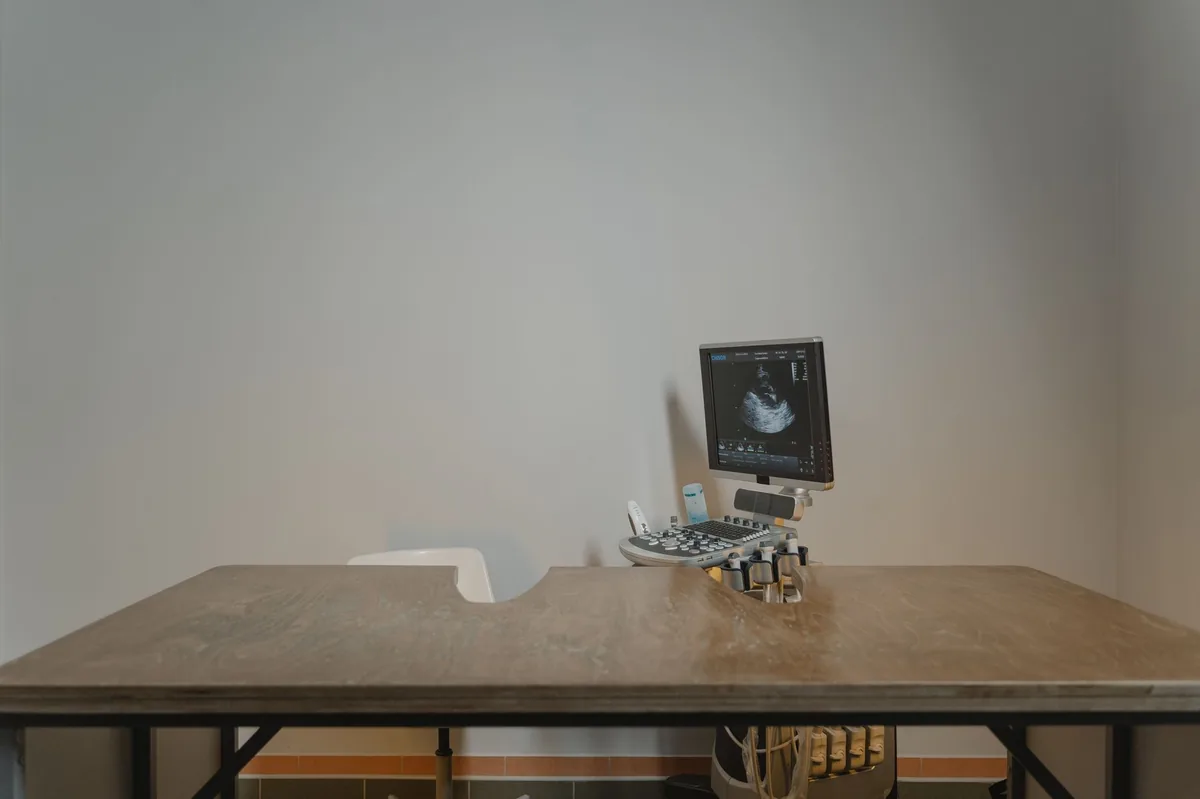
- Echocardiography (ultrasound): Visualizes chamber size and wall thickness, confirming dilation and reduced contractility.
- Chest X‑rays: Reveal fluid in the lungs or an enlarged cardiac silhouette.
- Blood tests: Include a complete blood count, chemistry panel, and specific cardiac biomarkers (NT‑proBNP) that rise with heart strain.
- Taurine and carnitine levels: Measured if a nutritional deficiency is suspected.
The combination of these tests lets the veterinarian stage the disease, gauge severity, and tailor a treatment plan. The ACVIM consensus guidelines (2023) recommend echocardiography as the gold standard for DCM diagnosis.
Treatment options
Medical treatment
Medication aims to improve heart contractility, reduce fluid buildup, and control arrhythmias. The most commonly prescribed drugs for Boxer DCM include:
- Pimobendan: A positive inotrope that helps the heart pump more efficiently.
- ACE inhibitors (e.g., enalapril, benazepril): Lower blood pressure and reduce cardiac remodeling.
- Loop diuretics (e.g., furosemide): Remove excess fluid from lungs and abdomen.
- Anti‑arrhythmic agents (e.g., sotalol, atenolol): Stabilize heart rhythm, especially in ARVC cases.
All dosages are weight‑based and adjusted by your vet. Regular blood work monitors kidney function and electrolyte balance. Your veterinarian may also prescribe a low‑dose aspirin to prevent clot formation, but always ask your vet about any medication.
Supplements and supportive care
Evidence supports several supplements that can complement heart medication:
- Omega‑3 fatty acids (EPA/DHA): Reduce inflammation and improve cardiac output. A daily fish‑oil supplement (≈20 mg EPA/DHA per kg body weight) is typical.
- Taurine: Particularly helpful if a deficiency is identified; it supports myocardial contractility.
- Coenzyme Q10: Antioxidant that may aid energy production in heart cells.
- Probiotics: Maintain gut health, which can influence overall inflammation.
Supplements are not a substitute for prescription medication but can be a valuable adjunct, especially in early disease stages. Discuss any addition with your vet to avoid interactions.
Procedures or surgery
When medication alone cannot control symptoms, advanced interventions may be considered:
- Pacemaker implantation: Helpful for severe arrhythmias in ARVC. The device regulates heart rhythm and can extend survival by months to years.
- Cardiac valve repair or replacement: Rare in Boxers because valve disease is less common, but may be needed if secondary valve dysfunction develops.
- Heart transplant: Currently experimental and only available at a few specialty centers; cost and donor availability limit its practicality.
These procedures involve hospitalization, anesthesia, and postoperative monitoring. Your vet will discuss risks, benefits, and realistic outcomes.
Diet and nutrition
While no diet can cure cardiomyopathy, a heart‑healthy feeding plan can reduce workload on the heart, control weight, and support overall wellbeing.
- High‑quality protein: Easily digestible protein (e.g., chicken, turkey, or fish) helps maintain lean muscle without excessive waste products that can burden the kidneys.
- Moderate sodium: Lower salt intake reduces fluid retention. Look for “reduced‑sodium” or “cardiac” labels, or add a pinch of salt‑free seasoning to home‑cooked meals.
- Omega‑3 enrichment: Commercial therapeutic diets (e.g., “renal‑cardiac” formulas) often contain added fish oil. If feeding a regular kibble, consider a separate omega‑3 supplement.
- Controlled calories: Maintaining an ideal body condition score (BCS 4‑5/9) prevents obesity, which adds extra strain on the heart.
- Avoid excessive carbohydrates: High‑glycemic carbs can promote weight gain and inflammation; choose kibble with <15 % total carbohydrate from quality sources.
Prescription therapeutic diets such as “renal low‑phosphorus” or “cardiac support” formulas are designed to limit sodium, provide balanced electrolytes, and include taurine and L‑carnitine. Brands vary, but the nutrient profile is what matters—not the logo.
| Food category | Do feed | Limit | Avoid |
|---|---|---|---|
| Commercial kibble | High‑quality, reduced‑sodium | Treats high in fat | Very salty or flavored varieties |
| Home‑cooked meals | Lean meats, rice or sweet potato, omega‑3 oil | Butter, cheese | Processed meats, excessive oil |
| Supplements | Omega‑3, taurine (if needed) | High‑dose vitamin C | Unregulated herbal blends |
When transitioning to a new diet, do it gradually over 7‑10 days to avoid gastrointestinal upset. Mix increasing portions of the new food with decreasing amounts of the old, and monitor weight and stool consistency. For Boxers on medication, feed meals at the same times each day to keep drug absorption consistent.
For more detailed guidance on calculating daily caloric needs, check our dog nutrition calculators. If you’re unsure which diet best fits your Boxer’s condition, our team of veterinary experts can help you choose.
Cost and prognosis
Financial planning is an important part of managing a chronic heart disease. Below is a rough estimate of typical expenses in the United States and United Kingdom (prices vary by region and clinic).
| Item | US (USD) | UK (GBP) |
|---|---|---|
| Initial cardiac work‑up (ECG, echo, labs) | $800‑$1,200 | £600‑£900 |
| Monthly medications (pimobendan, ACE inhibitor, diuretic) | $70‑$120 | £50‑£90 |
| Omega‑3 supplement (monthly) | $15‑$30 | £10‑£20 |
| Pacemaker implantation (if needed) | $15,000‑$20,000 | £12,000‑£16,000 |
| Annual re‑checks (including blood work) | $300‑$500 | £250‑£400 |
Prognosis depends on disease stage at diagnosis. Early‑stage DCM (mild dilation, no heart failure) can have a median survival of 2‑4 years with aggressive medical management. Moderate to severe disease shortens expectancy to 6‑12 months, though some dogs exceed a year with diligent care.
Quality of life is the ultimate measure. Many owners report that their Boxers enjoy walks, play, and cuddle time even while on medication. Regular vet visits, monitoring for worsening signs, and adjusting therapy as needed are key to maintaining a good life.
Prevention and home care
While genetics cannot be changed, several lifestyle measures can lower the risk or slow progression:
- Regular veterinary screening: Annual heart exams for Boxers over five, including a quick auscultation and, when indicated, an echocardiogram.
- Weight management: Keep your Boxer at a healthy BCS; obesity increases cardiac workload.
- Low‑salt diet: Avoid table scraps high in sodium and choose reduced‑sodium commercial foods.
- Exercise moderation: Short, controlled walks are safe; avoid high‑intensity sprinting or vigorous play once the disease is diagnosed.
- Monitor for early signs: Keep a diary of coughing episodes, breathing rate, and activity level; share trends with your vet.
- Supplemental taurine testing: Ask your vet to check blood taurine levels, especially if feeding a grain‑free or novel‑protein diet.
By staying proactive, you can catch cardiomyopathy before it advances to heart failure. Our Dog Questions Answered page offers more tips on recognizing subtle cardiac changes.
From our vet team: “We’ve seen Boxers with early‑stage DCM live vibrant, active lives for years when owners stay on top of medication, diet, and routine check‑ups. The biggest mistake is waiting until the cough worsens before seeking help—early intervention changes everything.”
Key takeaways
- Cardiomyopathy is a serious, breed‑predisposed heart muscle disease; early detection is vital.
- Watch for reduced stamina, coughing, pale gums, or fainting, and call your vet promptly.
- Standard treatment includes pimobendan, ACE inhibitors, diuretics, and possibly anti‑arrhythmics; supplements like omega‑3s can support heart health.
- A low‑sodium, high‑quality protein diet with controlled calories helps reduce cardiac workload.
- Regular veterinary cardiac screening, weight management, and moderate exercise are the best preventive measures.
Myth vs. fact
Myth: All heart murmurs in Boxers mean cardiomyopathy.
Fact: Murmurs often stem from valve disease; cardiomyopathy typically produces a gallop rhythm and fluid accumulation rather than a simple murmur.
Myth: Once diagnosed, a Boxer will quickly decline.
Fact: With appropriate medication and lifestyle changes, many Boxers live months to years with a good quality of life.
Myth: Diet can cure cardiomyopathy.
Fact: Nutrition supports heart function but does not replace medication; it works best as part of a comprehensive treatment plan.
Frequently asked questions
What symptoms indicate cardiomyopathy in a Boxer?
Early signs include reduced playtime, a dry cough after exercise, and fainting spells; as disease progresses you may see labored breathing, enlarged abdomen, and pale gums.
How do vets confirm cardiomyopathy in dogs?
Veterinarians use a combination of auscultation, electrocardiography, echocardiography, chest X‑rays, and blood biomarkers to diagnose and stage the disease.
Is cardiomyopathy in Boxers curable or just manageable?
It’s not curable, but it is manageable with medications, supplements, and lifestyle adjustments that can extend life and improve comfort.
What are the most effective drugs for treating Boxer heart disease?
Commonly prescribed medications include pimobendan, ACE inhibitors (enalapril or benazepril), loop diuretics (furosemide), and anti‑arrhythmics such as sotalol.
Will my Boxer need surgery for cardiomyopathy?
Surgery is rarely required; only severe arrhythmias may need a pacemaker, and valve repair is uncommon unless secondary valve disease develops.
Can I prevent cardiomyopathy in my Boxer through diet or lifestyle?
While genetics can’t be changed, feeding a low‑sodium, high‑quality diet, maintaining a healthy weight, and scheduling regular cardiac exams can lower risk and delay onset.
Ask the PuppaDogs community
Have a question this article didn’t fully answer? Want to compare notes with other dog owners who’ve been through this? Our community forum is moderated by experienced owners and vets — and answers tend to come fast. Ask in the PuppaDogs community →
References
- American College of Veterinary Internal Medicine (ACVIM). 2023 Consensus Guidelines for Diagnosis and Treatment of Dilated Cardiomyopathy in Dogs.
- American Animal Hospital Association (AAHA). 2022 Canine Cardiology Standards.
- Merck Veterinary Manual. “Cardiomyopathy, Dilated” chapter.
- University of Minnesota. “Genetic Basis of Boxer Cardiomyopathy” study, 2022.
- American Veterinary Medical Association (AVMA). “Heart Disease in Dogs” resource.
- World Small Animal Veterinary Association (WSAVA). Nutritional recommendations for dogs with cardiac disease.
- Cornell University College of Veterinary Medicine. “Omega‑3 Fatty Acids and Canine Heart Health” review.
- British Veterinary Association. “Canine Cardiac Care Cost Guide,” 2023.
- International Society of Companion Animal Cardiology. “Guidelines for Use of Pacemakers in Dogs,” 2021.
- AKC Canine Health Survey. Breed-specific cardiac disease prevalence data.


