













Quick take: Capillariasis in dogs is a parasitic infection caused by roundworms of the genus Capillaria. It usually shows up as coughing, watery discharge, or gastrointestinal upset, and most cases respond well to deworming medication. Early detection and proper treatment keep the prognosis favorable, but untreated severe infections can become life‑threatening.
It’s 11 p.m., and you’re scrolling through your phone while your 7‑year‑old mixed‑breed, Max, lies on the couch looking unusually listless. Earlier, you noticed a faint, dry cough and a few specks of white in his stool that you can’t quite place. Your heart races as you wonder whether this is something you can handle at home or if Max needs emergency care.
We’ve seen many owners describe that exact moment—sleep‑deprived, Googling “cough and worms in dogs,” and trying to keep calm for their furry companion. The good news is that capillariasis, while uncommon, is usually treatable with the right veterinary care. Below we walk through what capillariasis in dogs looks like, why it happens, how vets diagnose it, and what you can do to help Max feel better fast.
In this guide we’ll cover:
- What capillariasis is and which species affect dogs
- Typical causes and risk factors
- Signs you might see, from mild cough to severe weight loss
- When to call your vet and what “emergency” looks like
- Diagnostic steps your vet will take
- Treatment options, costs, and recovery expectations
- Dietary tips for a smooth recovery
- Prevention strategies to keep future infections at bay
What is capillariasis in dogs?
Capillariasis is an infection caused by Capillaria worms—tiny, thread‑like nematodes that can live in a dog’s respiratory tract, urinary bladder, or intestines. The most common species seen in dogs are:
- Capillaria aerophila – lives in the trachea and bronchi, leading to a chronic cough.
- Capillaria plica – resides in the urinary bladder and can cause urinary irritation.
- Capillaria sp. (intestinal) – occasionally found in the small intestine, causing diarrhea or weight loss.
These parasites are considered “rare but emerging” in many parts of the United States, Europe, and Australia, according to the American Animal Hospital Association (AAHA) and the World Small Animal Veterinary Association (WSAVA). While most healthy adult dogs can tolerate a low‑level infection, puppies and immunocompromised pets are more vulnerable.
What causes it?
Capillaria worms have a indirect life cycle. Dogs become infected by:
| Transmission route | Typical source | Risk factors |
|---|---|---|
| Ingestion of embryonated eggs | Contaminated soil or water | Frequent park visits, outdoor digging |
| Eating infected intermediate hosts | Earthworms, beetles, or slugs | Hunting or scavenging behavior, raw‑food diets |
| Maternal transmission | Infected dam’s milk or transplacental | Puppies under 12 weeks, breeding litters |
Environmental factors such as warm, moist climates and areas with heavy wildlife (foxes, raccoons) increase the number of eggs in the environment. Dogs that spend a lot of time sniffing or digging in damp ground are most at risk.
Signs and symptoms
Because the worms can live in different organs, the clinical picture varies. Early signs are often subtle, which is why many owners miss the infection until it progresses.
| Severity | Typical signs |
|---|---|
| Mild | Occasional dry cough, mild wheeze, slight increase in thirst, occasional soft stool |
| Moderate | Persistent hacking cough, nasal discharge, occasional blood in stool, reduced appetite, mild weight loss |
| Severe | Severe bronchial inflammation, coughing up mucus or blood, chronic diarrhea, marked weight loss, anemia, difficulty breathing |
Additional clues that point specifically to capillariasis include:
- White, rice‑shaped eggs visible on a fresh fecal smear (often described as “fish‑egg” morphology)
- Bronchial sounds on auscultation (your vet may hear wheezes or crackles)
- Urinary irritation (stranguria, frequent urination) if C. plica is involved
When to call your vet
Call your vet today if you notice:
- A persistent cough lasting more than a week
- Any blood in stool or vomit
- Noticeable weight loss or loss of appetite
- Frequent urination or signs of discomfort while urinating
Go to an emergency clinic right now if you see:
- Severe breathing difficulty or rapid shallow breaths
- Collapse, lethargy, or unresponsiveness
- Profuse vomiting or diarrhea with blood that leads to dehydration
These red‑flag signs could indicate a severe parasitic burden or secondary infection that needs immediate attention.
Disclaimer: This information is for educational purposes only and does not replace a hands‑on veterinary exam.
How vets diagnose it
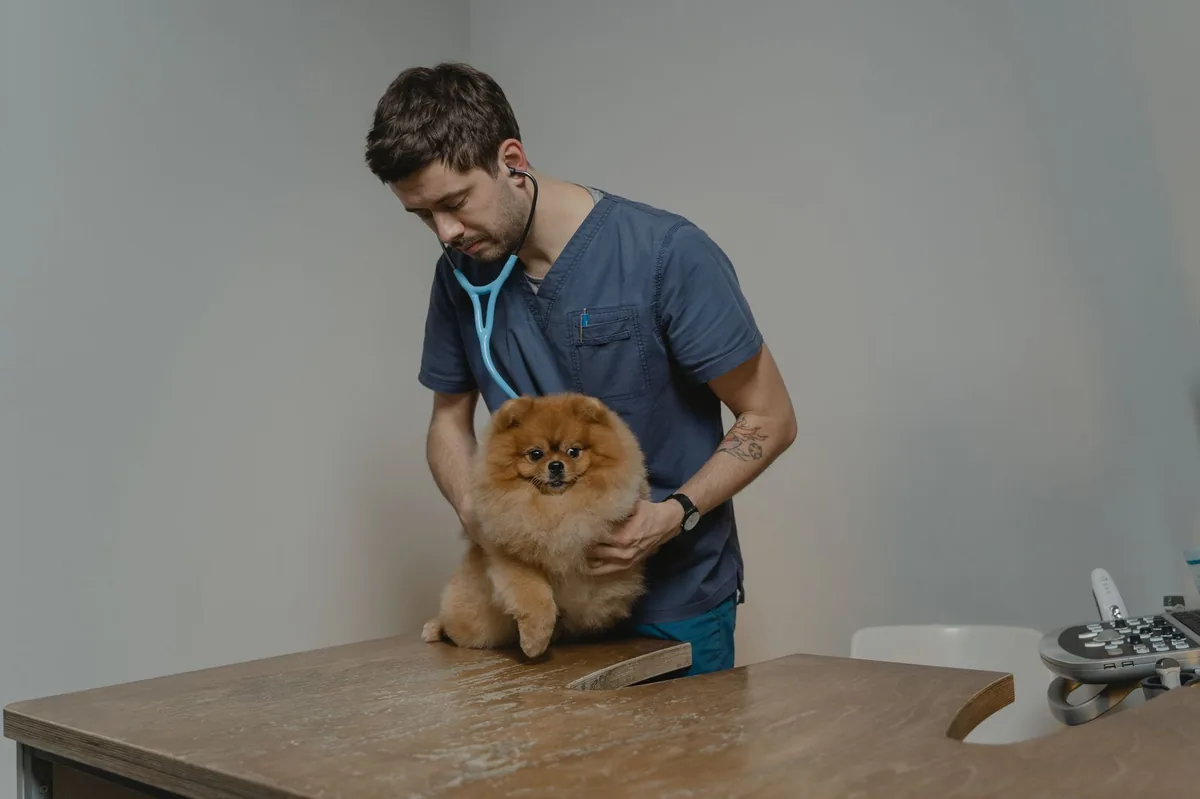
Diagnosing capillariasis involves a combination of history, physical exam, and specific tests:
- Fecal flotation or Baermann technique – a fresh stool sample is examined under a microscope for characteristic Capillaria eggs. The eggs are barrel‑shaped with bipolar plugs, often described as “football‑shaped.”
- Endoscopic or bronchoscopy evaluation – for respiratory infections, a vet may look directly at the airway and take brush samples.
- Urine sediment analysis – when bladder involvement is suspected, the urine is examined for eggs or larvae.
- Radiographs (X‑rays) or CT scans – can reveal bronchial thickening, lung infiltrates, or intestinal changes.
- Blood work – a complete blood count (CBC) may show anemia or eosinophilia (high eosinophils), which often accompanies parasitic infections.
In many cases, a single positive fecal exam confirms the diagnosis, but because egg shedding can be intermittent, vets may repeat the test three times over a week to be certain.
Treatment options
Medical treatment
The cornerstone of therapy is deworming medication. The most widely recommended drugs include:
- Fenbendazole – a benzimidazole effective against C. aerophila and intestinal Capillaria. Typical courses last 7‑10 days.
- Ivermectin – an avermectin used off‑label for respiratory capillariasis; dosage is weight‑based and must be prescribed.
- Levamisole – another benzimidazole option, especially when fenbendazole is unavailable.
All three are considered first‑line, and your vet will select the drug based on the worm’s location, your dog’s health status, and any concurrent medications. Ask your vet about the best option for Max.
Supplements and supportive care
While medication clears the parasites, supportive care speeds recovery:
- Omega‑3 fatty acids (EPA/DHA) – help reduce airway inflammation and support skin health. A high‑quality fish‑oil supplement can be added to the diet.
- Probiotics – restore gut flora after deworming, especially if the dog experienced diarrhea.
- Vitamin A and zinc – may aid mucosal healing in the respiratory tract, but only give them if your vet recommends.
Procedures or surgery
In rare cases where heavy worm loads cause intestinal blockage or severe bronchial obstruction, an endoscopic removal or surgical intervention may be required. These procedures are uncommon, typically reserved for advanced disease, and carry higher costs (often $2,000‑$4,000 USD). Most dogs recover fully with medication alone.
Diet and nutrition
Feeding a balanced, easily digestible diet helps your dog rebuild body condition while the parasites are cleared. Here are some guidelines:
- High‑quality protein – choose foods with named animal protein sources (e.g., chicken, turkey, salmon) to support tissue repair.
- Limited fat – keep fat moderate (10‑15% of calories) to avoid overloading the digestive system.
- Highly digestible carbs – sweet potato, pumpkin, or rice provide gentle energy without irritating the gut.
- Hydration – ensure fresh water is always available; consider adding a low‑sodium broth to encourage drinking.
- Avoid raw meat – until the infection clears, raw diets can re‑introduce parasites or other pathogens.
For dogs with respiratory involvement, a diet low in allergens (no grain or dairy) may reduce airway irritation. Prescription “respiratory” or “gastrointestinal” diets are optional; they are formulated to be highly digestible and contain added antioxidants.
| Food category | Do feed | Limit | Avoid |
|---|---|---|---|
| Protein sources | Cooked chicken, turkey, salmon | Ground meat with skin | Raw meat, organ meats |
| Carbohydrates | Cooked rice, sweet potato, pumpkin | White bread, pasta | High‑fat treats |
| Fats & oils | Fish oil supplement, modest olive oil | Heavy animal fats | Butter, lard |
| Supplements | Omega‑3 capsules, probiotic powder | Excess vitamins | Human multivitamins |
Transition any new food gradually over 5‑7 days to avoid upsetting the stomach. Start by mixing 25% new food with 75% current diet, then increase the new portion each few days.
Cost and prognosis
Because capillariasis is not as common as hookworm, the cost can vary widely depending on the extent of testing and treatment needed.
| Expense | US (USD) | UK (GBP) |
|---|---|---|
| Initial exam & basic labs | $80‑$150 | £60‑£120 |
| Fecal flotation (3 samples) | $40‑$70 | £30‑£55 |
| Medication (fenbendazole 7‑day course) | $30‑$60 | £25‑£50 |
| Follow‑up visit & re‑check | $70‑$120 | £55‑£100 |
| Potential imaging (X‑ray/CT) | $150‑$400 | £120‑£300 |
Overall, most uncomplicated cases cost between $250‑$500 USD (≈£200‑£400) in the United States and the United Kingdom. Prognosis is excellent when treatment starts early—most dogs recover fully within 2‑4 weeks. Delayed treatment or severe lung involvement can lead to chronic respiratory issues, but even those cases often improve with aggressive therapy.
Prevention and home care
Keeping capillariasis off your dog’s checklist is mostly about hygiene and smart feeding:
- Limit exposure to contaminated soil – avoid letting your dog dig in damp, shaded areas where earthworms thrive.
- Practice regular deworming – follow the AAHA deworming schedule; many vets recommend a broad‑spectrum dewormer every 3‑6 months for outdoor dogs.
- Control intermediate hosts – keep lawns mowed, remove excess leaf litter, and use pet‑safe nematode control products if earthworms are abundant.
- Maintain clean water sources – provide fresh water daily and prevent dogs from drinking from stagnant ponds.
- Use safe raw‑food handling – if you feed a raw diet, freeze meat for at least 2 weeks to kill parasites before serving.
- Annual fecal exams – especially for puppies and dogs that spend a lot of time outdoors.
For owners who want to track expenses, our cost calculator can help you estimate future deworming and preventive care budgets.
From our vet team: Capillariasis often masquerades as a simple cough, but a quick stool check can reveal the culprit. If you’re ever in doubt, bring a fresh sample to the clinic—early detection saves your dog from weeks of discomfort and reduces treatment costs.
Key takeaways
- Capillariasis is a worm infection that most often affects the lungs or urinary bladder, presenting as coughing, wheezing, or urinary irritation.
- Dogs become infected by swallowing eggs from contaminated soil or by eating infected earthworms, so limit outdoor digging and keep lawns clean.
- Diagnosis relies on microscopic stool exams, urine sediment, and sometimes imaging; a single positive test usually confirms infection.
- Standard treatment is a short course of fenbendazole, ivermectin, or levamisole—your vet will choose the best drug for your dog’s situation.
- Recovery is usually swift (2‑4 weeks) with proper medication and a gentle, high‑quality diet; most dogs return to normal activity.
- Prevent future infections with regular deworming, good hygiene, and avoiding raw meat that hasn’t been frozen.
Myth vs. fact
Myth: Capillariasis is the same as hookworm and can be treated with the same medication.
Fact: While both are intestinal parasites, capillariasis often requires a benzimidazole like fenbendazole, whereas hookworm is commonly treated with pyrantel or milbemycin. Different drugs target different worm families.
Myth: If my dog isn’t coughing, he can’t have capillariasis.
Fact: Intestinal or bladder‑type Capillaria infections may cause no respiratory signs at all; look for soft stools, weight loss, or urinary changes instead.
Frequently asked questions
What does capillariasis look like in a dog’s stool?
Fresh stool may contain tiny, barrel‑shaped eggs that look like tiny grains of rice with pointed ends. The eggs are usually seen on a microscopic fecal flotation slide, not with the naked eye.
Can capillariasis cause coughing in dogs?
Yes. The respiratory species Capillaria aerophila lives in the trachea and bronchi, leading to a dry, hacking cough that can become chronic if untreated.
How quickly do symptoms appear after infection?
Eggs become infectious after 2‑3 weeks in the environment. Dogs can start showing mild cough or soft stools within 10‑14 days of ingesting a high dose of eggs, though many infections remain subclinical for months.
Is there a vaccine for capillariasis in dogs?
Currently no vaccine exists for any Capillaria species. Prevention relies on hygiene, regular deworming, and controlling intermediate hosts.
Will my dog need hospitalization for capillariasis treatment?
Most cases are treated on an outpatient basis with oral medication. Hospitalization is only needed if the dog develops severe respiratory distress or a secondary bacterial infection that requires IV fluids or antibiotics.
How can I keep my dog from getting capillariasis again?
Maintain a regular deworming schedule, keep your yard free of excessive moisture and earthworms, avoid feeding raw meat that hasn’t been frozen, and bring fresh stool samples for routine fecal exams during yearly wellness visits.
Ask the PuppaDogs community
Have a question this article didn’t fully answer? Want to compare notes with other dog owners who’ve been through this? Our community forum is moderated by experienced owners and vets — and answers tend to come fast. Ask in the PuppaDogs community →
References
- American Animal Hospital Association (AAHA). “Parasite Control Guidelines.” 2023.
- World Small Animal Veterinary Association (WSAVA). “Capillariasis in Dogs.” 2022.
- Merck Veterinary Manual. “Capillaria (Trichuroidea) Infections.” Updated 2023.
- Veterinary Parasitology (Elsevier). Chapter on Capillaria spp. in Dogs. 2021.
- American College of Veterinary Internal Medicine (ACVIM). “Guidelines for Diagnosis and Treatment of Respiratory Parasites.” 2022.
- Cornell University College of Veterinary Medicine. “Canine Respiratory Parasites.” 2023.
- UK National Health Service (NHS) Veterinary Guidance on Parasite Control. 2022.
- Australian Veterinary Association (AVA). “Parasitic Worms of Dogs.” 2021.


