







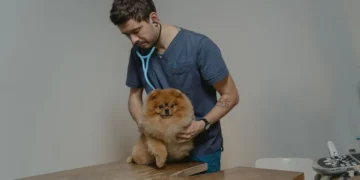






Quick take: Canine herpesvirus (CHV) is a common, usually mild virus in adult dogs but can be deadly for newborn puppies. It spreads through direct contact, secretions, and breeding, with an incubation period of 3–7 days. Treatment is supportive; antivirals may help, and prevention focuses on hygiene and careful breeding management.
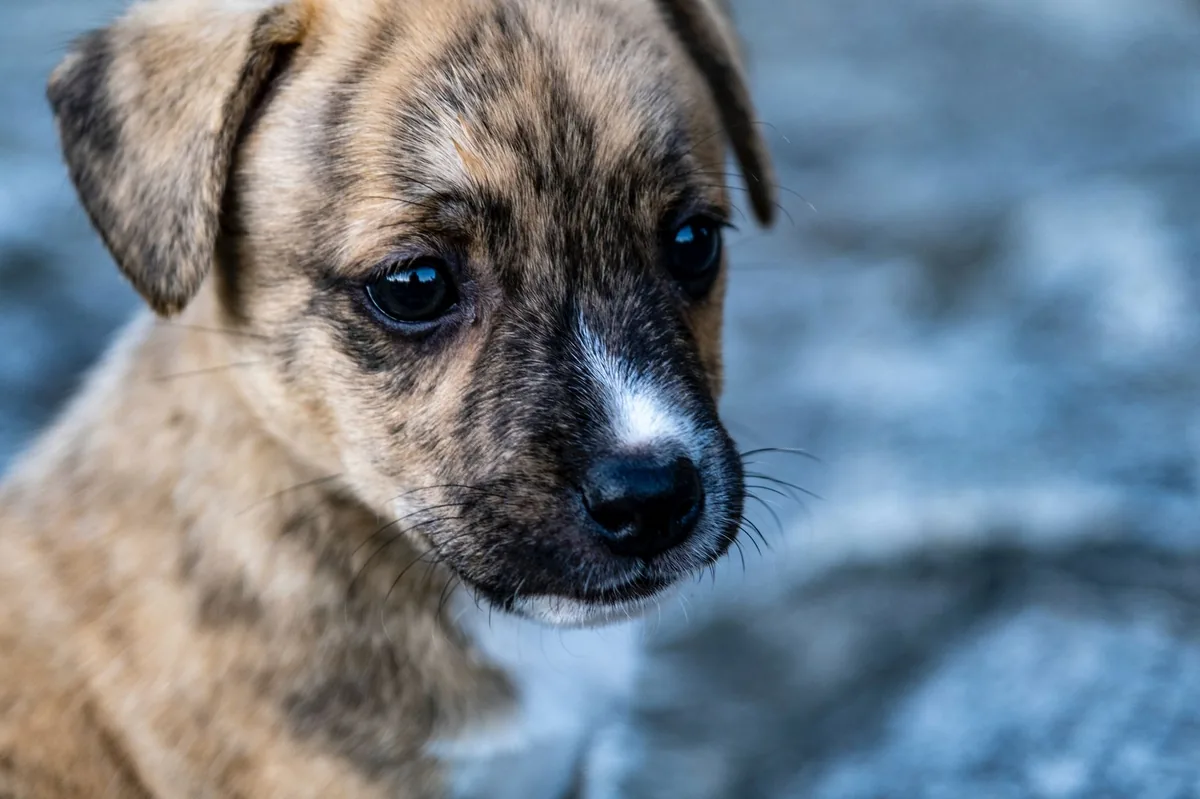
It’s 11 p.m., and you’ve just noticed your 8‑week‑old puppy, Bella, isn’t nursing and has a weak, watery discharge from her nose. Your heart races as you scroll through search results, hoping for a quick answer. The panic you feel is normal—viral infections can look scary, but most owners discover that early detection and proper care make a huge difference.
We’ve seen dozens of owners in a similar spot: a sudden onset of nasal or genital discharge, a fever, or a sudden loss of appetite. The good news is that canine herpesvirus (CHV) is usually manageable in adult dogs, and with the right steps you can protect newborns and breeding bitches.
In this guide we’ll explain what CHV is, how it spreads, what signs to watch for, how vets confirm the diagnosis, treatment options and costs, and practical ways to keep your whole household safe.
What is canine herpesvirus?
Canine herpesvirus (CHV) is a DNA virus belonging to the Herpesviridae family, specifically the Varicellovirus genus. Like the human herpes viruses that cause cold sores, CHV establishes a lifelong presence in the host after the initial infection. In most adult dogs the virus remains dormant and causes only mild, transient respiratory or genital signs. However, in newborn puppies—especially those under two weeks old—the virus can cause severe, often fatal, systemic disease.
Studies from the American Veterinary Medical Association (AVMA) and the Merck Veterinary Manual estimate that up to 70 % of adult dogs have been exposed to CHV, though only a small fraction develop clinical illness. The virus is considered ubiquitous worldwide, affecting both purebred and mixed‑breed dogs.
What causes it?
CHV spreads primarily through direct contact with infected secretions—saliva, nasal discharge, genital fluids, or tears. The virus can also be transmitted via contaminated objects (fomites) such as food bowls, bedding, or grooming tools. In breeding environments, the virus can pass from a dam to her puppies during birth or through nursing.
- Direct dog‑to‑dog contact: Nose‑to‑nose greetings, play biting, or licking.
- Maternal transmission: Infected bitches shed virus in the birth canal and can infect puppies during delivery or nursing.
- Fomites and environment: Shared bowls, blankets, or grooming instruments that have not been disinfected.
Signs and symptoms
CHV presents differently depending on the dog’s age and immune status. Below is a quick guide to what you might notice.
| Stage | Typical signs |
|---|---|
| Mild (adult dogs) | Transient nasal discharge, mild fever, temporary eye redness, brief genital swelling. |
| Moderate (young adults, stressed dogs) | Persistent coughing, sneezing, conjunctivitis, reduced appetite, lethargy lasting several days. |
| Severe (newborn puppies) | Profuse nasal and ocular discharge, cyanosis of gums, rapid breathing, failure to nurse, sudden death within 24‑48 h. |
Early signs in puppies often include a weak suckle reflex and a thin, watery discharge from the nose or eyes. In adult dogs, the virus may cause only a brief, cold‑like episode that resolves without treatment. However, any sudden fever, loss of appetite, or unexplained discharge warrants closer attention.
When to call your vet
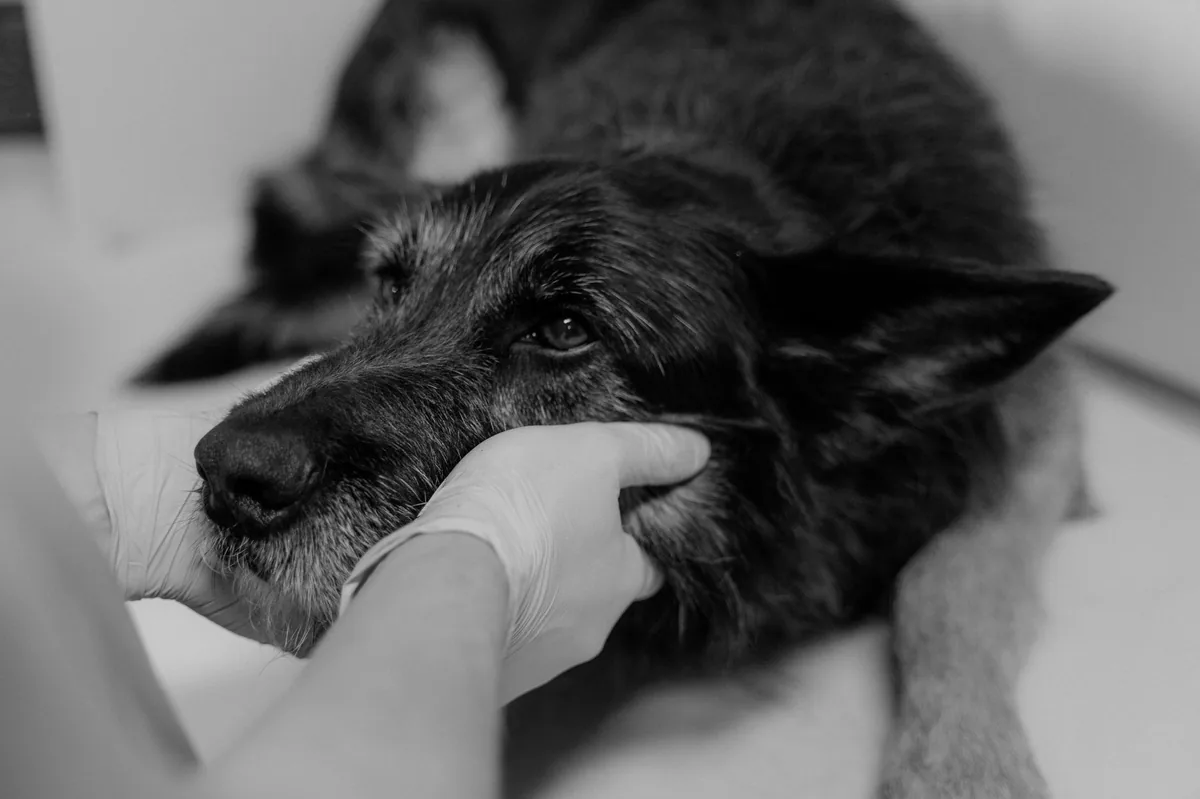
Call your vet today if you notice:
- Any nasal or ocular discharge that lasts more than 48 hours.
- Fever (temperature above 103 °F/39.4 °C) or loss of appetite in an adult dog.
- Signs of distress in a newborn puppy—especially failure to nurse, weak suckle reflex, or rapid breathing.
Go to an emergency veterinary hospital right now if:
- Puppies show cyanotic gums, severe lethargy, or stop breathing.
- Adult dogs develop sudden collapse, severe vomiting, or uncontrolled bleeding.
This article is for informational purposes only and does not replace a hands‑on veterinary exam.
How vets diagnose it
Diagnosis starts with a thorough history—recent exposure to other dogs, breeding status, and vaccination records. The physical exam focuses on the respiratory and genital tracts and checks for fever or dehydration.
Laboratory confirmation usually involves one of three tests:
- Polymerase chain reaction (PCR): Detects CHV DNA in nasal, ocular, or genital swabs. PCR is highly sensitive and is the gold‑standard test recommended by the American College of Veterinary Internal Medicine (ACVIM).
- Virus isolation: Grows the virus in cell culture. It’s accurate but slower and less commonly used.
- Serology: Measures antibodies in the blood. A rising titer can indicate recent infection, though many adult dogs already have baseline antibodies.
Treatment options
Medical treatment
There is no cure for CHV, but antivirals and supportive medicines can reduce severity.
- Antivirals: Drugs such as famciclovir or acyclovir are sometimes prescribed for severe cases, especially in newborns. Your vet will tailor the dose to your dog’s weight and condition.
- Antibiotics: Secondary bacterial infections are common after viral damage; broad‑spectrum antibiotics (e.g., amoxicillin‑clavulanate) may be used.
- Anti‑inflammatory agents: Non‑steroidal anti‑inflammatory drugs (NSAIDs) can help control fever and discomfort, but only after ruling out kidney issues.
Always ask your vet about the specific medication, its expected benefits, and any side‑effects.
Supplements and supportive care
While supplements won’t clear the virus, they can bolster recovery:
- Omega‑3 fatty acids (EPA/DHA): Reduce inflammation in the respiratory tract.
- Vitamin C and E: Antioxidants that may help the immune system, especially in stressed puppies.
- Probiotics: Support gut health if the dog has been on antibiotics.
These should be introduced only after discussing with your vet, as dosage and product quality matter.
Procedures or surgery
CHV rarely requires surgery. In severe neonatal cases, intensive care—including oxygen therapy, fluid support, and sometimes plasma transfusion—may be needed. The goal is to keep the puppy stable while the immune system clears the virus.
Diet and nutrition
Nutrition plays a pivotal role in recovery, especially for puppies and nursing bitches. While there is no CHV‑specific prescription diet, feeding strategies that support the immune system and reduce stress are beneficial.
Key principles:
- Highly digestible protein: Helps newborns build tissue and provides the amino acids needed for immune function. Choose a high‑quality puppy formula or a senior diet with at least 22 % protein if the dog is older.
- Moderate fat: Provides energy without overloading the liver. Omega‑3 enriched kibble or a small amount of fish oil can be added under veterinary guidance.
- Limited simple carbs: Excess sugars can promote bacterial overgrowth in the gut, especially after antibiotics.
- Frequent, small meals: For sick puppies, offering milk replacer or a bland diet (boiled chicken and rice) every 2‑3 hours keeps energy up.
- Hydration: Dehydration worsens fever. Offer fresh water, or for very sick puppies, subcutaneous fluids as directed by your vet.
| Do feed | Limit | Avoid |
|---|---|---|
| High‑quality puppy or senior kibble, boiled chicken, rice, fish oil (under vet advice) | Rich, fatty treats, excessive cheese, bone broth with high salt | Raw meat with unknown pathogens, high‑sugar snacks, dairy (if lactose intolerant) |
When transitioning back to a regular diet after recovery, do so gradually over 5–7 days to avoid gastrointestinal upset. For breeding bitches, a gestation‑specific diet (often labeled “high‑calorie” or “reproductive”) can support the demands of pregnancy and lactation while also providing immune‑boosting nutrients.
Cost and prognosis
Costs vary widely based on geography, severity, and required care:
- Diagnostic workup: PCR testing $120–$250 (US), £90–£180 (UK).
- Hospitalization (neonatal ICU): $500–$1,500 per day in the US, €400–€1,200 per day in the EU.
- Antiviral medication: $30–$80 for a typical 7‑day course.
- Supportive care (fluids, oxygen): $150–$400 per visit.
For adult dogs with mild disease, most recover fully within 1–2 weeks with minimal expense. Neonatal cases have a mortality rate of 50–80 % if untreated, but early intensive care can improve survival to 30–50 %.
Prevention and home care
Because CHV is highly contagious, especially in breeding facilities, prevention hinges on hygiene and careful management:
- Isolation: Keep newly whelped puppies separate from adult dogs for at least the first two weeks.
- Disinfection: Clean all surfaces, bowls, and bedding with diluted bleach (1 % solution) or veterinary‑approved disinfectants after each use.
- Breeding protocol: Test breeding dogs for CHV antibodies; select seronegative bitches when possible. The American Kennel Club (AKC) recommends a pre‑breeding health screen that includes CHV serology.
- Vaccination: No commercial vaccine is approved for CHV in the United States or Europe. Some experimental vaccines exist but are not widely available. Therefore, management practices are the primary defense.
- Stress reduction: Limit overcrowding, avoid sudden temperature changes, and provide a calm environment to keep the immune system strong.
Regular wellness exams (including a check for CHV antibodies in breeding dogs) and a balanced diet go a long way toward keeping the virus at bay.
From our vet team: “If you catch CHV early—especially in a newborn—you can make the difference between life and loss. Simple steps like hand washing, isolating the litter, and staying on top of vet appointments are often enough to prevent an outbreak.”
Key takeaways
- Canine herpesvirus is common, usually mild in adults, but can be fatal for newborn puppies.
- Transmission occurs via saliva, nasal, genital secretions, and contaminated objects; incubation is 3–7 days.
- Early signs include nasal or ocular discharge, fever, and loss of appetite; severe cases in puppies show rapid breathing and failure to nurse.
- Diagnosis relies on PCR testing, virus isolation, or serology; treatment is supportive, with antivirals sometimes used.
- No approved vaccine exists—prevention focuses on hygiene, isolation of litters, and careful breeding management.
- Costs range from a few hundred dollars for mild adult cases to over a thousand for intensive neonatal care; prognosis is good for adults but guarded for newborns.
Myth vs. fact
Myth: CHV only affects puppies.
Fact: While newborns are most vulnerable, adult dogs can contract CHV and experience respiratory or genital symptoms.
Myth: There’s a widely available vaccine for CHV.
Fact: No commercial vaccine is approved in the US, UK, or EU; prevention relies on management and hygiene.
Myth: If an adult dog looks fine, it can’t spread the virus.
Fact: Dogs can shed CHV even when asymptomatic, especially during stress or after breeding.
Frequently asked questions
What does canine herpesvirus look like in a dog?
CHV usually causes mild, cold‑like signs such as nasal discharge, sneezing, and temporary eye redness in adult dogs; in puppies it can present as severe respiratory distress, watery eyes, and failure to nurse.
Can my dog recover from canine herpesvirus without medication?
Many adult dogs clear the virus on their own with supportive care like rest and hydration; however, puppies often need antiviral drugs and intensive supportive therapy to survive.
How contagious is canine herpesvirus to other dogs?
The virus spreads easily through direct contact with secretions and contaminated objects; an infected dog can shed CHV for weeks, making isolation and sanitation crucial.
Are there any vaccines available for canine herpesvirus?
Currently, no commercial vaccine is approved in the United States, United Kingdom, or European Union. Experimental vaccines exist but are not widely accessible, so management practices remain the main preventive tool.
What is the typical cost of treating canine herpesvirus in a dog?
Diagnostic PCR tests range from $120–$250, antiviral medications $30–$80, and intensive neonatal care can exceed $1,000 per day. Adult cases that need only supportive care usually cost a few hundred dollars.
Can pregnant bitches pass canine herpesvirus to their puppies?
Yes. Infected dams can shed CHV during birth and through nursing, leading to potentially fatal infection in newborns. Testing and strict hygiene are essential for breeding programs.
Ask the PuppaDogs community
Have a question this article didn’t fully answer? Want to compare notes with other dog owners who’ve been through this? Our community forum is moderated by experienced owners and vets — and answers tend to come fast. Ask in the PuppaDogs community →
References
- American Veterinary Medical Association (AVMA). “Canine Herpesvirus Overview.” AVMA Guidelines, 2023.
- Merck Veterinary Manual. “Herpesvirus Infections, Canine.” 12th edition, 2022.
- American College of Veterinary Internal Medicine (ACVIM). “Consensus Statement on Viral Diagnostics.” 2021.
- American Animal Hospital Association (AAHA). “Infection Control and Prevention in Veterinary Settings.” 2022.
- World Small Animal Veterinary Association (WSAVA). “Vaccination and Immunization Recommendations.” 2023.
- Cornell University College of Veterinary Medicine. “Canine Herpesvirus: Clinical Signs and Management.” 2022.
- UK Kennel Club. “Breeding Health Screening Recommendations.” 2023.
- UC Davis School of Veterinary Medicine. “Herpesvirus in Dogs – Diagnosis and Treatment.” 2021.


