











Quick take: Blindness in dogs means the eyes can’t detect light or form images at all, unlike partial vision loss where a dog may still see shapes or movement. It can stem from age, genetics, disease, or injury. Early signs are subtle—bumps, hesitancy, or changes in behavior—so watch closely. While some causes are treatable, many are permanent; however, with proper care, blind dogs can live happy, safe lives.
It’s 9 p.m., and you’re standing in the kitchen watching your golden retriever, Milo, stumble into the cabinet door that’s usually open. He pauses, ears perk up, then backs away as if something invisible blocked his path. Your heart races, and you wonder: “Is he going blind?” You’ve Googled a few symptoms, but the answers are a swirl of medical jargon and scary headlines.
First, breathe. Vision loss in dogs can be frightening, but it’s also manageable. In most cases, the condition is either progressive (like cataracts) or sudden (like trauma), and the steps you take now—recognizing early signs, getting a prompt veterinary exam, and adapting your home—make a huge difference in Milo’s quality of life.
In this guide, we’ll explain what blindness in dogs really means, explore why it happens, list the signs you can spot at home, and walk you through diagnosis, treatment options, costs, and practical tips for keeping a blind pup safe and happy.
What is blindness in dogs?
Blindness in dogs is the complete loss of visual perception—meaning the eyes cannot sense light or form images. It is different from partial vision loss, where a dog may still see shapes, movement, or light but has reduced clarity. Total blindness can be congenital (present at birth) or acquired later in life. The condition is relatively uncommon compared to partial vision problems, but it does affect dogs of any age, especially as they age.
According to the American College of Veterinary Ophthalmologists (ACVO), about 5 % of dogs develop significant visual impairment by age 10, and roughly half of those progress to full blindness. The exact prevalence varies by breed and underlying cause.

What causes blindness in dogs?
Blindness can arise from a variety of genetic, age‑related, disease‑related, or traumatic factors. Below is a quick overview of the main categories.
| Cause | Typical Onset | Notes |
|---|---|---|
| Genetic / Breed‑related | Birth to young adulthood | Progressive retinal atrophy (PRA) and congenital cataracts are common in breeds like Labrador Retrievers, Poodles, and Cocker Spaniels. |
| Age‑related degeneration | Middle‑aged to senior dogs | Senile cataracts and nuclear sclerosis develop gradually, especially in large breeds. |
| Diseases | Variable | Diabetes (causing cataracts), glaucoma, retinal detachment, optic nerve hypoplasia, and infectious agents (e.g., canine ehrlichiosis, heartworm disease) can all lead to blindness. |
| Injury / Trauma | Sudden | Penetrating eye wounds, severe head trauma, or chemical burns can destroy the retina or optic nerve. |
| Systemic conditions | Variable | High blood pressure, immune‑mediated diseases, and certain cancers can affect the eye’s structures. |
Understanding the underlying cause is essential because it determines whether vision can be restored, slowed, or simply managed.
Signs and symptoms
Dogs can’t tell you they can’t see, so you’ll need to read their behavior. Early signs are often subtle, while severe signs become unmistakable.
| Stage | Behavioral clues |
|---|---|
| Mild | Hesitation near familiar obstacles, bumping into furniture, increased reliance on scent, “bouncing” off walls. |
| Moderate | Reluctance to go outside, difficulty navigating stairs, loss of eye‑tracking response to moving objects, “pacing” in circles. |
| Severe | Complete avoidance of obstacles, panic when startled, inability to locate food or water bowl, vocalizing when approaching unknown objects. |
Other clues include a sudden change in sleep patterns, loss of interest in play, and a pronounced startle response when someone or something approaches from behind.
When to call your vet
Call your vet today if you notice any of the mild or moderate signs above—especially bumping into furniture, hesitancy on stairs, or a sudden change in behavior. Early evaluation can identify reversible causes such as cataracts from diabetes.
Go to an emergency veterinary clinic right now if your dog experiences a sudden eye injury (e.g., a puncture wound, chemical exposure, or severe head trauma) or shows signs of acute pain (e.g., squinting, tearing, or pawing at the eye).
This article is for informational purposes only and does not replace a hands‑on veterinary exam. If you suspect vision loss, please contact your veterinarian promptly.
How vets diagnose blindness in dogs
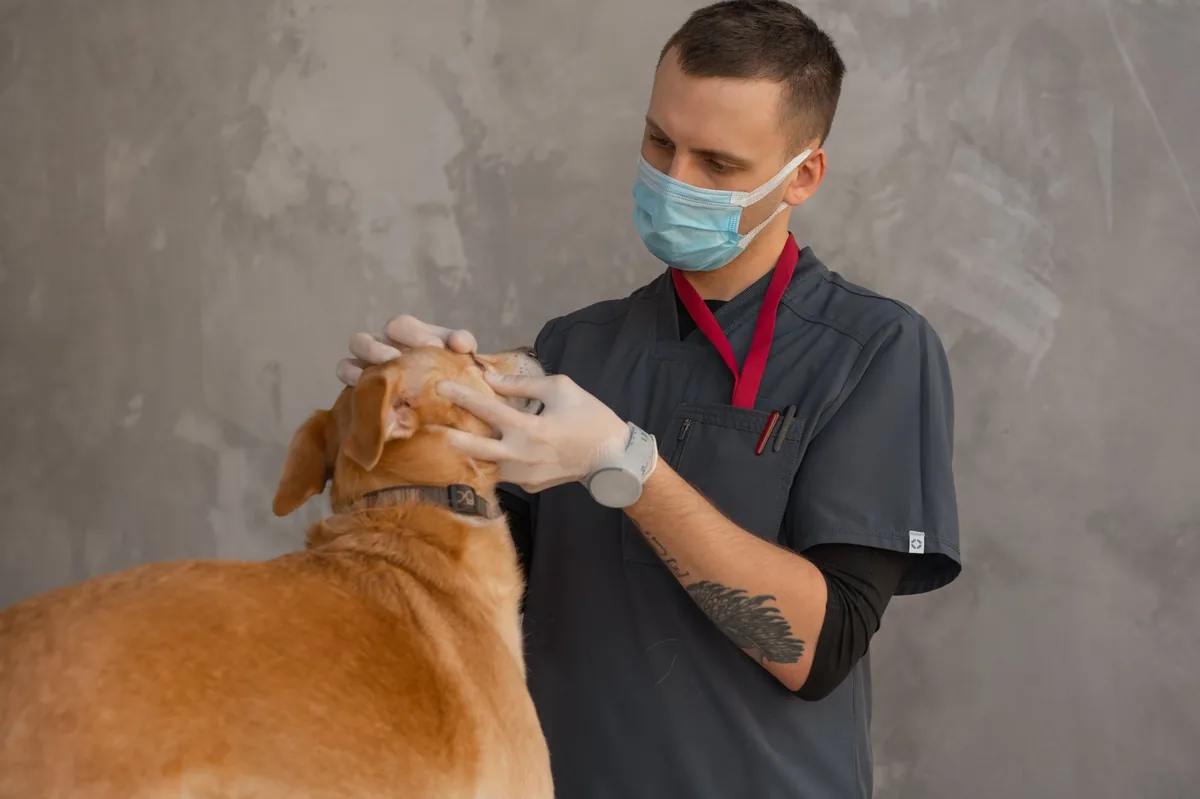
Diagnosis begins with a thorough history—when the signs started, any known injuries, and underlying health conditions. The physical eye exam includes:
- Ophthalmic examination: Using a slit‑lamp microscope to look at the cornea, lens, and retina.
- Electroretinography (ERG): Measures the electrical response of the retina to light; a flat response indicates retinal degeneration.
- Ocular ultrasound: Helps visualize structures behind the lens, useful for detecting retinal detachment.
- Fundic photography: Takes pictures of the back of the eye for later comparison.
- Blood tests: Screen for diabetes, infections, or systemic diseases that could affect vision.
Advanced imaging like MRI or CT may be recommended if an optic nerve lesion or brain tumor is suspected.
Treatment options
Medical treatment
When blindness is caused by disease rather than structural loss, medications can sometimes restore or preserve vision. Common drug classes include:
- Anti‑inflammatory agents: Corticosteroids (e.g., prednisolone) to reduce optic nerve swelling. Ask your vet about this option.
- Glaucoma meds: Topical prostaglandin analogs (e.g., latanoprost) to lower intra‑ocular pressure. Ask your vet about this option.
- Antibiotics/antiparasitics: For infections such as Ehrlichia or heartworm disease that can affect the eye. Ask your vet about this option.
- Insulin therapy: Tight blood‑glucose control in diabetic dogs can prevent cataract progression. Ask your vet about this option.
Success rates vary. For example, cataract surgery in diabetic dogs can restore vision in 85 % of cases when the disease is well‑controlled (AAHA 2022 guidelines).
Supplements and supportive care
While supplements won’t reverse structural blindness, they can support overall eye health and reduce inflammation:
- Omega‑3 fatty acids (EPA/DHA): Anti‑inflammatory, may help with retinal health.
- Antioxidants (vitamin E, lutein, zeaxanthin): Support retinal cells, especially in breeds prone to progressive retinal atrophy.
- Probiotics: Maintain gut health, which indirectly influences immune‑mediated eye conditions.
Always discuss supplement choices with your vet, as excessive doses can cause gastrointestinal upset.
Procedures or surgery
When the underlying cause is structural, surgery may be the best option:
- Cataract extraction (phacoemulsification): Removes the cloudy lens and often replaces it with an artificial intra‑ocular lens. Recovery typically takes 4–6 weeks; cost ranges $2,000–$4,500 (US) or £1,500–£3,200 (UK).
- Retinal detachment repair: Rare but possible in trauma cases; involves vitrectomy and laser retinopexy. Costs can exceed $5,000.
- Glaucoma drainage surgery: Creates a new pathway for fluid drainage; success rates around 70 % for pressure control.
Even if surgery isn’t feasible, many dogs adapt remarkably well with proper environmental modifications.
Diet and nutrition
Nutrition plays a supportive role in eye health, especially for dogs with progressive diseases or systemic conditions that affect vision. While no single diet can restore sight, choosing foods that reduce oxidative stress and support overall health can improve quality of life.
Key principles:
- High‑quality protein: Provides the amino acids needed for retinal cell maintenance. Look for named animal proteins (e.g., chicken, fish) as the first ingredient.
- Omega‑3 fatty acids: EPA and DHA from fish oil or algae help dampen inflammation and support retinal membranes.
- Antioxidant‑rich ingredients: Blueberries, carrots, and spinach add lutein, zeaxanthin, and vitamin E, which protect photoreceptors from oxidative damage.
- Controlled glucose: For diabetic dogs, a low‑glycemic diet helps stabilize blood sugar and may slow cataract formation.
- Limited sodium: Reduces the risk of hypertension‑related eye issues.
Prescription therapeutic diets are available for specific conditions:
| Diet type | Goal | Typical ingredients |
|---|---|---|
| Renal support | Lower phosphorus and protein to ease kidney load, indirectly protecting the eye. | Reduced‑protein kibble with omega‑3s, antioxidants. |
| Diabetic management | Maintain stable blood glucose. | Low‑glycemic carbs, high fiber, moderate fat. |
| Senior formula | Support overall organ function and vision. | Added DHA, glucosamine, joint‑support nutrients. |
When transitioning to a new diet, do it gradually over 7–10 days: mix 25 % new food with 75 % old food, then increase the new portion each few days. This helps prevent gastrointestinal upset, which can be stressful for a blind dog already adapting to new routines.
Hydration is also crucial. Encourage fresh water daily, and consider adding a little low‑sodium broth to kibble for extra moisture.
Cost and prognosis
Financial considerations are a real part of managing blindness. Below are typical cost ranges (US USD, UK GBP) for common interventions. Prices can vary by region, clinic, and insurance coverage.
| Service | Estimated cost (US) | Estimated cost (UK) |
|---|---|---|
| Initial ophthalmic exam + ERG | $200–$400 | £150–£300 |
| Cataract surgery (phacoemulsification) | $2,000–$4,500 | £1,500–£3,200 |
| Glaucoma drainage implant | $1,500–$3,000 | £1,200–£2,500 |
| Long‑term medication (e.g., steroids, glaucoma drops) | $30–$100 per month | £25–£80 per month |
| Supplements (omega‑3, antioxidants) | $20–$50 per month | £15–£40 per month |
Pet insurance often covers a portion of surgical costs, especially if the condition is diagnosed early. Review your policy’s ophthalmology exclusions; many plans have a separate “eye” limit.
Prognosis depends on cause. Reversible conditions (e.g., diabetic cataracts) have a good outlook with treatment, while genetic retinal degenerations are usually permanent. Even permanent blindness, however, rarely shortens lifespan if the dog’s overall health is maintained.
Prevention and home care
While you can’t prevent every cause—especially genetic ones—several proactive steps reduce risk:
- Schedule regular eye exams, especially for breeds prone to retinal atrophy (e.g., Labrador Retrievers, Poodles).
- Keep your dog at a healthy weight to lessen the chance of diabetes.
- Use flea and tick preventives recommended by the AAHA to avoid vector‑borne infections that can affect the eyes.
- Protect eyes from trauma: avoid rough play with sticks or toys that could strike the face, and keep chemicals (cleaners, lawn treatments) out of reach.
- Provide antioxidant‑rich treats (e.g., blueberry‑infused biscuits) as a tasty supplement to diet.
For dogs already blind, a safe environment is key:
- Consistent layout: Keep furniture in the same place; avoid moving items around.
- Non‑slip flooring: Use rubber mats on slippery tiles or hardwood.
- Clear pathways: Remove cords, toys, and clutter from walkways.
- Use tactile cues: Place a low‑profile rug at stair entrances, or a textured mat at the doorway so the dog knows when it’s approaching a change in level.
- Verbal cues: Speak calmly and use consistent commands (“left,” “right,” “stop”) to guide movement.
Enrich your blind dog’s life with scent‑based toys, audio toys, and gentle interactive games. A favorite choice is a soft, squeaky plush that releases a consistent sound, encouraging play without visual cues.
Vet’s note
From our vet team: “A blind dog’s world is still full of texture, scent, and sound. By maintaining a predictable routine, providing high‑quality nutrition, and staying on top of any treatable eye disease, you give your pup the best chance to thrive. Never underestimate the power of a calm voice and a gentle hand—those are the tools that help a blind dog feel safe.”
Key takeaways
- Blindness means total loss of visual perception; partial vision loss is still possible and may be reversible.
- Early signs include bumping into furniture, hesitancy on stairs, and increased reliance on scent.
- Prompt veterinary evaluation (exam, ERG, imaging) can identify treatable causes like cataracts or infection.
- Medical, surgical, and supportive options exist, but success varies by underlying cause.
- Maintain a consistent, clutter‑free environment and use tactile cues to keep a blind dog safe and confident.
- High‑quality protein, omega‑3s, and antioxidants support overall eye health; discuss any supplements with your vet.
Myth vs. fact
Myth: All blind dogs become depressed and stop playing.
Fact: Most blind dogs adapt quickly, especially with scent‑based toys and regular exercise; they often remain playful and affectionate.
Myth: Blindness always means a poor prognosis and a short life.
Fact: Vision loss itself rarely shortens lifespan; many dogs live full, happy lives with proper care.
Myth: Surgery can always restore sight.
Fact: Surgical success depends on the cause; cataract removal works well for diabetic dogs, but retinal degenerations are usually irreversible.
Frequently asked questions
What are the early signs of blindness in dogs?
Early signs include bumping into familiar objects, hesitation on stairs, increased reliance on scent, and a “bouncing” behavior when approaching walls. A sudden change in confidence while walking can also indicate vision loss.
How is blindness in dogs diagnosed by a vet?
Vets perform a comprehensive eye exam, use an electroretinogram (ERG) to test retinal function, and may order ocular ultrasound or MRI to view deeper structures. Blood work helps identify systemic diseases that affect the eyes.
Can blindness in dogs be treated or cured?
Some causes, like cataracts from diabetes or infections, can be treated and may restore vision. Genetic retinal atrophy, however, is permanent. Even when vision cannot be returned, supportive care allows dogs to live comfortably.
What is the typical cost of treating blindness in dogs?
Costs range widely: an initial ophthalmic exam and ERG may cost $200–$400, cataract surgery $2,000–$4,500, and ongoing medication $30–$100 per month. Insurance often covers part of surgical expenses, but it’s wise to check policy limits for eye care.
Which dog breeds are most prone to blindness?
Breeds with known hereditary eye disorders include Labrador Retrievers, Poodles, Cocker Spaniels, and Siberian Huskies (prone to progressive retinal atrophy). Large breeds also develop age‑related cataracts more frequently.
How can I make my home safe for a blind dog?
Keep furniture in the same place, use non‑slip mats, clear walkways of cords and toys, and add textured rugs at stairs. Consistent verbal cues and scent‑based toys help a blind dog navigate confidently.
Ask the PuppaDogs community
Have a question this article didn’t fully answer? Want to compare notes with other dog owners who’ve been through this? Our community forum is moderated by experienced owners and vets — and answers tend to come fast. Ask in the PuppaDogs community →
References
- American College of Veterinary Ophthalmologists (ACVO). “Canine Vision and Blindness.” 2023.
- American Animal Hospital Association (AAHA). “Guidelines for Diagnosis and Management of Canine Cataracts.” 2022.
- Merck Veterinary Manual. “Blindness in Dogs.” Updated 2024.
- World Small Animal Veterinary Association (WSAVA). “Ocular Diseases in Dogs.” 2023.
- American Veterinary Medical Association (AVMA). “Diabetes Mellitus in Dogs – Ocular Complications.” 2022.
- Veterinary Ophthalmology, Gelatt, 7th Edition. Elsevier, 2021.
- Cornell University College of Veterinary Medicine. “Progressive Retinal Atrophy (PRA) in Dogs.” 2023.
- Royal College of Veterinary Surgeons (RCVS). “Glaucoma Management in Dogs.” 2022.
- Pet Insurance Review. “Average Ophthalmology Coverage Limits.” 2024.


