
















Quick take: Kidney failure in dogs causes a buildup of urea, which shows up as excess urea in the urine. Early signs include increased thirst, frequent urination, and dull gums; prompt veterinary care can slow progression, and dietary changes are the cornerstone of long‑term management.
It’s 11 p.m., the house is quiet, and your senior golden‑retriever, Max, isn’t greeting you at the door like she usually does. She’s lying on her side, eyes half‑closed, and you notice her gums look a little paler than usual. A quick Google search later, you read about “excess urea in a dog’s urine” and wonder if her kidneys are failing. You’re not alone—many owners notice subtle changes before the disease becomes obvious.
Kidney failure and the resulting excess urea in the urine can feel overwhelming, but understanding what’s happening, what to watch for, and how to act can make a huge difference. In this article we’ll explain the condition, list the signs, walk through how vets diagnose it, outline treatment and diet options, discuss costs, and share practical steps to help prevent further damage.
Whether you’re reading this in the middle of the night or during a routine wellness visit, our goal is to give you clear, actionable information so you can feel confident caring for your dog.
What is kidney failure in dogs?
Kidney failure, also called renal failure, occurs when the kidneys can no longer filter waste products—especially urea—out of the blood efficiently. Urea is a by‑product of protein metabolism; when the kidneys work properly, it is removed in the urine. In kidney failure, urea accumulates in the bloodstream (a condition known as azotemia) and spills over into the urine, often in higher concentrations than normal.
Kidney disease is common in senior dogs. The American College of Veterinary Internal Medicine (ACVIM) estimates that up to 30 % of dogs over 10 years have some degree of chronic kidney disease (CKD). Acute kidney injury (AKI) can affect dogs of any age, often after toxin exposure, severe dehydration, or infection.
What causes kidney failure?
Kidney problems arise from a mix of genetic, environmental, and age‑related factors. The main categories are:
- Age‑related degeneration: As dogs age, nephrons (the functional units of the kidney) naturally decline, making older dogs more prone to chronic disease.
- Inherited or breed predispositions: Certain breeds—such as the Shar‑Pei, Bull Terrier, and Miniature Schnauzer—carry genetic mutations that affect kidney function.
- Toxins and infections: Ingestion of antifreeze (ethylene glycol), certain medications (e.g., NSAIDs in high doses), and severe bacterial infections can trigger acute kidney injury.
- Other medical conditions: Diabetes, high blood pressure, and urinary tract obstructions can all damage the kidneys over time.
| Cause category | Examples | Typical onset |
|---|---|---|
| Age‑related degeneration | Chronic kidney disease (CKD) | Gradual, years |
| Breed/genetic factors | Polycystic kidney disease in Shih Tzus | Early adulthood to senior |
| Toxins & infections | Ethylene glycol, leptospirosis | Hours to days |
| Concurrent diseases | Diabetes mellitus, hypertension | Variable |
Signs and symptoms
Kidney disease often starts subtly. Recognizing early signs can prompt a vet visit before irreversible damage occurs.
| Stage | Early / Mild | Moderate | Severe |
|---|---|---|---|
| Typical signs | Increased thirst (polydipsia), frequent urination (polyuria), slight weight loss | Vomiting, decreased appetite, dull or pale gums, mild lethargy | Severe lethargy, vomiting with blood, dehydration, seizures, coma |
| Urine changes | Clear, increased volume | Dark, concentrated urine; higher urea concentration | Foamy or blood‑tinged urine; possible urinary incontinence |
Because many of these signs overlap with urinary tract infections (UTIs) or gastrointestinal upset, it’s easy to misinterpret them. However, if you notice a combination of increased thirst, frequent urination, and a change in gum color or energy level, it’s time to investigate kidney function.
When to call your vet
Call your vet today (non‑emergency):
- Increased thirst or urination lasting more than 24 hours.
- Noticeable weight loss or reduced appetite.
- Gum color that looks pale, gray, or yellowish.
- Vomiting or mild diarrhea that persists beyond a day.
Go to an emergency clinic right now:
- Vomiting blood or severe, persistent vomiting.
- Sudden collapse, seizures, or unresponsiveness.
- Profound dehydration (dry gums, skin tenting).
- Difficulty breathing or a rapid heart rate.
These guidelines are for information only and do not replace a hands‑on veterinary exam. If you’re ever unsure, a quick call to your vet’s office can help you decide.
How vets diagnose kidney failure
Diagnosing kidney disease involves a combination of history, physical exam, and laboratory tests.
- Blood work: A complete blood count (CBC) and chemistry panel measure blood urea nitrogen (BUN) and creatinine—two key waste markers. Elevated BUN and creatinine, together with a low blood phosphorus, point toward reduced kidney filtration.
- Urinalysis: This test evaluates specific gravity (how concentrated the urine is), protein levels, and the presence of blood or crystals. Low urine specific gravity despite dehydration suggests the kidneys can’t concentrate urine.
- Imaging: Ultrasound or X‑rays assess kidney size, shape, and any structural abnormalities such as cysts or blockages.
- Staging: The International Renal Interest Society (IRIS) stages CKD from 1 (mild) to 4 (end‑stage) based on creatinine levels and other parameters. Staging guides treatment intensity.
All of these tests are typically performed in a single visit, and your vet will use the results to create a tailored plan.
Treatment options
Medical treatment
Medical management focuses on slowing disease progression, controlling symptoms, and maintaining quality of life.
- Fluid therapy: Subcutaneous or intravenous fluids replace lost water and help flush excess urea. Your vet will decide the appropriate type and frequency.
- Phosphate binders: Drugs such as aluminum hydroxide or sevelamer reduce phosphorus absorption, easing the kidneys’ workload. Ask your vet about this option.
- Antihypertensives: If high blood pressure is present, ACE inhibitors (e.g., enalapril) or angiotensin‑II blockers (e.g., telmisartan) are commonly used.
- Antiemetics: Medications like maropitant or ondansetron can control nausea and vomiting.
- Antibiotics: If a secondary bacterial infection is identified, appropriate antibiotics are prescribed.
Supplements and supportive care
Evidence‑based supplements can complement medical therapy:
- Omega‑3 fatty acids (EPA/DHA): These reduce inflammation and may improve kidney blood flow. Look for a high‑quality fish‑oil supplement formulated for dogs.
- Potassium gluconate: Some dogs develop low potassium; supplementation should be guided by blood tests.
- Probiotics: Strains such as Enterococcus faecium support gut health, which can be compromised by uremic toxins.
Procedures or surgery
In acute cases caused by obstruction, surgical removal of the blockage (e.g., ureteral stones) can restore urine flow. For end‑stage CKD, dialysis (hemodialysis or peritoneal dialysis) is an option at specialty centers, though it is costly and requires intensive monitoring. Kidney transplantation is rarely performed in the U.S. and is limited to a few referral hospitals.

Diet and nutrition
Nutrition is the most powerful tool you have for managing kidney disease. A kidney‑supportive diet reduces the workload on the kidneys while providing enough calories to prevent weight loss.
- High‑quality, highly digestible protein: Moderate protein (around 18‑22 % of calories) limits nitrogenous waste while still preserving muscle mass.
- Reduced phosphorus: Lower phosphorus intake helps control secondary hyperparathyroidism. Look for foods formulated with “restricted phosphorus” or consult your vet for a home‑cooked regimen.
- Controlled sodium: Limiting salt helps manage blood pressure and reduces fluid retention.
- Increased omega‑3 fatty acids: As noted, EPA/DHA can reduce inflammation.
- Added antioxidants: Vitamin E and selenium may help counter oxidative stress, but only under veterinary guidance.
Commercial therapeutic diets (e.g., renal‑support formulas) meet these criteria without the need for precise home‑cooking. If you prefer a homemade approach, a typical recipe might include boiled chicken breast, white rice, and a small amount of cottage cheese, supplemented with a veterinarian‑approved omega‑3 oil.
| Food category | Do feed | Limit | Avoid |
|---|---|---|---|
| Protein sources | Cooked chicken, turkey, or lean beef (moderate amounts) | High‑fat meats, organ meats | Raw bones (risk of phosphorus spikes) |
| Carbohydrates | White rice, sweet potato, oatmeal | Whole‑grain breads (high phosphorus) | Grains with added salt or sugar |
| Fats & oils | Fish oil (EPA/DHA), small amounts of olive oil | Excessive vegetable oil | Butter or lard |
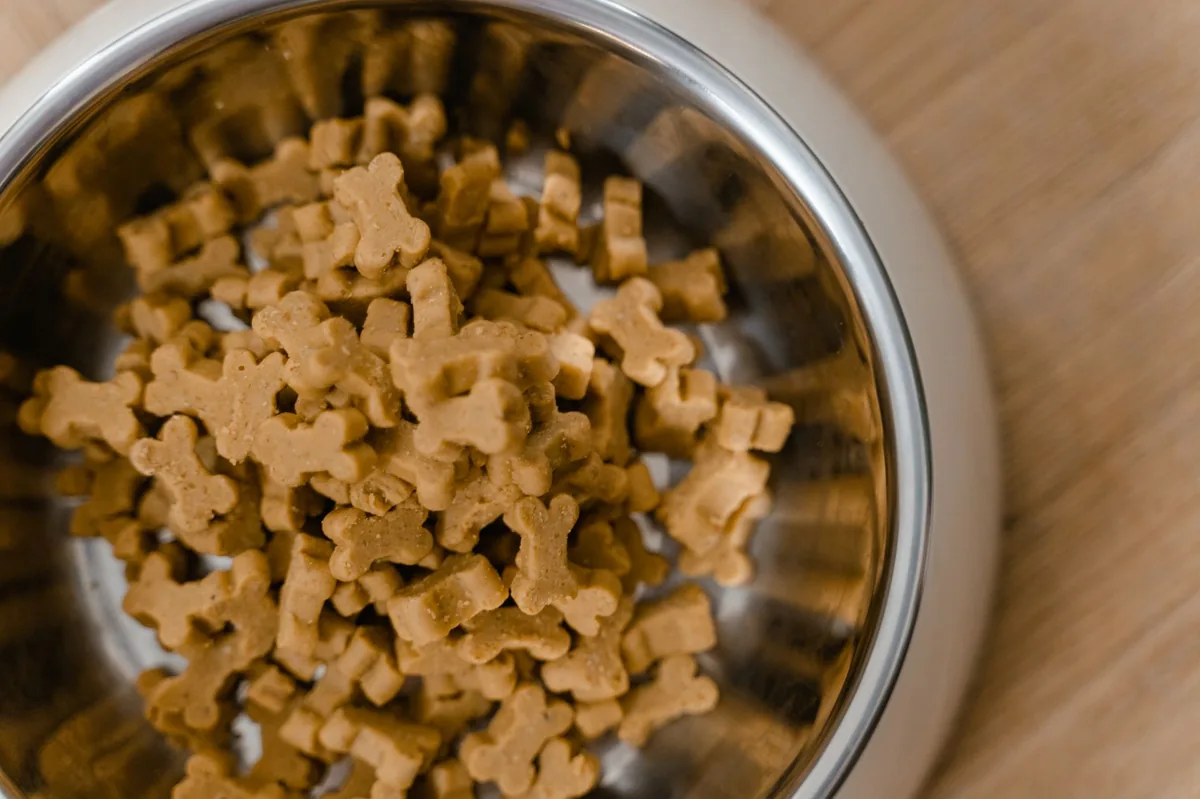
| Treats | Low‑phosphorus commercial kidney treats | Cheese, processed snacks | Bone broth (high phosphorus) |
Transition to a new diet gradually over 7‑10 days, mixing increasing amounts of the kidney‑supportive food with the old diet. This helps prevent gastrointestinal upset. Always provide fresh water; adequate hydration helps the kidneys flush urea.
For a quick estimate of daily calorie needs, try our dog calorie calculator. Adjust portions based on your dog’s weight and activity level.
Cost and prognosis
Financial considerations often influence treatment choices. Below are typical cost ranges (average US and UK figures; exact numbers vary by clinic, region, and severity).
| Service | US (USD) | UK (GBP) |
|---|---|---|
| Initial blood work & urinalysis | $150‑$300 | £80‑£150 |
| Routine follow‑up (every 3‑6 months) | $100‑$200 | £60‑£120 |
| Subcutaneous fluid therapy (in‑clinic) | $30‑$70 per session | £20‑£45 |
| Dialysis (specialty center) | $2,000‑$5,000 per treatment | £1,500‑£4,000 |
| Prescription renal diet (monthly supply) | $40‑$80 | £30‑£70 |
| Euthanasia & hospice care | $200‑$500 | £150‑£400 |
Prognosis depends on stage at diagnosis. Dogs diagnosed in early stages (IRIS 1‑2) often live several years with proper diet and fluid management. In end‑stage disease (IRIS 4), quality of life becomes the primary focus, and many owners opt for hospice care. Your veterinarian will discuss realistic expectations based on your dog’s individual health.
Prevention and home care
While you can’t stop aging, you can reduce the risk of kidney disease with a few simple habits:
- Regular wellness exams: Blood work and urinalysis every 6‑12 months for dogs over 7 years can catch early changes.
- Hydration: Keep fresh water available at all times; consider a pet water fountain to encourage drinking.
- Safe diet: Feed a balanced, low‑phosphorus diet and avoid excessive treats high in salt or phosphorus.
- Toxin avoidance: Store antifreeze, household cleaners, and certain human medications out of reach. Use only vet‑approved flea and tick preventives.
- Weight management: Obesity strains the kidneys; maintain a healthy body condition score (BCS) with regular exercise.
At home, you can monitor your dog’s water intake (roughly 50‑60 ml per pound of body weight per day) and watch for changes in urination frequency. A simple “gum check”—pressing the gum to see if it returns to pink within a few seconds—can help you gauge hydration.
From our vet team: Early detection is the single most powerful factor in extending a kidney‑diseased dog’s life. If you notice any of the subtle signs—extra thirst, a change in urine volume, or a shift in gum color—call your vet today. Even if the disease is already moderate, fluid therapy, diet, and the right medications can keep your companion comfortable for months or years.
Key takeaways
- Excess urea in urine signals reduced kidney function; early signs include increased thirst, frequent urination, and pale gums.
- Blood work, urinalysis, and imaging are the standard diagnostic trio; staging guides treatment intensity.
- Fluid therapy, phosphate binders, and kidney‑supportive diets are the cornerstones of medical management.
- Regular wellness checks, proper hydration, and a low‑phosphorus diet are the best preventive measures.
- Costs vary widely—from routine labs to expensive dialysis—but many dogs thrive on diet and medical therapy alone.
- When in doubt, call your vet; rapid intervention can dramatically improve quality of life.
Myth vs. fact
Myth: Kidney failure always means a short life expectancy.
Fact: Early‑stage kidney disease can be managed for years with diet, fluids, and medication, allowing many dogs to live full, happy lives.
Myth: High‑protein diets worsen kidney disease.
Fact: Dogs need high‑quality protein; the key is moderate amounts of digestible protein, not elimination.
Myth: Dialysis is the only option for severe kidney failure.
Fact: While dialysis can extend life, most owners manage end‑stage disease with hospice care, fluid therapy, and a therapeutic diet.
Frequently asked questions
What are the common symptoms of kidney failure in dogs?
Common signs include increased thirst and urination, loss of appetite, weight loss, vomiting, and dull or pale gums. Early changes are often subtle, so any combination of these warrants a veterinary check.
Can excess urea in a dog’s urine be treated at home?
Home care can support treatment—providing plenty of fresh water, feeding a renal‑support diet, and offering prescribed supplements—but definitive treatment requires veterinary supervision, especially if fluids or medication are needed.
How quickly does kidney failure progress in senior dogs?
Progression varies; some dogs remain stable for years after early diagnosis, while others may decline over months. Regular monitoring helps your vet adjust the plan to slow progression.
What dietary changes help lower urea levels in dogs?
Feeding a diet with moderate, high‑quality protein, reduced phosphorus and sodium, and added omega‑3 fatty acids can lessen urea buildup. Prescription renal diets are formulated for this purpose.
Is dialysis an option for dogs with renal failure?
Dialysis is available at specialty centers and can be life‑saving for acute kidney injury, but it is expensive and requires intensive care. Many owners opt for medical management and hospice care instead.
Which dog breeds are most at risk for kidney disease?
Breeds with known predispositions include the Shar‑Pei, Bull Terrier, Miniature Schnauzer, and Shih Tzu. However, any breed can develop kidney disease, especially as they age.
Ask the PuppaDogs community
Have a question this article didn’t fully answer? Want to compare notes with other dog owners who’ve been through this? Our community forum is moderated by experienced owners and vets — and answers tend to come fast. Ask in the PuppaDogs community →
References
- American College of Veterinary Internal Medicine (ACVIM) – IRIS Staging Guidelines for Chronic Kidney Disease in Dogs, 2023.
- American Animal Hospital Association (AAHA) – Guidelines for Management of Chronic Kidney Disease, 2022.
- Merck Veterinary Manual – Renal Failure in Dogs, 2024 edition.
- Cornell University College of Veterinary Medicine – Canine Chronic Kidney Disease Overview, accessed 2024.
- UC Davis Veterinary Medicine – Dietary Management of Renal Disease in Dogs, 2023.
- World Small Animal Veterinary Association (WSAVA) – Consensus on Treatment of Canine Renal Disease, 2022.
- American Veterinary Medical Association (AVMA) – Fluid Therapy in Dogs with Renal Failure, 2023.
- International Renal Interest Society (IRIS) – Kidney Disease Staging and Recommendations, 2023.


