














Quick take: Inability to urinate in dogs is a medical emergency that usually means a blockage or severe urinary tract problem. Call your veterinarian right away—if your dog can’t pass any urine at all, head to an emergency clinic immediately. Early treatment improves the chance of a full recovery.
It’s 11 p.m., the house is quiet, and your usually‑energetic Boxer is sitting by the front door, eyes fixed on the hallway rug. She’s tried to lift her leg, whined, and then just lay down, looking uncomfortable. You notice her belly feels firm and her gums are a pale pink. The thought that something is seriously wrong flashes through your mind, and you start Googling “why can’t my dog pee?”
That feeling of panic is exactly why we wrote this guide. Inability to urinate—also called urinary retention or blockage—can develop in minutes and become life‑threatening fast. The good news is that with prompt veterinary care most dogs recover well. Below we’ll walk through what’s happening inside your dog’s body, how to spot the warning signs, what you can do right now, and how to prevent a repeat episode.
We’ll cover common causes, diagnostic steps, treatment options, cost considerations, diet tips, and prevention strategies. By the end you’ll know exactly what to look for, when to act, and how to support your dog’s urinary health long‑term.
What is inability to urinate in dogs?
Inability to urinate, medically termed urinary retention, means the bladder cannot empty either partially or completely. This can happen because something blocks the urethra—the tube that carries urine out of the body—or because the muscles that push urine are not functioning properly.
While occasional hesitancy can be normal, a true blockage is an emergency. In dogs, urinary retention is less common than urinary infections, but when it occurs it often requires urgent intervention to avoid kidney damage, bladder rupture, or life‑threatening electrolyte imbalances.
What causes it?
Several underlying problems can lead to a urinary blockage. The most frequent causes fall into three categories: physical obstructions, muscular or nerve issues, and disease‑related changes.
- Physical obstructions: urinary stones (ureteral or bladder calculi), urethral plugs made of mucus and cells, tumors of the bladder or urethra, and severe swelling from trauma or inflammation.
- Muscular or nerve dysfunction: spinal cord injury, congenital urethral abnormalities, or severe muscle weakness (often seen in older dogs or those with neurological disease).
- Systemic disease: advanced kidney disease, severe dehydration, or certain cancers that compress the urinary tract.
Signs and symptoms
Dogs can’t tell us they’re struggling, so you’ll need to watch for subtle cues. Early signs often mimic a mild urinary infection, while severe blockage shows up quickly.
| Stage | Typical signs |
|---|---|
| Early / mild | Frequent trips to the door, small amounts of urine, straining, licking the genital area. |
| Moderate | Visible discomfort, a firm or swollen abdomen, pale gums, reduced appetite, occasional dribbling. |
| Severe / emergency | Complete inability to pass urine, a very firm bladder, vomiting, lethargy, rapid breathing, dark or bloody urine if a rupture occurs. |
When to call your vet
Call your regular vet today if your dog shows any of the early or moderate signs—straining, frequent trips, or a slightly swollen belly. Explain the symptoms, and ask for an urgent appointment.
Go to an emergency veterinary hospital right now if you notice any of these red‑flag signs:
- Zero urine output for more than a few hours.
- Severe abdominal swelling or a hard “ball” that feels like a full bladder.
- Vomiting, rapid breathing, or collapse.
- Blood in the urine or a very dark, tea‑colored urine.
This information is for educational purposes only and is not a substitute for professional veterinary care. If any red‑flag signs appear, seek emergency care immediately.
How vets diagnose it
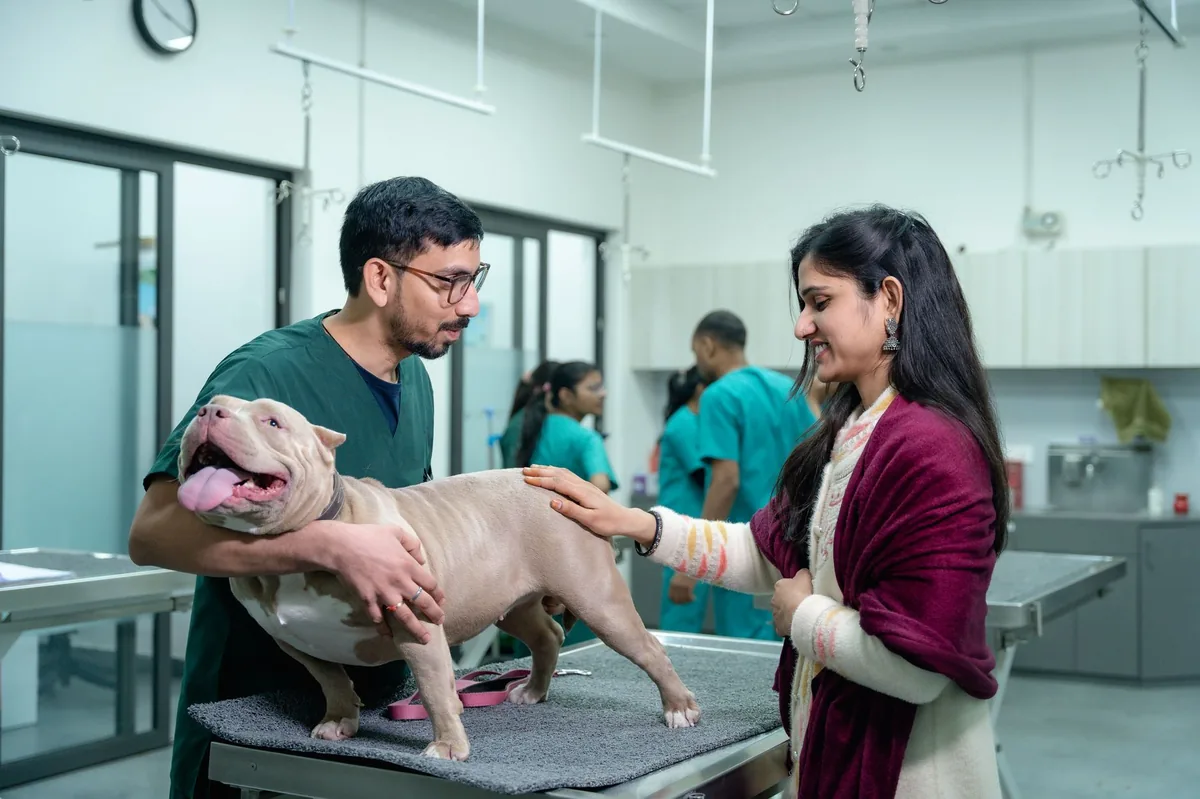
Veterinarians start with a thorough history and physical exam, focusing on the abdomen, genital area, and any recent changes in drinking or urination.
Key diagnostic tools include:
- Blood work (CBC, chemistry panel) to assess kidney function, electrolyte balance, and signs of infection.
- Urinalysis to check for crystals, blood, bacteria, or pH abnormalities.
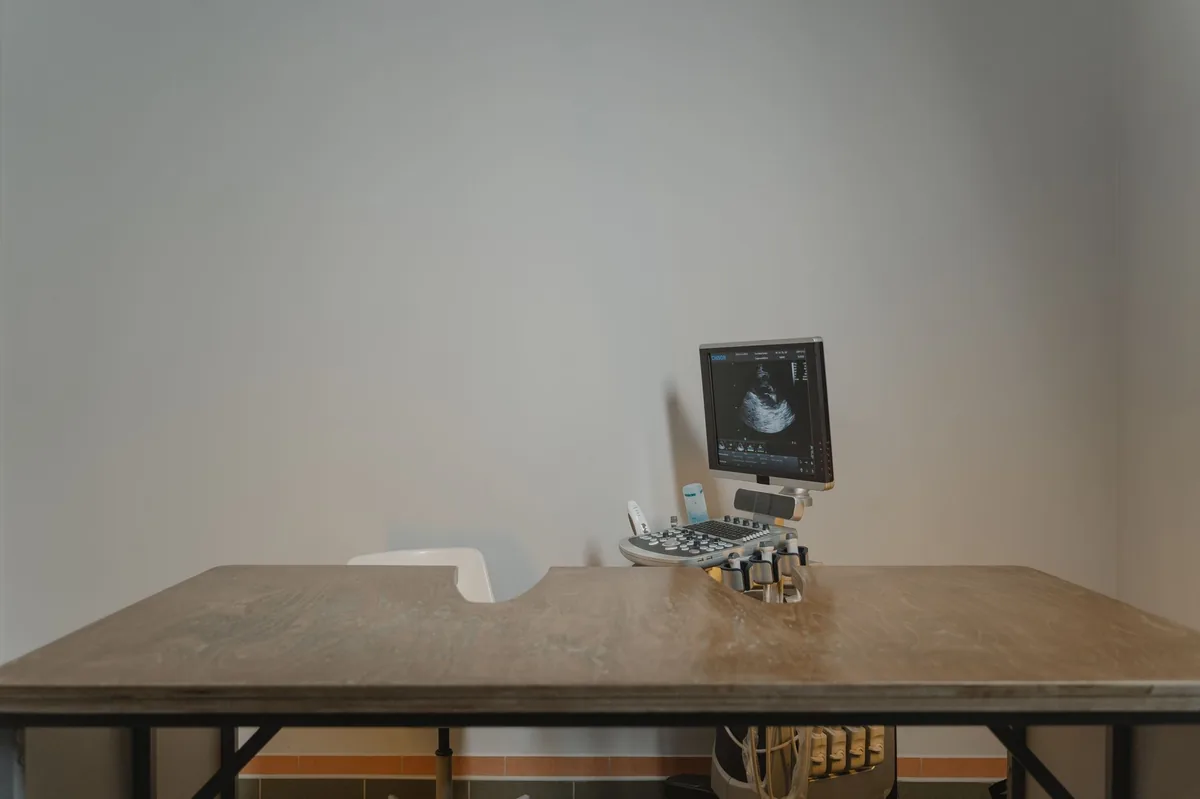
- Imaging: abdominal X‑rays can reveal stones or bladder distention; ultrasound offers a clearer view of soft‑tissue masses and can guide needle aspiration.
- Cystoscopy (a tiny camera inserted into the urethra) may be used for precise identification of a blockage, especially if stones or tumors are suspected.
- Catheter trial: attempting to pass a urinary catheter can both relieve an obstruction and confirm its presence.
Treatment options
Once a blockage is confirmed, the goal is to restore urine flow, manage pain, and treat any underlying cause.
Medical treatment
Initial medical therapy often includes:
- Catheterization: a sterile urinary catheter is placed to drain the bladder and relieve pressure.
- Fluid therapy: IV fluids correct dehydration and restore electrolyte balance.
- Pain control: NSAIDs such as carprofen or opioids like tramadol are commonly used—ask your vet about these options.
- Antibiotics if a secondary infection is present (e.g., amoxicillin‑clavulanic acid).
- Urolitholysis agents (e.g., potassium citrate) may be prescribed if stones are identified and are dissolvable.
Supplements and supportive care
While supplements cannot replace medical treatment, they can aid recovery and help prevent future stones. Consider:
- Omega‑3 fatty acids (EPA/DHA) to reduce inflammation in the urinary tract.
- Probiotics (e.g., Enterococcus faecium) to support a healthy gut microbiome, which can influence urinary health.
- Vitamin B‑complex for overall metabolic support during recovery.
- Urethral stent placement—a tiny metal mesh tube keeps the urethra open, commonly used for recurrent blockages.
- Urolith removal via cystotomy (opening the bladder) or ureteroscopy, especially for large or hard stones.
- Tumor resection if a neoplastic growth is identified.
- High‑moisture diets: wet foods or adding water to kibble increase urine volume, which helps flush out crystals.
- Balanced calcium and phosphorus: excessive calcium can promote certain stone types; a diet formulated to meet AAFCO standards keeps these minerals in check.
- Controlled magnesium and oxalate: for dogs prone to calcium oxalate stones, lower‑magnesium diets are advisable.
- Moderate protein: high‑quality, easily digestible protein reduces nitrogen waste that can crystallize.
- Excessive dry kibble without ample water—dry diets can concentrate urine.
- High‑salt treats that increase calcium excretion.
- Human foods rich in oxalates (spinach, beet greens) for dogs with a history of calcium oxalate stones.
- Offer fresh water at all times; consider a pet water fountain to encourage drinking.
- Divide daily food into two or three meals to avoid large, infrequent intakes that can concentrate urine.
- When switching to a new therapeutic diet, transition over 7‑10 days—mix increasing amounts of the new food with decreasing amounts of the old.
- Emergency evaluation (exam, bloodwork, urinalysis): US $150‑$300 (UK £80‑£200).
- Imaging (X‑ray $80‑$150, ultrasound $200‑$350).
- Catheter placement in an emergency clinic: US $250‑$500.
- Surgical removal of stones or tumor: US $2,000‑$5,000 depending on length of stay and anesthesia.
- Urethral stent: US $1,500‑$3,000.
- Hydration: Encourage water intake by providing fresh water daily, using a fountain, and adding water or low‑sodium broth to meals.
- Regular urinalysis: Yearly check‑ups (or more often for at‑risk breeds) can catch early crystal formation before stones develop.
- Weight management: Overweight dogs are more prone to urinary stones; keep your dog at a healthy body condition score.
- Exercise: Regular activity promotes healthy bladder emptying and reduces the chance of mucus plugs.
- Watch for signs: Keep an eye on changes in urination frequency, effort, or accidents inside the house—early detection makes treatment easier.
- Inability to urinate is an emergency; seek veterinary care immediately if your dog shows no urine output or a hard, swollen belly.
- Common causes include urinary stones, urethral plugs, tumors, and spinal injuries.
- Early signs are frequent trips, straining, and small urine volumes; severe signs include complete blockage and vomiting.
- Diagnosis involves blood work, urinalysis, imaging, and possibly catheter trials or cystoscopy.
- Treatment ranges from catheter drainage and fluids to surgery or urethral stents, with costs from a few hundred to several thousand dollars.
- Prevent future blockages with plenty of water, a balanced diet, regular vet checks, and weight management.
- American Animal Hospital Association (AAHA) 2023 Guidelines for Emergency and Critical Care.
- American College of Veterinary Internal Medicine (ACVIM) Consensus Statement on Canine Urinary Stones, 2022.
- Merck Veterinary Manual, “Urinary Tract Obstruction” chapter.
- American Veterinary Medical Association (AVMA) Veterinary Emergency Guidelines, 2023.
- World Small Animal Veterinary Association (WSAVA) Nutritional Recommendations for Dogs, 2021.
- UC Davis Veterinary Medicine, “Canine Urinary Health” resource.
- AKC Breed Health Survey, 2022 – data on breed predisposition to urinary obstruction.
- Veterinary Drug Handbook (Plumb), sections on analgesics and antibiotics for urinary emergencies.
- AAFP (American Academy of Family Physicians) guidelines on pet emergency care, 2023.
Always discuss supplement use with your vet to ensure they won’t interfere with prescribed medications.
Procedures or surgery
If the blockage cannot be cleared with a catheter, surgical intervention may be required:
Post‑operative recovery typically involves a short hospital stay (1‑3 days), pain medication, and a gradual return to normal activity. Costs vary widely; see the cost section for estimates.
Diet and nutrition
Nutrition plays a pivotal role in preventing urinary stones and reducing the risk of blockages. The right diet helps keep urine dilute, maintains a healthy pH, and supplies nutrients that support bladder health.
Foods to favor
Foods to limit or avoid
Prescription therapeutic diets
Many veterinary nutrition companies offer “urinary health” formulas designed to produce a low‑specific‑gravity urine and maintain a pH that discourages stone formation. These diets are not breed‑specific but are often recommended for dogs with a history of bladder stones or recurrent blockages. Examples include renal‑support or urinary‑care lines—ask your vet which one fits your dog’s needs.
Feeding schedule and transition
For dogs recovering from a blockage, a bland, easily digestible diet (e.g., boiled chicken and rice) for 24‑48 hours can reduce gastrointestinal stress before re‑introducing regular food.
| Dietary component | Do feed | Limit | Avoid |
|---|---|---|---|
| Moisture | Wet food, water‑added kibble | Dry kibble alone | None |
| Calcium | AAFCO‑balanced | High‑calcium treats | Bone meal supplements |
| Magnesium | Moderate levels | Excessive magnesium | Magnesium‑rich supplements |
| Oxalates | Low‑oxalate foods | Spinach, beet greens | None |
Cost and prognosis
The price of treating urinary retention varies widely based on severity, required diagnostics, and whether surgery is needed.
Overall, owners can expect a total emergency bill of roughly US $500‑$1,200 if the blockage is resolved with catheterization alone, and $2,500‑$6,000 for surgical cases.
Prognosis is good when treatment is prompt. Dogs that receive timely decompression of the bladder often return to normal urination within days. Delayed care can lead to bladder rupture, kidney failure, or fatal electrolyte disturbances, which worsen the outlook.
Prevention and home care
Preventing urinary blockages focuses on maintaining adequate hydration, monitoring diet, and regular veterinary check‑ups.
Vet’s note
From our vet team: “If your dog can’t pee, treat it like a heart attack—act fast. Even if you’re not sure whether it’s a stone or a plug, the first step is to get professional help. Most blockages can be cleared, and early intervention dramatically improves the chance of a full recovery.”
Key takeaways
Myth vs. fact
Myth: “All dogs with urinary problems have infections.” Fact: Not all urinary issues are infections; blockages, stones, and tumors can cause similar symptoms without bacterial involvement.
Myth: “If my dog drinks a lot of water, they won’t get stones.” Fact: While hydration helps, diet composition and genetics also influence stone formation; a balanced diet is essential.
Myth: “Home remedies like feeding apple cider vinegar will dissolve a blockage.” Fact: No home remedy can reliably dissolve a urinary obstruction; professional veterinary treatment is required.
Frequently asked questions
What causes a dog to be unable to urinate?
Most often a physical blockage such as urinary stones, a urethral plug, or a tumor prevents urine flow; less commonly, nerve or muscle problems or severe dehydration can also cause retention.
How can I tell if my dog has a urinary blockage?
Key signs include straining without producing urine, a firm swollen abdomen, pale gums, and signs of pain. If your dog hasn’t urinated for several hours, treat it as an emergency.
Is urinary retention an emergency for dogs?
Yes. A complete blockage can lead to bladder rupture, kidney damage, and life‑threatening electrolyte imbalances within hours, so immediate veterinary care is essential.
What are the treatment options for a dog that can’t pee?
Initial treatment usually involves catheterization and IV fluids. If the blockage doesn’t clear, surgery to remove stones or tumors, or placement of a urethral stent, may be needed.
How much does emergency treatment for urinary blockage cost?
Emergency evaluation and catheter placement typically cost US $500‑$1,200. Surgical removal of stones or tumors can range from US $2,500‑$6,000, depending on the procedure and hospital stay.
Can diet help prevent urinary problems in dogs?
Yes. Diets high in moisture, with balanced calcium, magnesium, and low oxalate levels, help keep urine dilute and reduce stone formation. Prescription urinary‑health foods are often recommended for at‑risk dogs.
Ask the PuppaDogs community
Have a question this article didn’t fully answer? Want to compare notes with other dog owners who’ve been through this? Our community forum is moderated by experienced owners and vets — and answers tend to come fast. Ask in the PuppaDogs community →
References


