













Quick take: Glycogen storage disease (GSD) in dogs is a rare inherited disorder that blocks the liver’s ability to release stored sugar, leading to low blood glucose, liver enlargement, and growth problems. Early signs include weakness, poor appetite, and pale gums. Management hinges on a low‑carbohydrate, frequent‑feeding diet and close veterinary monitoring; the condition is lifelong but many dogs can live comfortably with proper care.
It’s 9 p.m., you’re scrolling through your phone, and your 8‑week‑old golden‑retriever puppy, Milo, keeps stumbling over his own paws. He’s not interested in his usual bowl of kibble, and when you gently press his gums they feel unusually pale. Your heart races—you’ve never seen anything like this, and the word “glycogen” flashes across the screen in a frantic Google search.
First, breathe. You’re not alone; many owners discover GSD when a seemingly healthy puppy suddenly loses energy. In most cases, prompt veterinary care and a tailored diet can stabilize blood sugar and give your dog a good quality of life. Below we break down everything you need to know about glycogen storage disease in dogs: what it is, why it happens, how to spot it, the diagnostic steps, treatment options, costs, and how to prevent it in future litters.
What is glycogen storage disease in dogs?
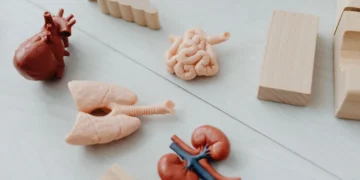
Glycogen storage disease (GSD) is a group of inherited metabolic disorders that affect the way a dog’s liver (and sometimes muscle) stores and releases glycogen—the stored form of glucose. In a healthy dog, glycogen is broken down when blood sugar drops, providing a steady energy supply. In GSD, a missing or faulty enzyme blocks this process, so glucose can’t be released efficiently. The result is low blood sugar (hypoglycemia) and a buildup of glycogen in the liver, which can cause liver enlargement and dysfunction.
Although GSD is rare, several types have been identified in dogs, most notably Type Ia (G6Pase deficiency) and Type III (amylo‑1,6‑glucosidase deficiency). The American College of Veterinary Internal Medicine (ACVIM) notes that these disorders are inherited in an autosomal recessive pattern, meaning both parents must carry a defective gene for a puppy to be affected.
What causes it?
GSD is caused by genetic mutations that impair specific enzymes needed for glycogen breakdown. The main risk factors are:
- Breed predisposition: Certain breeds have higher carrier rates, including Maltese, Miniature Schnauzers, and Australian Terriers.
- Inherited carrier status: Puppies inherit two copies of the mutant gene—one from each parent.
- Age: Clinical signs usually appear in puppies (4‑12 weeks) but can emerge later in some breeds.
| Breed | Relative risk |
|---|---|
| Maltese | High |
| Miniature Schnauzer | Moderate |
| Australian Terrier | Moderate |
| Mixed breeds | Low |
Signs and symptoms
GSD can present differently depending on the dog’s age and the specific enzyme defect. Early signs are often subtle, while later signs indicate more severe metabolic imbalance.
| Severity | Typical signs |
|---|---|
| Mild | Weakness, tremors, reduced appetite, pale gums |
| Moderate | Seizures, failure to thrive, enlarged abdomen from liver swelling |
| Severe | Coma, hypoglycemic crisis, jaundice, severe hepatomegaly |
In puppies, the most common clue is a sudden loss of energy during the first few weeks of life, often after a short fast. In older dogs, especially senior breeds, chronic lethargy and weight loss may be the only hints.
When to call your vet
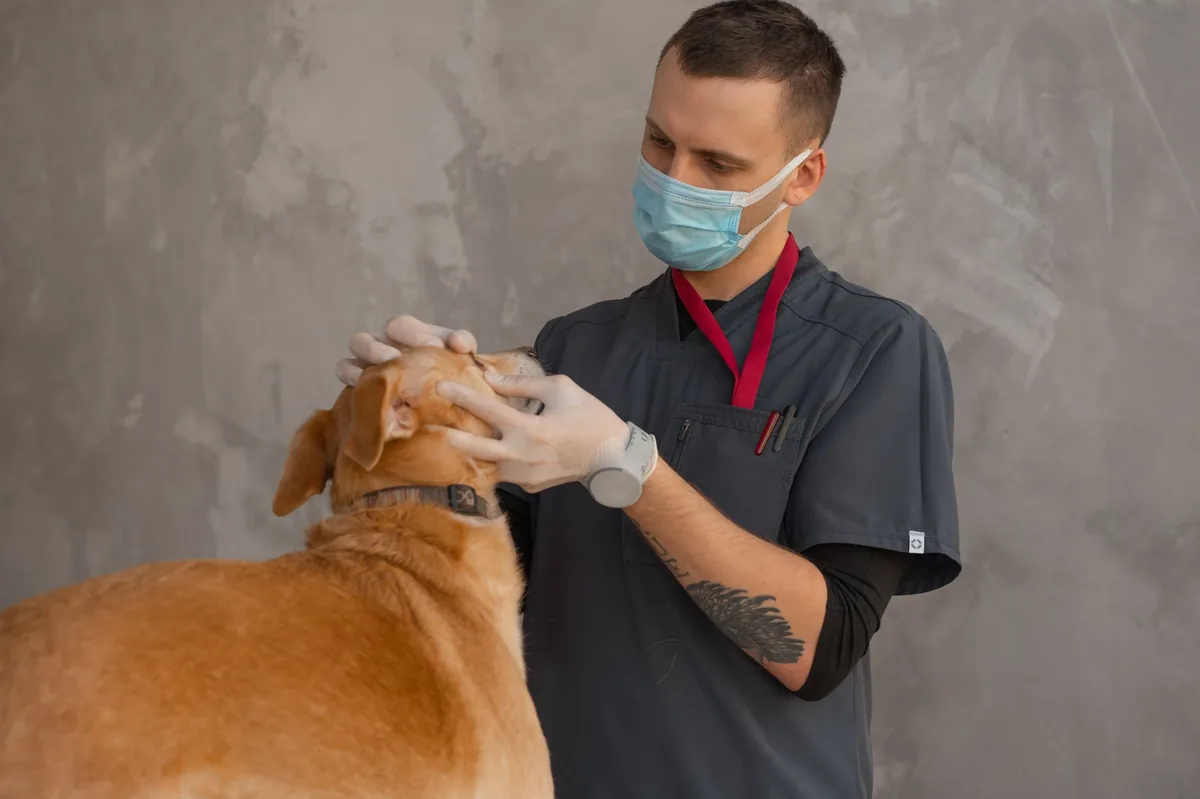
Call your vet today if you notice any of the following:
- Weakness or tremors that don’t improve after a short snack.
- Pale or bluish gums.
- Reduced appetite or failure to gain weight.
- Abdominal swelling or a noticeably enlarged liver.
Go to an emergency veterinary hospital right now if you see:
- Seizures or collapse.
- Unresponsiveness or coma.
- Severe vomiting or diarrhea with signs of dehydration.
These guidelines are for information only and do not replace professional veterinary advice. If you’re ever in doubt, call your vet or an emergency clinic.
How vets diagnose it
Diagnosing GSD involves a stepwise workup:
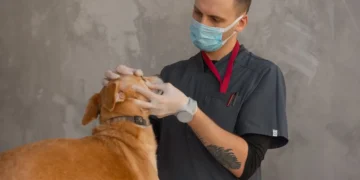
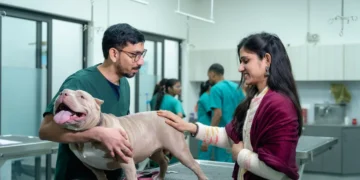
- History and physical exam: Vets will note age, breed, and any episodes of hypoglycemia.
- Blood work: A CBC and serum chemistry panel often reveal low blood glucose, elevated liver enzymes (ALT, AST), and a high triglyceride level. A fasting glucose test helps confirm hypoglycemia.
- Imaging: Abdominal ultrasound can show an enlarged, hyperechoic liver consistent with glycogen accumulation.
- Genetic testing: Commercial labs (e.g., UC Davis) offer DNA tests for known GSD mutations in at‑risk breeds. A positive result confirms the inherited form.
- Liver biopsy (rare): In ambiguous cases, a small sample examined under a microscope can demonstrate glycogen overload.
The American Veterinary Medical Association (AVMA) recommends confirming the diagnosis with genetic testing whenever possible, as it also informs breeding decisions.
Treatment options
Medical treatment
There is no cure for GSD, but medical management can keep blood sugar stable and reduce liver stress. Common therapeutic classes include:
- Glucose supplementation: Oral dextrose solutions or frequent small meals to prevent hypoglycemia.
- Glucocorticoids (e.g., prednisolone): Occasionally used to stimulate gluconeogenesis, but only under veterinary supervision.
- Antioxidants (e.g., vitamin E, selenium): May help protect liver cells from oxidative damage.
Ask your vet about these options; dosing is always weight‑based and tailored to severity.
Supplements and supportive care
Evidence‑based adjuncts can aid recovery:
- Omega‑3 fatty acids (EPA/DHA): Reduce hepatic inflammation and support overall liver health.
- Probiotics: Help maintain gut integrity, especially if the dog experiences intermittent diarrhea.
- Milk thistle (silymarin): May improve liver function, though data are modest; discuss with your vet before starting.
Procedures or surgery
In rare, severe cases where liver failure progresses, a liver transplant is theoretically possible but is not routinely performed in veterinary medicine due to cost, donor availability, and specialist expertise. Most owners focus on medical and dietary management rather than surgery.
Diet and nutrition
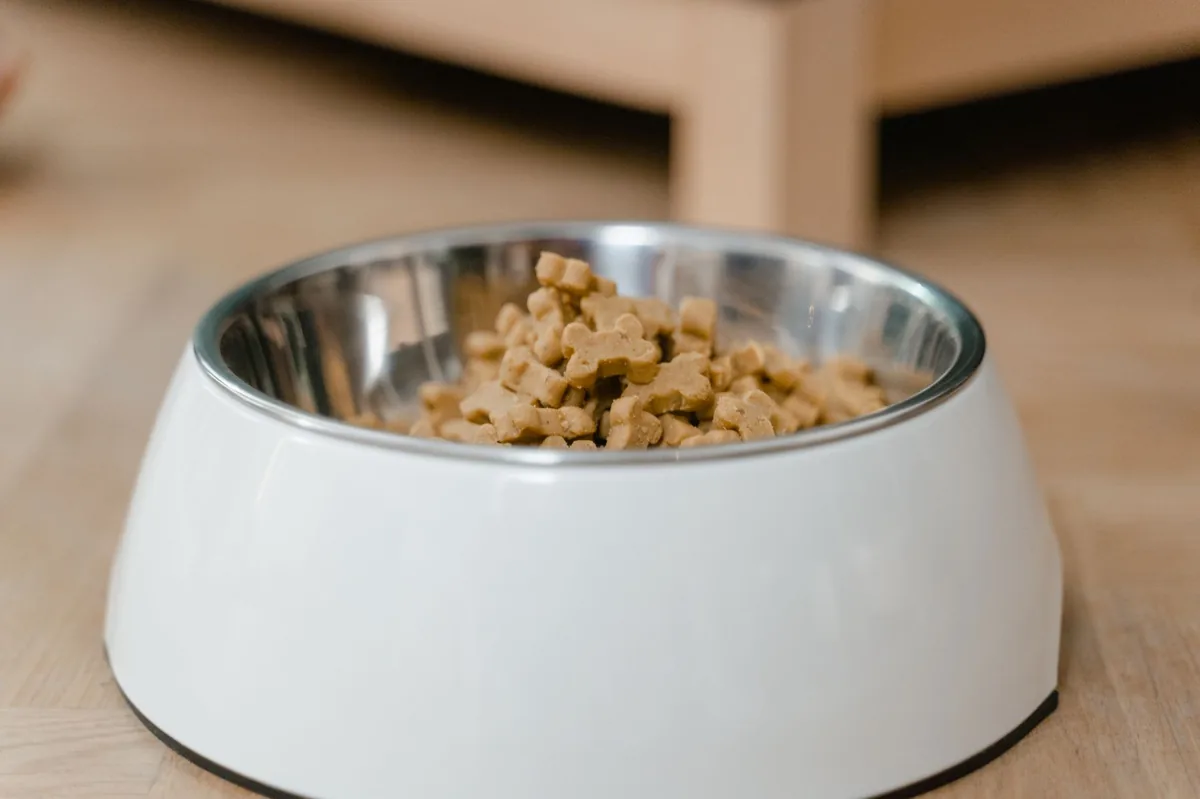
Nutrition is the cornerstone of GSD management. The goal is to provide a steady supply of glucose without overwhelming the liver’s limited glycogen‑processing capacity.
- Frequent, small meals: Feed 4–6 meals per day rather than one or two large meals. This prevents long fasting periods that trigger hypoglycemia.
- Low‑carbohydrate, high‑protein diet: Choose foods where carbohydrates contribute less than 20 % of calories, and protein makes up 30‑40 %.
- Highly digestible protein sources: Chicken, turkey, or lean beef are easier on the liver.
- Complex carbohydrates: If carbs are included, opt for low‑glycemic sources such as sweet potato or pumpkin, which release glucose slowly.
- Fiber: Moderate soluble fiber (e.g., canned pumpkin) can help stabilize glucose absorption.
- Prescription therapeutic diets: Some commercial renal‑style diets are low in carbs and may be appropriate; consult your vet for specific brands.
Foods to avoid include high‑carb kibble, grain‑heavy formulas, and treats rich in sugars or starches. Even seemingly “healthy” human foods like bananas or honey can cause rapid glucose spikes followed by dangerous drops.
| Do feed | Limit | Avoid |
|---|---|---|
| Cooked lean meats, low‑glycemic veggies (sweet potato, green beans) | Small amounts of whole grains | High‑carb kibble, sugary treats, table scraps |
| Omega‑3 oil, probiotic‑enhanced foods | Fruit treats | Bananas, grapes, raisins |
When transitioning to a new diet, do so gradually over 5‑7 days to avoid gastrointestinal upset. Start with 25 % new food mixed with 75 % old, then increase the new food portion each day. Keep fresh water available at all times.
During illness or periods of stress (e.g., surgery, travel), your vet may recommend a high‑calorie oral supplement such as a dextrose‑enriched gel to prevent hypoglycemia.
Cost and prognosis
Because GSD is rare, costs can vary widely. Below are typical expense ranges (estimates, not guarantees):
| Item | US estimate | UK estimate |
|---|---|---|
| Initial blood panel & chemistry | $150–$250 | £120–£200 |
| Abdominal ultrasound | $300–$500 | £250–£400 |
| Genetic test (breed‑specific) | $100–$200 | £80–£150 |
| Long‑term diet (premium low‑carb) | $60–$120/month | £45–£90/month |
| Follow‑up visits (quarterly) | $80–$150 each | £70–£130 each |
Prognosis depends on early detection and strict dietary control. Puppies diagnosed before severe liver damage often live into adulthood with a good quality of life. Older dogs with advanced hepatomegaly may have a guarded prognosis, but aggressive management can still provide months to years of comfortable living.
Prevention and home care
Because GSD is inherited, the most effective prevention is responsible breeding:
- Both parents should be tested for known GSD mutations before breeding.
- Breeders who carry the gene should avoid breeding two carriers together.
- Use reputable breeders who provide health clearances and genetic test results.
For owners of diagnosed dogs, daily home care includes:
- Monitoring weight and appetite; any sudden drop warrants a vet call.
- Checking gums for pallor before and after meals.
- Keeping a schedule of feeding times and snack portions.
- Maintaining a list of emergency contacts, including your nearest 24‑hour veterinary hospital.
Regular re‑checks (every 3‑6 months) help adjust the diet as the dog grows and ensure liver function stays stable. You can use our dog health calculators to track caloric needs and feeding frequency.
Vet’s note
From our vet team: “When a puppy first presents with hypoglycemia, we focus on stabilizing blood sugar immediately—often with a quick‑acting glucose gel—before moving on to diagnostics. The genetic test is a game‑changer; it spares families from costly, invasive procedures when the result is clear. Remember, diet isn’t a cure, but it’s the most powerful tool we have to give these dogs a happy, active life.”
Key takeaways
- Glycogen storage disease blocks the liver’s ability to release stored sugar, causing low blood glucose and liver enlargement.
- Early signs include weakness, pale gums, and poor appetite; seizures signal an emergency.
- Diagnosis relies on blood work, ultrasound, and breed‑specific genetic testing.
- Management centers on frequent, low‑carbohydrate meals, supplemental omega‑3s, and close veterinary monitoring.
- Breeding two carriers can produce affected puppies; genetic testing of parents prevents this.
- Lifetime costs vary, but budgeting for diagnostics, a therapeutic diet, and regular check‑ups will help you plan ahead.
Myth vs. fact
Myth: GSD can be cured with a special supplement.
Fact: There is no cure; supplements can support liver health but cannot correct the underlying enzyme defect.
Myth: Only senior dogs get GSD.
Fact: Most cases appear in puppies, though some breeds may develop milder signs later in life.
Myth: A high‑protein diet will make the liver grow even larger.
Fact: Properly balanced, low‑carb, high‑protein diets actually reduce glycogen buildup and support liver function.
Frequently asked questions
What are the early signs of glycogen storage disease in dogs?
Early signs include sudden weakness, tremors, pale or bluish gums, and a lack of interest in food, especially after a short fast.
How do veterinarians confirm a diagnosis of glycogen storage disease?
Vets combine fasting blood glucose, liver enzyme panels, abdominal ultrasound, and a breed‑specific genetic test to confirm GSD.
Is glycogen storage disease hereditary in dogs?
Yes; GSD is inherited in an autosomal recessive pattern, meaning puppies must receive two copies of the defective gene—one from each carrier parent—to be affected.
What treatments are available for dogs with glycogen storage disease?
Treatment focuses on frequent low‑carb meals, glucose supplementation during crises, and supportive supplements like omega‑3s; medication such as prednisolone may be used under veterinary guidance.
Can diet help control glycogen storage disease symptoms?
Absolutely. A low‑carbohydrate, high‑protein diet given in multiple small meals per day is the most effective way to keep blood sugar stable and limit glycogen buildup.
What is the typical prognosis for a dog diagnosed with glycogen storage disease?
With early detection and strict dietary management, many dogs live a normal‑ish lifespan; prognosis is poorer for dogs with advanced liver disease at diagnosis.
Ask the PuppaDogs community
Have a question this article didn’t fully answer? Want to compare notes with other dog owners who’ve been through this? Our community forum is moderated by experienced owners and vets — and answers tend to come fast. Ask in the PuppaDogs community →
References
- American College of Veterinary Internal Medicine (ACVIM) – Guidelines on inherited metabolic disorders, 2023.
- American Veterinary Medical Association (AVMA) – Genetic testing recommendations for canine inherited diseases, 2022.
- Merck Veterinary Manual – Glycogen Storage Diseases, chapter on canine disorders.
- UC Davis Veterinary Genetics Laboratory – Breed‑specific GSD DNA test information.
- AAHA – Nutritional management of liver disease in dogs, 2021.
- World Small Animal Veterinary Association (WSAVA) – Consensus on hypoglycemia treatment in dogs, 2020.
