







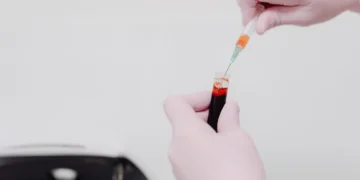








Quick take: Excess iron in the blood—also called hemochromatosis or iron overload—occurs when a dog’s body stores too much iron, usually in the liver, spleen, and bone marrow. It can be life‑threatening if left untreated, but early detection, dietary changes, and chelation therapy often keep dogs comfortable and healthy.
It’s 9 p.m., you’re scrolling through your phone, and your senior mixed‑breed Labrador‑Retriever “Buddy” is lying on the couch, looking unusually pale and sluggish. You notice his gums have a coppery tint and he’s refusing his usual dinner of kibble. Your mind races: “Is this something I can fix at home, or do I need the vet now?” The bottom line is that excess iron can be serious, but most cases are manageable with prompt veterinary care. Below we’ll explain what iron overload is, why it happens, what to look for, how vets confirm the diagnosis, and what you can do at home to keep Buddy thriving.
We’ll walk through the causes, the warning signs, the diagnostic work‑up, treatment options—including diet and chelation drugs—cost expectations, and long‑term prevention tips. By the end you’ll know exactly what questions to ask your vet and how to support a dog with high iron levels.
What is excess iron in the blood in dogs?
Excess iron, medically termed hemochromatosis, means the body’s iron stores have built up beyond what normal metabolism can handle. Iron is an essential mineral that helps make hemoglobin, the protein that carries oxygen in red blood cells. When too much iron accumulates, it deposits in organs—most commonly the liver, but also the spleen, heart, and pancreas—causing tissue damage.
In dogs, hemochromatosis is relatively uncommon but not unheard of. The American College of Veterinary Internal Medicine (ACVIM) estimates that hereditary forms affect fewer than 1 % of the canine population, while acquired cases from diet or chronic disease make up a small but growing fraction, especially in senior dogs.
What causes excess iron in dogs?
There are three main pathways that lead to iron overload:
| Category | Typical Causes |
|---|---|
| Genetic (hereditary hemochromatosis) | Mutations in the HFE or TFR2 genes; most common in certain breeds such as Labrador Retrievers, German Shepherds, and Miniature Schnauzers. |
| Dietary excess | Feeding large amounts of organ meats, iron‑fortified supplements, or commercial diets with unusually high iron content. |
| Secondary (acquired) factors | Chronic liver disease, repeated blood transfusions, or certain medications that increase iron absorption (e.g., high‑dose vitamin C). |
Environmental exposure (e.g., iron‑rich water from private wells) can also contribute, though it’s rare. Understanding the root cause helps the vet tailor treatment and informs long‑term prevention.
Signs and symptoms
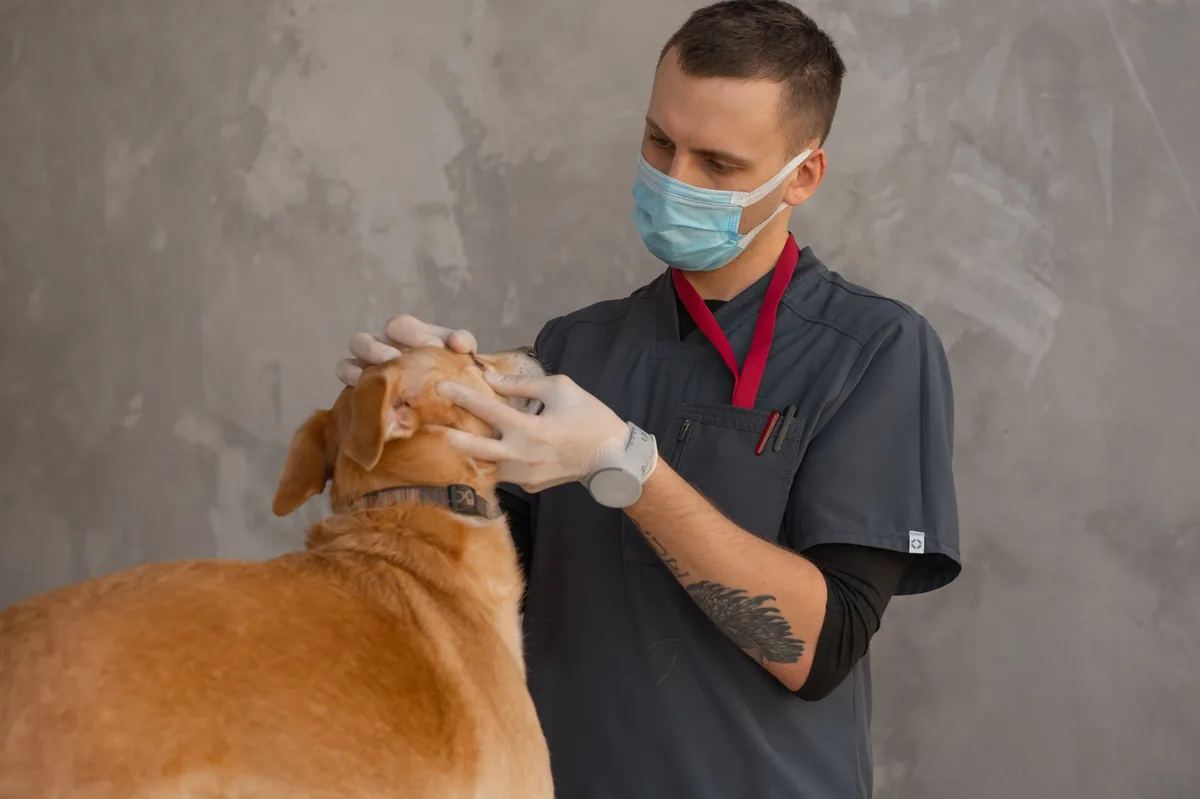
Iron overload often progresses silently. Early signs can be subtle, while severe disease is unmistakable. Below is a quick guide to what you might notice.
| Stage | Typical Signs |
|---|---|
| Mild | Pale or copper‑tinged gums, slight lethargy, decreased appetite, mild weight loss. |
| Moderate | Visible abdominal distension (enlarged liver), increased thirst and urination, occasional vomiting, noticeable weakness. |
| Severe | Jaundice (yellowing of eyes or gums), rapid weight loss, severe vomiting or diarrhea, seizures, coma. |
Other clues include a “metallic” taste in the mouth, darkened stool, and a history of “iron‑rich” treats (like liver pâté). Because these signs overlap with many other conditions, a veterinary work‑up is essential to confirm excess iron.
When to call your vet
Call your vet today if you notice any of the mild‑to‑moderate signs—pale gums, loss of appetite, or a swollen abdomen. Early intervention can prevent organ damage.
Go to an emergency veterinary hospital right now if your dog shows severe signs such as jaundice, seizures, sudden collapse, or uncontrollable vomiting. These indicate possible acute liver failure, which can be life‑threatening.
This article provides general information and is not a substitute for professional veterinary care.
How vets diagnose excess iron in dogs
Diagnosis begins with a thorough history and physical exam. The vet will ask about diet, supplements, previous transfusions, and any breed‑related concerns.
- Complete blood count (CBC): May show a normal red cell count but with abnormal iron indices.
- Serum ferritin: Ferritin is a protein that stores iron; high levels suggest overload.
- Transferrin saturation (TSAT): Calculated from serum iron and total iron‑binding capacity; values >45 % are concerning for dogs.
- Liver biopsy: The most definitive test—histology can reveal iron deposits in hepatic tissue. It’s usually reserved for unclear cases.
- Imaging: Ultrasound can detect an enlarged, hyperechoic liver, while MRI can quantify iron in the liver and heart (more common in specialty centers).
All of these tests are interpreted by a veterinary internal medicine specialist, often following AAHA guidelines for liver disease assessment.
Treatment options
Medical treatment
The cornerstone of therapy is reducing the iron load and protecting organ function.
- Chelation drugs: Deferoxamine (Desferal) and deferasirox (Exjade) are the two most common chelators. They bind excess iron, allowing the kidneys to excrete it. Your vet will adjust dosage based on weight and blood levels.
- Immunosuppressants: In hereditary forms where the body misregulates iron, drugs like prednisone may be used to reduce inflammation.
- Supportive medications: Hepatoprotective agents such as s‑adenosyl‑methionine (SAMe) and milk thistle (silymarin) help protect liver cells during the detox process.
Always ask your vet about each medication, especially because chelators can cause kidney irritation if not monitored.
Supplements and supportive care
Evidence‑based supplements can complement medical therapy:
- Omega‑3 fatty acids (EPA/DHA): Reduce inflammation in the liver and improve overall cell membrane health. Fish‑oil capsules are a safe option.
- Probiotics: Support gut health, which can be compromised by liver disease. Look for a canine‑specific blend with Lactobacillus and Bifidobacterium strains.
- Vitamin E: Antioxidant that can mitigate oxidative stress caused by iron overload, but should be used under veterinary guidance.
These supplements are not a cure, but they can ease symptoms and improve quality of life when paired with the primary treatment plan.
Procedures or surgery
In rare, severe cases where iron has caused irreversible liver scarring (cirrhosis), a liver transplant may be considered at specialty centers. This is a complex, costly procedure—often exceeding $30,000 in the United States—and is only an option for a small subset of dogs with otherwise good health.
Diet and nutrition
A low‑iron diet is the most effective long‑term strategy for managing hemochromatosis. The goal is to provide complete nutrition while minimizing iron absorption.
Key principles:
- Choose low‑iron protein sources: Skinless chicken breast, turkey, and white fish contain far less iron than beef or organ meats.
- Avoid iron‑rich foods: Liver, kidney, spleen, and red meat should be eliminated. Even certain canned foods can have high iron levels.
- Limit iron‑fortified kibble: Some commercial diets add iron to meet AAFCO requirements. Look for “low‑iron” or “renal” formulas, which are naturally lower in iron.
- Control vitamin C intake: Vitamin C enhances iron absorption, so avoid feeding large amounts of citrus or fortified treats.
- Incorporate antioxidants: Foods rich in vitamin E (like sunflower oil) and beta‑carotene can help combat oxidative damage.
Transitioning your dog to a new diet should be done gradually over 7–10 days to avoid gastrointestinal upset. Start with 25 % of the new food mixed with 75 % of the old, and increase the new portion each day.
| Food Category | Do feed | Limit | Avoid |
|---|---|---|---|
| Protein | Skinless chicken, turkey, white fish | Lean beef (small amounts) | Organ meats (liver, kidney) |
| Carbohydrate | White rice, sweet potato | Whole grain kibble (moderate) | Iron‑fortified kibble |
| Fats | Olive oil, fish oil | Butter (small) | None (high‑iron fats) |
| Supplements | Omega‑3 capsules, probiotic powder | Vitamin C (minimal) | Iron supplements |
Prescription therapeutic diets—often marketed for “renal” or “liver support”—are formulated with reduced iron and added antioxidants. Discuss these options with your vet; they can recommend a brand that meets AAFCO standards without pushing a specific product.
Cost and prognosis
Financial considerations are a real part of caring for a dog with iron overload. Below is a rough estimate of typical expenses in the United States and the United Kingdom. Prices vary by region, clinic, and whether your pet has insurance.
| Expense | US (estimate) | UK (estimate) |
|---|---|---|
| Initial diagnostics (CBC, ferritin, TSAT, ultrasound) | $300–$600 | £250–£500 |
| Serum iron panel & liver biopsy (if needed) | $500–$1,200 | £400–£900 |
| Chelation therapy (first 3 months) | $400–$1,000 | £300–£800 |
| Supportive meds (SAMe, milk thistle, omega‑3) | $50–$150 per month | £40–£120 per month |
| Dietary transition (low‑iron prescription food) | $30–$80 per bag | £25–£70 per bag |
| Veterinary follow‑up (every 3–6 months) | $100–$250 per visit | £80–£200 per visit |
Overall prognosis depends on the stage at diagnosis. Dogs caught in the mild or moderate stage often live a normal lifespan with diligent management. Severe liver damage reduces life expectancy, but many owners report a good quality of life for months to years with proper care.
Prevention and home care
Preventing iron overload is largely about diet and monitoring:
- Choose commercial foods that meet AAFCO standards without excess iron; check the ingredient list for “iron” or “ferrous sulfate.”
- Limit treats that contain organ meats or iron‑fortified supplements.
- Provide fresh water from a filtered source to reduce exposure to iron‑rich well water.
- Schedule annual wellness exams that include a basic iron panel for senior dogs or breeds at risk.
- Maintain a healthy body condition; obesity can exacerbate liver disease, which in turn can worsen iron storage.
At home, keep a log of your dog’s food, supplements, and any changes in behavior. This record helps the vet spot trends early and adjust the plan before organ damage progresses.
From our vet team: “If your dog has a genetic predisposition, regular blood work is the best early warning system. Even a small change in ferritin can signal the need for dietary adjustment before symptoms appear.”
Key takeaways
- Excess iron (hemochromatosis) can be serious, but early detection through blood tests often prevents severe organ damage.
- Common causes include hereditary gene mutations, high‑iron diets, and repeated blood transfusions.
- Watch for pale or copper‑tinged gums, lethargy, abdominal swelling, and, in advanced cases, jaundice or seizures.
- Veterinary diagnosis relies on CBC, serum ferritin, transferrin saturation, and sometimes liver biopsy.
- Treatment combines low‑iron diet, chelation drugs, and supportive supplements like omega‑3 fatty acids.
- Regular monitoring and a careful diet are the most effective ways to keep iron levels in check for the long term.
Myth vs. fact
Myth: Iron supplements are always good for dogs.
Fact: While iron is essential, excess supplementation can cause toxicity. Only give iron under veterinary direction.
Myth: Only large breeds get iron overload.
Fact: Both small and large breeds can be affected, especially those with known genetic mutations (e.g., Miniature Schnauzers).
Myth: If a dog eats organ meat occasionally, it will develop hemochromatosis.
Fact: Occasional organ meat is unlikely to cause overload; chronic, high‑iron feeding is the real risk.
Frequently asked questions
What are the signs of iron overload in dogs?
Early signs include pale or copper‑colored gums, mild lethargy, and reduced appetite. As the condition worsens, you may see an enlarged abdomen, jaundice, vomiting, or seizures.
Can excess iron cause liver damage in dogs?
Yes. Iron deposits can scar liver tissue, leading to hepatitis or cirrhosis. This is why prompt diagnosis and chelation therapy are critical to protect liver function.
How is iron overload diagnosed in a dog?
Vets start with a CBC and serum ferritin test. If results suggest overload, they measure transferrin saturation and may perform an ultrasound or liver biopsy for confirmation.
What treatments are available for canine hemochromatosis?
Treatment typically includes a low‑iron diet, chelation drugs such as deferoxamine, liver‑protective supplements, and regular monitoring. In severe cases, liver transplantation may be considered.
Is iron toxicity in dogs fatal if untreated?
Untreated severe iron overload can lead to liver failure, cardiac issues, and death. However, many dogs diagnosed early respond well to treatment and live normal lives.
What foods should I avoid for a dog with high iron levels?
Avoid organ meats (liver, kidney), iron‑fortified kibble, and treats high in iron. Also limit vitamin C–rich foods, as vitamin C increases iron absorption.
Ask the PuppaDogs community
Have a question this article didn’t fully answer? Want to compare notes with other dog owners who’ve been through this? Our community forum is moderated by experienced owners and vets — and answers tend to come fast. Ask in the PuppaDogs community →
References
- American College of Veterinary Internal Medicine (ACVIM). “Guidelines for Diagnosis and Management of Hepatic Disorders in Dogs.” 2023.
- American Animal Hospital Association (AAHA). “Nutrition Guidelines for Dogs with Liver Disease.” 2022.
- Merck Veterinary Manual. “Hemochromatosis in Dogs.” Updated 2024.
- World Small Animal Veterinary Association (WSAVA). “Nutritional Management of Chronic Liver Disease.” 2021.
- Veterinary Partner. “Iron Overload (Hemochromatosis) in Dogs.” University of Pennsylvania School of Veterinary Medicine. 2023.
- American Veterinary Medical Association (AVMA). “Understanding Iron Supplementation in Companion Animals.” 2022.
- International Society of Companion Animal Nutrition (ISCAN). “Dietary Recommendations for Dogs with Iron Metabolism Disorders.” 2023.
- University of California, Davis School of Veterinary Medicine. “Chelation Therapy in Canine Patients.” 2024.


