















Quick take: Enlarged gums in dogs can range from a mild, temporary swelling to a sign of serious infection or systemic disease. If the gums look puffy, bright red, or feel firm, call your vet today; if your dog can’t eat, is drooling excessively, or shows signs of pain, seek emergency care immediately.
It’s 9 p.m., and you’re scrolling through pet forums while your golden retriever, Max, sits on the couch with his mouth slightly open. You notice his gums look puffier than usual, a pink‑ish hue tinged with red, and he seems reluctant to chew his chew toy. A wave of worry rolls over you—could it be something simple like a minor irritation, or is it the start of a deeper health issue?
We’ve heard this scenario from many owners: the first clue is often a subtle change in gum appearance, followed by a cascade of questions about pain, diet, and veterinary costs. The good news is that most cases of swollen gums are treatable, especially when caught early. In this guide we’ll explain what enlarged gums are, why they happen, how to spot them, when to call a vet, what diagnostics and treatments look like, how diet can help, and how to prevent future problems.
By the end you’ll know exactly what to look for, what steps to take tonight, and how to discuss a care plan with your veterinarian. Let’s dive in.
What is enlarged gums in dogs?
Enlarged gums, also called swollen or edematous gingiva, refer to the gum tissue around the teeth becoming puffier, softer, and often brighter red than normal. In healthy dogs, gums should look pink, feel firm, and fit snugly around the teeth without any excess tissue. When the gums swell, they can appear “puffy,” may bleed easily, and sometimes feel hot to the touch.
Swelling can affect a single area—such as the upper or lower jaw—or involve the entire gum line. It’s a visible sign that something is irritating the oral tissues, ranging from a minor injury to a serious infection or systemic disease. While occasional mild swelling can resolve on its own, persistent or severe enlargement warrants veterinary evaluation.
According to the American Veterinary Medical Association (AVMA) and the American Animal Hospital Association (AAHA), oral health issues, including gum disease, affect up to 80 % of dogs over three years of age. Swollen gums are a common presenting complaint in veterinary practices, making early recognition important for overall health.
What causes it?
Several factors can trigger gum enlargement. Below is a concise overview of the main categories:
| Cause | Typical triggers | Notes |
|---|---|---|
| Infection | Dental plaque, periodontal disease, abscesses, bacterial or fungal invasion | Often accompanied by bad breath and bleeding. |
| Trauma | Chewing on hard objects, accidental bites, oral surgery, foreign bodies | Swelling may be localized to the injury site. |
| Systemic disease | Autoimmune disorders, hormonal imbalances, kidney disease, vitamin C deficiency | May affect other organs; requires full work‑up. |
| Allergic reaction | Food allergies, medication side effects, environmental allergens | Often involves other skin signs. |
| Dental plaque & tartar | Poor oral hygiene, lack of regular dental cleanings | Progresses to gingivitis and periodontitis. |
Understanding the underlying cause helps your vet choose the right treatment plan. For example, an infection will need antibiotics, while a systemic disease may require broader medical management.
Signs and symptoms
Owners are usually the first to notice changes in their dog’s mouth. Below is a progression chart to help you differentiate early, moderate, and severe signs:
| Severity | What you might see | What you might feel |
|---|---|---|
| Mild | Puffy gums, slight redness, occasional drooling | Gums feel soft but not painful |
| Moderate | Noticeable swelling, bright red color, occasional bleeding when the dog chews | Dog may hesitate to chew, mild discomfort |
| Severe | Extensive swelling, ulceration, pus, blood, difficulty opening mouth (trismus) | Dog shows pain, may paw at mouth, refuses food |
Additional clues include bad breath (halitosis), a change in behavior (irritability, lethargy), weight loss, or fever. If you observe any of the moderate or severe signs, it’s time to contact your veterinarian promptly.

When to call your vet
Call your vet today if:
- Gums are swollen for more than 24 hours.
- There is any bleeding, pus, or foul odor.
- Your dog is reluctant to eat or chew.
- You notice fever, lethargy, or facial swelling.
Go to an emergency veterinary hospital right now if:
- Your dog cannot open its mouth (trismus) or is drooling excessively.
- There is severe pain—your dog whines, paws at the mouth, or refuses to move.
- Swelling is rapidly progressing, especially if the face looks distorted.
These guidelines are for information only. If you’re ever in doubt, err on the side of caution and seek professional care.
How vets diagnose it
Diagnosing swollen gums starts with a thorough oral examination. Your vet will gently open your dog’s mouth, look for plaque, tartar, ulcerations, or foreign bodies, and assess gum color and texture.
Typical diagnostic tools include:
- Full dental charting: Mapping each tooth’s health status, similar to a human dental X‑ray.
- Dental radiographs (X‑rays): Reveal bone loss, hidden infections, or abscesses beneath the gum line.
- Blood work: A complete blood count (CBC) and chemistry panel can uncover systemic issues like infection, kidney disease, or autoimmune disorders.
- Oral swabs or cultures: Identify specific bacteria or fungi when an infection is suspected.
- Allergy testing: In rare cases of allergic gum swelling, skin or blood allergy panels may be recommended.
These tests help your vet pinpoint the cause, gauge severity, and decide on the best treatment strategy.
Treatment options
Medical treatment
Medical management varies by cause. Common drug classes include:
- Antibiotics: Broad‑spectrum agents such as amoxicillin‑clavulanate are often used for bacterial infections.
- Anti‑inflammatories: NSAIDs like carprofen or meloxicam reduce pain and swelling, but only after the vet confirms no contraindications.
- Antifungals: For fungal infections, drugs such as fluconazole may be prescribed.
- Immunosuppressants: In autoimmune-related gum disease, medications like prednisone can help control the immune response.
Always ask your vet about the specific medication, dosage, and potential side effects before starting any treatment.
Supplements and supportive care
Evidence supports a few adjuncts that can aid oral health:
- Omega‑3 fatty acids (EPA/DHA): Found in fish oil, they have anti‑inflammatory properties that may reduce gum swelling.
- Coenzyme Q10: Antioxidant that supports periodontal health in some studies.
- Probiotics: Certain strains can help maintain a balanced oral microbiome, especially after antibiotics.
Supplements are not a cure, but they can complement veterinary treatment. Discuss with your vet to ensure they won’t interfere with prescribed drugs.
Procedures or surgery
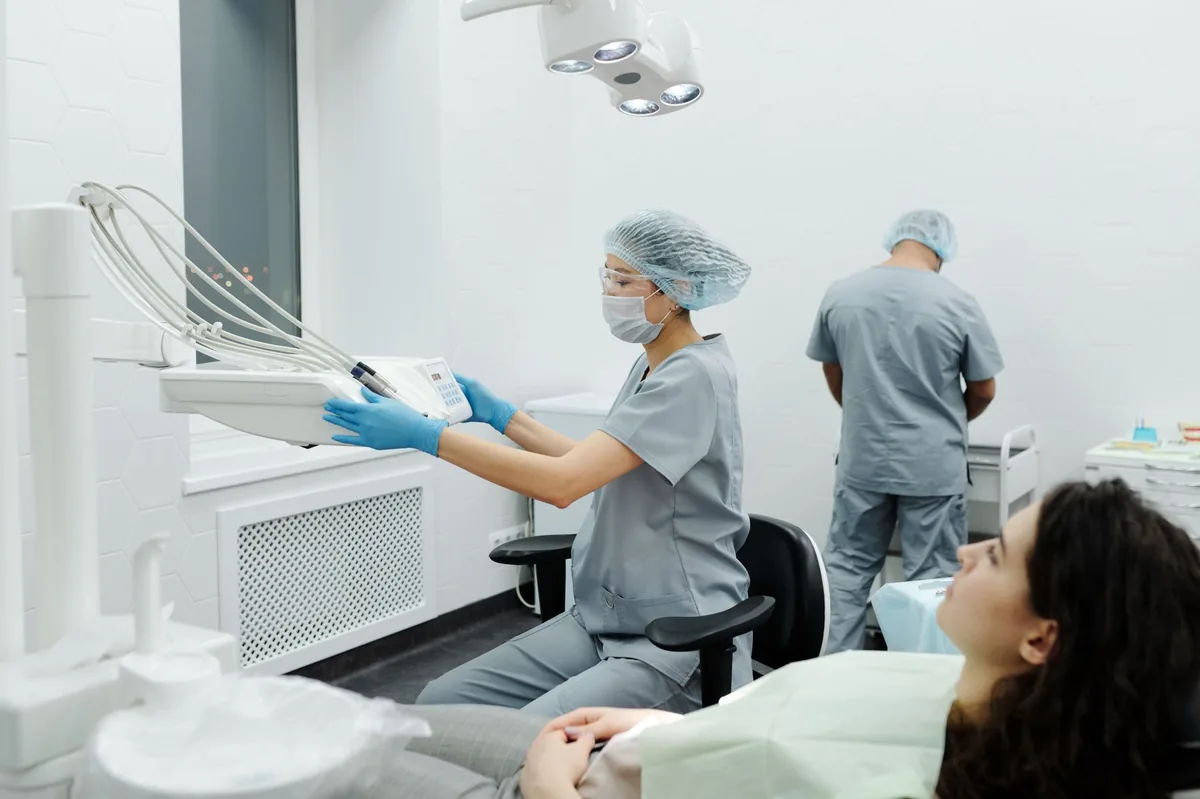
When plaque and tartar have built up, a professional dental cleaning under general anesthesia is often required. The procedure includes scaling, polishing, and sometimes extractions of severely diseased teeth.
In cases of abscessed teeth or advanced periodontal disease, surgical intervention such as tooth extraction or debridement may be needed. Recovery typically involves a soft diet for 7–10 days, pain medication, and a follow‑up check.
Costs for a dental cleaning range from $300–$800 USD in the United States, with extractions adding $100–$250 per tooth. In the United Kingdom, similar procedures run £200–£600. Many pet insurance plans cover a portion of dental work, but it’s wise to verify coverage details beforehand.
Diet and nutrition
Diet plays a pivotal role in both preventing and managing swollen gums. While no single “cure” diet exists, certain nutritional strategies can reduce inflammation, support gum tissue health, and keep plaque formation to a minimum.
Foods to feed
- High‑quality protein: Easily digestible animal protein provides the amino acids needed for tissue repair.
- Omega‑3 rich ingredients: Salmon, sardines, or fish‑oil‑enhanced kibble supply EPA/DHA, which dampen inflammatory pathways.
- Crunchy kibble or dental treats: Mechanical abrasion helps scrape plaque off teeth as the dog chews.
- Vitamin C sources: While dogs synthesize vitamin C, adding natural antioxidants (e.g., blueberries) can support gum health.
Foods to limit or avoid
- Soft, moist foods: Wet food or homemade diets that lack texture can allow plaque to cling to teeth.
- Excessive sugars: Treats high in sugar foster bacterial growth and increase the risk of gingivitis.
- Highly processed “by‑products”: Low‑quality kibble may contain fillers that don’t aid oral health.
When a dog is recovering from gum inflammation or dental surgery, a soft, highly digestible diet is recommended for about a week. Options include boiled chicken, rice, or prescription therapeutic diets formulated for oral health (e.g., “renal‑support” or “gastro‑protective” formulas that are low‑residue and gentle on the mouth).
Transitioning to a new food should be gradual—mix 25 % new kibble with 75 % old food for the first two days, then 50/50, then 75/25, and finally 100 % new. This approach helps avoid gastrointestinal upset and lets you monitor any lingering gum sensitivity.
Here’s a quick reference for feeding choices:
| Do feed | Limit | Avoid |
|---|---|---|
| High‑protein kibble with added fish oil | Soft treats (e.g., jerky) more than once daily | Highly sweetened snacks |
| Dental chews approved by the Veterinary Oral Health Council (VOHC) | Wet food unless mixed with kibble | Food with artificial colors/flavors |
| Fresh vegetables like carrots or green beans (raw or lightly steamed) | Home‑cooked meals without balanced nutrients | Table scraps high in fat or salt |
Regular brushing—using a dog‑specific toothbrush and toothpaste—remains the gold standard for plaque control. Aim for a few minutes a few times per week; daily brushing yields the best results. If brushing feels daunting, start with a finger brush or a gauze pad and gradually work up to a full brush.
For more detailed guidance on home dental care, check out our Dog Questions Answered page, which includes step‑by‑step brushing tutorials.
Cost and prognosis
Financial considerations are an important part of planning care. Below is a rough cost breakdown for the United States, United Kingdom, and Australia (all figures are estimates; actual costs vary by clinic and region):
| Service | US (USD) | UK (GBP) | AU (AUD) |
|---|---|---|---|
| Initial exam & oral inspection | $80–$150 | £60–£120 | $100–$180 |
| Dental X‑rays | $100–$250 | £80–£200 | $150–$300 |
| Full dental cleaning (incl. anesthesia) | $300–$800 | £200–£600 | $400–$900 |
| Tooth extraction (per tooth) | $100–$250 | £80–£200 | $150–$350 |
| Antibiotics (10‑day course) | $20–$50 | £15–£40 | $30–$70 |
| Anti‑inflammatory meds (2‑week supply) | $25–$60 | £20–£50 | $35–$80 |
Most pet insurance plans cover a portion of dental procedures, especially when the swelling is linked to disease rather than routine cleaning. Review your policy’s “dental” or “oral health” clauses, and ask your insurer about pre‑authorization if you anticipate extensive work.
Prognosis depends on the underlying cause. Simple gingivitis that’s caught early often resolves fully with cleaning and proper home care. Infections that have spread or systemic illnesses may require longer treatment, but many dogs recover well with appropriate therapy. Your vet will discuss expected outcomes based on diagnostics and will tailor a plan that aligns with your dog’s health and your budget.
Prevention and home care
Keeping gums healthy is a daily commitment. Here are practical steps you can incorporate into your routine:
- Brush daily or at least several times a week: Use a soft‑bristled canine toothbrush and enzymatic toothpaste. Replace the brush every few weeks.
- Provide VOHC‑approved dental chews: These are designed to reduce plaque and are a tasty reward.
- Schedule professional dental cleanings: Most vets recommend a cleaning at least once a year for adult dogs, more often for breeds prone to dental disease (e.g., small breeds, toy breeds).
- Feed a high‑quality diet with texture: Crunchy kibble or raw bones (when appropriate) help mechanically clean teeth.
- Monitor for early signs: Regularly check gum color and texture—healthy gums are pink and firm. A quick “gums check” can be done by gently lifting the lip and looking at the tissue.
- Stay up to date on vaccinations and parasite control: Some systemic infections (e.g., tick‑borne diseases) can affect gum health.
For multi‑dog households, keep feeding stations separate and clean bowls regularly to reduce bacterial spread. If you notice any recurring swelling, keep a log of diet changes, medications, and environmental factors to discuss with your vet.

Vet’s note
From our vet team: Swollen gums are often an early warning sign that something is irritating the oral tissues. Even if the swelling seems mild, we recommend a prompt exam because hidden infections can progress quickly. Early intervention—whether it’s a simple cleaning or a short course of antibiotics—usually leads to a quick recovery and helps keep your dog’s whole body healthy.
Key takeaways
- Enlarged gums can signal anything from minor irritation to serious infection; observe color, texture, and your dog’s eating behavior.
- Call your vet today for any persistent swelling; seek emergency care if your dog can’t open its mouth, drools excessively, or shows severe pain.
- Treatment ranges from antibiotics and anti‑inflammatories to professional dental cleaning or surgery, depending on the cause.
- Support gum health with a high‑protein, omega‑3‑rich diet, crunchy kibble, and daily brushing; VOHC‑approved chews are a helpful supplement.
- Annual dental exams and cleanings are the most effective prevention strategy, especially for breeds prone to plaque buildup.
Myth vs. fact
Myth: Swollen gums are always a sign of advanced gum disease.
Fact: While plaque‑induced gingivitis is common, swelling can also result from trauma, allergies, or systemic illnesses. A veterinary exam is needed to determine the exact cause.
Myth: If my dog’s gums look a little pink, it’s normal and needs no attention.
Fact: Healthy gums should be a consistent pink and feel firm. Any noticeable puffiness, redness, or softness warrants a check‑up.
Myth: Dental cleanings are optional “nice‑to‑have” procedures.
Fact: Professional cleanings remove plaque and tartar that brushing alone cannot reach, preventing infection and swelling that could become life‑threatening.
Frequently asked questions
What causes enlarged gums in dogs?
Swollen gums can be caused by dental plaque, bacterial infections, trauma from chewing hard objects, allergic reactions, or systemic diseases such as kidney disease or autoimmune disorders.
Are swollen gums an emergency?
They can be, especially if your dog can’t eat, is drooling excessively, or shows signs of severe pain. In those cases, seek emergency veterinary care right away; otherwise, schedule a routine appointment within 24 hours.
How can I tell if my dog’s gums are swollen?
Look for puffiness, a brighter red color than normal, softness to the touch, and any bleeding when the dog chews. Compare the gums to a healthy pink reference—if they look puffy or different, it’s worth a vet visit.
What treatment options exist for swollen gums in dogs?
Treatment may include antibiotics for infection, anti‑inflammatory medications for pain, professional dental cleaning, tooth extraction if needed, and supportive supplements like fish oil. Your vet will tailor the plan to the underlying cause.
Will swollen gums affect my dog’s eating?
Yes. Swelling can make chewing uncomfortable, leading to reduced appetite or refusal to eat. Offer soft foods temporarily, but aim to resolve the swelling promptly to return to normal feeding.
Can diet help reduce gum swelling in dogs?
Absolutely. A diet rich in high‑quality protein and omega‑3 fatty acids, combined with crunchy kibble or dental chews, can help reduce inflammation and plaque buildup, supporting healthier gums.
Ask the PuppaDogs community
Have a question this article didn’t fully answer? Want to compare notes with other dog owners who’ve been through this? Our community forum is moderated by experienced owners and vets — and answers tend to come fast. Ask in the PuppaDogs community →
References
- American Veterinary Medical Association (AVMA). “Oral Health in Dogs.” AVMA Guidelines, 2023.
- American Animal Hospital Association (AAHA). “Dental Care Standards for Companion Animals.” AAHA, 2022.
- Merck Veterinary Manual. “Gingivitis and Periodontal Disease.” Merck, 2021.
- World Small Animal Veterinary Association (WSAVA). “Guidelines for Veterinary Dental Care.” WSAVA, 2022.
- Veterinary Oral Health Council (VOHC). “Approved Dental Products List.” VOHC, 2023.
- American College of Veterinary Internal Medicine (ACVIM). “Systemic Causes of Oral Inflammation.” ACVIM Consensus, 2020.
- Cornell University College of Veterinary Medicine. “Canine Dental Health.” Cornell Vet Resources, 2023.
- UC Davis School of Veterinary Medicine. “Nutrition for Oral Health in Dogs.” UC Davis Nutrition Guide, 2022.


