














Quick take: Elbow dysplasia is a common joint problem in growing large‑breed dogs that can cause lameness, pain, and early arthritis. Early signs include intermittent limping and swollen elbows; treatment ranges from anti‑inflammatory meds to surgery, and many dogs live comfortable lives with proper care.
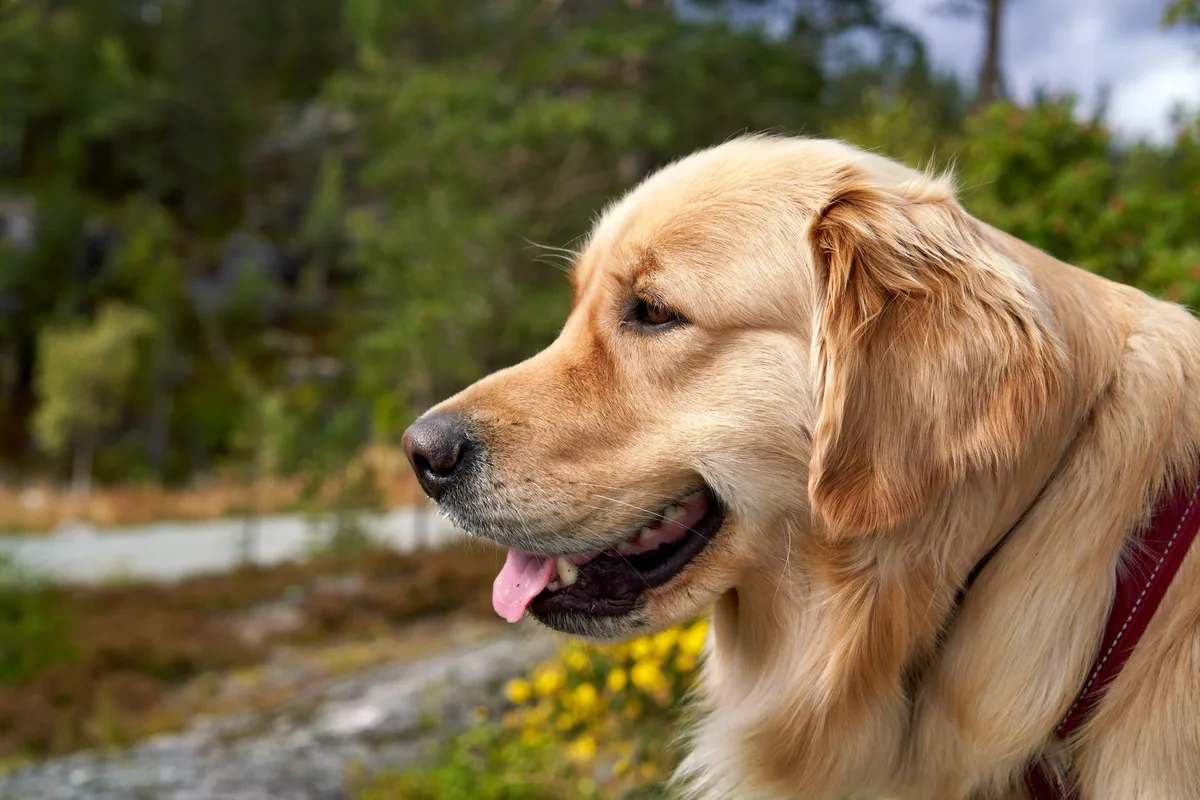
It’s 8 p.m., the living room lights are dim, and your 7‑month‑old Golden Retriever, Max, is dragging his front right leg across the carpet. You notice the elbow joint looks a little puffy, and when you gently press the area, he flinches. Your heart races as you wonder whether this is “just a sprain” or something more serious. You’re not alone—many owners first spot elbow dysplasia when a puppy’s enthusiasm for play meets a stiff, sore joint.
We get it. The uncertainty is scary, and the internet can be overwhelming. Below we break down everything you need to know about elbow dysplasia in dogs: what it is, why it happens, how to spot it early, what your vet will do to diagnose it, and the range of medical and surgical options. We’ll also cover diet, costs, prevention, and home‑care tips so you can feel confident in the next steps.
By the end of this guide you’ll understand the typical progression, know when to seek urgent care, and have a clear plan for treatment, rehabilitation, and long‑term joint health.
What is elbow dysplasia in dogs?
Elbow dysplasia (ED) is an umbrella term for several developmental orthopedic diseases that affect the elbow joint—the “hinge” where the humerus (upper arm bone) meets the radius and ulna (forearm bones). In dogs, the most common forms are:
- Ununited anconeal process (UAP) – a fragment of bone that fails to fuse.
- Fragmented medial coronoid process (FMCP) – a piece of the ulna breaks off.
- Osteochondritis dissecans (OCD) – cartilage and underlying bone separate, forming a flap.
- Joint incongruence – the bones don’t line up properly, leading to uneven wear.
These conditions usually appear when puppies are 4–8 months old, a time when rapid growth puts stress on a maturing joint. The abnormal joint surface creates inflammation, pain, and eventually arthritis. According to the American College of Veterinary Surgeons (ACVS), elbow dysplasia affects roughly 1–2 % of all dogs, but the prevalence jumps to 5–15 % in large breeds such as Labrador Retrievers, Golden Retrievers, and German Shepherds.
What causes it?
Elbow dysplasia is multifactorial. Genetics set the stage, while nutrition, rapid growth, and traumatic injury can tip the balance.
| Factor | Details |
|---|---|
| Genetic predisposition | Certain breeds carry hereditary risk; breeding two affected lines increases incidence (AKC data). |
| Nutrition & growth rate | High‑calorie diets that cause “over‑nutrition” can accelerate bone growth, stressing the joint. |
| Trauma | Minor injuries during play or rough handling may damage the developing cartilage. |
| Hormonal influences | Excessive growth hormone (e.g., from inappropriate supplementation) can affect joint development. |
While you can’t change a puppy’s genetic makeup, you can manage diet, weight, and activity to reduce the odds of developing severe dysplasia.
Signs and symptoms
Early detection is key. Most owners first notice a change in gait or a swollen elbow. Below is a progression guide to help you differentiate mild, moderate, and severe signs.
| Severity | Typical signs |
|---|---|
| Mild | Intermittent limping, especially after exercise; slight swelling; reluctance to jump. |
| Moderate | Consistent lameness, noticeable elbow enlargement, reduced activity, vocalizing when the joint is touched. |
| Severe | Persistent pain, inability to bear weight on the affected forelimb, joint deformity, heat over the joint, secondary arthritis. |
Other red‑flag clues include a “knocking” sound when the dog moves, a stiff gait that worsens with cold weather, and a loss of muscle mass in the front shoulder.
When to call your vet
Call your vet today if:
- The limp persists for more than 48 hours.
- The elbow is visibly swollen, warm, or painful to the touch.
- Your dog avoids stairs, jumps, or normal play.
- You notice a sudden loss of muscle tone in the front shoulder.
Go to an emergency veterinary hospital right now if:
- The dog cannot bear any weight on the front leg.
- The joint looks deformed, or there’s an obvious fracture.
- There are signs of systemic illness (fever, vomiting, lethargy) accompanying the lameness.
This information is for educational purposes only and is not a substitute for professional veterinary care.
How vets diagnose elbow dysplasia
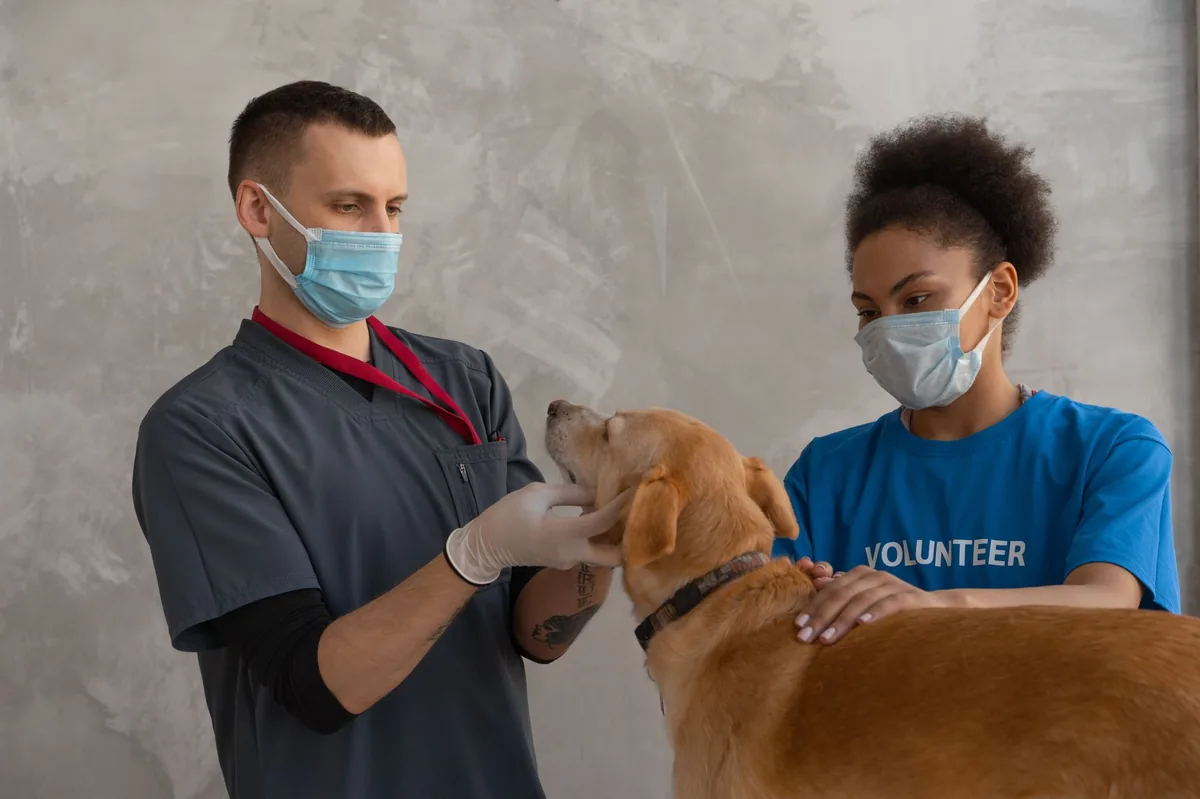
Diagnosis starts with a thorough history and physical exam. Your vet will assess gait, palpate the elbow for pain and swelling, and may perform a “flexion test” to isolate the joint.
Imaging is the cornerstone:
- Radiographs (X‑rays): Standard frontal and lateral views can reveal most forms of ED, especially UAP and FMCP.
- Computed tomography (CT): Provides 3‑D detail of bone fragments, helpful for surgical planning.
- Arthroscopy: A tiny camera inserted into the joint allows direct visualization of cartilage damage and can be combined with corrective surgery.
In some cases, the vet may also run blood work to rule out infection or systemic disease before deciding on surgery.
Treatment options
Medical treatment
When the disease is mild or surgery is delayed, most vets start with anti‑inflammatory therapy and joint supplements. Common medications include:
- Non‑steroidal anti‑inflammatory drugs (NSAIDs) such as carprofen or meloxicam to reduce pain and swelling.
- Steroids (e.g., prednisolone) in short courses for severe inflammation, under strict vet supervision.
- Analgesics like tramadol for breakthrough pain (always ask your vet about suitability).
These drugs are typically prescribed for a limited time while the joint is monitored. Your vet will tailor the regimen based on your dog’s weight, age, and kidney health.
Supplements and supportive care
Evidence supports several nutraceuticals for joint health:
- Omega‑3 fatty acids (EPA/DHA): 1,000–2,000 mg per day of a high‑quality fish oil can help dampen inflammation (AAHA 2023 guidelines).
- Glucosamine and chondroitin sulfate: May improve cartilage matrix synthesis; look for products with ≥10 mg/kg glucosamine per day.
- Green‑lipped mussel extract: Contains natural glucosamine, chondroitin, and omega‑3s; studies suggest modest pain reduction.
- Vitamin C and E: Antioxidants that can support joint tissue health, though benefits are modest.
Supplements work best when combined with weight management, controlled exercise, and proper nutrition. They are not a cure but can improve comfort and slow arthritis progression.
Procedures or surgery
When structural defects are significant, surgery offers the best chance for long‑term function. Common procedures include:
- UAP removal: The loose anconeal fragment is excised, allowing the humerus to articulate smoothly.
- FMCP repair: The fragmented coronoid is either removed or re‑attached using screws or pins.
- OCD debridement: Damaged cartilage is trimmed, and a smooth surface is created, sometimes with a cartilage graft.
- Joint remodeling (osteotomy): In severe cases, the humeral condyle may be reshaped to improve congruence.
Post‑operative care typically involves a period of strict confinement (4‑6 weeks), followed by a graduated rehabilitation program. Most dogs regain functional use of the elbow within 3–6 months, though lifelong joint management is often needed.
Diet and nutrition
Nutrition plays a pivotal role in both preventing and managing elbow dysplasia. The goal is to support healthy bone and cartilage development without encouraging excessive rapid growth.
Key nutritional principles:
- Balanced calcium and phosphorus: Too much calcium can accelerate bone growth and increase joint stress. For growing large‑breed puppies, the AAFCO recommends a calcium level of 1.0–1.2 % on a dry matter basis.
- Controlled caloric intake: Aim for a steady growth rate of about 5–10 % body weight per month. Over‑feeding can lead to obesity, which adds extra load on the elbows.
- Highly digestible protein: Quality protein (e.g., chicken, fish) provides the amino acids needed for cartilage repair.
- Joint‑support nutrients: Include glucosamine, chondroitin, and omega‑3s either in the diet or as supplements.
Many commercial large‑breed puppy formulas already meet these guidelines. If you feed a home‑cooked or raw diet, work with a veterinary nutritionist to ensure calcium‑phosphorus ratios and overall calories are appropriate.
Prescription therapeutic diets designed for orthopedic health (often labeled “joint health” or “large breed growth”) may contain added omega‑3s and joint nutraceuticals. While no single brand is universally superior, these diets can simplify nutrient balancing.
| Do feed | Limit | Avoid |
|---|---|---|
| High‑quality large‑breed puppy kibble with balanced calcium | Excessive treats or table scraps | High‑calcium foods (e.g., raw bones, dairy) |
| Lean meats, fish, and vegetables | High‑fat foods (e.g., bacon, fatty cuts) | Commercial “all‑purpose” adult formulas before 12 months |
| Omega‑3 supplements (fish oil) as advised | Very high‑protein “raw” diets without calcium checks | Grain‑free diets that lack calcium/phosphorus balance |
During recovery from surgery, many vets recommend a modest increase in protein (to aid tissue repair) while keeping calories stable to prevent weight gain. Feeding smaller, more frequent meals can help maintain steady blood glucose and reduce inflammation.
Finally, keep fresh water available at all times and monitor your dog’s weight weekly. A healthy weight reduces stress on the elbow and improves the success of rehab exercises.
Cost and prognosis
Financial considerations are a real part of decision‑making. Below are typical cost ranges (average estimates, may vary by region and clinic).
| Item | USA (USD) | UK (GBP) |
|---|---|---|
| Initial radiographs | $150–$300 | £120–£250 |
| CT scan (if needed) | $500–$1,200 | £400–£950 |
| Arthroscopy (diagnostic) | $800–$1,500 | £650–£1,300 |
| UAP removal surgery | $2,000–$3,500 | £1,600–£2,800 |
| FMCP repair (pins/screws) | $2,500–$4,000 | £2,000–£3,200 |
| Post‑op rehab (8–12 weeks) | $500–$1,200 | £400–£950 |
Overall, most owners spend between $3,000 and $6,000 for a full surgical correction and rehabilitation. Insurance policies that cover orthopedic procedures can offset a large portion of these costs; check your policy’s terms early.
Prognosis depends on the severity of the lesion, age at treatment, and adherence to rehab. Studies cited by the American College of Veterinary Surgeons show that 80–90 % of dogs treated surgically before the onset of severe arthritis return to normal or near‑normal activity levels. Dogs with advanced joint degeneration may still benefit from pain management and lifestyle modification, though they may have a shorter active lifespan.
Prevention and home care
While you can’t eliminate genetic risk, you can lower the odds of developing severe elbow dysplasia by following these simple steps:
- Choose a reputable breeder: Look for health clearances (e.g., OFA, PennHIP) that confirm parent elbows are free of major dysplasia.
- Maintain a steady growth curve: Use a puppy growth chart (available on our cost calculator) to ensure weight gain stays within recommended limits.
- Feed a balanced large‑breed diet: Avoid excess calories and calcium; follow AAFCO guidelines for large breeds.
- Provide low‑impact exercise: Short, frequent play sessions on even surfaces; avoid high‑impact activities (e.g., jumping from heights) until the puppy is 12–18 months old.
- Regular veterinary check‑ups: Early radiographs (around 4–6 months) can catch developing lesions before they become painful.
- Joint supplements: Starting a low dose of omega‑3s and glucosamine at 4 months can support cartilage health.
After surgery, a structured rehabilitation program is crucial. Typical exercises include:
- Passive range‑of‑motion stretches (gentle elbow flexion/extension) – 2–3 times daily.
- Underwater treadmill walking – reduces weight bearing while building muscle.
- Controlled leash walks on a flat surface – gradually increase duration over weeks.
- Balance and core strengthening (e.g., “doggy yoga” on a low‑profile mat).
Consistent rehab, combined with the dietary and lifestyle measures above, gives most dogs a comfortable, active life well into senior years.
From our vet team: Early detection and a proactive rehab plan make the biggest difference. If you catch elbow dysplasia before arthritis sets in, many dogs do just fine with a simple surgery and a few months of guided exercise. Keep the lines of communication open with your vet—ask about follow‑up X‑rays, nutrition tweaks, and realistic activity goals for your pup.
Key takeaways
- Elbow dysplasia is a developmental joint disorder most common in large‑breed puppies, and early signs include intermittent limping and elbow swelling.
- Genetics, rapid growth, and high‑calorie diets are primary risk factors; a balanced large‑breed diet and controlled weight gain can reduce severity.
- Diagnosis relies on X‑rays, CT, or arthroscopy; treatment ranges from NSAIDs and joint supplements to surgical correction.
- Post‑surgical rehabilitation and joint‑supporting nutrition are essential for a full recovery and long‑term joint health.
- Typical surgical costs in the U.S. run $2,000–$4,000, with additional rehab expenses; insurance can help offset these fees.
- Preventative steps include choosing screened breeding lines, feeding appropriate puppy formulas, limiting high‑impact play, and regular vet check‑ups.
Myth vs. fact
Myth: Elbow dysplasia always requires surgery.
Fact: Mild cases may be managed with anti‑inflammatory meds, weight control, and joint supplements; surgery is reserved for structural lesions causing pain or arthritis.
Myth: Only “purebred” dogs get elbow dysplasia.
Fact: While certain breeds have higher risk, mixed‑breed dogs can also inherit the condition from their parentage.
Myth: Once a dog has elbow dysplasia, it will quickly become crippled.
Fact: With timely treatment and diligent rehab, most dogs regain functional mobility and enjoy an active life.
Frequently asked questions
What are the common symptoms of elbow dysplasia in dogs?
Early signs include intermittent limping after exercise, a swollen or warm elbow, and reluctance to jump. As the condition progresses, the limp becomes constant, the joint may appear deformed, and the dog may avoid using the affected foreleg altogether.
How do vets diagnose elbow dysplasia?
Diagnosis starts with a physical exam, followed by radiographs to view bone structures. Advanced imaging like CT or an arthroscopic exam may be used for detailed assessment and to plan surgery if needed.
Is surgery always required for elbow dysplasia?
No. Mild cases can be managed medically with NSAIDs, weight control, and joint supplements. Surgery is recommended when there’s a loose bone fragment, severe cartilage loss, or persistent pain despite medical therapy.
What is the recovery time after elbow dysplasia surgery?
Most dogs need 4–6 weeks of strict confinement, followed by a 6–12 week rehabilitation program. Full functional recovery typically occurs within 3–6 months, though lifelong joint care is advisable.
Can diet or supplements help manage elbow dysplasia?
Yes. A balanced large‑breed diet with appropriate calcium, high‑quality protein, and controlled calories supports healthy growth. Omega‑3 fatty acids, glucosamine, and chondroitin can reduce inflammation and support cartilage health, especially when combined with veterinary‑guided therapy.
Which dog breeds are most at risk for elbow dysplasia?
Large breeds such as Labrador Retrievers, Golden Retrievers, German Shepherds, Rottweilers, and Bernese Mountain Dogs have the highest reported prevalence. Smaller breeds are less commonly affected.
Ask the PuppaDogs community
Have a question this article didn’t fully answer? Want to compare notes with other dog owners who’ve been through this? Our community forum is moderated by experienced owners and vets — and answers tend to come fast. Ask in the PuppaDogs community →
References
- American College of Veterinary Surgeons (ACVS). “Elbow Dysplasia in Dogs.” 2023.
- American Animal Hospital Association (AAHA). “Guidelines for Large‑Breed Puppy Nutrition.” 2022.
- American Veterinary Medical Association (AVMA). “Joint Health and Orthopedic Disorders.” 2021.
- Merck Veterinary Manual. “Elbow Dysplasia” chapter. 2022.
- Orthopedic Foundation for Animals (OFA). “Elbow Dysplasia Statistics.” Accessed 2024.
- World Small Animal Veterinary Association (WSAVA). “Joint Supplement Recommendations.” 2023.
- Cornell University College of Veterinary Medicine. “Rehabilitation after Elbow Surgery.” 2022.
- American College of Veterinary Internal Medicine (ACVIM). “Use of NSAIDs in Canine Orthopedic Pain.” 2023.


