














Quick take: An ear hematoma is a swollen, fluid‑filled pocket that forms between the cartilage and skin of a dog’s ear, usually after trauma or vigorous shaking. It isn’t usually life‑threatening, but it can become painful, enlarge, and lead to permanent ear deformation if left untreated. Most dogs recover well with veterinary drainage or surgery, and proper after‑care keeps recurrence low.
It’s 11 p.m., and you’ve just noticed your Cocker Spaniel’s left ear looks puffed up, like a tiny balloon. She’s been scratching at it all evening, and when you gently lift the ear the skin feels warm and stretched. Your heart races as you wonder whether this is something you can fix at home or if it’s an emergency. You scroll through vague articles, but the answers feel contradictory.
We get it. An ear hematoma can look alarming, yet the good news is that most cases are manageable with a single veterinary visit and a few weeks of home care. In this guide we’ll explain exactly what an ear hematoma is, why it happens, how to recognize it, when you need urgent help, and what treatment, cost, and nutrition options look like. We’ll also share practical tips to keep floppy‑eared dogs from developing a repeat problem.
Read on to feel confident about the next steps, whether you’re planning a vet appointment, budgeting for surgery, or looking for the best recovery diet for your pup.
What is ear hematoma in dogs?
An ear hematoma is a collection of blood that pools between the thin skin covering the ear cartilage and the cartilage itself. The skin stretches, creating a soft, fluid‑filled swelling that can range from a few millimeters to several centimeters in diameter. The condition is not a disease itself; it’s a response to trauma that causes blood vessels in the ear to rupture.
Ear hematomas are fairly common in dogs with floppy ears—such as Cocker Spaniels, Basset Hounds, and Labrador Retrievers—because the loose skin makes the vessels more vulnerable. According to the American College of Veterinary Internal Medicine (ACVIM), ear hematomas account for roughly 5 % of all ear‑related veterinary visits in the United States.
What causes ear hematoma in dogs?
Ear hematomas result from a chain of events that begins with ear trauma. The most common triggers are listed below.
| Cause | Typical trigger | Why it leads to a hematoma |
|---|---|---|
| Self‑inflicted trauma | Persistent scratching, head shaking, or ear pulling | Repeated friction tears small blood vessels in the ear cartilage. |
| External injury | Ear bites from other dogs, accidental snag on a fence, or a hard blow | Direct impact ruptures vessels, causing blood to leak into the pocket. |
| Allergic or inflammatory conditions | Otitis externa, flea allergy dermatitis, or skin infections | Itchy ears increase scratching and shaking, raising the risk of vessel rupture. |
| Breed predisposition | Floppy‑eared breeds (e.g., Cocker Spaniel, Basset Hound, Bloodhound) | Loose skin stretches easily, making vessels more vulnerable. |
Other risk factors include ear infections that cause chronic itching, ear mites, and even excessive cleaning with cotton swabs that irritate the delicate skin.
Signs and symptoms
Early signs can be subtle, but they quickly progress if the underlying cause isn’t addressed.
| Stage | Typical signs |
|---|---|
| Mild | Localized swelling, slight warmth, occasional ear scratching. |
| Moderate | Visible balloon‑like bulge, ear feels firm to the touch, more frequent shaking or head tilting. |
| Severe | Large, tense swelling that may crack when pressed, ulcerated skin, secondary infection, ear deformity. |
Key differences from ear infections:
- Ear hematoma: Swelling is fluid‑filled, the ear feels warm but not necessarily painful to the point of vocalizing, and the skin may appear stretched rather than inflamed.
- Ear infection (otitis externa): The ear canal is often red, smelly, and may discharge pus; the dog may paw at the ear more aggressively.
When to call your vet
Call your vet today if you notice:
- Any swelling of the ear that continues to grow over 24 hours.
- Signs of infection—redness, discharge, foul odor, or ulceration.
- Your dog is shaking its head vigorously or appears in pain when you touch the ear.
Go to an emergency veterinary hospital right now if:
- The swelling becomes extremely tense and you hear a “popping” sound when you press it (possible rupture).
- Your dog is unable to eat, drink, or breathe normally because the ear is obstructing the ear canal.
- You notice sudden bleeding, severe bleeding, or the dog is lethargic and unresponsive.
This article is for informational purposes only and does not replace professional veterinary care. If you’re ever unsure, contact your veterinarian.
How vets diagnose it
Veterinarians start with a thorough history: when the swelling began, any recent ear trauma, scratching, or infections. A physical exam follows, where the vet gently palpates the ear to assess the size, consistency, and whether the swelling is fluid‑filled.
Typical diagnostic tools include:
- Fine‑needle aspiration: A small needle draws fluid from the swelling. The sample is examined under a microscope to confirm it’s blood, not pus.
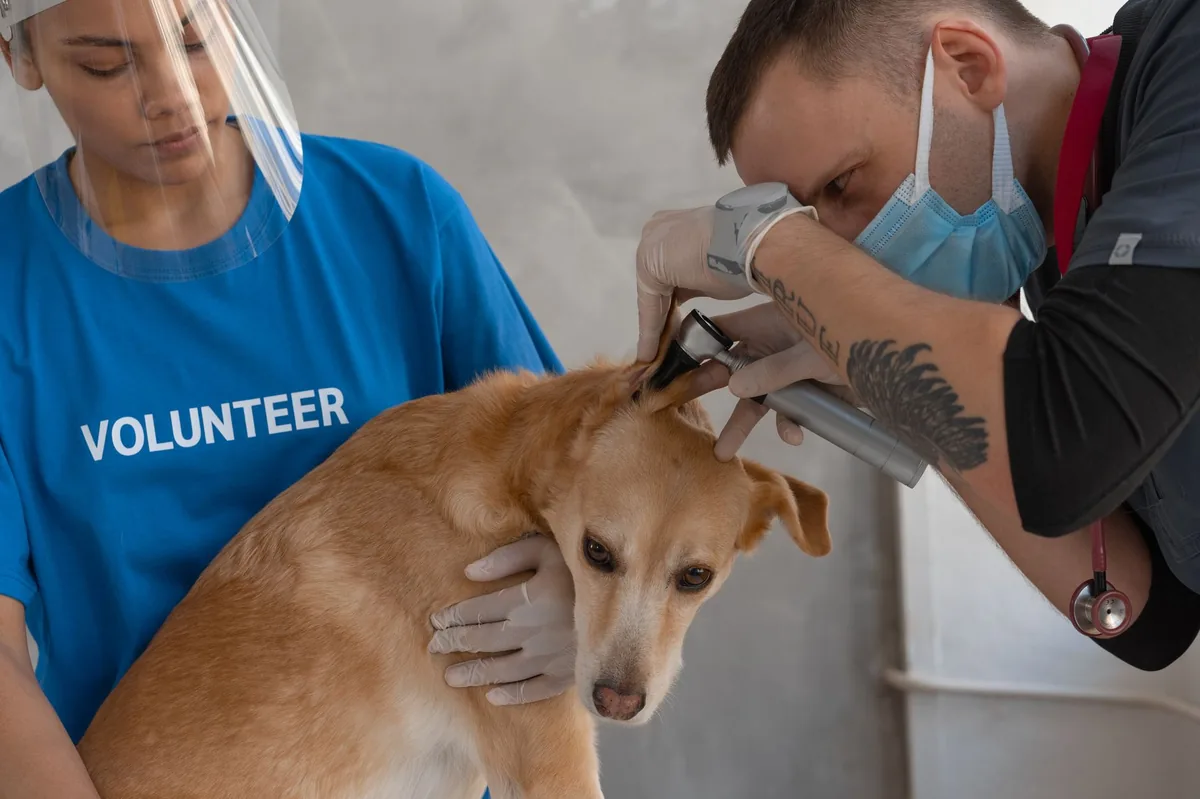
- Otoscopic examination: An otoscope checks the ear canal for concurrent infections, mites, or foreign bodies.
- Skin cytology or culture (if infection suspected): Scraping the ear surface can identify bacteria or yeast that may need treatment.
Most cases are diagnosed clinically; advanced imaging (like ultrasound) is rarely needed unless the swelling is atypical.
Treatment options
Medical treatment
When the hematoma is small and the owner prefers a less invasive route, veterinarians may:
- Drain the fluid: A sterile needle or small catheter removes the blood, followed by a compressive bandage to prevent re‑accumulation.
- Inject a sclerosing agent: Products such as polidocanol or tetracycline are injected to collapse the space and encourage scar tissue formation.
- Prescribe anti‑inflammatory medication: Non‑steroidal anti‑inflammatory drugs (NSAIDs) like carprofen or meloxicam reduce swelling and discomfort.
- Treat underlying ear disease: If otitis externa or mites are present, a course of antibiotics, antifungals, or antiparasitics is added.
Ask your vet about these options; they will decide based on the hematoma’s size, location, and your dog’s overall health.
Supplements and supportive care
While supplements don’t replace medical treatment, they can aid healing and reduce inflammation:
- Omega‑3 fatty acids (EPA/DHA): Found in fish oil, they support skin health and reduce inflammatory swelling.
- Vitamin E: An antioxidant that may help tissue repair; consult your vet for appropriate dosing.
- Probiotics: If antibiotics are used for a concurrent ear infection, a probiotic can keep gut flora balanced.
Only introduce supplements after discussing them with your vet, especially if your dog is on other medications.
Procedures or surgery
For larger or recurrent hematomas, surgical intervention is often the most reliable choice.
- Open drainage and suturing: The vet makes a small incision, evacuates the blood, and places sutures through the cartilage to keep the skin tightly opposed while it heals.
- Bandaging: After surgery, a snug yet comfortable bandage (often a “figure‑eight” wrap) maintains pressure for 10–14 days.
- Recovery expectations: Most dogs return to normal ear appearance within 2–3 weeks. Complications—such as infection or scar tissue—are uncommon when after‑care instructions are followed.
Diet and nutrition
Nutrition plays a subtle but valuable role in wound healing and inflammation control. While no single “ear‑hematoma diet” exists, feeding a balanced, high‑quality diet helps your dog recover faster and reduces the risk of secondary infections.
Focus on the following principles:
- Highly digestible protein: Supports tissue repair. Look for named sources like chicken, turkey, or fish, and aim for 18‑25 % protein on a dry‑matter basis.
- Omega‑3 fatty acids: As mentioned, EPA/DHA from fish oil or algae reduce inflammation. Many commercial diets now include added omega‑3s; check the label for “added fish oil” or “EPA/DHA” content.
- Moderate calories: Over‑weight dogs put extra strain on joints and may be more prone to ear trauma from vigorous shaking. Keep body condition score (BCS) between 4‑5/9.
- Limited sodium: Excess sodium can promote fluid retention, potentially worsening swelling. Choose diets with < 0.3 % sodium on a dry‑matter basis.
- Hydration: Adequate water intake supports overall cellular function and helps clear inflammatory by‑products.
If your dog has a concurrent ear infection, a therapeutic diet formulated for skin health (often labeled “skin & coat”) can be beneficial. Brands such as Hill’s Prescription Diet Derm Complete or Royal Canin Skin Support are examples; however, you don’t need a specific brand—just the nutrient profile.
| Do feed | Limit | Avoid |
|---|---|---|
| High‑quality protein sources (chicken, fish, turkey) | Excessive treats or table scraps | High‑fat, greasy foods (e.g., bacon, fried chicken) |
| Foods with added omega‑3 (fish oil, flaxseed) | Very high‑calorie diet if dog is already overweight | Highly processed kibble with artificial colors/flavors |
| Fresh water at all times | Salty snacks (e.g., processed meats) | Excessive sodium supplements |
Transition any new food gradually over 7‑10 days to avoid gastrointestinal upset. Mix a small amount of the new diet with the current food, increasing the proportion each day.
Cost and prognosis
Costs vary by region, clinic, and treatment choice. Below are typical US and UK price ranges (estimates, not guarantees):
| Treatment | US estimate | UK estimate |
|---|---|---|
| Needle aspiration + bandage | $150–$300 | £100–£200 |
| Sclerosing injection | $200–$350 | £130–£250 |
| Surgical drainage & suturing | $800–$1,500 | £600–£1,200 |
| Post‑op medication (NSAIDs, antibiotics) | $50–$150 | £30–£90 |
Most dogs have an excellent prognosis if the hematoma is treated promptly and the underlying cause (e.g., ear infection) is managed. Healing typically takes 2–3 weeks, with full ear shape returning by 4–6 weeks. Recurrence rates drop to under 10 % when owners follow preventive care recommendations.
Prevention and home care
Preventing a hematoma often means managing the root cause of ear irritation.
- Regular ear cleaning: Use a veterinarian‑approved ear cleanser once a week for floppy‑eared breeds. Avoid cotton swabs; instead, apply the solution and gently massage the base of the ear.
- Control parasites: Monthly flea and tick preventives (e.g., Bravecto, NexGard) reduce itching that can lead to head shaking.
- Address allergies promptly: Food or environmental allergies often manifest as itchy ears. Work with your vet to identify and eliminate allergens.
- Trim ear hair: For breeds with long ear hair, a gentle trim can improve airflow and reduce moisture buildup.
- Monitor ear health: Check your dog’s ears weekly for redness, discharge, or swelling. Early detection of otitis externa can stop a cascade that ends in a hematoma.
- Prevent trauma: Supervise play with other dogs, especially if your dog has a history of ear injuries. Use protective ear covers if your dog frequents rough outdoor activities.
After treatment, follow your vet’s bandage‑care instructions: keep the bandage dry, check for signs of infection daily, and return for re‑checks as scheduled.
From our vet team: “Most ear hematomas heal without lasting damage when we combine a quick drainage with diligent at‑home care. The biggest mistake owners make is waiting too long—by the time the swelling looks “big,” the scar tissue has already begun forming. Early intervention, a clean ear, and a short course of anti‑inflammatories usually keep the ear looking normal again.”
Key takeaways
- Ear hematomas are fluid‑filled swellings caused by trauma or chronic ear irritation, most common in floppy‑eared breeds.
- Early signs include a soft, warm swelling and increased ear scratching; differentiate from infection by checking for discharge or foul odor.
- Call your vet today for any growing ear swelling; go to emergency care if the ear becomes extremely tense, ruptures, or your dog shows systemic signs.
- Treatment ranges from needle aspiration and bandaging to surgical drainage; most dogs recover fully within a few weeks.
- Support healing with a protein‑rich diet, added omega‑3s, and proper hydration; avoid high‑fat, salty treats.
- Prevent recurrence by keeping ears clean, controlling parasites, managing allergies, and monitoring for ear infections.
Myth vs. fact
Myth: An ear hematoma will resolve on its own if you just wait.
Fact: While a small hematoma may shrink, the fluid pocket can harden into scar tissue, leading to permanent ear deformation if not treated.
Myth: Draining the hematoma at home is safe and painless.
Fact: Home drainage risks infection, incomplete removal, and reinjury; a veterinarian’s sterile technique and proper bandaging are essential for the best outcome.
Myth: Ear hematomas are always painful.
Fact: Some dogs tolerate the swelling well, but many experience discomfort, especially when the hematoma presses on the cartilage or becomes infected.
Frequently asked questions
Can ear hematomas heal without surgery?
Yes, many small hematomas can be managed with needle aspiration, a compressive bandage, and anti‑inflammatory medication. However, larger or recurrent hematomas often require surgical drainage to prevent scar tissue formation.
Is an ear hematoma dangerous for my dog?
On its own, an ear hematoma is not life‑threatening, but it can become painful, become infected, or cause permanent ear deformation if left untreated. Prompt veterinary care minimizes these risks.
How much does ear hematoma treatment cost?
In the United States, simple aspiration and bandaging usually costs $150–$300, while surgical drainage ranges from $800 to $1,500. In the United Kingdom, expect £100–£200 for aspiration and £600–£1,200 for surgery. Insurance may cover part of the expense; check your policy’s “surgical procedures” and “out‑patient care” sections.
Which dog breeds are most likely to develop ear hematomas?
Floppy‑eared breeds such as Cocker Spaniels, Basset Hounds, Bloodhounds, Labrador Retrievers, and English Bulldogs have the highest incidence. Any dog that frequently scratches or shakes its head can develop a hematoma, regardless of breed.
How long does ear hematoma healing take?
Most dogs heal within 2–3 weeks after drainage, with full ear shape returning by 4–6 weeks. The exact timeline depends on hematoma size, treatment method, and adherence to after‑care instructions.
Can ear hematoma recur after treatment?
Recurrence is possible, especially if the underlying cause (e.g., ear infection or allergies) isn’t addressed. Following preventive measures—regular ear cleaning, parasite control, and managing allergies—reduces the risk to under 10 %.
Ask the PuppaDogs community
Have a question this article didn’t fully answer? Want to compare notes with other dog owners who’ve been through this? Our community forum is moderated by experienced owners and vets — and answers tend to come fast. Ask in the PuppaDogs community →
References
- American College of Veterinary Internal Medicine (ACVIM). “Ear Disorders in Dogs.” 2022.
- American Animal Hospital Association (AAHA). “Guidelines for Ear Care in Dogs.” 2023.
- Merck Veterinary Manual. “Hematoma, Ear.” 2021.
- Veterinary Dermatology. “Otitis externa and associated complications.” 2020.
- World Small Animal Veterinary Association (WSAVA). “Skin and Ear Health Recommendations.” 2022.
- American Veterinary Medical Association (AVMA). “Pain Management in Small Animals.” 2023.
- University of California, Davis School of Veterinary Medicine. “Ear Hematoma Management.” 2021.
- American Kennel Club (AKC). “Breed Predispositions to Ear Problems.” 2022.
- Plumb’s Veterinary Drug Handbook. “Sclerosing agents for hematoma treatment.” 2020.
- Cost.puppadogs.com. “Ear Hematoma Treatment Cost Calculator.” Accessed 2026.


