














Quick take: Dry eye syndrome (also called keratoconjunctivitis sicca) is a condition where a dog’s eyes don’t produce enough tears, leading to irritation, infection risk, and potentially vision loss. It’s common in certain breeds, manageable with medication, and usually not life‑threatening if caught early.
It’s 11 p.m., and you’ve just noticed your senior Beagle isn’t blinking as often as usual. You glance at his eyes and see a faint, cloudy film over the cornea. Your heart races as you wonder if this could be something serious. You scroll through vague articles, but the medical jargon feels overwhelming.
First, take a breath. You’re not alone—many owners spot the same early sign: a dog that seems less interested in chasing a ball or that keeps rubbing a paw over the eye. The good news is that dry eye syndrome in dogs is treatable, and with the right plan you can protect your companion’s comfort and vision.
In this guide we’ll explain exactly what dry eye is, why some breeds are more prone, how vets confirm the diagnosis, what treatment and cost you can expect, and what you can do at home to keep tears flowing.
What is dry eye syndrome in dogs?
Dry eye syndrome, medically known as keratoconjunctivitis sicca (KCS), occurs when the lacrimal glands don’t make enough aqueous tear fluid. Tears are a three‑layered film that lubricates, nourishes, and protects the cornea and conjunctiva. When that film thins, the eye surface becomes dry, inflamed, and vulnerable to infection.
In dogs, KCS is one of the most common ocular disorders seen in veterinary practice. According to the American College of Veterinary Ophthalmologists (ACVO), it accounts for roughly 15 % of all eye‑related complaints in referral clinics. While any dog can develop KCS, the condition is especially prevalent in middle‑aged to senior dogs.
What causes it?
Dry eye can arise from several underlying mechanisms. The most frequent categories are:
| Cause | Typical Examples |
|---|---|
| Immune‑mediated destruction | Autoimmune attack on lacrimal glands (primary KCS) |
| Neurological disease | Facial nerve (VII) damage from trauma, tumors, or idiopathic nerve degeneration |
| Medication‑induced | Long‑term use of antihistamines, sulfonamides, or certain glaucoma drugs |
| Congenital or developmental | Inherited gland hypoplasia in breeds like the Cocker Spaniel |
| Secondary to other eye disease | Chronic conjunctivitis, severe corneal ulcer, or eyelid malformation |
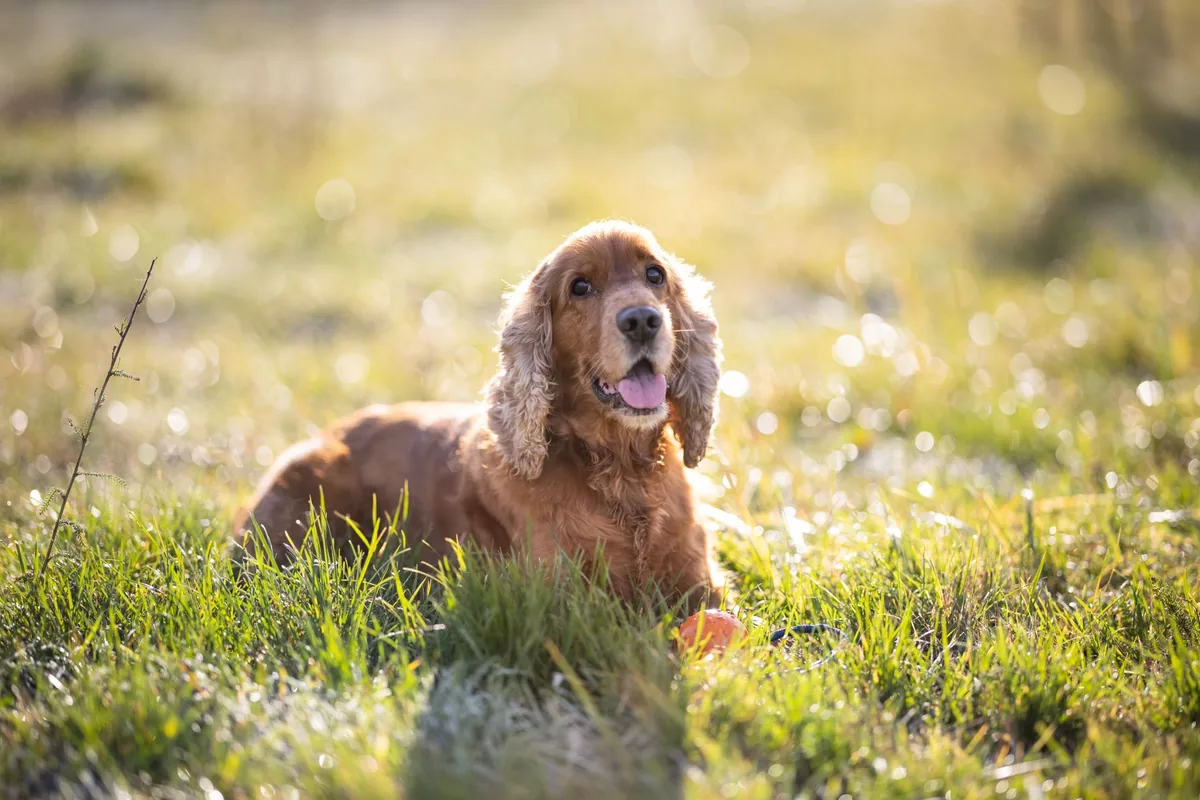
Genetics plays a big role. Breeds most often cited in the literature (AAHA 2023) include Cocker Spaniels, Basset Hounds, Shih Tzus, Bulldogs, and West Highland White Terriers. These breeds either have a hereditary predisposition to immune‑mediated KCS or structural eye features that make tear production less efficient.
Signs and symptoms
Owners usually notice a progressive pattern of eye discomfort. Early signs can be subtle, while severe cases may lead to ulceration or blindness.
| Stage | Typical Signs |
|---|---|
| Mild | Intermittent blinking, occasional squinting, mild watery discharge |
| Moderate | Persistent redness, thick mucoid discharge, frequent pawing at the eye |
| Severe | Corneal ulcer, scarring, cloudiness, loss of vision, chronic infection |
Other clues include a gritty sensation (the dog may rub its face on furniture), a dry or “snow‑y” appearance to the cornea, and a noticeable decrease in activity because the eye hurts.
When to call your vet
Call your vet today if: your dog shows any of the mild to moderate signs listed above—persistent redness, discharge, or frequent pawing.
Go to an emergency veterinary hospital right now if: you see a sudden corneal ulcer, a large white spot on the eye, or if the eye appears painful (excessive tearing, pawing, or refusal to open the eye).
This article is for informational purposes only and does not replace professional veterinary care.
How vets diagnose it
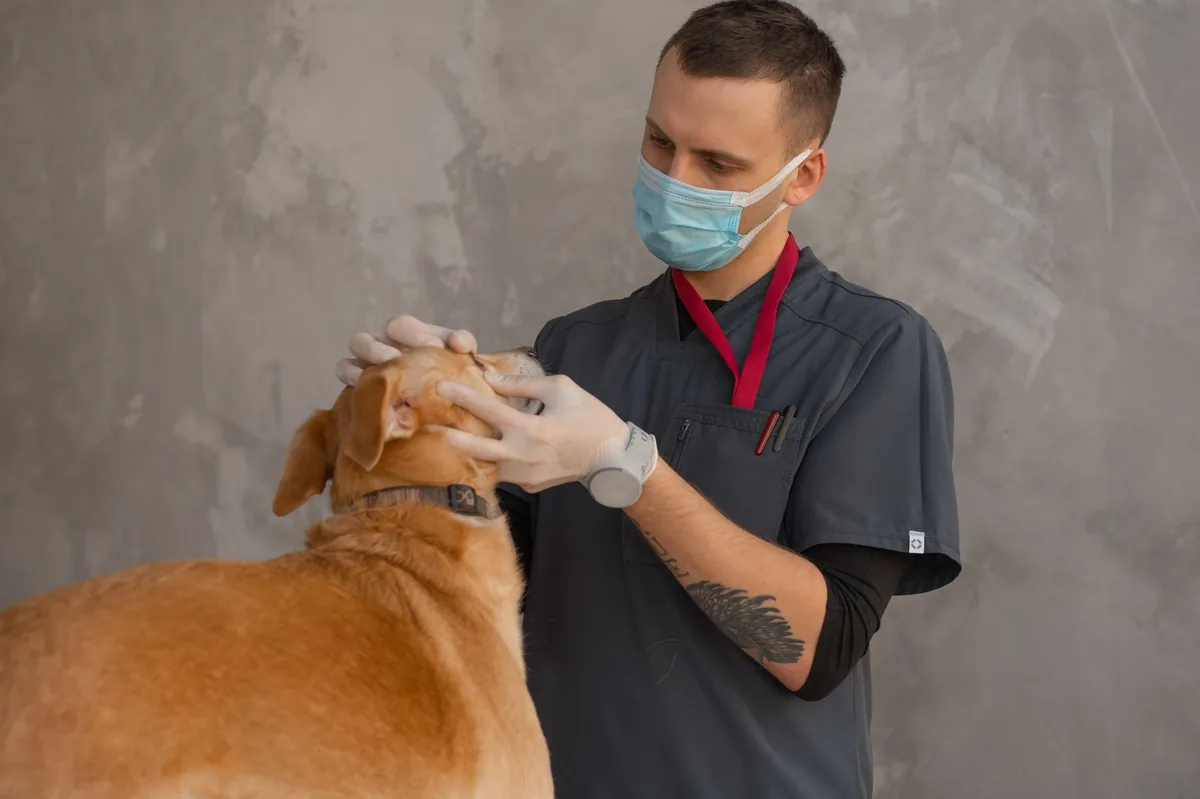
Diagnosis begins with a thorough history and eye exam. Your veterinarian will look for the classic “dry” appearance and may perform several specific tests:
- Schirmer tear test (STT): A small strip of filter paper is placed under the lower eyelid for one minute. Less than 15 mm of wetting indicates inadequate tear production.
- Fluorescein staining: A dye highlights corneal ulcers or scratches that can develop from dryness.
- Tear film breakup time (TFBUT): Measures how quickly the tear film evaporates after blinking.
- Complete blood work: Helps rule out systemic autoimmune disease or infection that could be causing secondary KCS.
- Neurologic exam or imaging: If facial nerve damage is suspected, a CT or MRI may be recommended.
These tests together give the vet a clear picture of tear production, ocular surface health, and any underlying systemic issues.
Treatment options
Medical treatment
The cornerstone of KCS management is restoring tear volume and reducing inflammation. Most dogs respond to one or more of the following:
- Cyclosporine ophthalmic solution (e.g., Restasis, Optimmune): An immunosuppressant that stimulates tear‑producing glands. It’s the first‑line drug for primary KCS. Ask your vet about this option.
- Tacrolimus eye drops: Another calcineurin inhibitor used when cyclosporine isn’t effective.
- Artificial tears and lubricating ointments: Preservative‑free drops (e.g., Refresh Optive) can be applied 3–6 times daily to keep the surface moist.
- Topical anti‑inflammatories: Short courses of corticosteroid drops may be used to control acute inflammation, but only under veterinary supervision.
- Antibiotic eye drops: Prescribed when a secondary bacterial infection develops.
All dosage decisions are weight‑based and tailored to each dog, so you’ll need to discuss the exact regimen with your vet.
Supplements and supportive care
While supplements can’t replace prescription medication, they may help support tear production and overall ocular health:
- Omega‑3 fatty acids (EPA/DHA): Found in fish oil, they reduce ocular surface inflammation. A daily dose of 20 mg per kg body weight is typical, but ask your vet for the appropriate product.
- Vitamin A (beta‑carotene): Essential for mucous membrane health; a balanced commercial diet usually provides enough, but a vet may recommend a supplement if the dog is on a very low‑fat diet.
- Probiotics: May improve gut health, indirectly supporting immune regulation that can affect tear production.
Procedures or surgery
When medical therapy fails after several months, surgical options are considered:
- Parotid duct transposition: A duct from the salivary gland is rerouted to the eye to provide a constant tear‑like fluid. Recovery is usually 2–3 weeks, and the cost ranges from $2,500–$4,000 (US) or £2,000–£3,500 (UK).
- Hard palate graft or conjunctival flap: Used for severe corneal ulcers; these procedures protect the cornea while the eye heals.
Even though surgery sounds daunting, most dogs adapt well and regain a comfortable eye surface.
Diet and nutrition
While no diet can cure dry eye, nutrition can influence tear production and overall eye health. A balanced diet that supplies adequate essential fatty acids, antioxidants, and high‑quality protein supports the lacrimal glands and reduces inflammation.
Here are the nutritional principles to follow:
- High‑quality protein: Dogs need at least 18 % protein on a dry‑matter basis. Protein provides the amino acids necessary for glandular function.
- Omega‑3 fatty acids: Aim for a combined EPA/DHA content of 0.5–1 % of the diet. Fish oil or algae‑based supplements are the most reliable sources.
- Vitamin A and beta‑carotene: These nutrients help maintain a healthy ocular surface. Look for foods that list fish liver oil or sweet potato as ingredients.
- Antioxidants (vitamin E, selenium, lutein, zeaxanthin): They protect the eye from oxidative stress, which can worsen inflammation.
- Limited sodium and processed additives: Excess salt can increase dehydration, indirectly affecting tear production.
Many therapeutic renal or ophthalmic diets (e.g., Hill’s Prescription Diet k/d, Royal Canin Renal Support) already contain elevated omega‑3s and antioxidants, making them suitable for dogs with KCS. However, any prescription diet should be selected with your vet’s guidance.
| Food category | Do feed | Limit | Avoid |
|---|---|---|---|
| Commercial kibble | High‑protein, grain‑free or limited grain with added fish oil | Low‑fat formulas without omega‑3 enrichment | Highly processed, high‑carb, low‑protein diets |
| Wet/canned | Moist foods with natural meat sources and added DHA | Those with excessive sodium | Foods with artificial colors or flavors |
| Home‑cooked | Lean meats, fish (cooked), veggies, and a fish‑oil supplement | Raw fish (risk of thiamine deficiency) | Bone‑only meals lacking balanced nutrients |
| Supplements | EPA/DHA fish oil (vet‑approved dosage) | High‑dose vitamin A (risk of toxicity) | Unregulated “tear‑boost” pills without evidence |
When transitioning to a new diet, do it gradually over 7–10 days to avoid gastrointestinal upset—a common concern for senior dogs. Mix a small amount of the new food with the current diet, increasing the proportion each day.
Finally, keep fresh water available at all times. Adequate hydration supports all glandular secretions, including tears.
Cost and prognosis
Financial considerations can shape treatment choices. Below are typical cost ranges (estimates, not guarantees):
| Item | US estimate | UK estimate |
|---|---|---|
| Initial eye exam + Schirmer test | $100–$150 | £80–£130 |
| Fluorescein staining & TFBUT | $30–$50 | £25–£45 |
| Cyclosporine eye drops (30 ml) | $100–$180 | £80–£150 |
| Tacrolimus drops (30 ml) | $120–$200 | £100–£180 |
| Parotid duct transposition surgery | $2,500–$4,000 | £2,000–£3,500 |
| Annual follow‑up visits (incl. labs) | $150–$250 | £120–£220 |
Prognosis is generally good when KCS is diagnosed early. Most dogs maintain comfortable vision for years with consistent medication. In refractory cases that require surgery, success rates exceed 80 % according to ACVO data.
Prevention and home care
While you can’t change a dog’s genetic risk, everyday habits can reduce the chance of KCS developing or worsening:
- Regular eye checks: Look for redness, discharge, or squinting during daily grooming. A quick “gums and eyes” routine each morning helps catch problems early.
- Protect from trauma: Keep sharp objects, rough toys, and aggressive play away from the face, especially for breeds prone to facial nerve injury.
- Limit exposure to irritants: Avoid smoke, strong cleaning chemicals, and dusty environments that can dry the ocular surface.
- Use preservative‑free artificial tears: Even dogs without KCS benefit from a few drops a day during dry winter months.
- Annual veterinary wellness exams: Your vet can perform a quick Schirmer test as part of a routine check‑up, especially for at‑risk breeds.
When your dog is on medication, keep a log of drop administration times and bring that record to each vet visit. Consistency is key—missing doses can let inflammation flare up quickly.
From our vet team: “If you notice even a subtle change in your dog’s eye comfort, schedule a vet visit within 48 hours. Early intervention with cyclosporine often prevents the need for surgery, and most dogs love the relief they feel once tears return.”
Key takeaways
- Dry eye syndrome (KCS) means insufficient tear production, leading to eye irritation and infection risk.
- Common signs include redness, discharge, squinting, and a cloudy cornea; severe cases can cause ulcers.
- Veterinarians diagnose KCS with the Schirmer tear test, fluorescein staining, and sometimes blood work or imaging.
- First‑line treatment is cyclosporine eye drops; artificial tears and omega‑3 supplements support comfort.
- Breeds like Cocker Spaniels, Basset Hounds, and Bulldogs are predisposed, so schedule regular eye exams.
- Cost varies: expect $100–$180 for medication and $2,500–$4,000 for surgery if needed; early treatment usually keeps expenses lower.
Myth vs. fact
Myth: Dry eye is the same as pink eye (conjunctivitis).
Fact: Pink eye is an inflammation often caused by infection, while dry eye is a tear‑production problem; both can coexist but require different treatments.
Myth: Only older dogs get dry eye.
Fact: While seniors are more commonly affected, young dogs can develop KCS due to trauma, medication side‑effects, or congenital defects.
Myth: Home remedies like eye wipes can cure KCS.
Fact: Over‑the‑counter wipes may soothe irritation temporarily but cannot restore tear production; veterinary‑prescribed drops are essential.
Frequently asked questions
What causes dry eye syndrome in dogs?
Dry eye can stem from immune‑mediated damage to the lacrimal glands, facial nerve injury, certain medications, or inherited gland hypoplasia. Breeds such as Cocker Spaniels and Basset Hounds have a genetic predisposition.
How can I tell if my dog has dry eye?
Look for persistent redness, a thick mucoid discharge, frequent pawing at the eye, and a cloudy or “snow‑y” cornea. A quick vet‑performed Schirmer tear test confirms low tear production.
What treatment does a vet recommend for dry eye in dogs?
First‑line therapy is cyclosporine ophthalmic solution, often combined with preservative‑free artificial tears. If cyclosporine fails, tacrolimus or surgical options like parotid duct transposition may be considered.
Is dry eye syndrome hereditary in certain breeds?
Yes. Studies published by the American College of Veterinary Ophthalmologists show a higher incidence in Cocker Spaniels, Basset Hounds, Shih Tzus, Bulldogs, and West Highland White Terriers, suggesting a hereditary component.
Can dry eye lead to blindness in dogs?
If left untreated, chronic dryness can cause corneal ulcers and scarring, which may impair vision. Prompt treatment usually prevents permanent vision loss.
How much does treatment for dry eye cost?
Medication such as cyclosporine eye drops costs $100–$180 for a 30 ml bottle in the US. Annual vet visits and follow‑up testing add $150–$250. Surgical intervention, if needed, ranges from $2,500–$4,000.
Ask the PuppaDogs community
Have a question this article didn’t fully answer? Want to compare notes with other dog owners who’ve been through this? Our community forum is moderated by experienced owners and vets — and answers tend to come fast. Ask in the PuppaDogs community →
References
- American College of Veterinary Ophthalmologists (ACVO). “Keratoconjunctivitis Sicca (Dry Eye) in Dogs.” 2023.
- American Animal Hospital Association (AAHA). “Canine Ocular Health Guidelines.” 2023.
- Merck Veterinary Manual. “Keratoconjunctivitis Sicca (Dry Eye).” 2022.
- American College of Veterinary Internal Medicine (ACVIM). “Autoimmune Disorders in Dogs.” 2021.
- World Small Animal Veterinary Association (WSAVA). “Eye Disease in Companion Animals.” 2022.
- Cornell University College of Veterinary Medicine. “Schirmer Tear Test Protocol.” 2020.
- Veterinary Ophthalmology (3rd ed.). “Surgical Management of Refractory KCS.” 2021.
- AAHA. “Breed Predispositions to Ocular Disease.” 2023.
- Plumb’s Veterinary Drug Handbook. “Cyclosporine Ophthalmic Solution.” 2022.
- UC Davis School of Veterinary Medicine. “Nutritional Support for Ocular Health.” 2022.


