














Quick take: Severe constipation in dogs is when hard, dry stool can’t be passed for several days, often with pain, loss of appetite, and a swollen abdomen. It can signal an underlying medical problem and may require veterinary treatment, but early at‑home measures and proper diet can often resolve it.
It’s 10 p.m., you’re in the kitchen humming a tune, and your normally‑bouncy golden retriever, Max, is sitting by the counter, staring at the floor instead of greeting you at the door. You notice his belly looks a little rounder, and when you gently lift his lip to check his gums, they appear paler than usual. The Googling starts, and the words “constipation” flash across the screen. Your heart races: is this a simple hiccup, or something that could become life‑threatening?
We get it. A dog that can’t poop feels like a crisis, and the mix of worry, midnight silence, and a furry friend in discomfort can be overwhelming. The good news is that most cases of constipation can be addressed with a clear plan—starting with what you can do tonight, followed by when a vet’s help is essential, and finally how to keep the problem from returning.
In this guide we’ll explain exactly what severe constipation is, why it happens, what signs tell you it’s an emergency, how veterinarians figure out the cause, and the range of treatments—from home remedies to prescription meds and, in rare cases, surgery. We’ll also cover diet tweaks, cost expectations, and prevention tips so you can keep your dog moving comfortably for years to come.
What is severe constipation in dogs?
Constipation is the inability to pass normal, soft stool within the usual time frame (usually 24–48 hours for most dogs). Severe constipation—sometimes called obstipation—means the stool is hard, dry, and stuck for three days or more, often accompanied by abdominal discomfort, straining, and a risk of complications such as megacolon or intestinal blockage.
While mild constipation can be a temporary hiccup caused by a change in routine, severe constipation is less common and typically signals an underlying issue that needs veterinary attention. Studies from the American College of Veterinary Internal Medicine (ACVIM) suggest that up to 15 % of senior dogs experience chronic constipation, making it a notable concern for older pets.
What causes severe constipation in dogs?
Understanding the root cause helps you target prevention and treatment. Causes fall into several broad categories:
| Category | Typical Triggers |
|---|---|
| Dietary factors | Low fiber, high protein or dry kibble without adequate moisture, sudden diet changes. |
| Dehydration | Insufficient water intake, hot weather, excessive panting, or illness causing fluid loss. |
| Medical conditions | Hypothyroidism, diabetes, kidney disease, spinal disorders, megacolon, anal gland disease. |
| Medications | Opioids, antacids containing aluminum hydroxide, certain antihistamines. |
| Anatomical issues | Pelvic narrowing, narrowed colon (strictures), congenital malformations. |
In many senior dogs, a combination of reduced activity, lower water consumption, and age‑related muscle tone loss in the colon creates a perfect storm for severe constipation.
Signs and symptoms
Owners are the first detectives. Look for a progression from mild to severe signs:
| Severity | What you may notice |
|---|---|
| Mild | Occasional straining, slightly firmer stools, reduced enthusiasm for walks. |
| Moderate | Frequent straining, hard pellet‑like stools, mild abdominal bloating, decreased appetite. |
| Severe | Inability to pass stool for 3+ days, very hard “rock‑like” feces, marked abdominal pain, vomiting, lethargy, pale gums, signs of discomfort when the abdomen is touched. |
Other red‑flag signs include:
- Sudden loss of appetite or refusal to eat.
- Vomiting that contains bile or undigested food.
- Visible blood in the stool or on the fur around the anus.
- Signs of distress when you try to lift or move the dog.
When to call your vet
Call your vet today if you notice:
- Straining for more than 24 hours without a bowel movement.
- Hard, dry stools that don’t soften with a gentle massage.
- Loss of appetite, vomiting, or a swollen, painful abdomen.
- Any blood in the stool or on the perianal area.
Go to an emergency veterinary hospital right now if you see:
- Severe abdominal pain (dog cries or flinches when the belly is touched).
- Vomiting repeatedly (more than two times in a row).
- Signs of shock—pale gums, rapid breathing, weakness.
- Sudden inability to urinate as well as defecate (possible urinary‑tract blockage).
These symptoms can indicate a blockage or megacolon that needs urgent intervention.
This article is for informational purposes only and does not replace a hands‑on examination by a qualified veterinarian.
How vets diagnose it
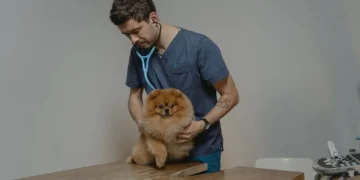
Diagnosis starts with a thorough history: diet, water intake, activity level, recent medication changes, and any previous gastrointestinal issues. The physical exam includes palpation of the abdomen to feel for stool accumulation or pain.
Typical diagnostic tools include:
- Blood work: Complete blood count (CBC) and chemistry panel to check for metabolic disorders (e.g., hypothyroidism, kidney disease) that can affect gut motility.
- Fecal analysis: Checks for parasites or abnormal bacteria that could be contributing.
- Abdominal radiographs (X‑rays): Visualize the colon for megacolon, foreign bodies, or a mass.
- Abdominal ultrasound: Gives a detailed look at the thickness of the colon wall and can detect soft‑tissue masses or strictures.
- Rectal examination: Allows the vet to feel for impacted stool and may be therapeutic in mild cases.
In chronic cases, a thyroid panel or CT scan may be recommended to rule out less common causes.
Treatment options
Medical treatment
When at‑home measures aren’t enough, veterinarians turn to prescription‑only medications. Common drug classes include:
- Laxatives: Lactulose (a sugar solution that draws water into the colon) and polyethylene glycol (PEG) are first‑line options. Ask your vet about these if diet changes don’t help.
- Stool softeners: Docusate sodium is sometimes used to soften hard pellets.
- Prokinetics: Metoclopramide or cisapride can stimulate intestinal motility, especially when a neurological component is suspected.
- Anti‑inflammatory agents: If inflammation from an anal gland infection is contributing, a short course of a steroid or NSAID (e.g., carprofen) may be prescribed.
Each medication is dosed based on your dog’s weight and the severity of the blockage, so it’s essential to follow your vet’s guidance.
Supplements and supportive care
Evidence‑based supplements can aid recovery, though they’re not a cure‑all:
- Omega‑3 fatty acids (EPA/DHA): Reduce inflammation in the colon and support overall gut health.
- Probiotics: Strains such as Enterococcus faecium help rebalance intestinal flora after a bout of constipation.
- Psyllium husk: A soluble fiber that can be mixed with water or wet food to add bulk and moisture to stool. Use only under veterinary direction to avoid over‑fibering.
These adjuncts work best when paired with proper hydration and a fiber‑rich diet.
Procedures or surgery
In rare, refractory cases, more invasive interventions are needed:
- Enema: A veterinarian‑administered enema (often with a warm saline solution) can break up impacted stool. It’s performed under sedation to minimize discomfort.
- Manual disimpaction: The vet may gently massage the colon through the abdomen or use a lubricated gloved finger to remove hard stool.
- Surgical correction: For structural problems like strictures or severe megacolon, surgery may be recommended. Recovery can take 2–4 weeks, and costs vary widely (see cost section).
Diet and nutrition
Nutrition is the cornerstone of both treatment and prevention. The goal is to provide enough fiber and moisture to keep the stool soft, while avoiding ingredients that can slow gut motility.
Foods to favor
- High‑fiber kibble: Look for formulas with at least 3–4 % crude fiber from sources like beet pulp, pumpkin, or chicory root.
- Wet or fresh foods: Canned dog food or home‑cooked meals that contain a higher water content (70 %+ moisture) naturally improve hydration.
- Cooked pumpkin or sweet potato: Both are gentle, digestible sources of soluble fiber that can be mixed into meals.
- Lean protein: Chicken, turkey, or fish provide essential amino acids without adding excess fat, which can slow digestion.
Foods to limit or avoid
- Dry, low‑fiber kibble: Especially those high in wheat or corn with little added fiber.
- Excessive treats: Chewy biscuits or meat jerky can be high in salt and low in moisture.
- High‑fat meals: Fat slows gastric emptying and can exacerbate constipation.
- Raw bones: While many owners feed raw, large bone fragments can cause impaction if not chewed thoroughly.
Prescription therapeutic diets
Veterinarians may recommend a therapeutic gastrointestinal diet (often labeled “GI” or “Digestive Health”) that contains pre‑biotics, moderate fiber, and added electrolytes. Brands differ, but the key is a balanced fiber source and high moisture.
Feeding schedule and hydration tips
- Offer fresh water at all times; consider a pet water fountain to encourage drinking.
- Add a splash of low‑sodium broth to dry kibble to increase moisture content.
- Feed smaller, more frequent meals (2–3 times daily) to stimulate regular motility.
- Gradually increase fiber by 10 % each week to avoid gas or diarrhea.
- Monitor stool consistency; aim for a soft, but formed, texture—similar to dog‑shaped Play‑Doh.
Transitioning to a new diet should be done over 7–10 days. Mix a small amount of the new food with the current diet, gradually increasing the proportion. This helps the gut microbiome adapt without causing sudden upset.
Cost and prognosis
Expenses vary by region, severity, and required diagnostics. Below is a rough estimate for United States and United Kingdom owners (prices are averages, not guarantees):
| Service | US (USD) | UK (GBP) |
|---|---|---|
| Initial exam & basic blood work | $80–$150 | £60–£120 |
| Abdominal X‑ray | $100–$200 | £80–£150 |
| Ultrasound (if needed) | $250–$400 | £180–£300 |
| Laxative prescription (e.g., lactulose) | $15–$30 | £10–£20 |
| Enema or manual disimpaction | $150–$300 | £120–£250 |
| Surgical correction (rare) | $2,000–$5,000 | £1,500–£4,000 |
Most dogs with severe constipation respond to medical management and dietary changes, leading to a good prognosis. When an underlying disease like hypothyroidism or megacolon is present, long‑term management may be required, but quality of life can remain high with proper care.
Prevention and home care
Consistent habits keep the colon moving:
- Hydration: Encourage water intake with fresh bowls, fountains, or adding water to dry food.
- Exercise: Daily walks and play stimulate intestinal motility. Even short, brisk walks after meals can help.
- Fiber routine: Add a measured spoon of canned pumpkin or a fiber supplement (like psyllium) to meals once a week, adjusting based on stool consistency.
- Regular vet checks: Senior dogs should have a wellness exam at least twice a year, allowing early detection of metabolic issues that can affect gut health.
- Medication review: If your dog is on opioids or antacids, discuss alternatives with your vet to reduce constipation risk.
Keeping a simple log of water intake, diet changes, and bathroom habits can help you spot trends before they become emergencies.
From our vet team: “We often see constipation early in senior dogs when a slight drop in water consumption goes unnoticed. A quick check of your dog’s gums and a gentle belly rub can give you clues—if the abdomen feels firm and the gums are pale, it’s time to call. Most of the time, a modest diet tweak and a little extra hydration turn things around, but never hesitate to seek veterinary help if the dog is straining or in pain.”
Key takeaways
- Severe constipation means hard, dry stools lasting 3+ days with pain or abdominal swelling.
- Call your vet today for any straining, loss of appetite, or swollen belly; go to the ER if your dog shows severe pain, repeated vomiting, or signs of shock.
- Dietary fiber, moisture, and regular exercise are the most effective prevention tools.
- Prescription laxatives, prokinetics, and, in rare cases, enemas or surgery can resolve the problem when home measures fail.
- Expect diagnostic costs between $80–$400 (US) and £60–£300 (UK); most cases resolve without surgery.
- Maintain regular vet wellness visits, especially for senior dogs, to catch underlying conditions early.
Myth vs. fact
Myth: Constipation is just a sign that my dog needs more exercise.
Fact: While exercise helps, severe constipation often involves diet, hydration, or medical issues that require veterinary evaluation.
Myth: Giving my dog human laxatives will solve the problem.
Fact: Human laxatives can be dangerous for dogs; only vet‑approved medications and supplements should be used.
Myth: If my dog passes a small piece of stool, the issue is over.
Fact: Partial passage may still indicate blockage; persistent straining or pain warrants a vet visit.
Frequently asked questions
What causes severe constipation in dogs?
Severe constipation can stem from low‑fiber diets, dehydration, certain medications (especially opioids), underlying diseases like hypothyroidism or megacolon, and anatomical abnormalities that impede stool passage.
How can I tell if my dog’s constipation is an emergency?
If your dog is straining for more than 24 hours, has a painful, swollen abdomen, is vomiting repeatedly, or shows pale gums and weakness, seek emergency veterinary care immediately.
What home treatments are safe for a constipated dog?
Safe at‑home steps include adding a small amount of canned pumpkin or cooked sweet potato to meals, encouraging water intake with a fountain, gentle abdominal massage, and, with vet approval, a low‑dose lactulose solution.
When should I call the vet for my dog’s constipation?
Call today for any prolonged straining, hard stools, loss of appetite, or mild abdominal discomfort. Call the emergency clinic if you notice severe pain, vomiting, or signs of shock.
Can diet changes prevent constipation in dogs?
Yes. Feeding a high‑moisture, fiber‑rich diet, ensuring constant access to fresh water, and limiting low‑fiber kibble can significantly reduce constipation risk, especially in senior or less active dogs.
What is the typical cost of treating severe constipation in dogs?
Initial exams and basic labs range from $80–$150 (US) or £60–£120 (UK). Imaging adds $100–$400 (US) or £80–£300 (UK). Prescription laxatives cost $15–$30, while enemas or manual disimpaction are $150–$300. Surgery, when required, can exceed $2,000.
Ask the PuppaDogs community
Have a question this article didn’t fully answer? Want to compare notes with other dog owners who’ve been through this? Our community forum is moderated by experienced owners and vets — and answers tend to come fast. Ask in the PuppaDogs community →
References
- American College of Veterinary Internal Medicine (ACVIM). “Gastrointestinal Motility Disorders in Dogs.” 2022.
- American Animal Hospital Association (AAHA). “Guidelines for Nutrition and Feeding of Dogs.” 2023.
- Merck Veterinary Manual. “Constipation in Dogs.” 2023 edition.
- World Small Animal Veterinary Association (WSAVA). “Dietary Fiber and Gastrointestinal Health.” 2021.
- Veterinary Clinics of North America: Small Animal Practice. “Management of Chronic Constipation in Senior Dogs.” 2022.
- American Veterinary Medical Association (AVMA). “Hydration Recommendations for Dogs.” 2022.
- University of California, Davis School of Veterinary Medicine. “Fiber Supplementation in Canine Diets.” 2021.
- British Veterinary Association (BVA). “Cost Guide for Veterinary Services.” 2023.
- International Society of Feline Medicine & Canine Nutrition (ISFM). “Probiotic Use in Dogs.” 2020.
- American Veterinary Medical Association (AVMA). “Recognizing Signs of Gastrointestinal Emergencies.” 2022.


