







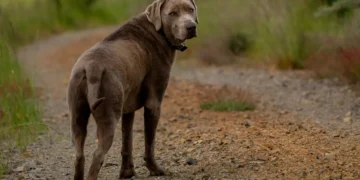




Quick take: Chronic diarrhea in dogs is defined as loose or watery stools lasting longer than three weeks. It can stem from many causes—diet, parasites, inflammatory bowel disease, or more serious conditions like cancer. Most dogs improve with proper diet changes and targeted treatment, but red‑flag signs (blood, vomiting, lethargy) require immediate veterinary care.
It’s 11 p.m., the house is quiet, and you notice the kitchen floor is slick with a fresh, brown puddle. Your usually energetic mixed‑breed, Max, is lying beside his water bowl, looking withdrawn and sniffing at his own paws. You’ve Googled “dog diarrhea” three times already, and the answers are all over the place. You wonder: is this just a one‑off upset stomach, or something more serious that needs a vet’s attention?
We get it—seeing your dog’s stool change can be unsettling, especially when the internet throws a flood of conflicting advice at you. The good news is that chronic diarrhea, while frustrating, often has a clear cause and an effective plan for management. In the next few minutes, we’ll walk through what chronic diarrhea actually is, why it happens, the warning signs you shouldn’t ignore, how vets figure out the root problem, and what you can do at home to help your dog feel better.
By the end of this guide, you’ll know when a simple diet tweak might be enough, when medication is necessary, and how much you might expect to spend on diagnostics and long‑term care. Let’s get started.
What is chronic diarrhea in dogs?
Chronic diarrhea is loose, watery, or soft feces that persists for three weeks or longer. It differs from an acute episode, which usually resolves within a few days and is often caused by a brief infection, dietary indiscretion, or a sudden stressor. Chronic diarrhea signals an ongoing problem in the gastrointestinal (GI) tract—such as inflammation, malabsorption, or a structural abnormality—that needs more than a quick fix.
According to the American College of Veterinary Internal Medicine (ACVIM), chronic GI disease affects roughly 5–10 % of dogs at some point in their lives, making it a relatively common reason owners seek veterinary care. While it can appear in any breed or age, certain breeds (e.g., German Shepherds, Shar‑Peis, and Boxers) are reported to have a higher predisposition to inflammatory bowel disease, a leading cause of long‑term diarrhea.
What causes chronic diarrhea in dogs?
Chronic diarrhea usually results from a combination of internal (intrinsic) and external (extrinsic) factors. Understanding the root cause helps guide treatment.
| Category | Typical Causes | Notes |
|---|---|---|
| Inflammatory | Inflammatory bowel disease (IBD), food‑protein intolerance, eosinophilic gastroenteritis | Immune‑mediated inflammation of the intestines; often breed‑linked. |
| Infectious | Parasites (Giardia, Coccidia), bacterial overgrowth, viral agents (e.g., canine coronavirus) | Often diagnosed with stool tests; may be zoonotic. |
| Dietary | Low‑quality kibble, sudden diet change, food allergies, excess fat, novel protein sources | Even premium foods can cause issues if they’re not well‑balanced for your dog’s needs. |
| Neoplastic | Intestinal lymphoma, adenocarcinoma, mast cell tumor | More common in older dogs; may present as chronic diarrhea with weight loss. |
| Other | Stress, endocrine disorders (hyperthyroidism, Addison’s), pancreatic insufficiency, chronic medication side‑effects | Stress‑related diarrhea can flare after travel or a new household member. |
Signs and symptoms
Owners often notice the stool first, but other clues can signal the severity or underlying cause.
| Severity | Typical Signs |
|---|---|
| Mild | Soft stools, occasional urgency, slight decrease in appetite, mild flatulence. |
| Moderate | Frequent loose stools (2–4 times/day), visible mucus, intermittent vomiting, weight loss, lethargy. |
| Severe | Blood or black tarry stool, severe dehydration, continuous vomiting, rapid weight loss, abdominal pain, fever. |
Red‑flag signs—blood in the stool, vomiting, sudden collapse, or signs of severe dehydration—require immediate veterinary attention.
When to call your vet
Call your vet today if you notice any of the following:
- Diarrhea lasting more than three days without improvement.
- Presence of mucus or a slight amount of fresh blood.
- Reduced appetite, mild weight loss, or intermittent vomiting.
- Changes in behavior such as increased lethargy or mild abdominal discomfort.
Go to an emergency veterinary hospital right now if you see:
- Profuse amounts of fresh blood or black, tarry stool (melena).
- Signs of severe dehydration (dry gums, skin tenting, sunken eyes).
- Continuous vomiting, especially if you cannot keep fluids down.
- Sudden collapse, weakness, or difficulty breathing.
This article provides general information only and is not a substitute for professional veterinary care. If you’re ever unsure, contact your veterinarian.
How vets diagnose chronic diarrhea in dogs
Diagnosing chronic diarrhea is a stepwise process that combines history, physical exam, and targeted testing.
- History and physical exam: Your vet will ask about diet, recent travel, stressors, and any medications. A thorough exam checks for abdominal pain, dehydration, and palpable masses.
- Stool analysis: A fresh sample is examined for parasites, bacterial overgrowth, and occult blood. The American Veterinary Medical Association (AVMA) recommends at least three separate fecal exams for intermittent parasites.
- Blood work: Complete blood count (CBC) and chemistry panel assess anemia, inflammation, organ function, and electrolyte balance. Elevated eosinophils can hint at allergies or parasitic infection.
- Imaging: Abdominal X‑rays or ultrasound identify structural abnormalities, masses, or thickened intestinal walls. Ultrasound is especially helpful for visualizing the small intestine.
- Endoscopy and biopsies: If non‑invasive tests are inconclusive, a gastroenterologist may perform an endoscopy to obtain tissue samples. Histopathology can confirm IBD, neoplasia, or other microscopic disease.
Treatment options
Medical treatment
Medication is tailored to the underlying cause identified by the vet.
- Antiparasitics: Drugs such as fenbendazole or metronidazole target Giardia, Coccidia, and some bacterial overgrowth.
- Antibiotics: Broad‑spectrum agents like enrofloxacin or tylosin are used when bacterial dysbiosis is suspected. Your vet will choose based on culture results when possible.
- Anti‑inflammatory / immunosuppressants: For IBD, corticosteroids (e.g., prednisone) are often first‑line. In refractory cases, drugs such as azathioprine or cyclosporine may be recommended. Ask your vet about this option.
- Prokinetics: Medications like cisapride or metoclopramide help improve intestinal motility when delayed transit contributes to diarrhea.
Supplements and supportive care
Adjunctive supplements can help restore gut health and reduce inflammation.
- Probiotics: Strains such as Enterococcus faecium or Lactobacillus acidophilus have demonstrated benefit in stabilizing the microbiome. Look for products meeting the standards of the World Small Animal Veterinary Association (WSAVA).
- Omega‑3 fatty acids (EPA/DHA): Fish‑oil supplements can lessen intestinal inflammation, especially in IBD cases.
- Digestive enzymes: Adding a pancreatic enzyme blend may aid dogs with exocrine pancreatic insufficiency (EPI), a less common cause of chronic diarrhea.
- Prebiotic fibers: Soluble fibers like pumpkin or psyllium can bulk up stool and support healthy bacteria, but they should be introduced gradually.
Procedures or surgery
Surgery is rarely needed for chronic diarrhea, but it becomes relevant when a structural problem is identified.
- Intestinal tumor removal: If imaging or biopsy reveals a localized neoplasm, surgical excision may be curative. Recovery can take 2–4 weeks, and costs range from $3,000‑$6,000 (US) or £2,200‑£4,500 (UK) including hospitalization.
- Partial bowel resection: For severe inflammatory strictures, a portion of the intestine may be removed. This is a major procedure with a longer recovery and higher expense.
Diet and nutrition
Dietary management is the cornerstone of chronic diarrhea therapy and often the first thing owners can change without a prescription. The goal is to provide highly digestible nutrients while minimizing irritants that can worsen gut inflammation.
What to feed
- Highly digestible protein: Sources such as boiled chicken, turkey, or low‑fat cottage cheese break down easily and supply essential amino acids without overloading the intestine.
- Limited‑ingredient diets (LID): Commercial LID formulas contain 1–2 protein sources and a single carbohydrate, which helps identify food sensitivities. Look for AAFA‑approved diets that meet AAFCO nutrient profiles.
- Cooked home‑cooked diet (HCD): A balanced recipe of boiled lean meat, white rice or sweet potato, and a small amount of pumpkin can be soothing. Ensure it contains appropriate vitamin and mineral supplementation—consult your vet or a board‑certified nutritionist.
- Prescription therapeutic diets: For dogs with diagnosed IBD or malabsorption, foods such as Hill’s i/d or Royal Canin Gastrointestinal can provide targeted fiber and prebiotic blends. These are not brand endorsements; they simply illustrate the type of diet that may be recommended.
What to limit or avoid
- High‑fat foods: Fat slows gastric emptying and can exacerbate diarrhea. Avoid table scraps, bacon, and fatty treats.
- Dairy: Many adult dogs are lactose‑intolerant; milk, cheese, and yogurt can cause loose stools.
- High‑fiber or fermentable carbs: While some fiber is helpful, excessive bran or raw vegetables may increase gas and stool volume.
- Artificial additives: Preservatives, colorings, and flavor enhancers in low‑quality kibble can irritate the gut lining.
Feeding schedule and transition tips
Feed small, frequent meals (3–4 times daily) rather than one large portion. This reduces the workload on the intestines and can improve stool consistency. When switching foods, use a gradual 7‑day transition: mix 25 % new diet with 75 % old diet on day 1, increase the new portion by 25 % each subsequent day. Monitor stool quality daily; if diarrhea worsens, pause the transition and revert to the previous diet while consulting your vet.
| Do feed | Limit | Avoid |
|---|---|---|
| Boiled chicken, turkey, white rice, sweet potato, pumpkin. | Moderate amounts of canned pumpkin (1‑2 tbsp per day). | Fatty meats, cheese, whole dairy, high‑fat treats. |
| Limited‑ingredient commercial diets with single protein source. | Large servings of canned dog food (high sodium). | Artificial colors, flavors, and preservatives. |
| Prescription GI therapeutic diets when advised. | Excessive raw vegetables (e.g., broccoli, cauliflower). | Raw bones that can splinter and cause intestinal injury. |
Water intake is equally important. Chronic diarrhea can cause dehydration, so ensure fresh water is always available. Adding a splash of low‑sodium broth can encourage drinking, but avoid broth with onions or garlic, which are toxic to dogs.
For owners who prefer raw or home‑prepped meals, the PuppaDogs nutrition calculator can help balance calories, protein, fat, and essential vitamins to meet AAFCO standards.
Cost and prognosis
Financial considerations often influence how quickly owners seek care. Below are typical cost ranges for the United States and United Kingdom, based on AAHA and veterinary practice surveys.
| Service | US (estimate) | UK (estimate) |
|---|---|---|
| Initial exam & basic labs (CBC, chemistry, urinalysis) | $80‑$150 | £60‑£120 |
| Fecal parasite panel | $30‑$70 | £25‑£55 |
| Ultrasound | $300‑$600 | £250‑£500 |
| Endoscopy with biopsies | $1,200‑$2,500 | £900‑£1,800 |
| Medication (monthly) | $30‑$150 | £25‑£120 |
| Prescription therapeutic diet (monthly) | $40‑$80 | £30‑£70 |
Prognosis varies with the underlying cause. For diet‑related or mild inflammatory conditions, most dogs improve within weeks of proper management and can enjoy a normal lifespan. When chronic diarrhea is a sign of neoplasia or severe IBD, the outlook depends on the stage at diagnosis and response to therapy; median survival can range from several months to a few years. Your vet will discuss realistic expectations based on test results and your dog’s overall health.
Prevention and home care
- Maintain a stable diet: Avoid sudden changes and limit treats to ≤10 % of daily calories.
- Regular deworming: Follow the AVMA guidelines for parasite control, typically every 3–6 months depending on lifestyle.
- Stress reduction: Provide routine, safe spaces, and gradual introductions to new environments or pets.
- Monitor stool regularly: Keep a simple log of frequency, consistency, and any blood or mucus. This helps your vet spot trends early.
- Annual wellness exams: Early blood work and fecal testing can catch subclinical issues before they become chronic.
When a flare occurs, re‑evaluate recent diet changes, travel history, or any new medications. Most owners find that a quick switch back to a bland, limited‑ingredient diet can calm the gut while awaiting the vet’s advice.
From our vet team: “Chronic diarrhea is rarely an emergency, but it’s a signal that something isn’t right in your dog’s digestive system. The most successful outcomes come from a partnership—owners who keep a stool diary, stick to a consistent diet, and work closely with their vet to fine‑tune diagnostics and treatment.”
Key takeaways
- Chronic diarrhea is defined as loose stools lasting more than three weeks and often signals an ongoing GI issue.
- Common causes include IBD, parasites, food sensitivities, stress, and less often, intestinal tumors.
- Red‑flag signs—blood, vomiting, severe dehydration, or sudden collapse—require immediate veterinary care.
- Diagnosis involves stool exams, blood work, imaging, and sometimes endoscopy with biopsies.
- Dietary changes (high‑digestibility, limited‑ingredient foods) are the foundation of treatment, supplemented by meds and probiotics when needed.
- Typical costs range from $80 for basic labs to $2,500 for advanced diagnostics; prognosis is good for most diet‑related cases.
Myth vs. fact
Myth: “If my dog’s diarrhea isn’t bloody, it’s not serious.”
Fact: Even non‑bloody chronic diarrhea can indicate serious disease such as IBD or cancer; persistent loose stools merit veterinary evaluation.
Myth: “Over‑the‑counter human anti‑diarrheal meds are safe for dogs.”
Fact: Human medications like loperamide can be toxic to dogs and should never be given without veterinary guidance.
Myth: “Changing the diet once will fix the problem forever.”
Fact: Many dogs need ongoing dietary management, and occasional flare‑ups may require temporary adjustments.
Frequently asked questions
What are the common signs of chronic diarrhea in dogs?
Most dogs show soft or watery stools for more than three weeks, often with increased frequency, mucus, or mild weight loss. You may also notice a reduced appetite, occasional vomiting, and a dull coat.
Can chronic diarrhea be a sign of cancer in dogs?
Yes, intestinal lymphoma or other gastrointestinal tumors can present as chronic diarrhea, especially in older dogs. Blood in the stool, rapid weight loss, or a palpable abdominal mass increase the suspicion and warrant thorough testing.
How is chronic diarrhea diagnosed by a veterinarian?
Veterinarians start with a detailed history and physical exam, then run stool tests for parasites, blood work to assess inflammation, and imaging (X‑ray or ultrasound). If needed, they may perform an endoscopy with biopsies to pinpoint the exact cause.
What diet changes can help a dog with chronic diarrhea?
Switching to a highly digestible, limited‑ingredient diet—such as boiled chicken with white rice or a commercial low‑allergen kibble—often improves stool consistency. Adding a small amount of canned pumpkin or a probiotic can also help restore gut balance.
Are there any over‑the‑counter treatments for chronic diarrhea in dogs?
Over‑the‑counter remedies for humans are not safe for dogs. Some pet‑specific probiotic powders and fiber supplements are available, but they should be used under veterinary guidance to avoid masking an underlying disease.
When should I take my dog to the emergency vet for diarrhea?
Go to an emergency clinic immediately if you see fresh blood or black, tarry stool, signs of severe dehydration (dry gums, tenting skin), continuous vomiting, or if your dog becomes lethargic or collapses.
Ask the PuppaDogs community
Have a question this article didn’t fully answer? Want to compare notes with other dog owners who’ve been through this? Our community forum is moderated by experienced owners and vets — and answers tend to come fast. Ask in the PuppaDogs community →
References
- American College of Veterinary Internal Medicine (ACVIM). “Gastrointestinal Disease in Dogs.” 2023.
- American Animal Hospital Association (AAHA). “Chronic Diarrhea: Diagnostic Approach.” 2022.
- American Veterinary Medical Association (AVMA). “Parasite Control Guidelines.” 2023.
- World Small Animal Veterinary Association (WSAVA). “Probiotic Use in Companion Animals.” 2021.
- Merck Veterinary Manual. “Diarrhea in Dogs.” 2022 edition.
- Veterinary Clinics of North America: Small Animal Practice. “Inflammatory Bowel Disease in Dogs.” 2021.
- American Veterinary Medical Association (AVMA). “Guidelines for Veterinary Endoscopy.” 2022.
- National Research Council (NRC). “Nutrient Requirements of Dogs.” 2020.
- Royal Veterinary College, University of London. “Cost of Veterinary Care in the UK.” 2022.
- American Veterinary Medical Association (AVMA). “Fecal Testing and Interpretation.” 2022.

