












Short answer: Dogs don’t get true hemorrhoids because their anal vein anatomy is different from humans. What looks like hemorrhoids in dogs is usually one of: impacted anal glands, anal sac abscess, perianal fistulas, perianal tumors, or rectal prolapse. All deserve a vet visit.
What you should actually do
- Anal sac disease: most common – swelling/redness/odor on either side of anus at 4 and 8 o’clock.
- Perianal fistulas: chronic painful draining tracts around anus; German Shepherds are over-represented.
- Perianal adenoma/adenocarcinoma: small lumpy growths in older intact male dogs.
- Rectal prolapse: actual rectal tissue protrudes – emergency in young puppies (heavy parasites) or after straining.
- Most of these need an in-person rectal exam to diagnose properly.
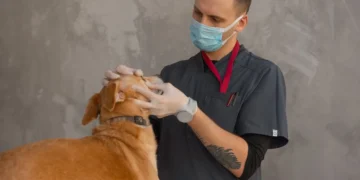
If you see something pink, swollen, or protruding around your dog’s anus, photograph it and call the vet. Don’t apply human hemorrhoid creams – the underlying problem is different and some active ingredients (zinc oxide, hydrocortisone, witch hazel) can irritate dog skin or worsen the actual diagnosis.
Recurrent anal sac problems benefit from increased dietary fiber (1 tsp canned pumpkin per 10 lb), weight control, and sometimes surgical sacculectomy.
Dig deeper
⚕️ Medical Disclaimer
The information on this page is intended for educational purposes only and does not replace a hands-on veterinary examination. Drug doses depend on your dog’s complete clinical picture, concurrent medications, and the exact product formulation. Always confirm dosing with your veterinarian before administering any medication, and contact a 24-hour veterinary emergency service or animal poison control immediately if you suspect a medication overdose or adverse reaction. Editorial standards: every drug dose published on PuppaDogs is cross-checked against multiple authoritative veterinary references and reviewed by PuppaDogs Veterinary Editorial Team before publication.


