














🚨 Red flag — call your vet now if: severe skin tent >5 sec, pale gums, weakness, collapse, or persistent vomiting – go to a vet immediately for IV fluid support.
What you should actually do
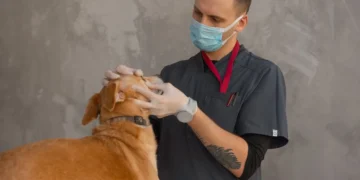
- Skin tent test: pinch the skin between the shoulder blades. Normal: snaps back instantly. >2 seconds = 5-7% dehydrated. >5 seconds = severe.
- Gum check: should be wet and slick. Tacky/dry = dehydrated. Pale/white = shock or severe dehydration.
- Capillary refill time: press a finger on the gum, release. Should pink up in <2 seconds. >3 seconds = poor perfusion, emergency.
- Home rehydration: small frequent sips of water or unflavored Pedialyte (1 tsp per 5 lb every 10 min). If vomiting persists, oral fluids won’t work – need IV/subQ at vet.
- Daily water need: 50-100 mL/kg/day baseline; doubles in hot weather or with vigorous exercise.
Dogs are excellent at compensating until they suddenly can’t. A working dog hiking in 90 °F heat may look fine until 8% dehydration when sudden weakness and collapse occur – this is heat exhaustion progressing to heat stroke. Carry water, take frequent breaks, and monitor for excessive panting and tongue lolling.
Subcutaneous fluids are an underused tool – any vet visit for diarrhea + mild dehydration can be supported with 200-500 mL of lactated Ringer’s under the skin in the scruff. They’re absorbed over 6-12 hours and often prevent the need for IV admission. Some owners with CKD dogs learn to give subQs at home.
Dig deeper
⚕️ Medical Disclaimer
The information on this page is intended for educational purposes only and does not replace a hands-on veterinary examination. Drug doses depend on your dog’s complete clinical picture, concurrent medications, and the exact product formulation. Always confirm dosing with your veterinarian before administering any medication, and contact a 24-hour veterinary emergency service or animal poison control immediately if you suspect a medication overdose or adverse reaction. Editorial standards: every drug dose published on PuppaDogs is cross-checked against multiple authoritative veterinary references and reviewed by PuppaDogs Veterinary Editorial Team before publication.


