









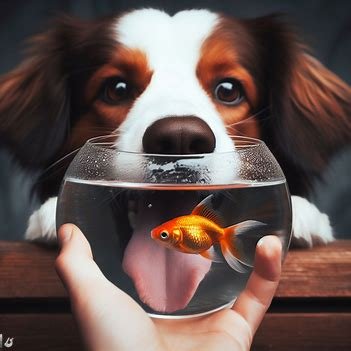
⚡ Quick answer: Can Dogs Eat Goldfish? “Goldfish crackers are tempting, but are they good for dogs? Understand the potential risks and alternatives.”
Munching on Goldfish crackers and your dog is staring at you with those pleading eyes? You might wonder: “Can I share a few of these cheesy snacks with my pup?”
Quick answer? TECHNICALLY YES, BUT NOT RECOMMENDED—Goldfish crackers aren’t toxic, but they’re loaded with salt and offer zero nutritional value! 🐟
The main concerns? Goldfish crackers contain 230mg of sodium per serving, artificial ingredients, and empty calories that can lead to health problems.
TECHNICALLY YES, but NOT recommended. While Goldfish crackers aren’t toxic to dogs, they contain excessive sodium (230mg per serving), artificial ingredients, empty calories, and zero nutritional benefits. If your dog sneaks a few, they’ll likely be fine, but these should NEVER be a regular treat. Much healthier alternatives exist!
Table of Contents
Are Goldfish Crackers Safe for Dogs?
Technically yes, but practically no. Goldfish crackers are not toxic to dogs, but they’re essentially junk food with no health benefits.
⚠️ TECHNICALLY SAFE (But Not Ideal)
- ⚠️ Not toxic or poisonous
- ⚠️ Won’t cause immediate harm
- ⚠️ 1-2 crackers occasionally won’t hurt
- ⚠️ Plain varieties slightly better
- ⚠️ Emergency situation only
❌ NOT RECOMMENDED
- ❌ High sodium content (230mg per serving)
- ❌ Artificial colors and flavors
- ❌ Empty calories, zero nutrition
- ❌ Can cause digestive upset
- ❌ Better alternatives exist
Goldfish Crackers Nutrition Facts
Here’s why Goldfish crackers are nutritional junk for dogs:
🐟 Goldfish Crackers (per 55 pieces)
Other Components:
- • Carbohydrates: 20g
- • Saturated Fat: 1.5g
- • Cholesterol: 10mg
- • Fiber: Less than 1g
- • Artificial colors and flavors
Goldfish crackers are essentially empty calories with excessive sodium, artificial ingredients, and ZERO nutritional benefits for dogs!
Why You Should Avoid Goldfish Crackers
The honest truth? They offer nothing beneficial for your dog.
❌ Major Problems with Goldfish Crackers
1. Excessive Sodium Content
- 230mg sodium per serving (55 pieces) is WAY too much
- Dogs need only 100mg sodium per day (for 33 lb dog)
- Excess sodium causes increased thirst and urination
- Can lead to sodium ion poisoning in large amounts
- Contributes to high blood pressure over time
- Especially dangerous for dogs with heart or kidney issues
2. Artificial Ingredients
- Contains artificial colors (Yellow 5, Yellow 6, Red 40)
- Artificial flavors and preservatives
- Can cause allergic reactions in sensitive dogs
- May trigger digestive upset
- Linked to hyperactivity in some dogs
- No place in a healthy dog diet
3. Empty Calories
- 140 calories per serving with minimal nutrition
- Contributes to weight gain and obesity
- Displaces healthy, nutritious food
- Only 2g protein (low quality)
- Less than 1g fiber (essentially none)
- No vitamins or minerals worth mentioning
4. Digestive Issues
- High salt content can cause stomach upset
- May lead to diarrhea or vomiting
- Can cause excessive gas and bloating
- Uncomfortable for dogs with sensitive stomachs
- Not easily digestible compared to dog-specific treats
5. Potential Allergens
- Contains wheat (common dog allergen)
- Dairy ingredients (milk, cheese)
- Soy lecithin
- Can trigger food sensitivities
- May cause skin issues or itching
Bottom Line: Goldfish crackers are junk food for dogs with NO redeeming nutritional qualities. The risks far outweigh any perceived benefits!
How Much Can Dogs Have (If Any)?
The honest answer? As few as possible, and only in emergencies.
Goldfish crackers should NOT be regular treats. If your dog accidentally eats a few, they’ll likely be okay, but don’t make this a habit!
Maximum “Accident” Amounts
🐕 Small Dogs (Under 20 lbs)
Examples: Chihuahua, Pomeranian, Yorkie
Maximum: 1-2 crackers (if accidentally consumed)
Why so few: Tiny dogs can’t handle the sodium load
Even this small amount is not recommended!
🐕 Medium Dogs (20-50 lbs)
Examples: Beagle, Cocker Spaniel, Bulldog
Maximum: 3-5 crackers (if accidentally consumed)
Why so few: Still too much sodium for regular consumption
This is an absolute maximum for accidents only!
🐕 Large Dogs (Over 50 lbs)
Examples: Labrador, Golden Retriever, German Shepherd
Maximum: 5-10 crackers (if accidentally consumed)
Why so few: Even large dogs don’t need this junk food
Still not recommended as intentional treats!
- ❌ Puppies (developing systems can’t handle it)
- ❌ Senior dogs (more sensitive to sodium)
- ❌ Dogs with heart disease (sodium is dangerous)
- ❌ Dogs with kidney disease (sodium overload)
- ❌ Dogs with sodium-sensitive conditions
- ❌ Overweight dogs (empty calories)
- ❌ Dogs with food allergies (wheat, dairy)
Health Risks & Warnings ⚠️
1. Sodium Ion Poisoning (Serious!)
- Can occur if dog eats large amounts
- Symptoms: excessive thirst, vomiting, diarrhea
- Neurological signs: tremors, seizures, coma
- Can be FATAL without treatment
- Emergency vet care required immediately
2. Digestive Upset
- Diarrhea or loose stools
- Vomiting
- Stomach pain and discomfort
- Excessive gas and bloating
- Loss of appetite
3. Allergic Reactions
- Itching and skin irritation
- Hives or rashes
- Ear infections (from food sensitivities)
- Excessive licking or scratching
- Facial swelling (rare but serious)
4. Weight Gain & Obesity
- Empty calories add up quickly
- 140 calories per serving is significant
- Can lead to obesity over time
- Obesity causes joint problems, diabetes, heart disease
- Shortened lifespan
5. Dehydration Risk
- High sodium causes excessive thirst
- Dogs may drink too much water too fast
- Can lead to bloat in large breeds
- Electrolyte imbalances
🚨 Emergency Symptoms
- 🚨 Excessive vomiting or diarrhea
- 🚨 Tremors or seizures
- 🚨 Extreme lethargy or weakness
- 🚨 Difficulty walking or standing
- 🚨 Disorientation or confusion
- 🚨 Rapid breathing or panting
- 🚨 Signs of bloat (distended abdomen, restlessness)
These symptoms indicate sodium poisoning or serious digestive issues requiring emergency treatment!
🌟 MUCH BETTER Alternatives
Skip the Goldfish entirely and choose these healthier options:
✅ Healthy Crunchy Alternatives
1. Carrot Sticks
- ✅ Low calorie, high fiber
- ✅ Natural teeth cleaning
- ✅ Rich in vitamin A
- ✅ Dogs love the crunch!
2. Apple Slices (no seeds)
- ✅ Natural sweetness dogs enjoy
- ✅ Good source of vitamins A and C
- ✅ High in fiber
- ✅ Fresh breath benefit
3. Green Beans
- ✅ Extremely low calorie
- ✅ Good for weight management
- ✅ Contains vitamins K, C, and manganese
- ✅ Satisfying crunch
4. Air-Popped Popcorn (plain, no salt/butter)
- ✅ Low calorie, high fiber
- ✅ Whole grain
- ✅ Fun texture
- ✅ Must be plain!
5. Blueberries
- ✅ Packed with antioxidants
- ✅ Low calorie
- ✅ Natural and healthy
- ✅ Great training treats
6. Commercial Dog Treats
- ✅ Specifically formulated for dogs
- ✅ Balanced nutrition
- ✅ Appropriate sodium levels
- ✅ No artificial junk
All of these provide actual nutrition, appropriate sodium levels, and real health benefits—unlike Goldfish crackers!
Frequently Asked Questions
Can dogs eat Goldfish crackers?
Technically yes, but NOT recommended. Goldfish crackers aren’t toxic to dogs, but they contain excessive sodium (230mg per serving), artificial colors and flavors, and empty calories with zero nutritional benefits. If your dog accidentally eats a few, they’ll likely be fine, but these should never be intentional treats. Much healthier alternatives exist!
Are flavored Goldfish crackers worse for dogs?
YES! Flavored varieties (cheddar, pizza, etc.) contain even more artificial ingredients, seasonings, and sodium than plain varieties. Some flavored crackers may contain onion or garlic powder, which are TOXIC to dogs. Always check ingredients, but honestly, no Goldfish variety is recommended for dogs—plain or flavored.
How many Goldfish crackers are toxic to dogs?
Goldfish crackers themselves aren’t acutely toxic, but large amounts can cause sodium ion poisoning. For a small dog (10-20 lbs), eating a whole bag could be dangerous. For medium dogs (20-50 lbs), 1-2 servings could cause problems. Large dogs have more tolerance, but any significant amount can lead to excessive thirst, vomiting, diarrhea, and potential neurological symptoms requiring emergency vet care.
Can puppies eat Goldfish crackers?
NO! Puppies should absolutely not eat Goldfish crackers. Their developing digestive and organ systems are extremely sensitive to sodium and artificial ingredients. Puppies need high-quality, age-appropriate puppy food and treats specifically formulated for their growth needs. Goldfish crackers provide zero nutritional value and can cause digestive upset or worse in young dogs.
What happens if my dog ate a whole bag of Goldfish?
Monitor closely for symptoms: excessive thirst and urination, vomiting, diarrhea, lethargy, tremors, or seizures. Provide fresh water but don’t let them gulp it too fast (can cause bloat). The high sodium content can lead to sodium ion poisoning, which is serious. Contact your vet immediately if you notice any concerning symptoms, especially neurological signs. Small dogs are at highest risk.
Are there any Goldfish cracker varieties that are safe for dogs?
No. While plain, whole grain varieties are slightly “less bad,” they still contain excessive sodium, artificial ingredients, and empty calories unsuitable for dogs. Even “healthier” varieties marketed for humans are still junk food for dogs. There’s no variety of Goldfish crackers that provides actual nutritional value for canines. Choose dog-specific treats or healthy whole foods instead.
Can dogs with kidney disease eat Goldfish crackers?
ABSOLUTELY NOT! Dogs with kidney disease must follow strict low-sodium diets. The 230mg sodium per serving in Goldfish crackers is extremely dangerous for dogs with compromised kidney function. Even small amounts can worsen their condition, cause fluid retention, and increase blood pressure. Never feed Goldfish crackers to dogs with kidney disease—consult your vet for appropriate low-sodium treat options.
Do Goldfish crackers cause allergies in dogs?
Yes, they can. Goldfish crackers contain common dog allergens including wheat (gluten), dairy products (milk, cheese), and soy. Additionally, artificial colors and flavors can trigger sensitivities in some dogs. Allergic reactions may include itching, skin issues, ear infections, digestive upset, or hives. Dogs with known food allergies should never eat Goldfish crackers.
What are healthier alternatives to Goldfish crackers for dogs?
Much better alternatives include: carrot sticks (crunchy, low calorie, vitamin A), apple slices without seeds (vitamins A and C), green beans (extremely low calorie), air-popped plain popcorn (whole grain, no salt/butter), blueberries (antioxidants), or commercial dog treats specifically formulated for canine nutrition. All provide actual health benefits unlike Goldfish crackers!
Can I use Goldfish crackers as dog training treats?
NO! This is a terrible idea. Training requires frequent treat repetition, and the excessive sodium in Goldfish crackers would quickly become dangerous. Additionally, you’d be training your dog to expect unhealthy junk food. Use small pieces of plain cooked chicken, commercial training treats (low-calorie), tiny carrot bits, or freeze-dried meat treats instead. These are healthier, more motivating, and won’t harm your dog.
Final Thoughts: Skip the Goldfish!
So, can dogs eat Goldfish crackers? Technically yes, but absolutely not recommended.
Here’s the bottom line:
- ⚠️ Not toxic but NOT healthy
- ⚠️ Excessive sodium (230mg per serving)
- ⚠️ Artificial colors, flavors, and preservatives
- ⚠️ Empty calories with zero nutrition
- ⚠️ Can cause digestive upset
- ⚠️ Risk of sodium poisoning in large amounts
- ❌ Never for puppies, seniors, or dogs with health issues
- ✅ Many much better alternatives exist
🐟 THE SMART APPROACH
Just say no to Goldfish crackers! They’re junk food for dogs with excessive sodium, artificial ingredients, and zero nutritional value. If your dog accidentally eats a few, they’ll likely be okay. But don’t make this a habit! Choose healthier alternatives like carrot sticks, apple slices, or quality dog treats that actually benefit your pup’s health.
Our recommendation: Keep the Goldfish crackers for yourself and give your dog something that actually supports their health. Your pup deserves better than empty calories and excessive sodium!
Your dog’s health matters more than convenience! 🐾
Looking for truly healthy dog treats? Check out our guides on blueberries for dogs, safe fruits for dogs, or browse our complete dog nutrition guide!
⚕️ Medical disclaimer
The information on this page is intended for educational purposes only and does not replace a hands-on veterinary examination. Drug doses depend on your dog’s complete clinical picture, concurrent medications, and the exact product formulation. Always confirm dosing with your veterinarian before administering any medication, and contact a 24-hour veterinary emergency service or animal poison control immediately if you suspect a medication overdose or adverse reaction. PuppaDogs editorial standards: every drug dose published here is cross-checked against multiple authoritative veterinary references and reviewed by the PuppaDogs Veterinary Editorial Team before publication.


