





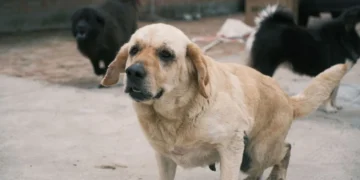



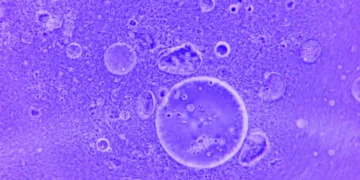






Quick take: Bladder cancer in dogs is a serious, often aggressive tumor that typically affects older, larger breeds. Early signs include blood in the urine, frequent urination, and straining. Prompt veterinary evaluation, imaging, and biopsy are essential for a definitive diagnosis, and treatment usually involves surgery combined with chemotherapy or NSAIDs. While the prognosis varies, many dogs live several months to a year with appropriate care and quality‑of‑life support.
It’s 11 p.m., and you just noticed a faint pink tinge in your Golden Retriever’s water bowl. She’s pacing to the door, whining, and seems reluctant to sit. You’ve Googled “dog blood in urine,” but the articles keep mentioning “bladder infection” and “cancer” in the same breath. Your heart races. Is this something you can handle at home, or do you need to rush to the vet?
We understand that fear. Bladder cancer in dogs can feel overwhelming, especially when the name itself sounds ominous. The good news is that early detection, clear communication with your veterinary team, and a solid supportive plan can give your dog a comfortable, meaningful life—even if a cure isn’t guaranteed. In this guide we’ll explain what bladder cancer is, why it happens, how vets diagnose it, what treatment options exist, how much it might cost, and how you can help prevent it or manage it at home.
Read on for a step‑by‑step roadmap, from spotting the first symptom to navigating surgery costs and choosing the right diet. We’ll also answer the most common questions owners ask, and give you a quick‑reference checklist you can keep on your fridge.
What is bladder cancer in dogs?
Bladder cancer, also called urinary bladder neoplasia, is a malignant growth that originates in the lining (urothelium) of the urinary bladder. The most common type in dogs is transitional cell carcinoma (TCC), which accounts for about 80 % of cases. Less frequently, dogs develop squamous cell carcinoma (SCC) or adenocarcinoma, each with slightly different behavior.
According to the American Veterinary Medical Association (AVMA) and the Merck Veterinary Manual, bladder cancer is relatively rare compared to other canine cancers, but its incidence rises sharply in dogs older than eight years, especially in large‑breed males. While the exact prevalence varies by region, studies from veterinary teaching hospitals suggest roughly 1‑2 % of all canine cancers involve the urinary bladder.
What causes bladder cancer in dogs?
Bladder cancer isn’t caused by a single factor. It typically results from a combination of genetic, environmental, and hormonal influences.
- Breed predisposition: Scottish Terriers have a markedly higher risk—up to 20‑fold—than mixed‑breed dogs. Other breeds with increased incidence include Shetland Sheepdogs, Beagles, and Labrador Retrievers.
- Sex and hormones: Intact males are more commonly affected, suggesting estrogen and testosterone may play a role.
- Environmental toxins: Chronic exposure to chemicals such as herbicides, pesticides, or industrial pollutants (e.g., benzene) has been linked to higher rates of bladder tumors in both humans and dogs.
- Chronic inflammation: Long‑standing urinary tract infections, bladder stones, or catheterization can promote malignant transformation.
- Age: The median age at diagnosis is 9‑11 years, reflecting accumulated cellular damage over time.
Signs and symptoms
Bladder cancer often masquerades as a urinary tract infection, so owners may dismiss early signs. Below is a quick reference for the progression of symptoms.
| Severity | Typical Signs |
|---|---|
| Mild | Occasional hematuria (blood‑tinged urine), slight increase in urination frequency, mild straining. |
| Moderate | Consistent blood in urine, frequent attempts to urinate with little output, foul‑smelling urine, occasional urinary incontinence. |
| Severe | Complete urinary blockage, severe pain, lethargy, weight loss, vomiting, palpable abdominal mass. |
Other red‑flag clues include: a change in urine color from clear to pink, red, or brown; a strong odor; and any sudden reluctance to go outside or climb stairs.
When to call your vet
Call your vet today if you notice any of the following:
- Blood in the urine (even a small amount)
- More frequent urination or straining
- Sudden change in urine odor or color
- Visible discomfort when your dog tries to urinate
Go to an emergency veterinary hospital right now if you see any sign of a urinary blockage:
- Inability to pass urine at all
- Distended abdomen or a firm, painful belly
- Vomiting, lethargy, or rapid breathing
This article is for informational purposes only and does not replace professional veterinary care. If you’re unsure, contact your veterinarian promptly.
How vets diagnose it
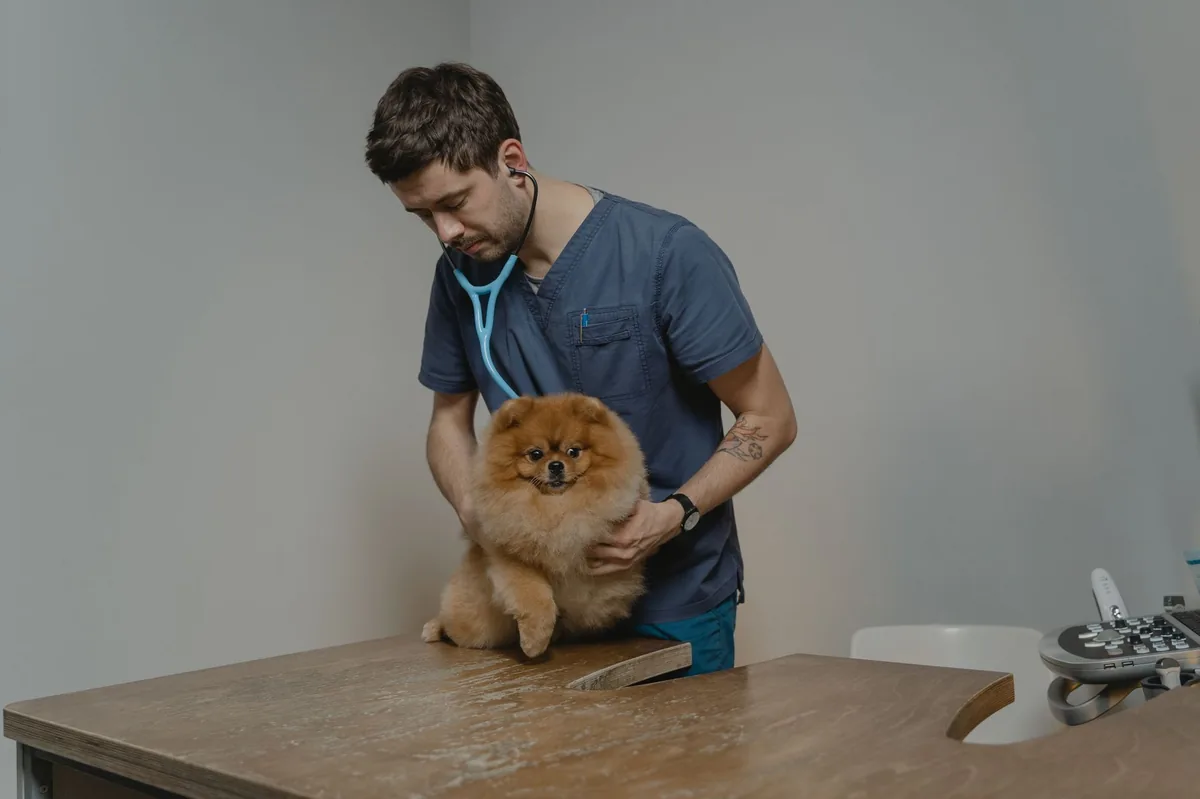
Diagnosing bladder cancer involves a systematic workup. Your vet will start with a detailed history—asking about urination habits, diet, and any prior infections.
- Physical exam: Palpation of the abdomen may reveal a mass or bladder wall thickening.
- Urinalysis & urine culture: These tests rule out infection and can detect microscopic blood.
- Blood work: A complete blood count (CBC) and chemistry panel assess kidney function and look for anemia or inflammation.
- Imaging: Abdominal radiographs (X‑rays) can show bladder wall changes, while an ultrasound provides a clearer view of tumor size and potential spread to nearby organs.
- Cystoscopy: A tiny camera is passed through the urethra to directly visualize the tumor and obtain a tissue sample.
- Biopsy: The definitive diagnosis comes from microscopic examination of the collected tissue, confirming the cancer type and grade.
In some cases, a CT scan or MRI may be recommended to evaluate metastasis to lymph nodes or lungs, especially if surgery is being considered.
Treatment options
Medical treatment
Even when surgery isn’t feasible, medical therapy can slow tumor growth and improve quality of life.
- Non‑steroidal anti‑inflammatory drugs (NSAIDs): Piroxicam is the most studied NSAID for canine bladder cancer. It can reduce tumor size and alleviate pain. Your vet will decide if it’s appropriate based on kidney function.
- Chemotherapy: Drugs such as carboplatin, mitoxantrone, and vinblastine are commonly used. They’re usually given intravenously in cycles every 3‑4 weeks. Ask your vet about the potential side effects, which can include mild vomiting, lowered white blood cell counts, and temporary lethargy.
- Targeted therapy: Some clinics offer toceranib (Palladia) or other tyrosine‑kinase inhibitors for tumors that express specific receptors. These are still considered off‑label but may be an option for dogs that can’t tolerate traditional chemotherapy.
Supplements and supportive care
Adjunctive supplements can help manage inflammation and support overall health, though they aren’t a cure.
- Omega‑3 fatty acids (EPA/DHA): Fish‑oil supplements have anti‑inflammatory properties and may enhance the effectiveness of chemotherapy. Look for products that guarantee at least 500 mg EPA per serving.
- Antioxidants: Vitamin E and selenium support cellular health. Use a balanced antioxidant blend rather than high‑dose single nutrients.
- Probiotics: Maintaining gut health can reduce gastrointestinal upset from chemotherapy. Choose a canine‑specific probiotic with strains like Enterococcus faecium.
Procedures or surgery
Surgery offers the best chance for long‑term control when the tumor is localized.
- Partial cystectomy: Removal of the tumor‑bearing portion of the bladder while preserving bladder function. Recovery usually takes 2‑3 weeks, with a temporary urinary catheter.
- Total cystectomy with urinary diversion: In rare cases, the entire bladder is removed and a new urinary conduit (e.g., a ureterostomy) is created. This is a major operation with higher complication rates.
- Radiation therapy: External beam radiation can shrink tumors that are not surgically resectable. It typically involves 10‑15 sessions over three weeks.

Diet and nutrition
Nutrition plays a supportive role in managing bladder cancer. While no single diet can cure the disease, feeding a balanced, highly digestible diet can reduce urinary irritation, maintain body condition, and aid recovery after surgery or chemotherapy.
Here are the core principles:
- High‑quality protein: Choose foods with named animal proteins (e.g., chicken, turkey, salmon) to support tissue repair. Aim for 18‑22 % protein on a dry‑matter basis.
- Moderate fat, low‑moderate calories: Maintaining a healthy weight reduces stress on the urinary tract. Omega‑3 enriched formulas add anti‑inflammatory benefits.
- Controlled minerals: Excess calcium, magnesium, and phosphorus can promote crystal formation. Look for diets that meet AAFCO nutrient profiles but keep these minerals in the lower half of the recommended range.
- Added antioxidants: Some therapeutic diets include added vitamin E, selenium, and lutein to combat oxidative stress.
- Moisture‑rich: Wet food or a broth‑enhanced kibble encourages higher water intake, which helps flush the urinary tract.
Foods to favor include:
- Prescription renal‑support formulas (e.g., Hill’s k/d, Royal Canin Renal) – these are low in phosphorus and have easy‑digestible proteins.
- Limited‑ingredient, grain‑free recipes with added fish oil.
- Home‑cooked meals consisting of boiled chicken, sweet potato, and a small amount of pumpkin for fiber, provided they’re balanced with a canine vitamin‑mineral supplement.
Foods to limit or avoid:
- High‑salt treats (e.g., jerky, cheese bites) which can irritate the bladder lining.
- Excessive bone‑meal or organ‑meat meals that raise mineral load.
- Artificial sweeteners like xylitol, which are toxic to dogs.
| Dietary Action | Do feed | Limit | Avoid |
|---|---|---|---|
| High‑quality protein | Named animal sources (chicken, fish) | Generic meat meals | Plant‑only proteins |
| Mineral balance | Prescription renal diet | High‑calcium treats | Excessive bone meal |
| Moisture | Wet food or broth‑enhanced kibble | Dry kibble only | Dehydrating snacks |
Transitioning to a new diet should be gradual—mix 25 % new food with 75 % old food for the first 3‑4 days, then increase the new portion every few days. This helps prevent gastrointestinal upset, which can be especially problematic if your dog is already on chemotherapy.
For dogs undergoing active treatment, aim for 2‑3 small meals per day rather than one large meal. Frequent, smaller feedings reduce the risk of nausea and keep energy levels stable.
If you’re unsure which commercial diet fits your dog’s needs, our Our Experts page offers a quick guide to choosing therapeutic dog food, and the Dog Weight Calculator can help you monitor ideal body condition.
Cost and prognosis
Financial planning is a realistic part of cancer care. Below are typical cost ranges based on 2024 US and UK veterinary pricing surveys (AAHA, Vets UK). Prices vary by clinic, geographic location, and individual case complexity.
| Service | US (estimate) | UK (estimate) |
|---|---|---|
| Initial workup (blood, urinalysis, imaging) | $500‑$1,200 | £350‑£900 |
| Ultrasound + cystoscopy | $700‑$1,500 | £500‑£1,200 |
| Biopsy (pathology) | $300‑$600 | £200‑£450 |
| Partial cystectomy | $5,000‑$9,000 | £4,000‑£7,500 |
| Chemotherapy (full protocol) | $3,000‑$6,000 | £2,500‑£5,000 |
| Radiation therapy (10‑15 sessions) | $7,000‑$12,000 | £6,000‑£10,000 |
Prognosis depends heavily on tumor stage at diagnosis. For dogs with localized disease that undergo surgery plus NSAID therapy, median survival can range from 9 to 12 months, with some outliers living 2 years or more. If the cancer has metastasized to lymph nodes or lungs, median survival typically drops to 3‑6 months, even with aggressive treatment.
Factors that improve outlook include:
- Early detection (before urinary blockage)
- Complete surgical removal of the tumor
- Good overall health and organ function
- Responsive tumor type (TCC often responds to NSAIDs)
Discuss with your vet what quality‑of‑life goals are realistic for your dog, and consider pet‑insurance coverage or payment plans if cost is a concern. The Cost Calculator can give a personalized estimate based on your location and chosen treatment path.
Prevention and home care
Because many risk factors (age, breed, genetics) can’t be altered, prevention focuses on minimizing environmental exposures and maintaining urinary health.
- Limit toxin exposure: Avoid using lawn chemicals or household cleaners near your dog’s play area. Store pesticides in locked cabinets.
- Encourage regular urination: Provide frequent bathroom breaks, especially after meals or water intake. Dogs that hold urine for long periods may develop bladder irritation.
- Hydration: Fresh water should be available at all times. Adding low‑salt broth to the water bowl can entice dogs to drink more.
- Dietary vigilance: Feed a balanced diet low in excess minerals and free of excessive salt.
- Routine veterinary exams: Annual check‑ups for senior dogs should include urinalysis. Early detection of microscopic blood can prompt further evaluation before symptoms become severe.
- Monitor for recurrence: After treatment, schedule re‑checks every 3‑4 months. Owners should watch for any return of blood in the urine or changes in urination patterns.
If your dog is recovering from surgery or chemotherapy, keep the home environment calm, limit stairs if they’re painful, and provide a soft, non‑slippery surface for bathroom trips. Gentle belly massages (with vet approval) can improve circulation and comfort.
From our vet team: “Owners often feel helpless when they first hear the word ‘cancer.’ Remember that bladder cancer is treatable, and many dogs enjoy meaningful time with their families after diagnosis. Consistent communication with your veterinarian, a clear pain‑management plan, and a supportive diet can make a huge difference in your dog’s comfort.”
Key takeaways
- Blood in the urine, frequent urination, or straining are early warning signs—call your vet promptly.
- Diagnosis requires imaging, cystoscopy, and a biopsy; never rely on home tests alone.
- Surgery combined with NSAIDs or chemotherapy offers the best chance for extended survival.
- Maintain a high‑quality, low‑mineral diet and keep your dog well‑hydrated to support urinary health.
- Costs can range from a few hundred dollars for diagnostics to over $10,000 for full treatment; explore insurance, payment plans, and our cost calculator.
- Regular follow‑up visits and a pain‑management plan are essential for quality of life.
Myth vs. fact
Myth: Bladder cancer always causes a complete urinary blockage.
Fact: Many dogs present with subtle signs like occasional blood in the urine; a blockage is a later, severe complication.
Myth: Surgery is the only cure for bladder cancer.
Fact: While surgery provides the best chance for long‑term control, NSAIDs, chemotherapy, and radiation can also extend survival and improve comfort.
Myth: Dogs with bladder cancer must be put on a strict “cancer diet” forever.
Fact: Nutritional needs may change during treatment, but many dogs thrive on balanced, high‑quality commercial diets, especially those low in minerals and enriched with omega‑3s.
Frequently asked questions
What symptoms should I look for if my dog might have bladder cancer?
Look for blood‑tinged or pink urine, frequent attempts to urinate with little output, straining, foul‑smelling urine, and any signs of pain or reluctance to go outside. Early detection often hinges on noticing subtle changes in urination habits.
How do vets confirm a bladder cancer diagnosis in dogs?
After initial blood work and urinalysis, vets use abdominal ultrasound or CT to locate the tumor, then perform a cystoscopy to visually inspect the bladder and take a biopsy. The biopsy is examined under a microscope to confirm the cancer type.
Is surgery the only option for treating bladder cancer in dogs?
No. While surgery (partial or total cystectomy) offers the best chance for long‑term control, many dogs benefit from NSAIDs, chemotherapy, and radiation—either alone or combined with surgery—depending on tumor size and spread.
What are the side effects of chemotherapy for canine bladder cancer?
Common side effects include mild nausea, temporary loss of appetite, lowered white blood cell counts, and occasional lethargy. Your vet will monitor blood work before each treatment cycle and may adjust the protocol to keep side effects manageable.
How much does treatment for bladder cancer typically cost?
Initial diagnostics can range from $500‑$1,200, while surgery may cost $5,000‑$9,000. Adding chemotherapy can increase total expenses by $3,000‑$6,000, and radiation therapy can exceed $10,000. Costs vary by region and clinic; our Cost Calculator provides a personalized estimate.
Can diet or lifestyle changes reduce the risk of bladder cancer in dogs?
Feeding a balanced, low‑mineral diet, ensuring ample hydration, and limiting exposure to environmental toxins (like pesticides) can help maintain urinary health. While genetics play a role, these lifestyle measures may lower the chance of tumor development.
Ask the PuppaDogs community
Have a question this article didn’t fully answer? Want to compare notes with other dog owners who’ve been through this? Our community forum is moderated by experienced owners and vets — and answers tend to come fast. Ask in the PuppaDogs community →
References
- American Veterinary Medical Association (AVMA). “Urinary Tract Neoplasia in Dogs.” 2023.
- American Animal Hospital Association (AAHA). “Canine Cancer Guidelines.” 2022.
- Merck Veterinary Manual. “Transitional Cell Carcinoma of the Urinary Bladder.” Updated 2024.
- World Small Animal Veterinary Association (WSAVA). “Environmental Risk Factors for Canine Bladder Cancer.” 2021.
- American College of Veterinary Internal Medicine (ACVIM). “Chemotherapy Protocols for Canine TCC.” 2023.
- Veterinary Oncology Society. “Use of NSAIDs in Canine Bladder Cancer.” 2022.
- University of California, Davis Veterinary Medicine. “Dietary Management of Canine Cancer.” 2023.
- Royal Veterinary College. “Cost of Veterinary Oncology Care in the UK.” 2023.
- American Association of Feed Control Officials (AAFCO). “Nutrient Profiles for Therapeutic Dog Diets.” 2022.
- Cornell University College of Veterinary Medicine. “Urinary Bladder Cancer in Dogs – Clinical Signs and Diagnosis.” 2024.


