












Quick take: Birth difficulties in dogs—also called dystocia—occur when labor stalls or puppies are positioned incorrectly, putting the mother and pups at risk. If a stage of labor lasts longer than 2 hours without progress, or if the mother shows signs of distress, call your vet immediately. Prompt veterinary help, often with medication or assisted delivery, dramatically improves outcomes.
It’s 11 p.m., the lights are low, and your pregnant Labrador is lying on the rug, breathing heavily but not delivering a puppy. You’ve read a handful of articles, but the anxiety is real: “Is this normal? Should I intervene?” You’re not alone—many owners face that exact moment when a whelping turns complicated. In this guide we’ll walk through what birth difficulties in dogs look like, how to spot them early, what you can safely do at home, and when professional help becomes essential. By the end you’ll know the timeline of a typical labor, the red‑flag signs that demand a vet call, and practical steps to protect both dam and puppies.
We’ll cover the science behind dystocia, the common causes, the warning signs, and the full range of veterinary treatments—from medication to Cesarean section. You’ll also find nutrition tips for pregnant dogs, cost estimates for emergency care, and prevention strategies you can start before your dog even gets pregnant. Our goal is to give you a calm, clear road map so you can act confidently, whether you’re a first‑time breeder or an experienced owner.
What is birth difficulties in dogs?
Birth difficulties, medically termed dystocia, refer to any problem that prevents a pregnant dog (the dam) from delivering her puppies safely and completely. The most common forms are:
- Uterine inertia – the uterus doesn’t contract strongly enough to push puppies out.
- Malpresentation – a puppy is positioned incorrectly (e.g., breech, tail‑first) making natural delivery hard.
- Uterine torsion – the uterus twists on its blood supply, a rare but life‑threatening emergency.
According to the American College of Veterinary Internal Medicine (ACVIM), dystocia affects roughly 5‑10 % of all canine litters, but the rate climbs to 15‑30 % in breeds with large heads or very large litters such as English Bulldogs, Great Danes, and Saint Bernards.
What causes it?
Birth difficulties arise from a mix of genetic, anatomical, and environmental factors. Below is a concise overview.
| Category | Typical Causes |
|---|---|
| Maternal factors | Uterine inertia (often from poor nutrition or hormonal imbalance), uterine torsion, age (very young or senior dams), previous C‑sections. |
| Puppy factors | Large‑head breeds, oversized puppies, malposition (breech, transverse), multiple puppies crowding the birth canal. |
| Management factors | Inadequate prenatal care, stress, dehydration, extreme temperatures, lack of exercise. |
Breeds with naturally large skulls (e.g., Mastiffs, Boxers) or those prone to large litters (e.g., Labrador Retrievers) are predisposed. Additionally, first‑time mothers and very old or very young dams often have weaker uterine muscle tone, increasing the chance of uterine inertia.
Signs and symptoms
Early detection hinges on knowing what normal labor feels like. A typical canine labor has three stages:
- Stage 1 – Nesting, restlessness, and a drop in body temperature (usually 1–2 °F below normal). This stage lasts 6–12 hours.
- Stage 2 – Strong contractions, visible straining, and the birth of each puppy. Each puppy usually arrives within 20–30 minutes of the first strong push.
- Stage 3 – Expulsion of the placenta; each puppy’s membrane is passed within a few minutes.
If any stage extends beyond the normal window, watch for these red flags.
| Severity | Signs |
|---|---|
| Mild | Restlessness, occasional panting, mild abdominal tension, no puppies after 2 hours of strong pushes. |
| Moderate | Visible straining for >2 hours without a puppy, pale gums, rapid heart rate, vomiting, or loss of appetite. |
| Severe | Maternal collapse, blue‑tinged gums, severe abdominal pain, no progression for >4 hours, or signs of uterine torsion (swollen abdomen, abnormal positioning). |
Other warning signs include excessive bleeding, a foul odor from the birth canal, or a sudden drop in the dam’s temperature below 99 °F (37.2 °C) after Stage 1. These symptoms suggest that the mother’s health is deteriorating and immediate veterinary care is needed.
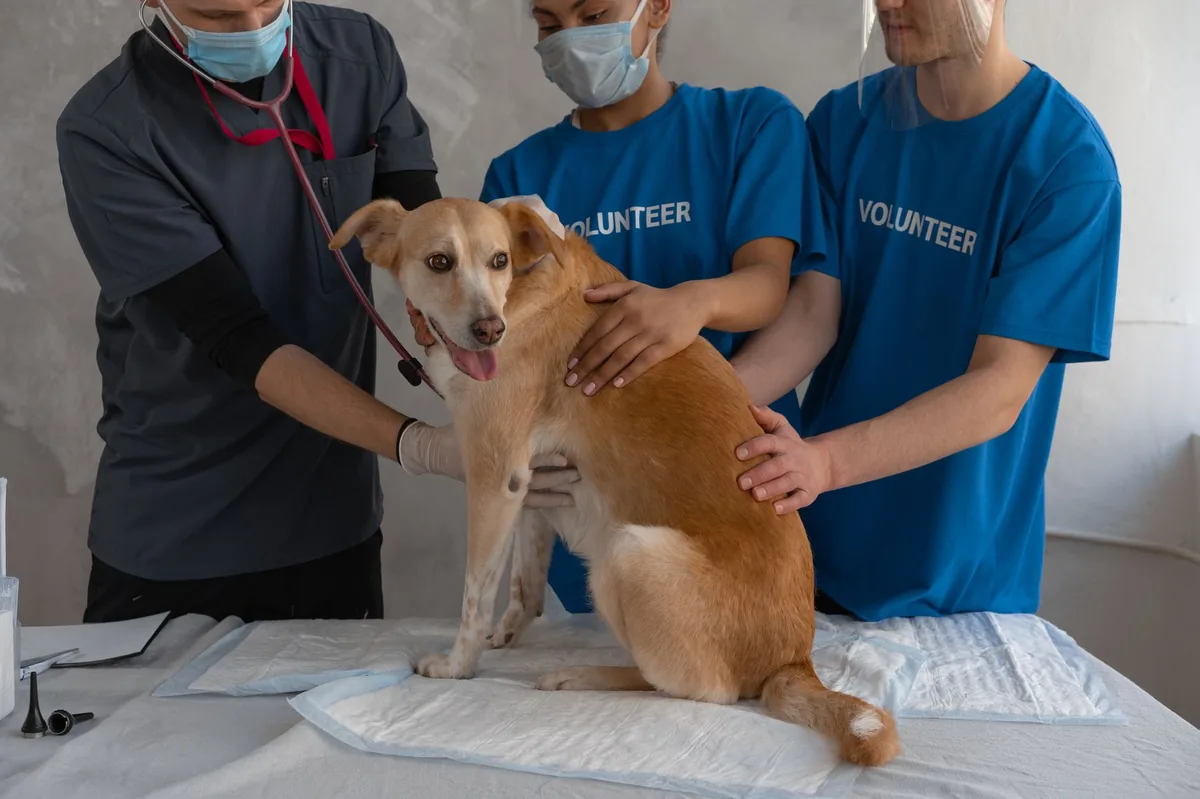
When to call your vet
Call your vet today if you notice any of the following:
- Stage 1 lasting longer than 12 hours without progression.
- Strong straining for more than 2 hours without a puppy.
- Pale or bluish gums, rapid breathing, or vomiting.
- Visible distress, trembling, or a sudden drop in temperature.
Go to an emergency veterinary clinic right now if you see any of these critical signs:
- Maternal collapse or loss of consciousness.
- Severe abdominal pain (the dam cries out or arches her back).
- Sudden, profuse bleeding.
- Signs of uterine torsion (swollen, twisted abdomen).
These situations can become life‑threatening within minutes. This article is for informational purposes only; it does not replace a hands‑on veterinary exam.
How vets diagnose birth difficulties
When you arrive at the clinic, the veterinary team will perform a systematic workup:
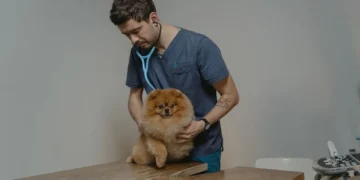
- History and physical exam – The vet asks about the dam’s gestation length, previous litters, diet, and any observed labor signs. A thorough physical exam checks heart rate, temperature, and abdominal palpation.
- Ultrasound – Real‑time imaging confirms the number of puppies, their positions, and whether any are stuck.
- X‑ray (radiography) – Helpful for assessing fetal size and detecting malpresentations when ultrasound is limited.
- Bloodwork – A basic panel checks for anemia, electrolyte imbalances, or hormonal issues that can affect uterine contractions.
- Monitoring of contractions – Some clinics use a tocodynamometer (contraction monitor) to gauge uterine activity.
These diagnostics let the vet decide whether medication, assisted delivery, or surgery is the safest route.
Treatment options
Medical treatment
Most dystocia cases start with medication to stimulate uterine contractions and calm the dam:
- Oxytocin – A synthetic hormone that encourages uterine muscle contraction. Your vet will dose based on weight and monitor the response.
- Calcium gluconate – Helps improve muscle tone if low calcium is suspected.
- Anti‑inflammatory drugs (NSAIDs) – Used cautiously to reduce pain and inflammation after a difficult birth.
- Antibiotics – Prevent secondary infections if the birth canal has been compromised.
Ask your vet about these options; they will tailor the regimen to your dam’s size, breed, and the stage of labor.
Supplements and supportive care
While supplements cannot replace veterinary treatment, a few have evidence of benefit in supporting a pregnant dam’s health:
- Omega‑3 fatty acids (EPA/DHA) – Reduce inflammation and may improve uterine contractility. A high‑quality fish oil added to the dam’s diet during the last trimester can be helpful.
- Vitamin E and Selenium – Antioxidants that support muscle function; ensure the dam’s diet meets AAFCO recommendations.
- Probiotics – Maintain gut health, especially if antibiotics are used.
These supplements are most useful as preventive measures rather than emergency fixes. Always discuss dosage with your vet.
Procedures or surgery
If medication fails or the puppies are in a dangerous position, the vet may perform assisted delivery or a Cesarean section (C‑section):
- Assisted delivery – The vet gently pulls the puppies through the birth canal, often using sterile gloves and lubricating gel. This procedure usually takes minutes but requires precise technique to avoid injury.
- Cesarean section – An abdominal surgery where the puppies are removed directly from the uterus. Recovery for the dam typically involves 7‑10 days of restricted activity, pain management, and antibiotics.
Cost for a C‑section in the United States ranges from $2,500 to $5,000, while assisted delivery without surgery may be $500‑$1,200. In the United Kingdom, prices are roughly £1,200‑£3,000, depending on facility and after‑care. Many pet insurance plans cover a portion of emergency whelping costs—check your policy’s “birth complications” clause.

Diet and nutrition
Nutrition plays a pivotal role in both preventing dystocia and supporting recovery after a difficult birth. During pregnancy, a dam’s energy needs increase by 25‑30 % in the last trimester. A balanced diet should provide high‑quality protein, adequate calcium, and essential fatty acids.
Foods to favor
- Commercial pregnant‑and‑lactating formulas that meet or exceed AAFCO nutrient profiles for growth and reproduction.
- High‑digestibility protein sources such as chicken, turkey, or fish (cooked, boneless).
- Calcium‑rich foods (e.g., plain yogurt, cottage cheese) if the diet is not already supplemented—avoid excessive calcium supplements, which can cause uterine tetany.
- Omega‑3 rich oils (fish oil or algae) to support fetal brain development and reduce inflammation.
Foods to limit or avoid
- Excessive treats or table scraps that skew the calcium‑phosphorus balance.
- High‑fat “fast‑food” items that can cause gastrointestinal upset.
- Raw bones with sharp edges, which may cause dental injury or intestinal blockage.
- Supplemental calcium without veterinary guidance—over‑supplementation can impair uterine contractions.
In the weeks leading up to whelping, transition the dam to the final diet gradually (over 5‑7 days) to avoid gastrointestinal upset. Offer multiple small meals rather than one large feeding to reduce the risk of regurgitation and aspiration during labor.
After a difficult birth, the dam’s caloric needs rise further—up to 30‑40 % above maintenance—to support milk production. Provide a nutrient‑dense diet and fresh water at all times. Monitor her weight daily; a loss of more than 5 % of body condition during the first week postpartum warrants a vet check.
| Do feed | Limit | Avoid |
|---|---|---|
| High‑quality puppy or lactation kibble | Extra treats (max 10 % of calories) | Raw bones, excessive calcium supplements |
| Cooked lean meats, plain yogurt | High‑fat table scraps | Spicy or heavily seasoned foods |
| Fish oil or algae supplement (vet‑approved) | Large meals (feed 2–3 × daily) | Any food causing vomiting |
For breeds with known whelping challenges, such as English Bulldogs, many veterinarians recommend a therapeutic diet formulated for large‑breed puppies, which provides controlled calcium and phosphorus to reduce the risk of oversized puppies and uterine inertia. Always discuss specific brand choices with your vet; we avoid endorsing a particular product to keep the advice unbiased.
Finally, stay hydrated. Fresh water should be available at all times, and you may add a small amount of low‑sodium broth to encourage drinking if the dam seems reluctant.
Cost and prognosis
Financial considerations are a real part of emergency whelping care. Below are typical cost ranges (USD) for common interventions:
| Intervention | Estimated cost (US) | Estimated cost (UK) |
|---|---|---|
| Initial emergency exam & labs | $150‑$300 | £120‑£250 |
| Oxytocin & supportive meds | $100‑$250 | £80‑£180 |
| Assisted delivery (no surgery) | $500‑$1,200 | £400‑£900 |
| Cesarean section | $2,500‑$5,000 | £1,200‑£3,000 |
| Post‑op care (hospital stay, meds) | $300‑$800 | £250‑£600 |
Insurance coverage varies widely. Many pet insurance policies reimburse 70‑90 % of the above costs if the claim is filed promptly and the condition is listed under “birth complications.” Check your policy’s waiting period and any deductible that applies.
Prognosis depends on how quickly the problem is addressed. When dystocia is caught early and treated with medication or assisted delivery, survival rates for both dam and puppies exceed 90 %. In cases requiring a C‑section, the dam’s recovery is usually uneventful, though she may need a longer rest period before returning to normal activity. Puppies born via C‑section may have lower initial vigor but generally thrive with proper nursing care.
Prevention and home care
Preventing birth difficulties starts before conception and continues through the entire gestation.
- Pre‑breeding health check – Have your vet evaluate the dam’s weight, orthopedic health, and reproductive history. Screen for uterine infections (e.g., Brucella canis) that could affect labor.
- Balanced prenatal nutrition – Feed a diet formulated for pregnant and lactating dogs, and supplement with omega‑3s as advised.
- Weight management – Maintain a body condition score (BCS) of 5‑6/9; both under‑ and overweight dams have higher dystocia risk.
- Exercise – Light, regular walks keep muscles toned without overexertion. Avoid heavy activity in the last two weeks.
- Temperature monitoring – Use a rectal thermometer to track the dam’s temperature. A drop below 99 °F (37.2 °C) often signals the onset of labor.
- Prepare a whelping area – A clean, warm, and quiet space reduces stress. Include clean towels, a heating pad set to low, and a water source.
- Know the timeline – Normal labor lasts 6–12 hours total. If Stage 2 exceeds 2 hours without a puppy, it’s time to call the vet.
- Post‑birth monitoring – Keep an eye on the dam for 24 hours after delivery. Look for signs of infection (discharge, fever) or milk‑let‑down problems.
For owners who prefer home whelping, we recommend having the puppadogs.com calculators handy to estimate litter size and gestation dates, and to keep a community forum contact for quick advice. However, never hesitate to seek professional help if anything feels off—early intervention is the safest route.
From our vet team: Dystocia can feel overwhelming, but remember that most dogs recover fully with prompt care. Keep your phone number for the nearest emergency clinic saved, and have a plan for a quiet whelping space ready weeks in advance. Being prepared reduces stress for both you and your dam, and it gives you the confidence to act quickly when the labor clock ticks.
Key takeaways
- Normal canine labor lasts 6–12 hours; any stage longer than 2 hours without a puppy is a red flag.
- Watch for pale gums, rapid breathing, or a drop in temperature—these signs mean call your vet immediately.
- Medication (oxytocin, calcium) and assisted delivery are first‑line treatments; surgery is reserved for severe cases.
- Balanced prenatal nutrition and weight management are the best preventive measures against dystocia.
- Emergency whelping costs can range from $500 to $5,000; many insurance plans cover a portion of these expenses.
- Always have a calm, prepared whelping area and a trusted emergency vet contact on hand.
Myth vs. fact
Myth: “If my dog is panting and restless, it’s just normal pregnancy behavior.”
Fact: While nesting and panting are common in early labor, persistent panting combined with strong abdominal straining after 2 hours without a puppy indicates a problem and warrants a vet call.
Myth: “I can force a puppy out with my hands; the dam will be fine.”
Fact: Improper pulling can cause severe injury to both dam and puppy. Only a trained professional should perform assisted delivery, and even then only after appropriate sedation and lubrication.
Myth: “Breeds that don’t have large heads never have birth difficulties.”
Fact: While large‑skull breeds are at higher risk, any dam can develop uterine inertia or other complications, especially if she’s very young, very old, or poorly nourished.
Frequently asked questions
What are the warning signs of a difficult birth in dogs?
Red‑flag signs include more than 2 hours of strong straining without a puppy, pale or bluish gums, rapid breathing, vomiting, and a sudden drop in body temperature below 99 °F (37.2 °C). If you see any of these, call your vet immediately.
How long should a dog’s labor normally last?
Typical labor spans 6–12 hours, with Stage 2 (active pushing) lasting 20–30 minutes per puppy. If Stage 2 exceeds 2 hours without a puppy, it’s considered stalled labor and needs veterinary assessment.
Can I help my dog deliver puppies at home?
You can provide a calm, clean whelping area and monitor the dam, but assisted delivery should only be performed by a veterinarian or a trained professional. Attempting to pull puppies yourself can cause serious injury.
Is dystocia life‑threatening for the mother or puppies?
Yes, if left untreated it can lead to uterine rupture, severe blood loss, or stillbirth. However, with timely veterinary care, most dams and puppies survive and recover well.
What treatments does a vet use for a dog with stalled labor?
Veterinarians typically start with oxytocin to stimulate contractions, may give calcium if a deficiency is suspected, and use gentle assisted delivery if a puppy is malpositioned. When these fail, a Cesarean section is performed.
Which dog breeds are most likely to experience whelping problems?
Breeds with large skulls or very large litters—such as English Bulldogs, Great Danes, Saint Bernards, and Boxers—have higher dystocia rates. Small breeds can also experience problems, especially if they’re very young or have a history of uterine inertia.
Ask the PuppaDogs community
Have a question this article didn’t fully answer? Want to compare notes with other dog owners who’ve been through this? Our community forum is moderated by experienced owners and vets — and answers tend to come fast. Ask in the PuppaDogs community →
References
- American College of Veterinary Internal Medicine (ACVIM). Dystocia in Dogs: Clinical Guidelines, 2022.
- American Animal Hospital Association (AAHA). Canine Reproductive Care Standards, 2023.
- Merck Veterinary Manual. “Dystocia – Diagnosis and Treatment,” 2022 edition.
- American Veterinary Medical Association (AVMA). “Pregnancy and Whelping in Dogs,” 2021.
- World Small Animal Veterinary Association (WSAVA). Nutrition for Pregnant and Lactating Dogs, 2020.
- Cornell University College of Veterinary Medicine. “Maternal Care and Neonatal Survival,” 2021.
- UC Davis Veterinary Medicine. “Uterine Inertia and Oxytocin Use in Canine Labor,” 2022.
- American Kennel Club (AKC). Breed-Specific Health Risks, 2023.


