














Quick take: Painful and frequent urination in dogs can signal anything from a simple urinary tract infection to more serious conditions like bladder stones or cancer. If your dog is straining, crying, or having accidents, call your vet today—urgent red‑flag signs (blood, inability to urinate) require immediate care. Early diagnosis, proper treatment, and preventive hydration often restore comfort and health.
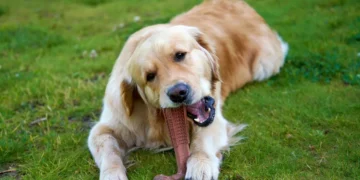
It’s 10 p.m., and you hear a low whimper from the hallway. Your usually spry golden retriever, Max, pauses mid‑step, lifts a paw, and looks at you with watery eyes. He darts to the door, squats, and a few minutes later, a small puddle appears on the rug. The urine smells faintly of ammonia, but something feels off—there’s a faint pink tint, and Max seems reluctant to finish.
You’re scrolling through search results, heart racing, wondering if this is a simple infection or something far more serious. You’re not alone; many owners experience that mix of worry and urgency when their dog shows signs of painful, frequent urination. Below, we walk you through what this symptom means, how vets figure out the cause, what treatment options exist, and how you can keep your dog comfortable and healthy.
In this guide you’ll learn the medical name for this problem, the most common causes, the warning signs that demand a vet visit, what tests to expect, typical costs, dietary tweaks, and long‑term prevention strategies. Let’s get you the answers you need so you can act confidently and keep Max (or any dog) feeling their best.
What is painful and frequent urination in dogs?
Veterinarians refer to the combination of pain while urinating and an increased urge to go as dysuria (painful urination) and pollakiuria (frequent urination). Together, they indicate irritation or obstruction somewhere in the lower urinary tract—the bladder, urethra, or urethral sphincter. Dysuria and pollakiuria can affect dogs of any age, breed, or size, but the underlying cause determines how urgent the situation is.
These signs are fairly common. According to the American Animal Hospital Association (AAHA), urinary problems rank among the top five reasons owners bring dogs to the clinic, affecting roughly 1 in 8 dogs at some point in their lives.
What causes it?
Several conditions can provoke dysuria and pollakiuria. The most frequent culprits fall into three broad categories: infectious, structural, and systemic.
| Category | Typical Causes | Notes |
|---|---|---|
| Infectious | Urinary tract infection (UTI), bacterial cystitis, fungal infection | Often bacterial; higher risk in females, unneutered males, and dogs with urinary catheters. |
| Structural | Bladder stones (uroliths), urethral plugs, prostatitis, tumors (bladder, urethral, prostate), congenital abnormalities | May cause blockage; stones vary by mineral composition. |
| Systemic | Diabetes mellitus, kidney disease, Cushing’s disease, hormonal imbalances | Systemic illness can increase urine volume and irritate the bladder. |
Other less common triggers include trauma, foreign bodies, and certain medications that irritate the urinary tract.
Signs and symptoms
Owners typically notice a pattern of changes. Early signs may be subtle, while severe signs indicate an emergency.
| Severity | Signs |
|---|---|
| Mild | Increased trips to the door, small amounts of urine, occasional licking of the genital area. |
| Moderate | Straining or vocalizing while urinating, cloudy or foul‑smelling urine, occasional blood‑tinged urine (hematuria). |
| Severe | Complete inability to urinate (obstructive uropathy), large amounts of blood, swelling of the abdomen, signs of pain (whining, panting), lethargy, vomiting. |
Additional red‑flag clues include frequent accidents inside the house, a “rope‑like” stream, or a sudden change in urination posture. If you notice any of these, especially blood or inability to pass urine, seek veterinary care promptly.

When to call your vet
Call your vet today if you notice any of the following:
- Straining, whining, or crying while urinating.
- Frequent trips to the door with small volumes.
- Blood‑tinged or cloudy urine.
- Licking the genital area more than usual.
- Accidents in the house that are new or increasing.
Go to an emergency veterinary hospital right now if your dog shows any of these urgent signs:
- Unable to pass urine at all (a full bladder).
- Visible swelling of the abdomen or perineum.
- Severe pain, constant vocalization, or signs of shock (pale gums, rapid heartbeat).
- Vomiting, lethargy, or collapse.
These recommendations are for informational purposes only and do not replace a hands‑on veterinary examination.
How vets diagnose it
Diagnosing dysuria and pollakiuria starts with a thorough history and physical exam. Your vet will ask about recent changes in water intake, diet, medications, and any previous urinary issues.
Urinalysis is the cornerstone test. A fresh sample is examined for:
- Specific gravity (concentration).
- pH level (acidic or alkaline).
- Presence of white blood cells, red blood cells, bacteria, crystals, or crystals.
If infection is suspected, a urine culture identifies the exact bacteria and guides antibiotic choice.
When stones or structural abnormalities are possible, imaging is recommended. Abdominal radiographs (X‑rays) reveal many types of bladder stones, while ultrasound provides a detailed view of the bladder wall, kidneys, and prostate.
Blood work (CBC, chemistry panel) helps assess kidney function, glucose levels (for diabetes), and overall health. In older males, a prostate exam (digital rectal palpation) or ultrasound may be needed to rule out prostatitis or tumors.
Treatment options
Medical treatment
Once the cause is identified, the most common medical approaches include:
- Antibiotics for bacterial UTIs—drugs such as amoxicillin‑clavulanate or enrofloxacin are typical first‑line choices. Your vet will tailor the drug based on culture results.
- Analgesics and anti‑inflammatories—non‑steroidal anti‑inflammatory drugs (NSAIDs) like carprofen or meloxicam can reduce bladder inflammation and pain.
- Urolith‑specific therapy—for certain stone types (e.g., struvite), dissolution diets or urinary acidifiers may be prescribed.
- Hormonal or metabolic management—if diabetes or Cushing’s disease is contributing, insulin therapy or trilostane may be needed.
Ask your vet about these medication options; dosing will depend on your dog’s weight and severity.
Supplements and supportive care
While supplements cannot replace prescription treatment, they can aid recovery and help prevent recurrence:
- Omega‑3 fatty acids (EPA/DHA)—found in fish oil, support anti‑inflammatory pathways and may ease bladder irritation.
- Probiotics—particularly strains like Enterococcus faecium can promote a healthy urinary microbiome and reduce recurrent infections.
- Cranberry extract—has been studied for its ability to prevent bacterial adhesion to bladder walls, though evidence is modest.
Introduce any supplement only after discussing it with your veterinarian, especially if your dog is on other medications.
Procedures or surgery
When structural issues block urine flow, surgery may be required:
- Urethral or bladder stone removal—often performed via cystotomy (opening the bladder) under general anesthesia. Recovery usually takes 7‑10 days, with a typical cost of $1,200‑$2,500 in the United States.
- Prostate surgery—for large prostatitis or tumors, options include prostatectomy or laser ablation, which are more invasive and may cost $3,000‑$5,000.
- Tumor resection—if a malignant mass is found, surgical excision combined with chemotherapy may be advised.
These procedures are considered after imaging confirms a blockage and when medical management is unlikely to resolve the problem.
Diet and nutrition
Diet plays a pivotal role in both treating and preventing urinary problems. While the exact plan depends on the diagnosed cause, several general principles apply to most dogs experiencing dysuria or pollakiuria.
Hydration is the foundation. Adequate water intake dilutes the urine, reduces crystal formation, and helps flush bacteria. Encourage drinking by providing fresh water in multiple locations, adding low‑salt broth to the bowl, or offering wet food alongside kibble.
For dogs with bladder stones, the mineral composition of the stone dictates dietary adjustments:
- Struvite stones (magnesium ammonium phosphate)—a diet that promotes acidic urine (pH < 6.5) and contains reduced magnesium helps dissolve existing stones and prevent new ones. Prescription foods such as Hill’s s/d or Royal Canin Urinary SO are formulated for this purpose.
- Cystine stones—require a low‑protein, low‑cysteine diet and increased urinary alkalinization.
- Calcium oxalate stones—benefit from a diet low in oxalates and moderate calcium, with added antioxidants.
If your dog has a UTI, a diet rich in antioxidants and omega‑3s can support the immune system. Foods containing cranberry extract or D‑mannose are sometimes recommended, though evidence is mixed. Always discuss any “UTI‑specific” foods with your vet.
For dogs with diabetes‑related polyuria, a high‑fiber, low‑glycemic diet helps stabilize blood glucose and reduces excessive urination. Prescription options like Purina Pro Plan Veterinary Diets DM Diet can be useful.
When prescribing a therapeutic diet, transition gradually over 5‑7 days to avoid gastrointestinal upset. Mix increasing amounts of the new food with the current diet, monitoring stool consistency and appetite.
| Food choice | Do feed | Limit | Avoid |
|---|---|---|---|
| High‑moisture wet foods | Yes – promotes hydration | None | — |
| Prescription urinary diet (acidic) | Yes – if struvite stones | — | — |
| Low‑salt kibble | Yes – reduces bladder irritation | — | — |
| High‑protein raw diets | — | Moderate | High‑protein raw (risk of bacterial contamination) |
| Table scraps (salty, fatty) | — | — | Yes – can exacerbate stone formation |
In addition to the diet itself, consider feeding frequency. Splitting meals into two or three smaller portions throughout the day can encourage more consistent water intake and reduce bladder over‑distension.
Finally, supplementing with probiotics (e.g., Enterococcus faecium) and omega‑3 fish oil can help maintain a healthy urinary tract environment, especially after a course of antibiotics.
Cost and prognosis
Financial considerations are part of any veterinary decision. Below are typical cost ranges (USD) for diagnosing and treating painful, frequent urination. Prices vary by region, clinic type, and individual case complexity.
| Service | Typical US Cost | Typical UK Cost (GBP) |
|---|---|---|
| Initial exam & basic labs | $80‑$150 | £60‑£120 |
| Urinalysis (including dipstick) | $30‑$50 | £25‑£45 |
| Urine culture & sensitivity | $70‑$120 | £55‑£100 |
| Abdominal X‑ray | $100‑$200 | £80‑£150 |
| Abdominal ultrasound | $300‑$500 | £250‑£450 |
| Antibiotic course (10‑14 days) | $20‑$80 | £15‑£60 |
| Surgical stone removal (cystotomy) | $1,200‑$2,500 | £900‑£1,800 |
| Prostate surgery | $3,000‑$5,000 | £2,200‑£3,500 |
Prognosis hinges on the underlying cause. Simple bacterial UTIs have an excellent outlook—most dogs recover fully with appropriate antibiotics within 7‑10 days. Bladder stones, when removed surgically and managed with diet, also have a good long‑term success rate (70‑90% recurrence‑free). In contrast, malignant tumors or advanced kidney disease carry a guarded to poor prognosis, and treatment goals may shift toward quality of life.
Prevention and home care
Preventing urinary issues starts with everyday habits:
- Encourage regular water intake. Fresh water bowls, fountain dispensers, and occasional low‑salt broth keep urine dilute.
- Maintain a balanced diet. Use high‑moisture foods, limit excess minerals that promote stone formation, and follow any prescription diet recommendations.
- Schedule routine veterinary exams. Annual or biannual check‑ups allow early detection of diabetes, kidney disease, or recurring infections.
- Practice good hygiene. Keep the genital area clean, especially after bathroom trips, to reduce bacterial colonization.
- Monitor urination patterns. Keep a simple log of frequency, volume, and any changes in scent or color. This information is invaluable for your vet.
For dogs prone to stones, consider adding a small amount of canned pumpkin (rich in fiber) to the diet, which can help regulate bowel movements and indirectly support urinary health. However, always verify with your vet before making dietary changes.
From our vet team: “When a dog shows any sign of pain while urinating, we treat it as an urgent problem. Even if the initial test comes back normal, we often repeat the urinalysis or add imaging to catch hidden stones or early kidney changes. Early intervention is the key to preventing chronic pain and more invasive procedures.”
Key takeaways
- Painful, frequent urination (dysuria + pollakiuria) signals irritation or blockage in the lower urinary tract and should never be ignored.
- Common causes include bacterial UTIs, bladder stones, prostatitis, diabetes, and, less often, tumors.
- Call your vet today for any straining, blood, or increased trips; seek emergency care if your dog cannot urinate at all.
- Diagnosis typically involves urinalysis, urine culture, imaging, and blood work—tests that guide targeted treatment.
- Treatment ranges from antibiotics and anti‑inflammatories to surgery for stones or tumors; costs vary widely.
- Prevention hinges on hydration, appropriate diet (especially for stone‑forming breeds), regular vet check‑ups, and monitoring urination habits.
Myth vs. fact
Myth: “All dogs with frequent urination have a urinary tract infection.”
Fact: Frequent urination can stem from infections, stones, diabetes, prostate disease, or even stress. Only a vet’s workup can pinpoint the exact cause.
Myth: “If the urine looks clear, there’s no problem.”
Fact: Clear urine can still contain bacteria or crystals; a full urinalysis is needed to detect hidden issues.
Myth: “Home remedies like cranberry juice will cure a dog’s UTI.”
Fact: While cranberry extract may help prevent bacterial adhesion, it cannot replace a prescribed antibiotic course. Always follow your vet’s medication plan.
Frequently asked questions
How long does it take for antibiotics to relieve a dog’s UTI?
Most dogs start feeling better within 2‑3 days, but a full course of 10‑14 days is essential to fully eradicate the infection and prevent recurrence.
Can diet changes prevent bladder stones in dogs?
Yes—dietary adjustments that control urine pH and limit certain minerals can both dissolve existing stones and reduce the risk of new ones, especially when matched to the stone’s composition.
What are the common causes of painful urination in dogs?
Typical culprits include bacterial urinary tract infections, bladder or urethral stones, prostatitis, diabetes, kidney disease, and, less frequently, tumors.
How can I tell if my dog’s frequent urination is an emergency?
If your dog cannot pass any urine, shows a swollen abdomen, or is in severe pain and distress, seek emergency veterinary care immediately; these signs indicate a possible blockage.
What tests does a vet run to diagnose urinary problems in dogs?
Vets usually start with a urinalysis and culture, then may add abdominal X‑rays or ultrasound, blood chemistry, and, for males, a prostate exam to fully assess the urinary tract.
Are there any over‑the‑counter products that help with dog UTIs?
OTC supplements like cranberry extract or D‑mannose can support urinary health, but they are not a substitute for prescription antibiotics when an infection is present.
Ask the PuppaDogs community
Have a question this article didn’t fully answer? Want to compare notes with other dog owners who’ve been through this? Our community forum is moderated by experienced owners and vets — and answers tend to come fast. Ask in the PuppaDogs community →
References
- American Animal Hospital Association (AAHA) 2023 Guidelines for Urinary Tract Disease in Dogs.
- American Veterinary Medical Association (AVMA) “Urinary Tract Infections in Dogs” fact sheet.
- Merck Veterinary Manual, “Urinary Tract Infection” entry.
- UC Davis Veterinary Medicine, “Canine Bladder Stones” clinical overview.
- World Small Animal Veterinary Association (WSAVA) Nutrition Guidelines for Urolithiasis.
- American College of Veterinary Internal Medicine (ACVIM) Consensus Statement on Diabetes Mellitus in Dogs.
- Royal Canin Veterinary Diets, “Urinary SO” product information.
- Hill’s Prescription Diet, “s/d” therapeutic diet details.
- Plumb’s Veterinary Drug Handbook, antibiotic dosing recommendations for canine UTIs.
- American Veterinary Pharmacists Association (AVPA) “Use of Probiotics in Canine Health.”


