















Quick take: Obesity in dogs is excess body fat that pushes a pet’s body condition score above the healthy range. It raises the risk of arthritis, diabetes, heart disease, and a shorter lifespan. Weight loss works best with a vet‑guided diet, regular low‑impact exercise, and ongoing monitoring.
It’s 9 p.m., and you’ve just watched your usually‑energetic Golden Retriever plop onto the couch, sighing as if the day’s adventure has already worn him out. You glance at his ribs—nothing shows. His belly hangs a little lower than it used to. A quick Google search later, you’re faced with a flood of “overweight” and “obese” articles, each promising a cure.
You’re not alone. Many owners notice a subtle slowdown in their dog’s stamina or a change in body shape before they realize it’s weight‑related. This guide walks you through exactly what obesity in dogs means, how to spot it, why it matters, and the practical steps—diet, exercise, and veterinary care—to get your companion back to a healthy, happy life.
What is obesity in dogs?
Obesity in dogs is the accumulation of excess fat that pushes a pet’s body condition score (BCS) above the ideal range (typically 4‑5 on a 9‑point scale). Unlike a “normal” weight dog, an obese dog carries additional adipose tissue that can’t be mobilized without intentional calorie reduction and activity. According to the American Veterinary Medical Association (AVMA), roughly 25‑30 % of pet dogs in the United States are overweight or obese, making it one of the most common nutritional disorders.
What causes it?
Obesity usually results from an energy imbalance—more calories consumed than burned—combined with several risk factors:
| Category | Typical Contributors |
|---|---|
| Dietary excess | Over‑feeding, high‑fat treats, free‑feeding, human food scraps |
| Insufficient activity | Limited walks, indoor‑only lifestyle, age‑related mobility loss |
| Genetic & breed predisposition | Labrador Retrievers, Beagles, Pugs, Cocker Spaniels tend to gain weight more easily |
| Medical & hormonal factors | Hypothyroidism, Cushing’s disease, certain medications (e.g., glucocorticoids) |
| Owner habits | Using food as primary reward, lack of regular weight checks |
Signs and symptoms
Obesity can be sneaky. Early signs often blend into normal “chubbiness,” but as fat builds, distinct clues emerge.
| Severity | What to Look For |
|---|---|
| Mild | Ribcage not easily felt, waist narrowing only when viewed from above |
| Moderate | Visible abdominal sag, reduced stamina during walks, panting after short activity |
| Severe | Marked abdominal fat, difficulty breathing, reluctance to climb stairs, joint stiffness |
When to call your vet
Call your vet today if you notice any of the following:
- Rapid weight gain (more than 5 % of body weight in a month)
- Difficulty breathing, persistent coughing, or lethargy
- Sudden reluctance to move, limping, or obvious joint pain
Go to an emergency clinic right now if your dog shows:
- Severe difficulty breathing or collapse
- Acute vomiting or diarrhea with signs of dehydration
- Sudden inability to stand or severe pain
Our advice is informational only; it does not replace a hands‑on exam.
How vets diagnose it
Veterinarians start with a thorough history—diet, activity, and any medications. A physical exam focuses on the body condition score (BCS) and palpates rib coverage. Accurate weight is taken on a calibrated scale.
Blood work (CBC, chemistry panel, thyroid panel) helps rule out underlying endocrine disorders. In some cases, a fasting lipid profile or endocrine imaging (ultrasound) may be recommended. The vet will also assess for obesity‑related complications such as elevated liver enzymes, high blood pressure, or joint inflammation.

Treatment options
Medical treatment
When diet and exercise alone aren’t enough, veterinarians may prescribe a therapeutic weight‑loss diet—often a low‑calorie, high‑protein formula such as a veterinary‑grade “dry” or “wet” food. Common generic drug classes used to aid weight loss include:
- Appetite suppressants (e.g., triiodothyronine analogs) – ask your vet about this option.
- Metabolic modulators (e.g., mitratapide in some regions) – may help reduce fat absorption.
- Glucocorticoid‑sparing protocols for dogs on steroids – discuss alternatives with your vet.
All medication decisions are individualized; your vet will dose based on your dog’s weight, breed, and health status.
Supplements and supportive care
Evidence‑backed supplements can complement weight loss:
- Omega‑3 fatty acids (EPA/DHA) – reduce inflammation in joints, making exercise easier.
- L‑carnitine – supports fatty‑acid metabolism, especially in low‑fat diets.
- Probiotics – help maintain gut health during dietary changes.
Always ask your vet before adding any supplement, as interactions with prescription diets or medications can occur.
Procedures or surgery
In rare cases where obesity is extreme and unresponsive, a bariatric procedure such as gastric sleeve is considered, usually in a specialist referral center. Recovery can take 2‑3 weeks, and costs range from $3,500‑$7,000 (US) or £2,800‑£5,500 (UK). Most dogs achieve weight loss through diet and activity alone, so surgery is a last resort.
Diet and nutrition
Nutrition is the cornerstone of any weight‑loss plan. The goal is to create a modest calorie deficit—typically 10‑20 % fewer calories than your dog’s maintenance requirement—while preserving lean muscle mass.
Key principles:
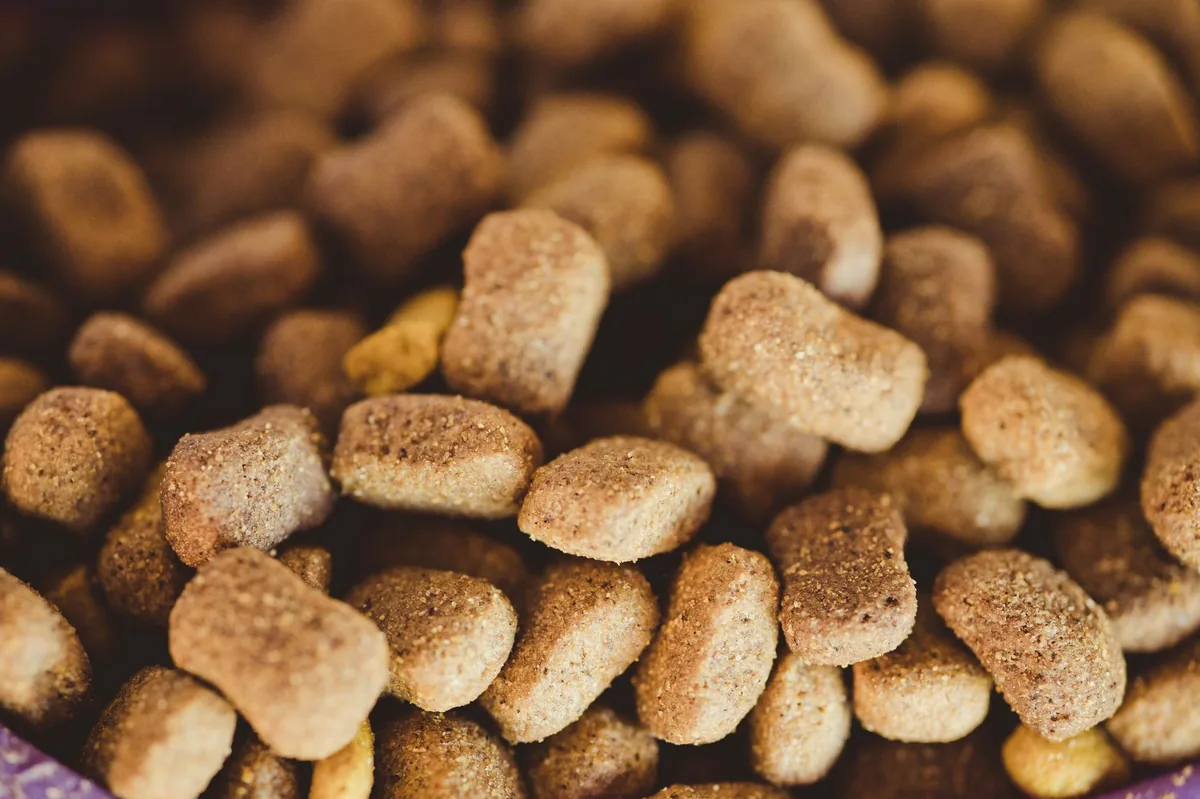
- High protein, low fat: Protein supports satiety and muscle preservation. Look for foods with ≥30 % protein on a dry‑matter basis and ≤10 % fat.
- Controlled portions: Use a calibrated measuring cup or kitchen scale. Follow the vet’s recommended daily caloric amount, adjusting as weight changes.
- Frequent, smaller meals: Splitting daily calories into 2‑3 meals can reduce begging behavior and improve digestion.
- Limit treats: Treats should make up no more than 10 % of total calories. Choose low‑calorie options like baby carrots, green beans, or commercial “fit” treats.
- Transition slowly: When switching foods, blend the new diet with the old over 7‑10 days to avoid gastrointestinal upset.
Prescription diets (e.g., “satiety‑enhanced” or “therapeutic weight‑loss” formulas) are formulated to meet nutrient needs at fewer calories. Brands differ by region, but they all follow AAHA and AAFCO standards for balanced nutrition.
| Food choice | Do feed | Limit | Avoid |
|---|---|---|---|
| High‑protein kibble | Portion‑controlled meals | Table scraps | High‑fat treats |
| Lean cooked meat (chicken, turkey) | Boneless, skinless, no added oil | Cooked bones | Fat trimmings |
| Low‑calorie vegetables | Steamed carrots, green beans | Fruit with high sugar (grapes, bananas) | Cheese, butter |
Water should always be available. Some owners find a “food puzzle” feeder helpful; it slows eating and adds mental stimulation, which can aid weight loss.
Cost and prognosis
Weight‑loss programs vary:
- Basic home plan: Food cost $30‑$70 per month (dry kibble) plus a few inexpensive toys; total $360‑$840 per year.
- Veterinary‑guided plan: Initial visit $80‑$150, follow‑up rechecks $50‑$100 each, prescription diet $2.50‑$4.00 per pound, plus possible lab work $100‑$250. Annual total often $600‑$1,200.
- Weight‑loss medication: If prescribed, add $30‑$70 per month.
With consistent effort, most overweight dogs lose 1‑2 % of body weight per week—a safe, sustainable rate. Studies cited by the Merck Veterinary Manual show that losing 10‑15 % of body weight can dramatically improve mobility, lower insulin levels, and reduce joint strain, extending both quality and length of life.
Prevention and home care
Preventing obesity starts with daily habits:
- Measure food at each meal; avoid “free‑feeding.”
- Schedule at least two short walks (15‑20 minutes) daily; increase gradually as fitness improves.
- Use interactive toys or puzzle feeders to add activity without extra calories.
- Perform a quick BCS check monthly—look for a visible waist and feel for ribs.
- Schedule a yearly wellness exam; ask the vet to re‑evaluate weight and discuss any metabolic concerns.
For multi‑dog households, feed each dog separately to prevent competition and overeating. Keep treats in a sealed container to avoid accidental “extra” servings.
From our vet team: The most successful weight‑loss journeys combine a realistic calorie target, a diet your dog actually enjoys, and a walk routine that fits your lifestyle. Small, consistent steps beat dramatic “crash diets” every time. If you’re uncertain about the right calorie goal or notice your dog struggling, reach out to your vet—they’ll fine‑tune the plan and keep you both safe.
Key takeaways
- Obesity is excess body fat that pushes a dog’s BCS above 5/9; it’s common but reversible.
- Measure food, monitor BCS, and schedule regular walks to keep weight in check.
- Vet‑guided low‑calorie, high‑protein diets paired with modest exercise are the most effective treatment.
- Supplements like omega‑3s and L‑carnitine can support joint health and metabolism, but always ask your vet first.
- Weight‑loss medications exist but are reserved for cases that need extra help; they’re not a first‑line solution.
- Early intervention prevents serious complications such as diabetes, arthritis, and heart disease, greatly improving your dog’s lifespan.
Myth vs. fact
Myth: “If my dog looks chubby, a quick diet will fix it.” Fact: Rapid calorie cuts can cause liver stress and muscle loss; safe weight loss requires a gradual, vet‑supervised plan.
Myth: “All treats are bad for an overweight dog.” Fact: Low‑calorie treats (e.g., sliced carrots or green beans) can be used in moderation and even aid training.
Myth: “Only large breeds get obese.” Fact: Small breeds like Pugs and French Bulldogs are also prone to weight gain due to their compact bodies and love of food.
Frequently asked questions
How do I calculate my dog’s body condition score?
Start by feeling your dog’s ribs—if you can’t feel them easily, the dog is likely overweight. Then look from above for a visible waist and from the side for an abdominal tuck. Compare these observations to a 9‑point BCS chart, where 4‑5 is ideal.
What health problems can result from dog obesity?
Obesity raises the risk of arthritis, insulin resistance leading to diabetes, heart disease, respiratory issues, and even certain cancers. It also shortens lifespan by an estimated 1‑2 years on average, according to the American College of Veterinary Internal Medicine (ACVIM).
Can a vet prescribe medication to help a dog lose weight?
Yes. In some cases, veterinarians may prescribe appetite suppressants or metabolic modulators, but these are adjuncts to diet and exercise—not replacements. Your vet will discuss benefits, risks, and cost before starting any drug.
How long does it take for an overweight dog to lose weight safely?
Safe loss is 1‑2 % of body weight per week. For a 70‑lb dog, that’s roughly 0.7‑1.4 lb per week, meaning a 15‑% weight reduction could take 3‑4 months with consistent effort.
What are the cheapest ways to manage a dog’s weight?
Measure meals with a kitchen scale, switch to a high‑protein, lower‑calorie kibble, use homemade low‑calorie treats (like frozen banana slices), and incorporate free‑form walks or backyard play instead of pricey dog‑daycare or equipment.
Should I feed my dog less or switch to a different food?
Both strategies often work together. Reducing portion size creates a calorie deficit, while a diet formulated for weight loss ensures your dog still gets essential nutrients. Your vet can calculate the exact daily calories needed and recommend an appropriate therapeutic food.
Ask the PuppaDogs community
Have a question this article didn’t fully answer? Want to compare notes with other dog owners who’ve been through this? Our community forum is moderated by experienced owners and vets — and answers tend to come fast. Ask in the PuppaDogs community →
References
- American Veterinary Medical Association (AVMA). “Obesity in Dogs” fact sheet, 2022.
- American Animal Hospital Association (AAHA). “Weight Management Guidelines for Dogs,” 2023.
- American College of Veterinary Internal Medicine (ACVIM). “Obesity and Metabolic Syndrome,” 2021.
- Merck Veterinary Manual. “Obesity in Dogs” chapter, 2024 edition.
- World Small Animal Veterinary Association (WSAVA). “Nutrition and Weight Management,” 2022.
- American Association of Feed Control Officials (AAFCO). “Nutrient Profiles for Therapeutic Diets,” 2023.
- Cornell University College of Veterinary Medicine. “Body Condition Scoring for Dogs,” 2022.
- UC Davis Veterinary Medicine. “Dietary Management of Canine Obesity,” 2023.


