













Quick take: Nystagmus in dogs is an involuntary, rhythmic eye movement that can signal anything from a harmless inner‑ear irritation to a serious brain problem. Watch for rapid side‑to‑side or up‑and‑down eye motions, especially if they’re accompanied by balance loss, vomiting, or changes in behavior. Call your veterinarian promptly—if the dog is dizzy, unable to stand, or you see worsening symptoms, head to an emergency clinic right away.
It’s 11 p.m., and you’re scrolling through your phone while your senior Labrador, Bella, sits on the couch with her eyes flicking back and forth like a tiny metronome. You’ve never seen anything like it, and the sudden “twitch” makes your heart race. Is this something you can wait out, or does it mean Bella’s brain is in trouble?
We get it—seeing your dog’s eyes move on their own is unsettling, and the internet is full of conflicting advice. In the next few minutes, we’ll explain exactly what nystagmus is, why it happens, how vets figure out the cause, and what you can do at home and with your vet to keep Bella (or any dog) comfortable.
By the end of this article you’ll know the warning signs, the steps to take tonight, what to expect at the veterinary clinic, and how diet, environment, and follow‑up care can help manage this condition.
What is nystagmus (unintentional eye movement) in dogs?
Nystagmus is a rapid, involuntary movement of the eyes that can be horizontal (side‑to‑side), vertical (up‑and‑down), or rotary (circular). In dogs, the eyes may appear to “dance” even when the head stays still. The movement is caused by a mismatch between the brain’s signals that control eye position and the inner‑ear balance system.
While nystagmus itself isn’t a disease, it is a clinical sign—much like a cough in humans—that points to an underlying problem. It’s seen in dogs of all ages, but the underlying causes differ between puppies, adult dogs, and seniors.
What causes nystagmus?
The root causes fall into four main categories: neurological, vestibular (inner‑ear), ocular, and congenital. Below is a quick reference.
| Category | Typical Causes |
|---|---|
| Neurological | Brain tumors, inflammatory disease (meningoencephalitis), stroke, toxic exposure, metabolic disorders (hypoglycemia, hepatic encephalopathy) |
| Vestibular | Idiopathic vestibular disease, ear infections, otitis media, ototoxic drugs, trauma to the inner ear |
| Ocular | Severe eye pain, retinal disease, glaucoma, cataract surgery complications |
| Congenital | Inherited vestibular defects, developmental anomalies in the brainstem or inner ear |
Some breeds—such as the Cavalier King Charles Spaniel, Miniature Schnauzer, and Pug—are reported more often with idiopathic vestibular disease, which can produce nystagmus.
Signs and symptoms
Early nystagmus may be subtle, but as the underlying issue progresses, other signs appear. Recognizing the pattern helps you decide how urgently to seek care.
| Severity | Signs you might notice |
|---|---|
| Mild | Gentle oscillation of one or both eyes; dog is otherwise alert, normal appetite |
| Moderate | More rapid eye movement, head tilt, unsteady gait, occasional vomiting, reduced interest in play |
| Severe | Continuous intense nystagmus, inability to stand, severe vomiting, drooling, seizures, loss of consciousness |
Other clues that nystagmus may be part of a bigger problem include:
- Loss of balance or a “head tilt.”
- Vomiting or nausea without a clear food cause.
- Changes in behavior—confusion, irritability, or lethargy.
- Visible pain around the ears or eyes.
When to call your vet
Call your regular veterinarian today if you notice any of the following:
- Eye movement that lasts longer than a few seconds.
- Accompanying head tilt, loss of balance, or vomiting.
- Changes in appetite, drinking, or bathroom habits.
- Any signs of pain around the ears or eyes.
Go to an emergency veterinary hospital right now if you see:
- Continuous, rapid eye shaking that makes the dog unable to stand.
- Seizures, collapse, or severe disorientation.
- Bleeding from the ears or eyes.
These red flags suggest a potentially life‑threatening condition that needs immediate attention. This article is for general information only and does not replace a hands‑on veterinary exam.
How vets diagnose nystagmus
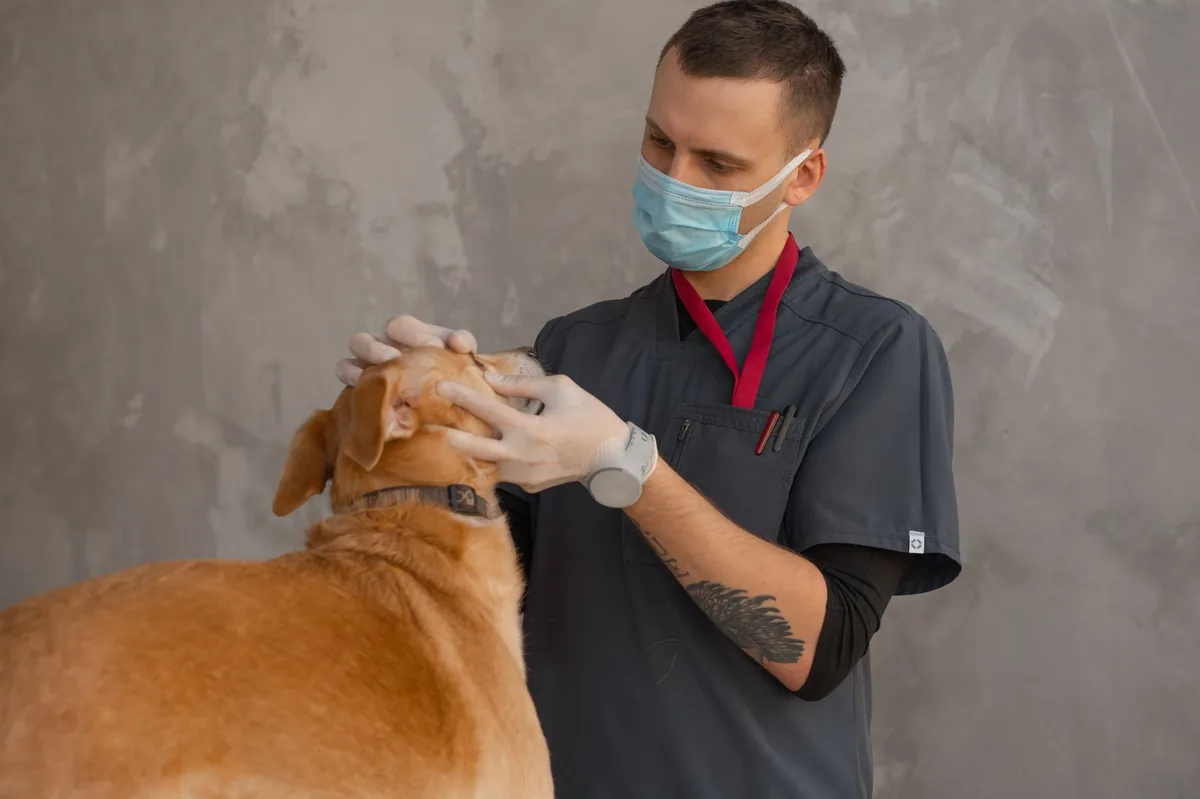
Diagnosing the cause of nystagmus begins with a thorough history and physical exam. Your vet will ask:
- When the eye movement started and whether it’s constant or intermittent.
- Any recent trauma, infections, new foods, or medications.
- Vaccination and deworming status, especially for puppies.
Key diagnostic tools include:
- Neurological exam: Checks reflexes, gait, and pupil response.
- Otolaryngology exam: Ear swabs and otoscopic inspection for infection or fluid.
- Blood work: CBC, chemistry panel, and thyroid test to rule out metabolic causes.
- Imaging: MRI or CT scans are the gold standard for identifying brain tumors, strokes, or inner‑ear lesions.
- Advanced vestibular testing: Video‑nystagmography (VNG) can differentiate peripheral from central causes.
Treatment options
Medical treatment
Because nystagmus itself is a symptom, treatment targets the underlying cause. Common drug classes include:
- Anti‑inflammatories: Steroids (e.g., prednisone) or non‑steroidal anti‑inflammatory drugs (NSAIDs) for vestibular inflammation.
- Antibiotics or antifungals: For ear infections caused by bacteria (e.g., enrofloxacin) or fungi (e.g., itraconazole).
- Anticonvulsants: Phenobarbital or levetiracetam if seizures accompany the nystagmus.
- Supportive fluids: Intravenous crystalloids to correct dehydration and electrolyte imbalances.
Ask your vet about these options; dosage will be tailored to your dog’s weight, age, and severity.
Supplements and supportive care
While supplements can’t cure nystagmus, they may support overall neurologic health when the cause is inflammatory or degenerative.
- Omega‑3 fatty acids (EPA/DHA): Anti‑inflammatory properties that may help with inner‑ear inflammation.
- Vitamin B‑complex: Supports nerve function, especially in dogs recovering from toxic or metabolic insults.
- Probiotics: Useful if antibiotics are prescribed, to maintain gut health.
Always discuss any supplement with your vet before adding it to your dog’s regimen.
Procedures or surgery
Surgical intervention is rare but may be necessary for specific problems:
- Middle‑ear (tympanic) surgery: Removes chronic infection or fluid that’s driving vestibular signs.
- Brain tumor resection or radiation: For neoplastic causes, especially in larger breeds.
- Corrective eye surgery: In cases where chronic ocular disease (e.g., cataract complications) induces nystagmus.
Recovery from surgery varies from a few weeks (ear procedures) to several months (brain tumor therapy). Cost can range from a few hundred to several thousand dollars, depending on the complexity.
Diet and nutrition
Nutrition won’t stop nystagmus, but a balanced diet can help the body cope with the underlying condition—especially if the cause is metabolic, inflammatory, or related to a chronic disease.
What to feed
- High‑quality protein: Supports tissue repair and immune function. Look for named animal proteins (chicken, turkey, fish) as the first ingredient.
- Digestible carbohydrates: Rice or sweet potato provide steady energy without taxing the gut.
- Omega‑3 sources: Salmon oil or fish‑based kibble adds EPA/DHA, which may reduce inner‑ear inflammation.
- Antioxidant‑rich foods: Blueberries, pumpkin, or commercial diets fortified with vitamin E and C can help limit oxidative stress in the brain.
What to limit or avoid
- Excessive sodium: High salt can worsen fluid buildup in the inner ear; avoid table scraps and processed meats.
- Artificial additives: Preservatives and colorings may aggravate inflammation in sensitive dogs.
- High‑fat treats: Overweight dogs are at higher risk for vestibular disease; keep treats to ≤10 % of daily calories.
Prescription therapeutic diets
If your vet identifies a specific metabolic issue (e.g., hepatic encephalopathy), they may recommend a therapeutic diet such as a low‑protein, high‑carbohydrate liver formula. These diets are formulated to reduce toxin buildup and are available through most veterinary pharmacies.
Feeding routine
Offer smaller, more frequent meals (3‑4 times daily) if your dog is nauseous or has reduced appetite. Warm the food slightly to enhance aroma, which can stimulate eating in a dog that feels unwell.
Transitioning to a new diet should be gradual—mix increasing amounts of the new food with decreasing amounts of the old over 7‑10 days. This helps avoid gastrointestinal upset, which can compound vestibular signs.
Finally, keep fresh water available at all times. Adequate hydration supports inner‑ear fluid balance, which is crucial for vestibular function.
Cost and prognosis
Financial considerations are part of any veterinary decision. Below are typical cost ranges (based on US and UK averages) for diagnosing and treating nystagmus.
| Service | US (USD) | UK (GBP) |
|---|---|---|
| Initial exam & basic blood panel | $80‑$150 | £60‑£120 |
| Advanced imaging (MRI) | $1,200‑$2,500 | £800‑£1,500 |
| Ear culture & sensitivity | $100‑$200 | £70‑£150 |
| Medication (30 days) | $50‑$250 | £40‑£180 |
| Surgical procedure (ear or brain) | $2,000‑$6,000 | £1,500‑£4,000 |
Prognosis hinges on the underlying cause:
- Idiopathic vestibular disease: Often resolves within 2‑3 weeks; most dogs return to normal.
- Ear infections: Good to excellent with appropriate antibiotics.
- Brain tumors or severe metabolic disease: Variable; some dogs achieve stable disease for months, others have a guarded outlook.
Early detection and treatment dramatically improve outcomes, so acting quickly is key.
Prevention and home care
While you can’t always prevent a sudden vestibular episode, several everyday habits reduce risk:
- Regular ear checks: Look for redness, discharge, or foul odor. Clean with a vet‑recommended solution, not home remedies.
- Vaccinations and parasite control: Prevent infectious causes like canine distemper or tick‑borne diseases that can affect the brain.
- Safe environment: Keep floors free of slippery surfaces; use non‑slip rugs to help a dog with balance issues.
- Weight management: Obesity strains the vestibular system and can worsen inner‑ear inflammation.
- Routine blood work: Senior dogs benefit from annual panels to catch metabolic or hormonal changes early.
If your dog has a known vestibular condition, monitor for recurrence and keep a log of any triggers (e.g., new foods, stressful events). This information helps your vet fine‑tune treatment.
From our vet team: Nystagmus is almost always a sign that something else needs attention. Even if the eye movement looks “just a twitch,” we recommend a thorough exam because early intervention can turn a scary night into a quick recovery.
Key takeaways
- Rapid eye movement (nystagmus) signals an underlying issue—don’t ignore it.
- Call your regular vet today for any persistent eye tremor; seek emergency care if the dog can’t stand or has seizures.
- Diagnosis usually involves a physical exam, blood work, and imaging (MRI/CT) to pinpoint the cause.
- Treatment targets the root problem—antibiotics for ear infections, steroids for inflammation, or surgery for tumors.
- Balanced nutrition with high‑quality protein and omega‑3s supports recovery, especially for inflammatory or metabolic causes.
- Regular ear hygiene, weight control, and routine vet check‑ups are the best preventive measures.
Myth vs. fact
Myth: Nystagmus always means a brain tumor.
Fact: While brain disease can cause nystagmus, the most common cause in dogs is idiopathic vestibular disease, an inner‑ear problem that often resolves on its own.
Myth: If the eyes stop moving, the problem is solved.
Fact: The eye movement may cease, but the underlying cause (infection, inflammation, or neurologic issue) can still be present and needs treatment.
Myth: Diet alone can cure nystagmus.
Fact: Nutrition supports overall health but does not replace medical diagnosis and treatment for the underlying cause.
Frequently asked questions
What does nystagmus look like in a dog?
It appears as a rapid, rhythmic shaking of the eyes—either side‑to‑side, up‑and‑down, or circular—often visible when the dog is still.
Can nystagmus be cured in dogs?
When the cause is treatable (e.g., ear infection or idiopathic vestibular disease), the eye movements usually stop after therapy; however, “cure” depends on the underlying condition.
Is nystagmus in dogs hereditary?
Some breeds have a genetic predisposition to vestibular disorders, but most cases are acquired rather than inherited.
What other conditions can cause eye twitching in dogs?
Conditions such as conjunctivitis, glaucoma, retinal disease, and certain neurological seizures can also produce involuntary eye movements.
How quickly should I see a vet if my dog has nystagmus?
Schedule a veterinary appointment the same day; if the dog is also dizzy, unable to stand, or having seizures, go to an emergency clinic immediately.
Will medication stop my dog’s eye movements?
Medication targets the underlying cause—e.g., antibiotics for an ear infection or steroids for inflammation—and can reduce or eliminate the nystagmus once the root issue resolves.
Ask the PuppaDogs community
Have a question this article didn’t fully answer? Want to compare notes with other dog owners who’ve been through this? Our community forum is moderated by experienced owners and vets — and answers tend to come fast. Ask in the PuppaDogs community →
References
- American College of Veterinary Internal Medicine (ACVIM) – “Vestibular Disease in Dogs” guideline, 2022.
- Merck Veterinary Manual – “Nystagmus” entry, 2023 edition.
- American Animal Hospital Association (AAHA) – “Diagnostic Imaging for Neurologic Disorders,” 2021.
- Veterinary Ophthalmology (3rd ed.) – “Ocular Causes of Nystagmus,” 2020.
- World Small Animal Veterinary Association (WSAVA) – “Canine Ear Infections” recommendations, 2022.
- University of California, Davis Veterinary Medicine – “Idiopathic Vestibular Disease in Dogs,” clinical overview, 2023.
- AVMA – “Guidelines for Veterinary Emergency Care,” 2022.
- American Kennel Club (AKC) – Breed predisposition data for vestibular disease, 2023.
- Plumb’s Veterinary Drug Handbook – Common drug classes for vestibular and neurologic disorders, 2022.


