









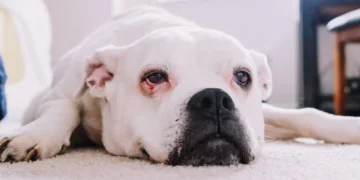






Quick take: Nasal adenocarcinoma is the most common malignant nose tumor in dogs. Early signs include nosebleeds, sneezing, and a foul odor. Diagnosis relies on imaging and a biopsy, and treatment usually combines surgery, radiation, and sometimes chemotherapy. Costs can range from a few thousand to over ten thousand dollars, and quality of life often improves with proper care.
It’s 10 p.m., and your 8‑year‑old mixed‑breed Labrador is lying on the couch, eyes half‑closed, and you notice a faint, metallic scent drifting from his nose. He sniffs the air, then sneezes once, twice, and finally lets out a small trickle of blood. Your heart skips. You’ve Googled “nose bleed in dogs” and the top result mentions tumors. The panic that follows is familiar: “Is this cancer? How urgent is it? What will it cost?”
We understand that feeling. A nasal tumor can sound terrifying, but the good news is that many dogs live happy, comfortable lives after a proper diagnosis and treatment plan. In this article we’ll explain exactly what nasal adenocarcinoma is, how to spot it early, what your vet will do to confirm it, the range of treatment options, expected costs, and steps you can take at home to support recovery.
Read on for a step‑by‑step guide that covers symptoms, diagnostics, treatment choices, diet tips, and how to keep your dog’s nose – and life – as healthy as possible.
What is nasal adenocarcinoma?
Nasal adenocarcinoma is a malignant (cancerous) tumor that arises from the glandular cells lining the nasal cavity. In dogs it is the single most common primary nasal cancer, accounting for roughly 60 % of all nasal tumors according to the American College of Veterinary Internal Medicine (ACVIM). These tumors grow slowly at first, but they can invade surrounding bone, sinuses, and even the brain if left untreated.
Other types of nasal tumors include squamous cell carcinoma, sarcoma, and lymphoma. While each behaves differently, they all share the hallmark of causing obstruction, bleeding, and inflammation inside the nose.
What causes it?
Exactly why a dog develops a nasal adenocarcinoma is still not fully understood, but several risk factors have been identified:
| Risk factor | Details |
|---|---|
| Breed predisposition | German Shepherds, Boxers, and Bulldogs show higher incidence (AKC data). |
| Age | Most cases occur in dogs > 7 years old (AAHA 2023 guidelines). |
| Environmental exposure | Chronic exposure to tobacco smoke, industrial chemicals, or dust may increase risk (US EPA). |
| Chronic inflammation | Long‑standing rhinitis or nasal infections can create a fertile ground for malignant change (Merck Veterinary Manual). |
There is no evidence that diet alone can cause nasal cancer, but a balanced diet supports overall immune health, which may help the body resist malignant transformation.
Signs and symptoms
Early warning signs are often subtle and can be mistaken for a simple cold or allergies. Look for the following progression:
| Stage | Typical signs |
|---|---|
| Mild | Occasional sneezing, mild nasal discharge (clear or slightly cloudy), slight loss of appetite. |
| Moderate | Frequent sneezing, unilateral (one‑sided) nasal discharge that becomes thick, mucoid, or blood‑tinged, facial swelling. |
| Severe | Persistent nosebleeds, foul odor from the nose, facial deformity, difficulty breathing, eye involvement (proptosis), lethargy, weight loss. |
Because the nasal cavity is close to the brain, advanced tumors can cause neurological signs such as head tilting, seizures, or vision loss. Any new or worsening symptom deserves prompt attention.
When to call your vet
Call your regular vet today if you notice any of the following:
- Repeated sneezing or nasal discharge lasting more than a week.
- Unilateral (one‑sided) discharge that becomes thick or blood‑tinged.
- Facial swelling, noticeable loss of appetite, or subtle weight loss.
Go to an emergency clinic right now if you see:
- Active, profuse nosebleeds that do not stop after a few minutes of pressure.
- Severe difficulty breathing, especially if the dog is struggling to inhale.
- Signs of neurological involvement (head tilt, seizures, sudden blindness).
These guidelines are for information only and do not replace an in‑person veterinary exam.
How vets diagnose it
The diagnostic work‑up follows a logical sequence:
- History and physical exam: Your vet will ask about the onset, frequency, and nature of sneezing or bleeding, and will palpate the facial bones for swelling.
- Imaging:
- Radiographs (X‑rays) give a quick look at bone erosion.
- Computed tomography (CT) provides a detailed 3‑D map of the tumor’s size and any intracranial extension.
- Magnetic resonance imaging (MRI) is used if brain involvement is suspected.
- Biopsy: The definitive diagnosis comes from a tissue sample taken via endoscopic biopsy or a fine‑needle aspirate. The sample is examined under a microscope to confirm adenocarcinoma versus other tumor types.
- Staging: Once cancer is confirmed, staging (often with CT or MRI) determines how far the tumor has spread. Staging helps tailor treatment and gives a prognosis.
These steps are outlined in the AAHA 2023 Canine Oncology Guidelines and are standard across most veterinary referral centers.
Treatment options
Management of nasal adenocarcinoma is multimodal. The exact plan depends on tumor size, location, the dog’s age, and overall health.
Medical treatment
When surgery alone cannot remove all tumor cells, adjunctive therapies are added:
- Radiation therapy: External beam radiation (often 10–12 fractions) is the gold‑standard for local control. It can shrink tumors and alleviate bleeding.
- Chemotherapy: Drugs such as carboplatin or doxorubicin are sometimes used when there is a high risk of metastasis. Your vet will decide if chemo adds benefit.
- Targeted therapy: In selected cases, tyrosine‑kinase inhibitors like toceranib may be discussed; ask your vet about this option.
All these medications are prescription‑only, and dosing will be individualized based on weight and disease stage.
Supplements and supportive care
While supplements cannot cure cancer, they can support recovery and maintain quality of life:
- Omega‑3 fatty acids (EPA/DHA): Anti‑inflammatory properties may help reduce swelling and improve appetite. Look for a canine‑specific fish oil supplement.
- Probiotics: Maintaining gut health is important, especially if your dog is on antibiotics or chemotherapy.
- Antioxidants (e.g., vitamin C, curcumin): Some owners report improved energy levels, but evidence is limited; discuss with your vet before adding them.
Procedures or surgery
When the tumor is confined to one side of the nasal cavity, a partial rhinectomy (removal of the affected nasal bone and cartilage) can be curative. Surgery is performed under general anesthesia, often followed by radiation to address microscopic residual disease.
Recovery typically involves 1–2 weeks of restricted activity, pain management, and careful monitoring for infection. The cost of surgery alone can range from $3,000 to $5,500 in the United States, according to the Veterinary Hospital Association’s 2023 cost survey.

Diet and nutrition
Nutrition plays a supportive role during cancer treatment. While no diet can replace standard therapy, feeding a balanced, highly digestible diet can help maintain body condition, support the immune system, and reduce inflammation.
Here are practical feeding guidelines for dogs with nasal adenocarcinoma:
| Category | Recommendations |
|---|---|
| Do feed | High‑quality, low‑fat protein sources (e.g., boiled chicken, turkey, or a commercial senior formula); omega‑3 enriched foods; easily chewable kibble or softened wet food to reduce effort. |
| Limit | Excessive sodium (can exacerbate swelling); very hard kibble that may irritate the nasal passages; foods high in simple sugars. |
| Avoid | Raw bones that could cause additional trauma; spicy or heavily seasoned foods; treats that are hard to chew or contain artificial preservatives. |
Because radiation can cause a dry mouth or reduced sense of smell, offering food at room temperature and adding a little warm water or low‑sodium broth can make meals more appealing. Small, frequent meals (3–4 times daily) are easier on a dog that may have trouble breathing while eating.
If your vet recommends a therapeutic diet, look for products labeled “cancer support” or “high‑digestibility.” These formulas usually contain added antioxidants and a balanced omega‑3 profile. Brands differ by region, so ask your vet which one fits your budget and local availability.
Transition to a new diet gradually over 5–7 days, mixing increasing amounts of the new food with the current diet. This helps prevent gastrointestinal upset, a common side effect of both chemotherapy and radiation.
For more personalized feeding advice, you can use our dog nutrition calculator or read the full guide on common dog health questions.
Cost and prognosis
Financial planning is an important part of cancer care. Below are typical cost ranges based on 2023 data from the American Veterinary Medical Association (AVMA) and the Veterinary Hospital Association:
- Diagnostic work‑up (imaging + biopsy): $1,200–$2,500.
- Surgery (partial rhinectomy): $3,000–$5,500.
- Radiation therapy (full course): $5,000–$9,000.
- Chemotherapy (single protocol): $2,000–$4,000.
- Supportive care (pain meds, supplements): $200–$600 per month.
Many pet owners rely on pet insurance; coverage varies, but most plans will reimburse 70–90 % of the above expenses after the deductible, provided the tumor is diagnosed early. Always verify pre‑authorization with your insurer.
Prognosis depends on stage at diagnosis. For dogs with a localized tumor that receives combined surgery and radiation, median survival times range from 12 to 24 months, with many dogs living comfortably beyond two years (AAHA 2023). Advanced or metastatic disease shortens survival, but palliative radiation can still improve quality of life for several months.
Prevention and home care
Because the exact cause of nasal adenocarcinoma is unknown, true prevention is challenging. However, you can reduce risk and support recovery with these everyday habits:
- Minimize exposure to tobacco smoke and dusty environments. Keep your home well‑ventilated and avoid using strong chemicals near your dog’s nose.
- Maintain regular veterinary check‑ups. Annual exams that include a brief nose inspection can catch early changes.
- Provide a balanced diet rich in omega‑3s. This may help modulate inflammation.
- Monitor for subtle changes. A quick daily “nose check” – gently lifting the lip and looking at the nostrils for discharge or swelling – can alert you to early problems.
- Follow post‑treatment instructions. Keep your dog calm for the first week after radiation, avoid rough play, and keep the feeding area clean to prevent secondary infections.
Our dog health community is a great place to share tips and ask questions about day‑to‑day care.
From our vet team: “If your dog is diagnosed with nasal adenocarcinoma, remember that treatment is not a one‑size‑fits‑all decision. Talk openly with your vet about goals—whether it’s extending life, easing discomfort, or both. Small changes like a softer diet or a short course of anti‑inflammatory medication can make a huge difference in your dog’s happiness while the larger therapies take effect.”
Key takeaways
- Early signs—sneezing, unilateral discharge, or a faint nosebleed—warrant a veterinary check within 24 hours.
- Diagnosis requires imaging (CT or MRI) plus a biopsy to confirm adenocarcinoma.
- Combined surgery and radiation offers the best chance for long‑term control and quality of life.
- Costs can range from $5,000 to $10,000; pet insurance often covers a large portion when caught early.
- Feeding a highly digestible, omega‑3‑rich diet supports recovery and reduces inflammation.
- Regular “nose checks” and minimizing exposure to smoke or dust can help catch problems sooner.
Myth vs. fact
Myth: Nasal cancer always spreads to the brain and is untreatable.
Fact: While some tumors can invade the brain, many are localized and respond well to surgery and radiation, giving dogs months to years of comfortable life.
Myth: Home remedies like herbal teas can cure nasal cancer.
Fact: No herbal or over‑the‑counter remedy can replace veterinary‑guided therapy; supplements may aid comfort but are not curative.
Frequently asked questions
What causes nasal cancer in dogs?
Exact causes are unknown, but breed predisposition (German Shepherds, Boxers), age over seven, chronic nasal inflammation, and environmental exposures such as tobacco smoke or industrial dust increase risk (AAHA 2023).
How can I tell if my dog has a nose tumor?
The quickest clue is persistent, unilateral nasal discharge that becomes thick or blood‑tinged, often accompanied by sneezing, facial swelling, or a foul odor. A vet will confirm the diagnosis with imaging and a biopsy.
What are the treatment options for canine nasal adenocarcinoma?
Standard options include surgical removal (partial rhinectomy), external beam radiation therapy, and, when indicated, chemotherapy or targeted drugs. Supportive care—pain medication, omega‑3 supplements, and nutritional adjustments—helps maintain quality of life.
Is nasal cancer painful for dogs?
Yes, many dogs experience discomfort from tumor growth, nasal obstruction, or secondary infections. Pain can be managed with NSAIDs, opioids, or local anesthetic blocks, all prescribed by your vet.
What is the prognosis for dogs diagnosed with nasal cancer?
For localized disease treated with surgery plus radiation, median survival is 12–24 months, with many dogs living beyond two years. Advanced disease reduces survival, but palliative care can still provide weeks to months of comfort.
How much does treatment for dog nose cancer usually cost?
Overall expenses typically range from $5,000 to $10,000, covering diagnostics, surgery, radiation, and follow‑up care. Insurance may cover 70–90 % after deductibles, but exact amounts vary by policy and region.
Ask the PuppaDogs community
Have a question this article didn’t fully answer? Want to compare notes with other dog owners who’ve been through this? Our community forum is moderated by experienced owners and vets — and answers tend to come fast. Ask in the PuppaDogs community →
References
- American Animal Hospital Association (AAHA). 2023 Canine Oncology Guidelines.
- American College of Veterinary Internal Medicine (ACVIM). Nasal Tumors in Dogs: Diagnosis and Management.
- American Veterinary Medical Association (AVMA). Veterinary Cost Survey 2023.
- Merck Veterinary Manual. “Nasal Tumors” chapter, latest edition.
- Veterinary Hospital Association. 2023 Veterinary Procedure Cost Database.
- American Kennel Club (AKC). Breed-specific health data for nasal adenocarcinoma.
- World Small Animal Veterinary Association (WSAVA). Environmental risk factors for canine cancer.
- Cornell University College of Veterinary Medicine. Radiation therapy protocols for nasal cancer.
- UC Davis School of Veterinary Medicine. Nutritional support in canine oncology.
- Plumb’s Veterinary Drug Handbook. Overview of chemotherapeutic agents used in dogs.


