






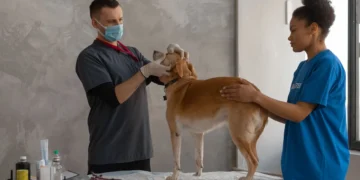









Quick take: Mesothelioma in dogs is a rare, aggressive cancer that arises from the lining of the chest or abdomen. Early signs are often vague—lethargy, shallow breathing, or a swollen belly—and the disease progresses quickly. Diagnosis requires imaging and tissue sampling, and treatment options are limited to surgery, chemotherapy, radiation, or palliative care, all of which can be costly. Your vet can help you decide the best supportive plan for your pet.
It’s 11 p.m., and your golden‑retriever, Max, isn’t greeting you at the door like he usually does. Instead, he lies on his side, breathing shallowly, and his belly looks slightly swollen. You glance at his gums—pale, a little too bright. Your heart races as you start Googling “dog chest tumor,” and the word “mesothelioma” pops up. That moment of panic is exactly why we wrote this guide: to give you clear, calm answers about mesothelioma in dogs, from what it is to how you can help Max feel more comfortable.
We know how overwhelming a cancer diagnosis can feel, especially when it appears out of the blue. The bottom line is that mesothelioma is rare but serious, and early detection can make a difference in comfort and treatment choices. In this article we’ll explain the disease, walk through symptoms, show how vets diagnose it, outline treatment and cost options, discuss nutrition, and give you practical steps you can take at home.
What is mesothelioma in dogs?
Mesothelioma is a cancer that starts in the mesothelium—the thin membrane lining the chest cavity (pleura), the abdominal cavity (peritoneum), or the heart sac (pericardium). In dogs, the most common site is the pleura, followed by the peritoneum. The tumor cells grow along these linings, causing fluid buildup (effusion) and compressing nearby organs.
Although mesothelioma is well known in humans—largely because of asbestos exposure—in dogs it is far less common. The American Veterinary Medical Association (AVMA) estimates fewer than 1 % of all canine cancers are mesotheliomas. Most cases appear in middle‑aged to senior dogs, typically between 7 and 12 years old.
What causes it?
Exactly why a dog develops mesothelioma remains unclear, but several risk factors have emerged from case reports and veterinary studies.
| Risk factor | Details |
|---|---|
| Asbestos exposure | Living in homes with old asbestos insulation or frequent exposure to asbestos‑containing dust. |
| Breed predisposition | Some breeds—especially Boxers, English Bulldogs, and German Shepherds—appear more often in case series. |
| Chronic inflammation | Long‑standing pleural or peritoneal irritation (e.g., from repeated infections) may increase risk. |
| Age | Older dogs are at higher risk, likely due to cumulative cellular damage. |
While asbestos is the most discussed cause, many dogs diagnosed with mesothelioma have no known exposure. Genetics and environmental factors likely interact, and ongoing research at institutions such as Cornell College of Veterinary Medicine is exploring these links.
Signs and symptoms
Because the tumor grows along a lining, early signs are often subtle and can be mistaken for other conditions.
| Severity | Typical signs |
|---|---|
| Mild | Lethargy, decreased appetite, occasional cough. |
| Moderate | Noticeable breathing difficulty, abdominal swelling, weight loss. |
| Severe | Rapidly accumulating fluid in chest or abdomen, difficulty moving, pale gums, collapse. |
Other clues include a “gurgling” sound when you press on a swollen belly, or a sudden change in your dog’s willingness to play. Some owners first notice a persistent cough that doesn’t improve with cough suppressants.

When to call your vet
Call your vet today if you notice any of the following:
- Lethargy or loss of appetite lasting more than 48 hours.
- Persistent cough or wheezing.
- Abdominal swelling or a noticeable fluid “pouch”.
- Pale or bluish gums.
Go to an emergency veterinary hospital right now if your dog shows:
- Severe difficulty breathing or rapid respiratory rate.
- Sudden collapse or inability to stand.
- Profuse bleeding from any site.
These red flags indicate that fluid accumulation or tumor pressure may be life‑threatening. This article provides general information only; it is not a substitute for professional veterinary care.
How vets diagnose it
Diagnosing mesothelioma involves a stepwise approach.
- History and physical exam: Your vet will ask about symptom onset, exposure history (e.g., asbestos), and perform a thorough exam.
- Imaging: Thoracic or abdominal X‑rays can reveal fluid accumulations. A CT scan offers detailed views of the lining and any nodular growths.
- Fluid analysis: If fluid is present, a needle (thoracocentesis or abdominocentesis) removes a sample for cytology. The cells are examined under a microscope.
- Biopsy: A core needle or surgical biopsy provides a tissue sample. Pathologists use immunohistochemistry (IHC) markers—such as calretinin and WT‑1—to confirm mesothelioma versus other cancers.
- Additional tests: Blood work (CBC, chemistry) helps assess organ function and detect anemia or kidney involvement.
These diagnostics are usually performed at a veterinary specialty hospital or a university teaching clinic, where advanced imaging and pathology services are available.
Treatment options
Medical treatment
Because mesothelioma is aggressive, treatment aims to slow progression and improve quality of life.
- Surgery: When feasible, removal of the tumor (pleurectomy or peritoneal debulking) can reduce fluid buildup. Not all dogs are surgical candidates.
- Chemotherapy: Drugs such as carboplatin, doxorubicin, or piroxicam are commonly used. Your vet will tailor the regimen to your dog’s weight and health status. Ask your vet about this option.
- Radiation therapy: Targeted radiation can shrink tumors and relieve pain, especially when surgery isn’t possible.
- Palliative care: NSAIDs (e.g., carprofen) and steroids (e.g., prednisolone) help control inflammation and pain.
Supplements and supportive care
Evidence for supplements is limited, but some owners find benefit from:
- Omega‑3 fatty acids (EPA/DHA) – may reduce inflammation and support overall health.
- Probiotics – help maintain gut health, especially if chemotherapy causes nausea.
- Vitamin B12 or SAMe – can aid appetite and liver function, though they are not curative.
Always discuss any supplement with your vet, as interactions with chemotherapy or other meds are possible.
Procedures or surgery
When fluid builds up rapidly, a thoracentesis (chest tap) or abdominocentesis (abdomen tap) provides immediate relief and improves breathing. A pericardial window may be placed if fluid surrounds the heart.
Recovery from surgery typically involves 1–2 weeks of restricted activity and pain medication. Hospital stays can range from a single night to several days, depending on the procedure’s complexity.
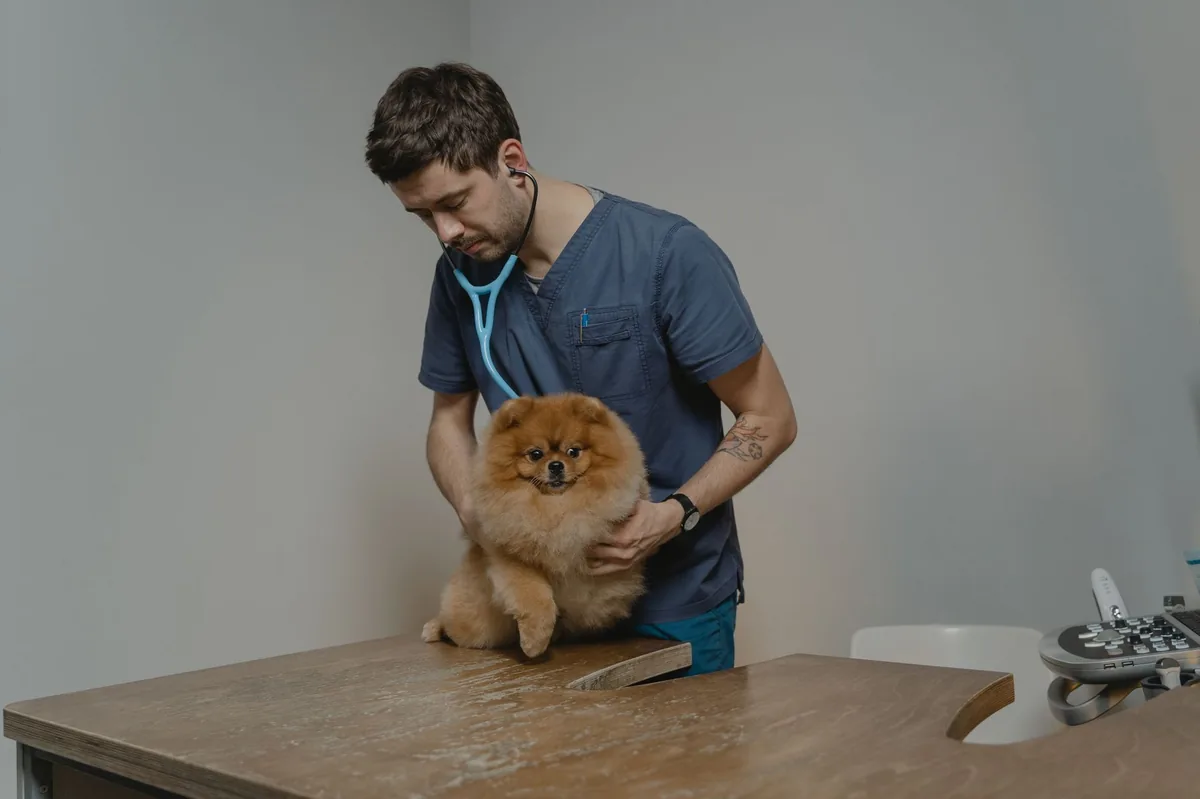
Diet and nutrition
Nutrition plays a supportive role in managing mesothelioma, especially when fluid accumulation or chemotherapy affects appetite and organ function. While no specific “mesothelioma diet” exists, feeding a balanced, highly digestible diet can help maintain strength and reduce inflammation.
What to feed
- High‑quality protein sources (chicken, turkey, fish) that are easy to digest.
- Moderate fat levels (around 12‑15 % of calories) to provide energy without overloading the liver.
- Omega‑3 enriched foods or a separate fish‑oil supplement for anti‑inflammatory benefits.
- Cooked vegetables such as pumpkin or sweet potato for fiber and vitamins.
What to limit or avoid
- High‑salt foods – excess sodium can worsen fluid retention.
- Rich, fatty treats – may trigger gastrointestinal upset, especially during chemo.
- Raw or undercooked meat if your dog’s immune system is compromised; consult your vet.
Many owners find that a prescription “renal” or “low‑sodium” therapeutic diet (e.g., Hill’s Prescription Diet k/d) helps manage fluid balance, even though the primary issue isn’t kidney disease. These diets are formulated to be highly digestible and contain added antioxidants.
When transitioning to a new diet, do it gradually over 5–7 days: mix 25 % new food with 75 % old, then increase the new portion each day. This reduces gastrointestinal upset and helps your dog adjust.
| Category | Do feed | Limit | Avoid |
|---|---|---|---|
| Protein | Lean chicken, turkey, fish | Moderate‑fat meats | Raw meat if immunocompromised |
| Fats | Fish oil, olive oil (small amount) | Heavy animal fats | Fried foods |
| Carbohydrates | Cooked pumpkin, sweet potato | Excessive grains | High‑sugar treats |
| Electrolytes | Low‑sodium commercial diet | Table salt | Processed snacks |
Hydration is also critical. Offer fresh water several times a day, and consider adding a little low‑sodium broth to encourage intake. If your dog struggles to drink, a syringe (without a needle) can gently provide fluids.
Finally, monitor weight weekly. If your dog is losing weight despite a good appetite, discuss a high‑calorie supplement (e.g., Nutri-Cal) with your vet.
Cost and prognosis
Because mesothelioma is rare, exact cost figures vary widely by region and treatment plan. Below are typical ranges based on data from veterinary specialty hospitals and the PuppaDogs cost calculator.
| Service | US estimate | UK estimate |
|---|---|---|
| Initial diagnostics (X‑ray, CT, fluid analysis) | $500–$1,200 | £400–£900 |
| Biopsy & pathology | $800–$1,500 | £600–£1,200 |
| Surgical resection | $3,000–$7,000 | £2,500–£5,500 |
| Chemotherapy (multiple cycles) | $2,000–$5,000 | £1,500–£4,000 |
| Radiation therapy (course) | $4,000–$8,000 | £3,000–£7,000 |
| Palliative care (meds, fluid taps) | $500–$2,000 per month | £400–£1,600 per month |
Prognosis is guarded. According to the American College of Veterinary Internal Medicine (ACVIM), median survival after diagnosis is 2–6 months without treatment, and 4–12 months with aggressive multimodal therapy. Quality of life often remains the most important factor; many owners opt for palliative care once the disease progresses.
Prevention and home care
While you can’t eliminate all risk, you can reduce exposure and catch problems early.
- Minimize asbestos contact: If your home was built before the 1980s, have a professional inspection for asbestos insulation. Keep your dog away from renovation dust.
- Regular veterinary check‑ups: Annual exams for senior dogs should include thoracic and abdominal auscultation, especially if your dog shows any coughing or abdominal swelling.
- Monitor weight and activity: Sudden changes may signal fluid buildup. Keep a simple log of meals, weight, and breathing effort.
- Maintain a clean environment: Use HEPA filters to reduce airborne irritants, and avoid smoking indoors.
- Vaccinations and parasite control: While not directly linked to mesothelioma, staying up‑to‑date reduces overall health stress.
If your dog is diagnosed, schedule follow‑up visits every 2–4 weeks during active treatment, and then every 1–2 months for palliative care. Early detection of fluid re‑accumulation can be managed with a simple thoracentesis performed by your vet.
From our vet team: “Mesothelioma feels overwhelming, but the goal is to keep your dog comfortable. Even small steps—like a quick fluid tap or a change to a low‑sodium diet—can add weeks of quality time. Keep open communication with your vet, and don’t hesitate to ask about hospice‑style options when the disease progresses.”
Key takeaways
- Mesothelioma is a rare, aggressive cancer of the chest or abdominal lining, most often seen in senior dogs.
- Early signs include lethargy, a persistent cough, and abdominal swelling; watch for pale gums and rapid breathing.
- Diagnosis requires imaging (X‑ray/CT) and tissue sampling; treatment options are surgery, chemotherapy, radiation, or palliative care.
- Costs can range from a few hundred dollars for diagnostics to several thousand for multimodal therapy; plan financially and discuss options with your vet.
- Feeding a high‑quality, low‑sodium diet with omega‑3 enrichment supports overall health and can help manage fluid buildup.
- Reduce asbestos exposure, maintain regular vet check‑ups, and monitor your dog’s weight and breathing to catch problems early.
Myth vs. fact
Myth: Mesothelioma in dogs is always caused by asbestos.
Fact: While asbestos exposure is a known risk, many dogs develop mesothelioma without any documented exposure.
Myth: All dogs with mesothelioma will die within weeks.
Fact: With surgery, chemotherapy, or diligent palliative care, some dogs live several months to a year, often with good quality of life.
Myth: Home remedies can cure mesothelioma.
Fact: There is no proven home cure; supportive care and veterinary‑guided treatments are the only evidence‑based options.
Frequently asked questions
What does mesothelioma look like in dogs?
Mesothelioma appears as a thickening of the pleural or peritoneal lining, often visible as fluid accumulation on X‑ray or CT scans. The tumor itself may look like a smooth, sheet‑like mass rather than a solid lump.
Is there a link between asbestos and dog mesothelioma?
Yes, asbestos fibers inhaled or ingested can trigger mesothelioma, but many cases occur without known exposure, suggesting additional genetic or environmental factors.
How quickly does mesothelioma progress in dogs?
Progression is typically rapid; untreated dogs often survive 2–6 months after diagnosis, while aggressive treatment can extend survival to 4–12 months.
Are there any home remedies for canine mesothelioma?
There are no proven home cures. Supportive measures like a low‑sodium diet, gentle exercise, and pain‑relieving supplements can improve comfort, but veterinary treatment is essential.
What tests do vets use to confirm mesothelioma?
Vets combine imaging (X‑ray, CT), fluid cytology, and a tissue biopsy with immunohistochemistry markers such as calretinin to definitively diagnose mesothelioma.
Can my dog live a normal life after a mesothelioma diagnosis?
While a full “normal” life is unlikely, many dogs enjoy several months of good quality of life with appropriate pain management, fluid taps, and tailored nutrition.
Ask the PuppaDogs community
Have a question this article didn’t fully answer? Want to compare notes with other dog owners who’ve been through this? Our community forum is moderated by experienced owners and vets — and answers tend to come fast. Ask in the PuppaDogs community →
References
- American College of Veterinary Internal Medicine (ACVIM) – Guidelines on Canine Thoracic Neoplasia, 2022.
- American Veterinary Medical Association (AVMA) – Canine Cancer Statistics, 2023.
- Merck Veterinary Manual – Mesothelioma in Dogs chapter, updated 2024.
- AAHA – Veterinary Oncology Standards, 2023.
- Cornell University College of Veterinary Medicine – Research on Asbestos‑Related Tumors in Dogs, 2021.
- World Small Animal Veterinary Association (WSAVA) – Nutrition Recommendations for Dogs with Cancer, 2022.
- Plumb’s Veterinary Drug Handbook – Chemotherapy agents for canine cancers, 2023.


