













Quick take: Meningitis, meningoencephalitis, and meningomyelitis are inflammatory diseases of the brain and spinal cord that can be caused by infections, immune‑mediated disorders, or other triggers. Early signs include fever, neck pain, and changes in behavior; prompt veterinary care is essential. Treatment combines antibiotics or steroids, supportive care, and often a special diet, while costs vary from a few hundred to several thousand dollars depending on diagnostics and severity.
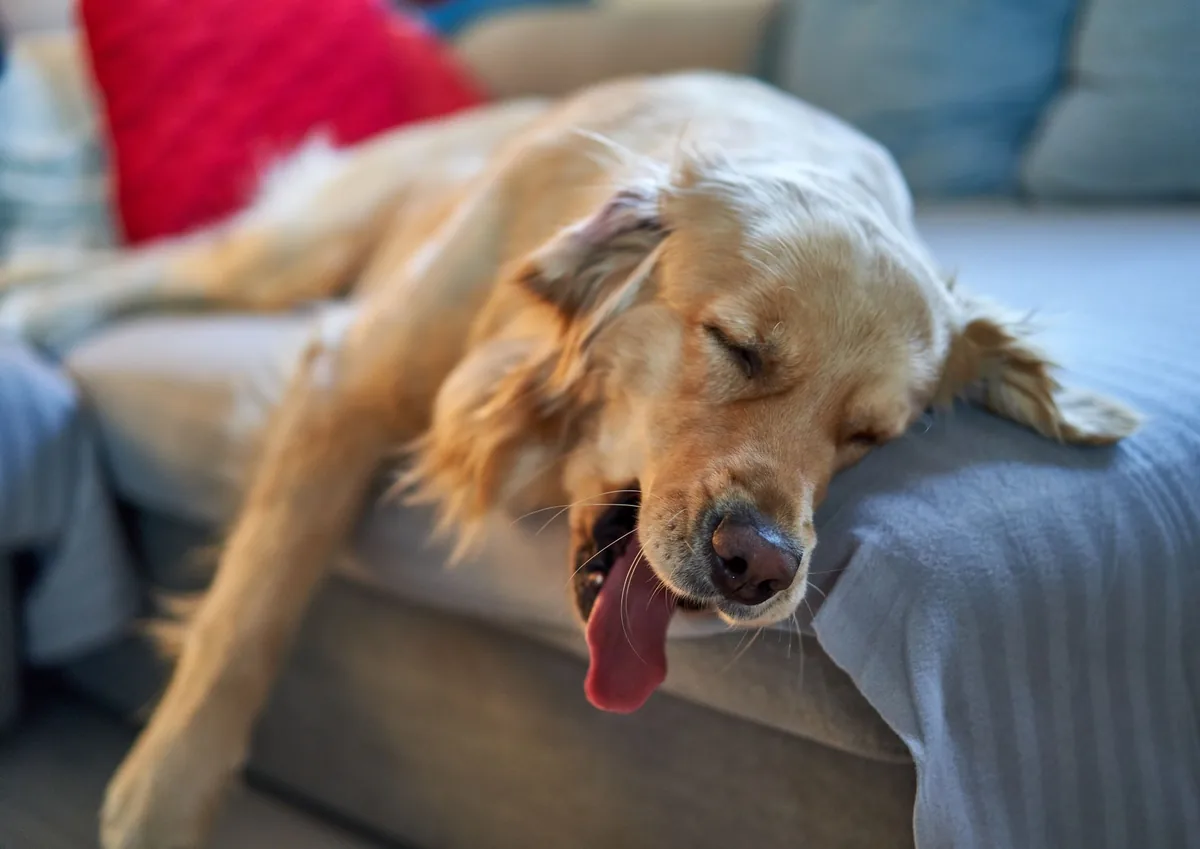
It’s 11 p.m., the house is quiet, and your 7‑year‑old golden retriever, Max, isn’t greeting you at the door like usual. Instead, he lies on the rug, his head tilted, eyes a little glassy, and when you gently press his neck, he winces. Your heart starts racing, and you wonder, “Is this something serious?” You’re not alone—many owners first notice these subtle, unsettling changes when an inflammation of the nervous system is developing.
In this guide, we’ll walk through what meningitis, meningoencephalitis, and meningomyelitis are, why they happen, how to spot them early, what your vet will do to diagnose and treat them, and how you can help Max recover at home. We’ll also cover typical costs, prognosis, and steps you can take to prevent future episodes.
By the end, you’ll know exactly what to look for, when to call your vet, and how to support your dog through treatment and recovery.
What is meningitis, meningoencephalitis, and meningomyelitis?
These three terms describe inflammation in different parts of the central nervous system (CNS):
- Meningitis – inflammation of the meninges, the three protective membranes (dura, arachnoid, and pia) that surround the brain and spinal cord.
- Meningoencephalitis – inflammation that involves both the meninges and the brain tissue itself (the encephalon).
- Meningomyelitis – inflammation affecting the meninges and the spinal cord (the myelum).
All three conditions can arise from infectious agents (bacteria, viruses, fungi, parasites) or from non‑infectious triggers such as autoimmune disease, drug reactions, or trauma. In dogs, they are relatively uncommon but can affect any breed, age, or size. According to the American College of Veterinary Internal Medicine (ACVIM), inflammatory CNS disease accounts for roughly 5–10 % of all neurological cases seen in referral hospitals.
What causes it?
Causes fall into two broad categories—infectious and non‑infectious. Below is a quick overview.
| Category | Typical agents or triggers |
|---|---|
| Infectious | Bacterial (e.g., Streptococcus, Staphylococcus), viral (e.g., canine distemper, rabies), fungal (e.g., Coccidioides, Blastomyces), protozoal (e.g., Toxoplasma gondii) |
| Non‑infectious | Autoimmune (e.g., granulomatous meningoencephalitis), drug‑induced (e.g., certain antibiotics), neoplastic (tumors invading meninges), traumatic injury, steroid‑withdrawal, metabolic (e.g., severe electrolyte imbalance) |
| Predisposed breeds | Boxers, Beagles, Boston Terriers, and Pugs have a higher reported incidence of granulomatous meningoencephalitis (GME) according to the American Kennel Club (AKC) health surveys. |
In many cases, especially with autoimmune forms, the exact trigger remains unknown—a situation we call “idiopathic.” Your vet will often perform a series of tests to narrow down the cause before deciding on therapy.
Signs and symptoms
Symptoms can develop quickly or over weeks, and they vary with the part of the CNS that’s inflamed. Below is a concise guide to what you might notice.
| Severity | Typical signs |
|---|---|
| Mild | Low‑grade fever, subtle neck stiffness, mild lethargy, decreased appetite, occasional tremor |
| Moderate | Noticeable pain when the neck or spine is moved, head tilt, unsteady gait, vocalization (whining), seizures, pupil dilation |
| Severe | High fever, severe neck or spinal pain, paralysis of limbs, coma, rapid respiratory changes, inability to stand |
Early signs often involve changes in behavior—your dog may seem “off,” less playful, or reluctant to climb stairs. As inflammation spreads, neurological deficits such as ataxia (loss of coordination), facial nerve paralysis, or seizures become evident.
When to call your vet
Call your vet today (non‑emergency):
- Low‑grade fever (< 39.5 °C/103.1 °F) lasting more than 24 hours
- Persistent neck pain or stiffness
- Changes in appetite or mild lethargy lasting > 48 hours
- Occasional tremors or stumbling
Go to an emergency veterinary hospital right now:
- High fever (> 40 °C/104 °F) with shivering
- Severe neck or spinal pain that makes the dog vocalize when touched
- Sudden loss of coordination, inability to walk, or paralysis
- Seizures, especially if they are repeated or prolonged
- Unresponsiveness, coma, or rapid breathing changes
These red‑flag signs indicate that the inflammation may be rapidly progressing and requires immediate medical attention. This article is for information only; it does not replace a hands‑on veterinary exam.
How vets diagnose it
The diagnostic work‑up is systematic, aiming to identify the cause and gauge severity.
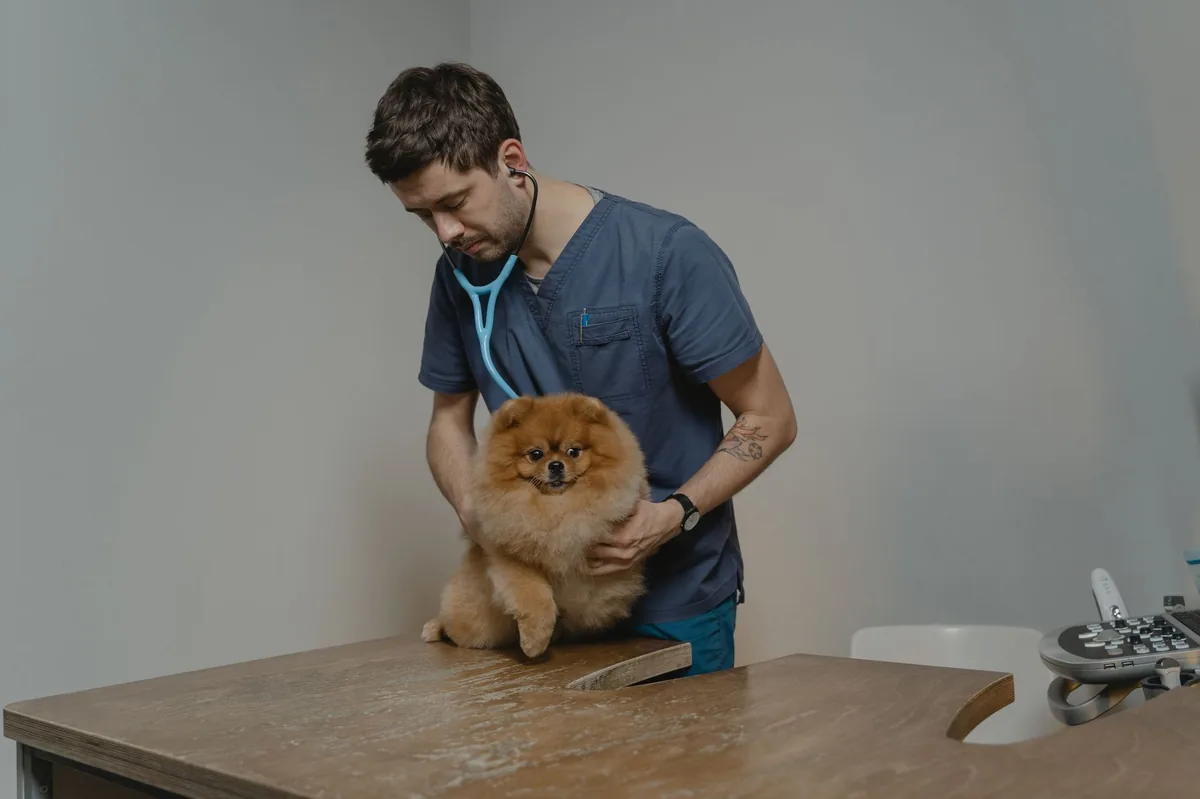
- History and physical exam: Your vet will ask about recent vaccinations, travel, exposure to wildlife, and any drug changes. A thorough neurological exam checks reflexes, gait, and cranial nerve function.
- Blood work: A complete blood count (CBC) and chemistry panel can reveal infection (high white blood cells), inflammation (elevated C‑reactive protein), or organ involvement.
- Imaging: MRI is the gold standard for visualizing meningeal enhancement, brain swelling, or spinal cord lesions. CT scans may be used when MRI isn’t available.
- Cerebrospinal fluid (CSF) analysis: A sample is taken via a lumbar puncture. The CSF is examined for cell count, protein level, and presence of bacteria, fungi, or parasites. According to the American Veterinary Medical Association (AVMA), CSF analysis is crucial for distinguishing infectious from immune‑mediated disease.
- Advanced tests: PCR panels for specific pathogens, fungal serology, or autoimmune antibody panels may be recommended based on initial findings.
These tests together give your vet a clear picture of what’s happening inside your dog’s nervous system.
Treatment options
Medical treatment
Therapy is tailored to the underlying cause.
- Antibiotics: For bacterial meningitis, broad‑spectrum agents such as ampicillin or ceftriaxone are common. Your vet will adjust based on culture results.
- Antifungals: When fungi are identified, drugs like fluconazole or itraconazole are used.
- Antiviral medication: Rarely indicated, but agents like ribavirin may be considered for specific viral infections.
- Immunosuppressants: Autoimmune forms (e.g., granulomatous meningoencephalitis) often require corticosteroids (prednisone) plus a second‑line drug such as cyclosporine or mycophenolate. Ask your vet about these options.
- Supportive drugs: Anti‑seizure medications (phenobarbital, levetiracetam) and pain relievers (tramadol, gabapentin) help control symptoms while the primary therapy takes effect.
Supplements and supportive care
Adjunctive nutrition can aid recovery, though it’s not a cure.
- Omega‑3 fatty acids (EPA/DHA): Reduce neuroinflammation; many vets recommend a high‑quality fish‑oil supplement.
- Antioxidants: Vitamin E and selenium may support neuronal health, especially after oxidative stress from infection.
- Probiotics: Helpful if antibiotics disrupt gut flora; choose a canine‑specific product.
- Fluid therapy: Intravenous fluids keep hydration and electrolyte balance stable, especially if fever or vomiting is present.
Procedures or surgery
Surgery is rarely required unless there is a structural lesion (e.g., a tumor compressing the spinal cord) that needs removal. In such cases, a neurosurgical specialist may perform a decompressive laminectomy or tumor excision. Recovery can take 2–4 weeks of intensive care, and costs for surgical intervention in the U.S. often range from $5,000 to $12,000, depending on facility and complexity.
Diet and nutrition
While there is no “meningitis‑specific” commercial diet, feeding a balanced, easily digestible diet helps reduce metabolic stress and supports immune function. Here are practical guidelines for dogs recovering from meningoencephalitis or meningomyelitis.
- High‑quality protein: Choose foods with named animal proteins (chicken, turkey, fish) that are highly digestible. Protein helps rebuild damaged neural tissue.
- Moderate fat: Include omega‑3 sources (fish oil or flaxseed) for anti‑inflammatory benefits, but keep overall fat moderate to avoid gastrointestinal upset.
- Complex carbohydrates: Cooked sweet potato or pumpkin provide gentle energy without spiking blood glucose.
- Limited sodium: Excess sodium can increase intracranial pressure; avoid heavily salted treats.
- Hydration: Fresh water should always be available. If your dog is reluctant to drink, offer low‑sodium broth or a water‑enhanced diet.
Many owners find success with prescription “neurological” diets that are formulated for brain health (e.g., diets enriched with omega‑3s, antioxidants, and highly digestible protein). Ask your vet about a therapeutic diet appropriate for your dog’s specific needs—there is no single brand that is universally superior.
| Food | Do feed | Limit | Avoid |
|---|---|---|---|
| Cooked lean meats | Yes – chicken, turkey, fish | Occasional – lean beef | Fatty cuts, cured meats |
| Complex carbs | Yes – sweet potato, pumpkin | Small portions of rice | High‑glucose treats |
| Fats | Omega‑3 oil (1 tsp per 10 lb) | Butter or lard | Fried foods |
| Dairy | Low‑lactose cheese (small) | Plain yogurt (if tolerated) | Milk (high lactose) |
| Supplements | Fish oil, probiotic | Extra vitamins unless prescribed | Human multivitamins |
Transition to a new diet gradually over 5–7 days to avoid gastrointestinal upset—mix increasing amounts of the new food with decreasing amounts of the old food each day. Feeding smaller, more frequent meals can also help if your dog is experiencing nausea or reduced appetite.
Finally, monitor your dog’s weight and body condition. Inflammation can increase metabolic demands, so a slight weight gain may be needed, while an infection can cause rapid weight loss. Keep a daily log of food intake and any vomiting or diarrhea to share with your vet.
Cost and prognosis
Financial considerations are part of the decision‑making process. Below are typical cost ranges for diagnostics and treatment in the United States and United Kingdom (prices are estimates and can vary by clinic, region, and severity).
| Service | US (USD) | UK (GBP) |
|---|---|---|
| Initial exam & blood work | $150–$300 | £80–£150 |
| MRI of brain/spine | $1,200–$2,500 | £800–£1,500 |
| CSF collection & analysis | $250–$500 | £150–£300 |
| Antibiotic course (2 weeks) | $100–$250 | £70–£150 |
| Immunosuppressive therapy (first month) | $200–$600 | £120–£350 |
| Hospitalization (per day) | $400–$800 | £250–£500 |
| Surgery (if needed) | $5,000–$12,000 | £4,000–£9,000 |
Prognosis depends on cause, speed of treatment, and the dog’s age and overall health. Infectious bacterial meningitis, when caught early and treated aggressively, has a survival rate of 70–80 % according to the Merck Veterinary Manual. Autoimmune meningoencephalitis carries a more guarded outlook, with remission rates of 40–60 % after long‑term immunosuppression.
Senior dogs with meningomyelitis may face higher risk of permanent neurological deficits, but many recover enough to enjoy a good quality of life if complications are managed promptly.
Prevention and home care
While you can’t eliminate every risk, several steps can lower the chance of CNS inflammation.
- Vaccination: Core vaccines—distemper, parvovirus, adenovirus (hepatitis), and rabies—protect against viral agents that can cause meningitis. Some regions also recommend a leptospirosis vaccine, which can occasionally involve the CNS.
- Tick and flea control: Effective products (e.g., those containing fluralaner or sarolaner) prevent transmission of tick‑borne pathogens like Babesia or Ehrlichia that may lead to meningoencephalitis.
- Prompt treatment of infections: Upper respiratory infections, ear infections, or dental disease should be addressed quickly to reduce the chance of bacterial spread to the CNS.
- Avoid unnecessary antibiotics: Overuse can predispose to resistant bacteria; always follow your vet’s guidance.
- Regular wellness exams: Routine blood work and neurological checks allow early detection of subtle changes.
At home, keep a daily journal of your dog’s behavior, appetite, and any neurologic signs. If you notice a new symptom, contact your vet right away. Gentle neck and back handling, avoiding rough play, and providing a calm environment can also aid recovery.
From our vet team: “Seeing a dog with fever and a stiff neck can feel terrifying, but remember that early veterinary intervention dramatically improves outcomes. Ask about CSF analysis and the possibility of a short course of steroids if an autoimmune cause is suspected—these are often the turning points in treatment.”
Key takeaways
- Inflammation of the brain, spinal cord, or meninges (meningitis, meningoencephalitis, meningomyelitis) can be infectious or immune‑mediated and requires prompt veterinary care.
- Early signs include fever, neck pain, lethargy, and subtle gait changes; severe signs like seizures or paralysis demand immediate emergency attention.
- Diagnosis relies on blood work, MRI, and especially cerebrospinal fluid analysis to pinpoint the cause.
- Treatment combines targeted antibiotics or antifungals, immunosuppressive drugs for autoimmune disease, supportive care, and a nutritious, easily digestible diet.
- Costs range from a few hundred dollars for basic labs to several thousand for advanced imaging or surgery; prognosis varies with cause and speed of treatment.
- Vaccination, tick control, and early infection treatment are the best preventive measures.
Myth vs. fact
Myth: All meningitis in dogs is caused by bacteria and requires antibiotics.
Fact: While bacterial infection is common, viruses, fungi, parasites, and autoimmune disorders also cause meningitis; treatment is tailored to the underlying cause.
Myth: Steroids are always dangerous for dogs with CNS inflammation.
Fact: In autoimmune meningitis, steroids are a cornerstone of therapy; they must be used under veterinary supervision to balance benefits and side effects.
Myth: Once a dog recovers, it will never have another neurological episode.
Fact: Dogs with immune‑mediated disease may experience relapses; regular check‑ups and monitoring are essential.
Frequently asked questions
What causes meningitis in dogs?
Most cases stem from bacterial infection, viral agents like distemper, fungal organisms, or autoimmune processes such as granulomatous meningoencephalitis. Tick‑borne pathogens and parasites can also trigger inflammation.
What symptoms should I watch for if my dog has meningitis?
Watch for fever, neck or back pain, lethargy, loss of appetite, head tilt, unsteady gait, seizures, or paralysis. Early, mild signs may be subtle, so any sudden change in behavior deserves a vet call.
How is meningitis different from encephalitis in dogs?
Meningitis affects only the protective membranes (meninges), while encephalitis involves inflammation of the brain tissue itself. When both are inflamed, the condition is called meningoencephalitis. Diagnosis often requires imaging and CSF analysis to distinguish them.
Can meningitis be cured in dogs?
Yes, many dogs recover fully when the underlying cause is identified and treated promptly. Bacterial meningitis responds well to antibiotics, whereas autoimmune forms may need long‑term immunosuppression and have a more guarded prognosis.
What is the typical cost of treating meningitis in a dog?
Diagnostic work‑up (blood work, MRI, CSF analysis) usually costs $1,500–$3,000 in the U.S. Treatment (antibiotics, steroids, hospitalization) adds $500–$2,000, with surgery and long‑term care potentially raising total expenses to $5,000–$12,000.
Are certain dog breeds more prone to meningitis?
Boxers, Beagles, Boston Terriers, and Pugs have a higher reported incidence of granulomatous meningoencephalitis, an autoimmune form of CNS inflammation. However, any breed can develop infectious meningitis.
How long is recovery after meningitis treatment in dogs?
Recovery time varies. Dogs with uncomplicated bacterial meningitis often improve within 2–3 weeks of antibiotic therapy. Autoimmune cases may require months of immunosuppressive medication and gradual neurologic improvement.
Is steroid therapy safe for canine meningomyelitis?
When prescribed by a veterinarian, steroids are generally safe and effective for immune‑mediated meningomyelitis. They must be dosed correctly and tapered slowly to avoid withdrawal effects.
Ask the PuppaDogs community
Have a question this article didn’t fully answer? Want to compare notes with other dog owners who’ve been through this? Our community forum is moderated by experienced owners and vets — and answers tend to come fast. Ask in the PuppaDogs community →
References
- American College of Veterinary Internal Medicine (ACVIM). “Inflammatory Central Nervous System Disease in Dogs.” 2022.
- Merck Veterinary Manual. “Meningitis in Dogs.” Updated 2023.
- American Veterinary Medical Association (AVMA). “Cerebrospinal Fluid Analysis Guidelines.” 2021.
- American Animal Hospital Association (AAHA). “Vaccination Guidelines for Dogs.” 2023.
- World Small Animal Veterinary Association (WSAVA). “Tick‑Borne Disease Prevention.” 2022.
- American Kennel Club (AKC). “Health Survey Results for Boxers.” 2021.
- Veterinary Partner. “Granulomatous Meningoencephalitis.” 2020.
- University of California, Davis Veterinary Medicine. “CSF Collection Techniques.” 2022.
- Plumb’s Veterinary Drug Handbook. “Antibiotic Use in Canine CNS Infections.” 2021.


