













Quick take: A mass protruding from a female dog’s vaginal area can be benign or malignant. Early veterinary evaluation is essential—your vet will determine the cause with exams and tests, and treatment may involve surgery, medication, or palliative care. Costs vary widely, but prompt care improves prognosis and quality of life.
It’s 11 p.m., and you’ve just noticed a soft, rounded bump hanging near your senior Cocker Spaniel’s vulva. She’s not moving as eagerly as usual, and the skin around the area looks a little pinkish. Your heart races as you scroll through search results, hoping for a quick answer. You’re not alone; many dog parents experience that exact moment of worry.
First, breathe. A protruding mass in the vaginal region can be caused by a range of conditions—some are harmless growths, others are aggressive cancers. The good news is that veterinary medicine offers clear pathways for diagnosis, treatment, and after‑care, and many dogs recover well when the problem is caught early.
In this article we’ll explain what a vaginal or vulvar mass is, why it appears, how to spot warning signs, what your vet will do to find out what it is, and what treatment options exist—including costs and home‑care tips. By the end you’ll know exactly what steps to take next, and you’ll have a solid plan for keeping your dog comfortable.

What is a mass protrusion from the vaginal area in dogs?
A “mass protrusion from the vaginal area” refers to any lump, swelling, or growth that extends outward from the vulva or the vaginal canal. The vulva is the external opening of the reproductive tract; the vagina is the muscular tube that leads to the cervix and uterus. When tissue enlarges—whether from a cyst, a benign tumor, or a malignant cancer—it can push outward and become visible or palpable.
These masses are relatively uncommon but not rare. According to the American College of Veterinary Surgeons (ACVS), vaginal and vulvar tumors represent roughly 2–5 % of all canine neoplasms. Benign lesions (like papillomas or cysts) are more frequent in younger dogs, while malignant tumors (such as squamous cell carcinoma or malignant melanoma) tend to appear in middle‑aged to senior females.
What causes a mass near a dog’s vulva?
Masses in the vaginal area fall into two broad categories: benign (non‑cancerous) and malignant (cancerous). Below is a quick overview of the most common causes.
| Category | Typical Causes | Typical Age |
|---|---|---|
| Benign | Vulvar papillae, epidermal cysts, fibroadenomas, leiomyomas | Young to middle‑aged |
| Inflammatory/Infectious | Pyometra (uterine infection), abscesses, granulomatous mastitis | Any age, often after heat cycle |
| Malignant | Squamous cell carcinoma, malignant melanoma, adenocarcinoma, sarcoma | Middle‑aged to senior |
Risk factors include:
- Intact (unspayed) females—hormonal changes increase the chance of pyometra and certain tumors.
- Breed predisposition—German Shepherds, Labrador Retrievers, and Golden Retrievers have a slightly higher incidence of vaginal squamous cell carcinoma.
- Chronic irritation—repeated infections, poor perineal hygiene, or long‑term exposure to estrogen‑containing medications can promote abnormal growth.
- Genetic mutations—some melanomas are linked to inherited pigment‑cell disorders.
Signs and symptoms
Early signs are often subtle and can be mistaken for normal aging or minor irritation. As the mass grows, more obvious changes appear.
| Stage | Typical Signs |
|---|---|
| Mild | Small swelling, slight redness, occasional licking of the area |
| Moderate | Visible lump, discharge (clear or blood‑tinged), discomfort when walking or urinating |
| Severe | Large protruding mass, foul odor, persistent bleeding, difficulty defecating, lethargy, fever |
Other red‑flag symptoms that often accompany a malignant lesion include weight loss, loss of appetite, and a general decline in energy. If you notice any of these, it’s time to act quickly.

When to call your vet
Call your vet today (non‑emergency) if you notice:
- A new lump that is less than 2 cm in size and not causing pain.
- Minor redness or a small amount of clear discharge.
- Any change in your dog’s urination or defecation habits that isn’t severe.
Go to an emergency clinic right now if you see:
- Sudden, heavy bleeding from the vulva.
- Rapid swelling that makes your dog unable to walk or urinate.
- Signs of shock—pale gums, rapid heartbeat, weakness, or collapse.
- Fever (>103 °F / 39.4 °C) combined with a painful mass.
These recommendations are for informational purposes only and do not replace a hands‑on veterinary exam.
How vets diagnose a vaginal mass
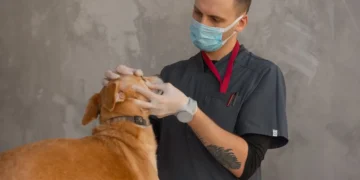
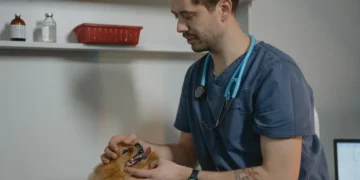
The diagnostic work‑up is systematic, beginning with a thorough history and physical exam. Your vet will:
- Palpate the area to assess size, consistency, and mobility of the mass.
- Perform a vaginal cytology—a swab of cells that can hint at inflammation, infection, or neoplasia.
- Run blood work (CBC, chemistry panel) to check for anemia, organ function, and possible metastatic spread.
- Order imaging—ultrasound for internal structure, and possibly a CT or MRI if a malignant tumor is suspected.
- Biopsy or fine‑needle aspirate (FNA)—the most definitive way to identify whether cells are cancerous. The sample is sent to a pathology lab for a histopathology report.
For suspected malignancy, staging tests such as thoracic radiographs (chest X‑rays) or a full body CT may be recommended to see if the cancer has spread to lungs or lymph nodes.
Treatment options
Medical treatment
Medical management is usually adjunctive to surgery, but in some cases it is the primary approach.
- Antibiotics (e.g., amoxicillin‑clavulanate) are used when a secondary bacterial infection is present.
- Anti‑inflammatory drugs such as carprofen or meloxicam help control pain and swelling.
- Immunosuppressants (e.g., prednisone) may be prescribed for inflammatory or certain malignant tumors to reduce immune‑mediated growth.
- Chemotherapy agents like doxorubicin or carboplatin are considered for aggressive cancers; your oncologist will tailor the protocol.
- Ask your vet about palliative medications that improve quality of life if curative treatment isn’t feasible.
Supplements and supportive care
While supplements can’t replace veterinary treatment, they can aid recovery and overall health.
- Omega‑3 fatty acids (EPA/DHA) – reduce inflammation and support skin health. A daily dose of 20–55 mg EPA per kilogram of body weight is typical; ask your vet for a product that meets AAFCO standards.
- Probiotics – help maintain a balanced gut flora, especially after antibiotics or surgery. Look for strains like Lactobacillus acidophilus and Bifidobacterium animalis.
- Vitamin C – may aid wound healing; however, high doses can cause gastrointestinal upset, so discuss the appropriate amount with your vet.
Procedures or surgery
Surgical removal is the cornerstone for most solid masses. The type of surgery depends on the lesion:
- Local excision – for small, benign papillomas or cysts, a simple removal under sedation may suffice.
- Vulvovaginectomy – removal of a larger tumor that involves part of the vaginal wall; often requires general anesthesia and a short hospital stay.
- Radical pelvic surgery – for invasive cancers that have infiltrated surrounding tissues; this is a more extensive procedure with longer recovery.
Post‑operative care includes pain control, wound monitoring, and limited activity for 10‑14 days. Your vet will give you detailed instructions on bandage changes, if any, and signs of infection.
Diet and nutrition
Nutrition plays a vital role in healing, immune function, and overall comfort after a vaginal mass diagnosis. While there is no single “cancer‑specific” diet required for every case, certain principles help support recovery.
What to feed
- Highly digestible protein – lean chicken, turkey, or fish provide the building blocks for tissue repair without overloading the liver.
- Moderate fat – 12–18 % of calories from fat (preferably from fish oil) supplies energy and enhances the anti‑inflammatory benefits of omega‑3s.
- Complex carbohydrates – sweet potatoes, pumpkin, or rice are easy on the stomach and help maintain steady blood glucose.
- Fiber – a small amount of soluble fiber (e.g., canned pumpkin) can aid bowel regularity, especially if your dog is on pain medication that slows gut motility.
What to limit or avoid
| Do feed | Limit | Avoid |
|---|---|---|
| High‑quality commercial diet meeting AAFCO nutrient profiles | Heavy sauces, table scraps high in salt | Raw bones that could splinter, especially near the surgical site |
| Prescription renal or oncologic formulas if recommended by your vet | Excessive treats (more than 10 % of daily calories) | Foods high in simple sugars (e.g., candy, sweetened yogurt) |
Feeding schedule and transition tips
After surgery, many dogs prefer smaller, more frequent meals (3–4 times a day) to reduce gastrointestinal upset. Start with a bland diet—boiled chicken and white rice—for the first 24‑48 hours, then gradually re‑introduce the regular diet over 3‑4 days. This step‑wise transition minimizes the risk of vomiting or diarrhea.
If your vet prescribes a therapeutic diet (such as a “cancer diet” that is low in protein and high in omega‑3s), follow the label’s feeding guide and adjust based on your dog’s body condition score. Monitoring weight weekly for the first month helps ensure you’re providing enough calories without overfeeding.
Hydration is key
Encourage fresh water at all times. Post‑operative pain medication can sometimes cause dry mouth, so adding a splash of low‑sodium broth to the water bowl can entice your dog to drink more.
Cost and prognosis
Financial considerations are a real part of pet care. Below are typical cost ranges for the United States and the United Kingdom; your local clinic may vary.
| Service | US (USD) | UK (GBP) |
|---|---|---|
| Initial exam + blood work | $150–$300 | £80–£150 |
| Ultrasound | $300–$600 | £200–£350 |
| Biopsy/FNA pathology | $200–$500 | £120–£250 |
| Surgical removal (simple excision) | $800–$1,500 | £500–£1,000 |
| Advanced cancer surgery (e.g., vulvovaginectomy) | $2,500–$5,000 | £1,500–£3,500 |
| Post‑op pain meds & antibiotics (7 days) | $100–$250 | £70–£150 |
| Chemotherapy (per protocol) | $1,000–$3,000 | £800–£2,200 |
Pet insurance often covers a portion of diagnostic testing and surgery, but coverage varies by plan. When reviewing a policy, look for “cancer” or “oncology” clauses, and confirm any pre‑existing condition exclusions.
Prognosis depends heavily on the tumor type, size, and whether it has spread. Benign lesions have an excellent outlook after complete removal—most dogs return to normal activity within 2‑3 weeks. Malignant cancers have a broader range: early‑stage squamous cell carcinoma may have a 70‑80 % 1‑year survival rate with surgery and adjunct therapy, while advanced melanoma can be more guarded (<30 % 1‑year survival). Your vet will give you a personalized estimate based on staging results.
Prevention and home care
While you can’t prevent every growth, certain everyday habits reduce risk and help you spot problems early.
- Regular veterinary check‑ups—annual exams for spayed females and semi‑annual exams for intact dogs allow vets to palpate the vulvar area and notice subtle changes.
- Maintain good perineal hygiene—wipe the area gently with a damp cloth after walks, especially if your dog spends time in muddy environments.
- Spay when appropriate—the American Veterinary Medical Association (AVMA) recommends spaying before the first heat to lower the risk of pyometra and hormone‑related tumors.
- Balanced diet and weight management—obesity is linked to higher rates of many cancers; keep your dog at an optimal body condition score.
- Monitor for changes—keep a mental (or photo) log of your dog’s vulvar appearance. Any new swelling, discoloration, or discharge should prompt a call to the vet.
After surgery, follow these home‑care steps:
- Limit activity: leash walks only, no running or jumping for 10‑14 days.
- Check the incision twice daily for redness, swelling, or discharge.
- Administer prescribed pain medication exactly as directed.
- Offer a soft, easily chewable diet during the first week.
- Contact your vet immediately if the incision opens, the wound smells foul, or your dog becomes lethargic.
Most recurrences manifest as a new lump near the original site. Routine re‑checks every 3‑6 months for the first year are advisable.
From our vet team: “A vaginal mass can feel scary, but the majority of owners we see catch the problem early enough that surgery or medical therapy restores a happy, active life. Keep a close eye on any changes, and don’t wait for the mass to grow huge—early intervention is the best medicine.”
Key takeaways
- Any new lump near the vulva warrants a veterinary exam; early diagnosis improves outcomes.
- Masses can be benign or malignant—only a biopsy can tell for sure.
- Surgical removal is the primary cure for solid tumors; adjunct medications help control pain and infection.
- Post‑operative nutrition should focus on highly digestible protein, moderate fat, and plenty of water.
- Costs vary widely; pet insurance often helps cover diagnostics and surgery.
- Regular check‑ups, good hygiene, and spaying when appropriate lower the risk of future vaginal masses.
Myth vs. fact
Myth: All vaginal lumps are cancerous.
Fact: Many are benign cysts or papillomas, especially in younger dogs; a biopsy determines the exact nature.
Myth: If the mass isn’t bleeding, it isn’t serious.
Fact: Non‑bleeding masses can still be malignant; size, growth rate, and tissue type matter more than bleeding alone.
Myth: Surgery always guarantees a cure.
Fact: Complete removal is curative for benign lesions, but malignant tumors may require additional therapy and have variable prognoses.
Frequently asked questions
What are the common signs of a vaginal mass in dogs?
Typical signs include a visible lump near the vulva, swelling, discharge (clear or blood‑tinged), difficulty urinating or defecating, and occasional licking of the area. Early lesions may be painless and only cause a small bump.
Can a vaginal lump be benign or is it always cancerous?
It can be either; benign growths like cysts or papillomas are common, especially in younger dogs. Only a tissue biopsy can definitively tell whether a mass is malignant.
How is a vaginal mass diagnosed in a female dog?
Diagnosis starts with a physical exam, followed by cytology, blood work, and imaging (ultrasound or CT). The definitive test is a biopsy or fine‑needle aspirate, which a pathologist evaluates for cancer cells.
What treatment options are available for a dog with a vaginal tumor?
Treatment may involve surgical removal (simple excision to radical vulvovaginectomy), chemotherapy for aggressive cancers, and supportive care such as antibiotics, pain relievers, and nutritional supplements.
What is the recovery time after vaginal mass surgery?
Most dogs recover enough for light leash walks within 10‑14 days. Full healing of the incision takes 3‑4 weeks, during which activity should be restricted and the wound monitored.
How much does treatment for a vaginal mass typically cost?
Costs range from $800 to $5,000 in the U.S. depending on diagnostics, surgery complexity, and any adjunct chemotherapy. Insurance can offset a portion, but check your policy’s cancer coverage details.
Ask the PuppaDogs community
Have a question this article didn’t fully answer? Want to compare notes with other dog owners who’ve been through this? Our community forum is moderated by experienced owners and vets — and answers tend to come fast. Ask in the PuppaDogs community →
References
- American College of Veterinary Surgeons (ACVS). “Guidelines for Surgical Management of Canine Vaginal Tumors.” 2022.
- American Veterinary Medical Association (AVMA). “Spay/Neuter Recommendations.” 2021.
- American Animal Hospital Association (AAHA). “Vaccination and Preventive Care Guidelines for Dogs.” 2023.
- Merck Veterinary Manual. “Neoplasia of the Female Reproductive Tract.” Updated 2024.
- World Small Animal Veterinary Association (WSAVA). “Oncologic Treatment Protocols for Dogs.” 2022.
- Veterinary Oncology Society. “Chemotherapy Drugs and Protocols for Canine Cancers.” 2023.
- American College of Veterinary Internal Medicine (ACVIM). “Diagnostic Imaging of Pelvic Masses.” 2021.
- University of California, Davis Veterinary Medicine. “Nutrition for Dogs Recovering from Surgery.” 2023.


