
















Quick take: Kidney failure in dogs can be acute (sudden) or chronic (gradual). Early signs include increased thirst, urination, and weight loss. Prompt veterinary care, dietary changes, and supportive treatment can extend quality of life, but costs and prognosis vary widely.
It’s 9 p.m., and your 11‑year‑old mixed‑breed Labrador is lying on the couch, licking his lips and staring at his water bowl more than usual. You notice his gums look a shade paler, and he seems less eager to chase the ball you tossed earlier. Your heart races as you wonder: “Is this kidney failure?” You’re not alone—many owners first notice subtle changes like these before a diagnosis lands.
Kidney failure, also called renal disease, is a serious condition that can develop quickly or creep up over months. While the news can feel overwhelming, knowing what to watch for, how it’s diagnosed, and what treatment options exist can help you make confident decisions for your companion.
In this guide we’ll explain what kidney failure is, differentiate acute from chronic forms, list early and late signs, describe the veterinary work‑up, outline medical and dietary management, discuss costs (including dialysis), and share prevention tips. By the end you’ll have a clear roadmap for caring for a dog with kidney disease.
What is kidney failure in dogs?
Kidney failure means the kidneys can’t filter waste, balance fluids, or regulate electrolytes as they should. In healthy dogs, the kidneys remove toxins like urea and creatinine from the blood, keep blood pressure stable, and produce hormones that manage red blood cell production and bone health. When they fail, these functions decline, leading to toxin buildup, dehydration, and anemia.
Two main types exist:
- Acute kidney injury (AKI) – a sudden loss of function, often within hours or days. Common triggers are toxins (e.g., antifreeze, certain plants), severe dehydration, or a blockage.
- Chronic kidney disease (CKD) – a progressive, usually irreversible decline over months or years. Age‑related wear, inherited factors, or long‑standing infections often drive CKD.
CKD is more common in senior dogs; studies from the American College of Veterinary Internal Medicine (ACVIM) estimate that up to 25 % of dogs over 10 years show some degree of chronic renal insufficiency.

What causes kidney failure?
Kidney disease can stem from a variety of internal and external factors. Below is a quick overview of the most common categories:
| Category | Typical Causes |
|---|---|
| Congenital / Genetic | Breed‑linked conditions (e.g., polycystic kidney disease in Bull Terriers, hereditary glomerulopathies in Shar Pei) |
| Toxins & Poisons | Ethylene glycol (antifreeze), certain plants (e.g., lilies), NSAID overdose, heavy metals |
| Infections | Leptospirosis, bacterial pyelonephritis, tick‑borne diseases (e.g., Ehrlichia) |
| Obstructive / Mechanical | Urinary stones, bladder tumors, urethral plugs |
| Chronic Degeneration | Age‑related nephron loss, hypertension, diabetes mellitus |
| Dietary Factors | Long‑term high‑protein, high‑phosphorus diets in susceptible dogs |
Many dogs have more than one risk factor. For example, a senior Miniature Schnauzer may have age‑related changes compounded by an inherited predisposition to glomerular disease.
Signs and symptoms
Kidney failure often starts subtly. Spotting early changes can lead to earlier intervention and a better quality of life.
| Stage | Typical Signs |
|---|---|
| Mild (early CKD) | Increased thirst (polydipsia), more frequent urination (polyuria), slight weight loss, reduced appetite |
| Moderate | Vomiting, diarrhea, bad breath (uremic odor), pale gums, lethargy, muscle wasting |
| Severe (advanced CKD or AKI) | Severe dehydration, anemia, seizures, difficulty breathing, confusion, noticeable abdominal swelling |
Other red‑flag signs that warrant immediate veterinary attention include: sudden collapse, inability to urinate, or bleeding from the gums.
When to call your vet
Call today (non‑emergency) if you notice any of the following:
- Increased thirst or urination lasting more than 24 hours
- Loss of appetite or weight loss
- Vomiting or diarrhea that persists beyond a day
- Pale or bluish gums
- Bad breath that smells like ammonia
Go to an emergency clinic right now if you see:
- Sudden inability to urinate (straining, vocalizing)
- Severe vomiting with blood
- Collapse, seizures, or extreme weakness
- Rapid breathing or signs of shock (cold paws, very low heart rate)
These signs indicate life‑threatening kidney injury or metabolic crisis. This article is for informational purposes only and does not replace a hands‑on veterinary exam.
How vets diagnose kidney failure
Diagnosing renal disease involves a combination of history, physical exam, and laboratory tests:
- Blood work (CBC & chemistry panel) – Elevated blood urea nitrogen (BUN) and creatinine are classic markers. The “SDMA” (symmetric dimethylarginine) test can detect kidney loss earlier than creatinine.
- Urinalysis – Looks for low specific gravity (indicating dilute urine), protein, blood, or crystals. A urine protein‑to‑creatinine ratio helps gauge damage.
- Imaging – Abdominal ultrasound visualizes kidney size, structure, and possible obstructions. X‑rays can identify stones or masses.
- Blood pressure measurement – Hypertension is both a cause and consequence of CKD; a cuff or Doppler device measures systolic pressure.
- Special tests – In some cases, a kidney biopsy (under sedation) may be recommended to pinpoint a specific disease, especially in young dogs with hereditary issues.
All results are interpreted together, often using the International Renal Interest Society (IRIS) staging system, which guides treatment intensity.
Treatment options
Medical treatment
Medical management aims to slow progression, control symptoms, and maintain hydration. Common drug classes include:
- Fluid therapy – Intravenous or subcutaneous fluids (e.g., Lactated Ringer’s or sterile saline) replace lost water and help flush toxins.
- Antihypertensives – ACE inhibitors (like enalapril) or calcium channel blockers (amlodipine) lower blood pressure and reduce kidney strain.
- Phosphate binders – Medications such as aluminum hydroxide or sevelamer limit phosphorus absorption from food, which helps slow renal decline.
- Anti‑nausea agents – Maropitant or ondansetron can improve appetite and comfort.
- Antibiotics – If a bacterial infection is present (e.g., leptospirosis), appropriate antibiotics are prescribed.
All of these are prescription drugs; ask your vet about each option and how they fit your dog’s specific stage.
Supplements and supportive care
Evidence‑based supplements can complement medical therapy:
- Omega‑3 fatty acids (EPA/DHA) – Reduce inflammation and may improve glomerular health. Look for a high‑quality fish‑oil supplement formulated for dogs.
- Potassium citrate – Helps manage metabolic acidosis, a common issue in CKD.
- Probiotics – Certain strains (e.g., Enterococcus faecium) support gut health, which can aid toxin removal.
- Vitamin B‑complex – May assist with anemia and energy metabolism.
Always discuss supplement choices with your vet; some can interact with medications or be unnecessary for certain stages.
Procedures or surgery
When kidney failure is severe, more intensive interventions may be considered:
- Dialysis (hemodialysis or peritoneal dialysis) – Removes waste directly from the blood. It’s an intensive, short‑term option for acute kidney injury or end‑stage CKD when owners pursue aggressive treatment. Typical cost in the U.S. ranges from $5,000–$10,000 per treatment series.
- Kidney transplant – Rare and available only at a few specialty centers. Success rates are improving, but the procedure is costly (often > $30,000) and requires lifelong immunosuppression.
- Surgical removal of obstructions – If stones or tumors block urine flow, surgery can restore function and prevent further damage.
These options are discussed on a case‑by‑case basis; most dogs are managed medically with diet and fluid support.
Diet and nutrition
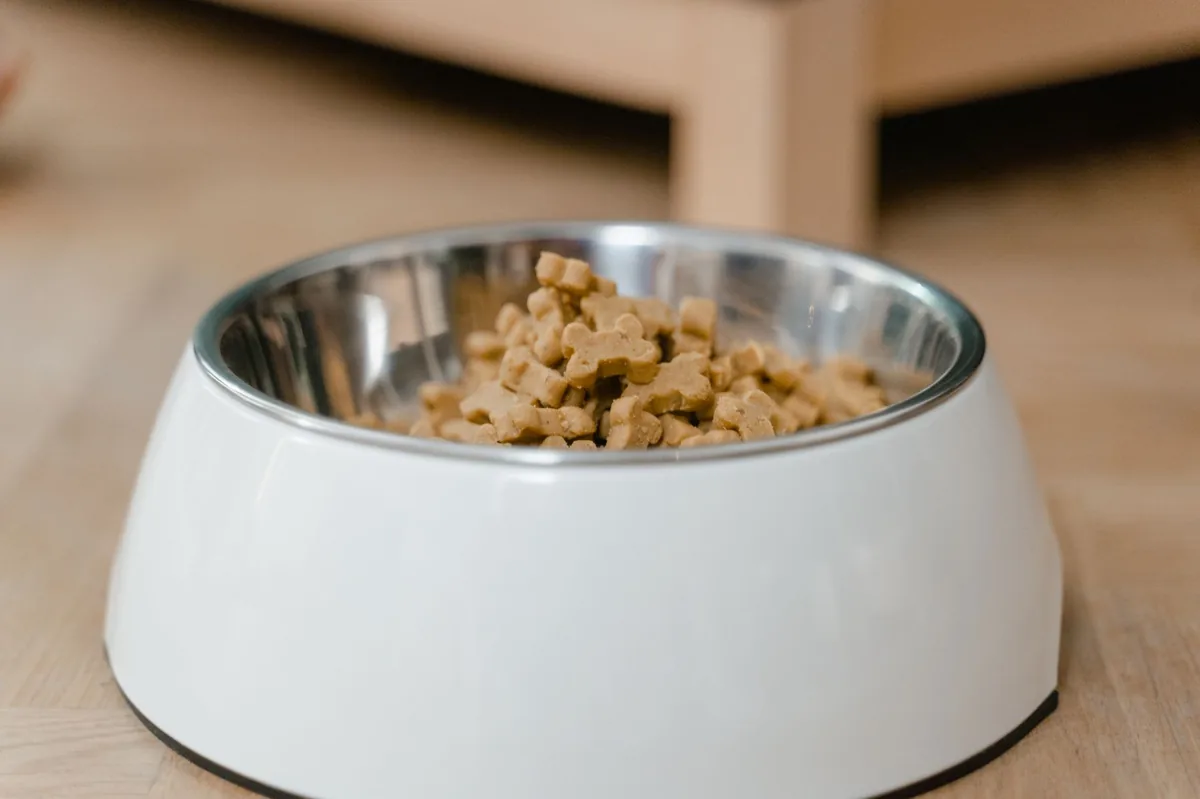
Nutrition is arguably the most influential factor you can control. A renal‑support diet reduces the workload on the kidneys while providing essential nutrients.
Key principles include:
- Lower protein – High‑quality, highly digestible protein (≈18‑22 % of calories) reduces nitrogenous waste but still supplies amino acids for muscle maintenance.
- Reduced phosphorus – Phosphorus restriction slows progression; aim for ≤0.3 % of the diet on a dry‑matter basis.
- Controlled sodium – Helps manage blood pressure and fluid balance.
- Increased omega‑3 fatty acids – EPA/DHA from fish oil can lessen inflammation.
- Added potassium and B‑vitamins – Compensate for losses due to renal dysfunction.
Many commercial renal diets meet these guidelines, such as Hill’s Prescription Diet k/d, Royal Canin Renal Support, or Purina Pro Plan Veterinary Diets Renal. Your vet can recommend a specific brand that suits your dog’s preferences and any concurrent conditions.
When transitioning:
- Start by mixing 25 % new diet with 75 % current food for 2–3 days.
- Gradually increase the new diet to 100 % over a week.
- Monitor appetite, stool quality, and weight; adjust portions if your dog loses or gains too quickly.
Home‑cooked options are possible but must be formulated with a veterinary nutritionist to ensure proper nutrient balance. Avoid feeding raw kidneys or high‑phosphorus foods like dairy, organ meats, and certain fish (e.g., sardines).
Fluid intake is also crucial. Offer fresh water at all times, and consider adding a low‑sodium broth to encourage drinking if your dog is reluctant. In some cases, your vet may prescribe subcutaneous fluid administration at home.
| Food | Do feed | Limit | Avoid |
|---|---|---|---|
| Prescription renal diet | Yes – main meal | – | – |
| Cooked chicken breast (skinless) | Small portions | – | – |
| Low‑sodium broth | As a water enhancer | – | – |
| Dairy (cheese, milk) | – | – | Yes – high phosphorus |
| Organ meats (liver, kidney) | – | – | Yes – high phosphorus & protein |
| Commercial kibble (regular) | Only if low‑phosphorus | Check label | High‑phosphorus brands |
Feeding frequency can stay at twice daily, but smaller, more frequent meals may be easier on a sick kidney. Always discuss portion sizes with your vet, especially if your dog is underweight.
Cost and prognosis
Financial planning helps you stay prepared for the long haul. Rough cost estimates (US $ / UK £) are:
- Initial diagnostics – Blood panel, urinalysis, ultrasound: $200–$500 (≈ £150–£380).
- Medical management – Fluids, medications, routine labs every 3 months: $100–$300 per month (≈ £80–£230).
- Prescription renal diet – $2–$4 per day for a medium dog (≈ £1.5–£3).
- Dialysis – $5,000–$10,000 per treatment series (≈ £3,800–£7,600).
- Kidney transplant – $30,000+ (≈ £23,000+), plus lifelong immunosuppressants.
Prognosis depends on stage at diagnosis. Early CKD (IRIS Stage 1–2) often allows a normal‑ish life expectancy with diligent care. Advanced disease (Stage 3–4) may limit lifespan to months‑to‑a‑few years, but many dogs retain a good quality of life if pain and nausea are managed.
Insurance can offset some costs; check if your policy covers chronic renal disease, dialysis, or specialty diets. Our cost calculator can help you estimate yearly expenses based on your dog’s weight and disease stage.
Prevention and home care
While you can’t change genetics, several everyday habits reduce kidney‑related risk:
- Provide clean, fresh water constantly – Dehydration accelerates renal damage.
- Use tick and flea preventatives year‑round – Leptospirosis and other infections can harm kidneys. The American Veterinary Medical Association (AVMA) recommends broad‑spectrum preventives.
- Avoid exposure to toxins – Keep antifreeze, certain houseplants, and human medications out of reach.
- Feed a balanced diet – For adult dogs, a diet meeting AAFCO nutrient profiles is sufficient; for senior or at‑risk breeds, discuss renal‑support options with your vet.
- Routine wellness exams – Annual blood work can catch rising BUN/creatinine early. Your vet may recommend more frequent checks for breeds predisposed to kidney disease (e.g., Bull Terriers, Shar Pei, Miniature Schnauzers).
At home, monitor your dog’s water intake, weight, and bathroom habits. Keep a simple log – a few lines each week – to share with your vet during check‑ups.
From our vet team: “Kidney disease can feel overwhelming, but early detection and consistent supportive care often give dogs many happy months. Never hesitate to ask about diet tweaks or fluid protocols; those small changes make a big difference.”
Key takeaways
- Kidney failure can be acute (sudden) or chronic (gradual); early signs are increased thirst, urination, and subtle weight loss.
- Blood work, urinalysis, and ultrasound are the core diagnostics your vet will use to stage the disease.
- Prescription renal diets lower protein and phosphorus while providing essential nutrients; transition slowly and keep water fresh.
- Medical management (fluids, antihypertensives, phosphate binders) plus omega‑3 supplements can slow progression and improve comfort.
- Costs vary widely—from routine labs to expensive dialysis—so discuss budgeting and insurance early.
- Preventive steps include proper hydration, toxin avoidance, regular wellness exams, and tick/flea control.
Myth vs. fact
Myth: “All dogs with kidney disease will die quickly.” Fact: Early‑stage CKD can be managed for years with diet, medication, and regular monitoring.
Myth: “A low‑protein diet will starve my dog.” Fact: Renal diets use high‑quality, digestible protein to meet nutritional needs while reducing waste products.
Myth: “Dialysis is only for cats.” Fact: Dogs can receive both hemodialysis and peritoneal dialysis, though availability and cost may limit use.
Frequently asked questions
What symptoms indicate kidney failure in dogs?
Early signs include excessive drinking and urination, loss of appetite, and mild weight loss. As disease advances, expect vomiting, bad breath, pale gums, and lethargy.
How is kidney failure diagnosed in a dog?
Veterinarians rely on blood chemistry (elevated BUN/creatinine), urinalysis (low specific gravity, protein), imaging (ultrasound), and blood pressure checks to confirm and stage the condition.
Can kidney failure in dogs be cured?
Acute kidney injury can sometimes recover fully with aggressive treatment. Chronic kidney disease is irreversible, but progression can be slowed dramatically with diet, medication, and supportive care.
What foods should I feed a dog with kidney disease?
Prescription renal diets are formulated with reduced protein and phosphorus. If you prefer home‑cooked meals, work with a veterinary nutritionist to create a low‑phosphorus, high‑quality protein regimen.
How much does treatment for canine kidney failure cost?
Initial diagnostics range $200–$500. Ongoing medical management is $100–$300 per month. Dialysis series can exceed $5,000, while a transplant may surpass $30,000. Insurance and payment plans can help manage expenses.
Which dog breeds are most at risk for kidney failure?
Breed predispositions include Bull Terriers (polycystic kidney disease), Shar Pei (glomerulopathies), Miniature Schnauzers (renal amyloidosis), and older Labrador Retrievers, which often develop age‑related CKD.
Ask the PuppaDogs community
Have a question this article didn’t fully answer? Want to compare notes with other dog owners who’ve been through this? Our community forum is moderated by experienced owners and vets — and answers tend to come fast. Ask in the PuppaDogs community →
References
- American College of Veterinary Internal Medicine (ACVIM) – “Kidney Disease in Dogs: IRIS Staging Guidelines,” 2023.
- American Animal Hospital Association (AAHA) – “Guidelines for Chronic Kidney Disease Management,” 2022.
- Merck Veterinary Manual – “Renal Failure” entry, updated 2023.
- World Small Animal Veterinary Association (WSAVA) – “Nutrition for Dogs with Renal Disease,” 2021.
- American Veterinary Medical Association (AVMA) – “Tick‑borne Disease Prevention,” 2022.
- Veterinary Partner – “Understanding SDMA,” 2023.
- University of California, Davis Veterinary Medicine – “Canine Leptospirosis Overview,” 2022.
- AAFP – “Phosphate Binders in Veterinary Medicine,” 2021.
- Royal Canin – “Renal Support Diet Technical Information Sheet,” 2023.
- Hill’s Pet Nutrition – “Prescription Diet k/d Clinical Data,” 2022.


