
















Quick take: Kidney cancer in dogs is a rare but serious tumor that often causes vague signs like weight loss, increased thirst, or blood in the urine. Early detection, proper staging, and a combination of surgery and/or chemotherapy give many dogs a chance at a good quality of life. Your vet will guide you through diagnostics, treatment options, and cost considerations.
It’s 9 p.m., the house is quiet, and your 11‑year‑old mixed‑breed Labrador nudges you for a belly rub. As you lean down, you notice his gums look a little paler than usual and he’s drinking water more often than normal. Your mind jumps to the “Google‑it” habit, but the anxiety in your chest is real—you’re scared something could be seriously wrong.
Many owners describe that moment: a beloved senior dog suddenly seems less energetic, begins urinating more frequently, or shows a faint blood‑tinged spot in the backyard. The worry is natural, and the good news is that with prompt veterinary care you can get clear answers and a tailored plan.
In this article we’ll explain what kidney cancer in dogs is, how it differs from other kidney problems, the signs to watch for, how vets diagnose and stage the disease, treatment pathways, cost expectations, nutritional support, and ways to reduce risk. By the end you’ll know exactly what steps to take tonight and how to navigate the journey ahead.
What is kidney cancer in dogs?
Kidney cancer, also called renal neoplasia, refers to abnormal, uncontrolled growth of cells within the kidney. The most common type in dogs is renal cell carcinoma (RCC), an aggressive tumor that arises from the kidney’s tubules. Less frequently, dogs develop transitional cell carcinoma (TCC) in the ureter or pelvis, and rare sarcomas or lymphoma can also affect the kidney.
Overall, kidney cancer accounts for roughly 1–2 % of all canine cancers, according to the American College of Veterinary Internal Medicine (ACVIM). While it’s uncommon, the disease tends to appear in middle‑aged to senior dogs, with a median age of diagnosis around 9–11 years.
What causes kidney cancer in dogs?
Exactly why a dog develops kidney cancer isn’t fully understood, but several risk factors have been identified:
- Age and genetics: Older dogs and certain breeds—such as German Shepherds, Boxers, and Bernese Mountain Dogs—show a higher incidence.
- Environmental exposures: Long‑term exposure to chemicals like pesticides, herbicides, or tobacco smoke may increase risk, mirroring findings in human studies (AAHA 2022).
- Chronic kidney disease (CKD): Dogs with longstanding CKD sometimes develop tumors, though the relationship is still under investigation.
- Gender: Some studies suggest males are slightly more prone than females, possibly due to hormonal influences.
Because many of these factors are not easily modifiable, regular veterinary check‑ups remain the best preventive strategy.
Signs and symptoms
Kidney cancer often masquerades as routine age‑related changes, which can delay detection. Early signs are usually subtle, while later signs become more pronounced.
| Stage | Typical signs |
|---|---|
| Mild | Increased thirst and urination, slight weight loss, occasional blood‑tinged urine (hematuria) |
| Moderate | Noticeable appetite decrease, abdominal discomfort, visible pallor of gums, frequent vomiting |
| Severe | Severe anemia, large abdominal mass, difficulty breathing, lethargy, collapse |
Other red‑flag symptoms include:
- Persistent blood in the urine or a foul odor
- Sudden loss of coordination or hind‑limb weakness
- Unexplained weight loss despite a normal appetite
- Abdominal swelling that feels firm or tender

When to call your vet
Call your vet today if you notice any of the following:
- Increased thirst or urination lasting more than a few days
- Blood‑tinged urine or a change in urine color
- Unexplained weight loss or reduced appetite
- Abdominal pain when you gently press the belly
Go to an emergency veterinary hospital right now if your dog shows any of these urgent signs:
- Sudden collapse or inability to stand
- Severe vomiting or diarrhea with blood
- Extreme weakness, pale gums, or rapid breathing
- Visible large abdominal mass that’s growing quickly
These guidelines are for information only and do not replace a hands‑on veterinary examination.
How vets diagnose kidney cancer
Diagnosing kidney cancer involves a systematic workup:
- History and physical exam: Your vet will ask about changes in drinking, urination, appetite, and behavior, then palpate the abdomen for masses.
- Bloodwork: A complete blood count (CBC) and chemistry panel can reveal anemia, elevated kidney values (creatinine, BUN), or electrolyte imbalances.
- Urinalysis: Detects blood, protein, or abnormal cells that hint at a tumor.
- Imaging: Abdominal ultrasound is the first‑line tool to visualize the kidney, assess size, and guide fine‑needle aspiration (FNA). A thoracic radiograph (chest X‑ray) or CT scan checks for lung metastasis.
- Biopsy or cytology: An FNA or core needle biopsy provides definitive cancer confirmation and helps differentiate RCC from other kidney diseases.
Staging follows the World Health Organization (WHO) system, which considers tumor size (T), lymph node involvement (N), and distant spread (M). Accurate staging guides treatment choice and informs prognosis.
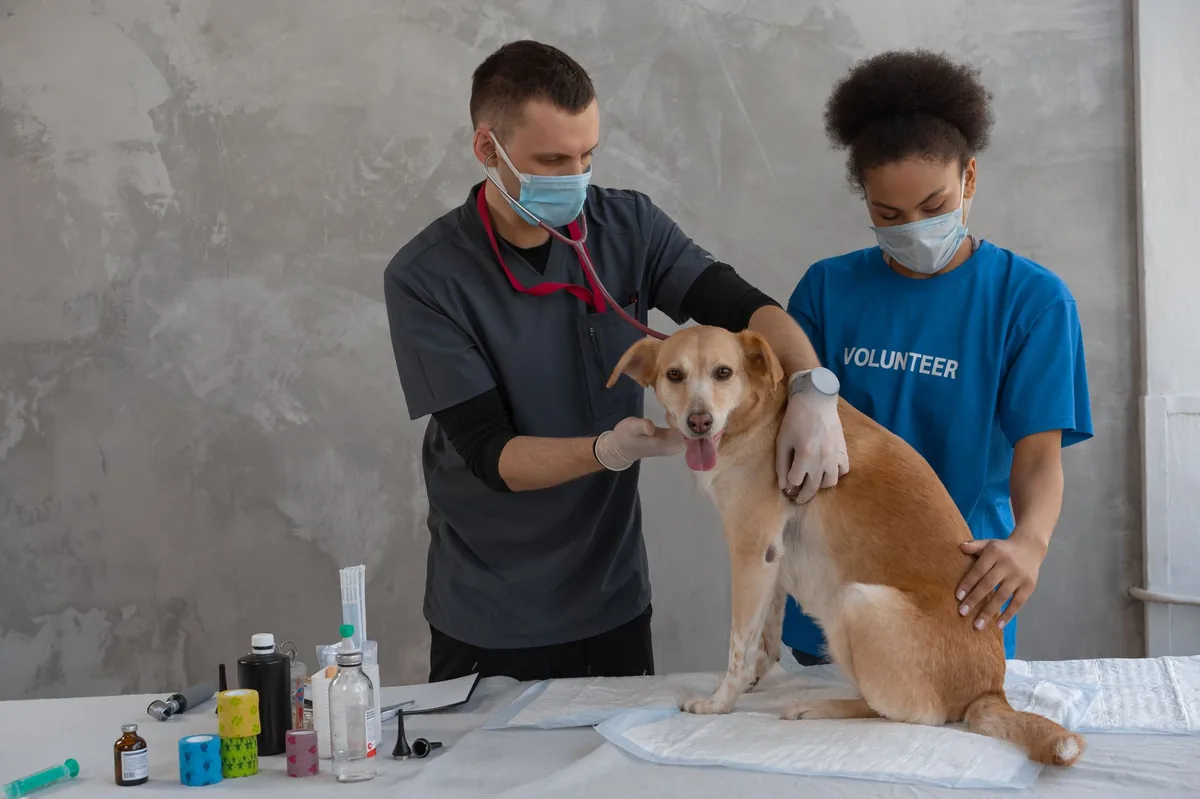
Treatment options
Medical treatment
Once a tumor is confirmed, the primary goal is to remove or control it. Options include:
- Surgery (nephrectomy): Removing the affected kidney is the standard curative approach when the tumor is confined (stage I–II). Laparoscopic or open techniques are chosen based on tumor size.
- Chemotherapy: Drugs such as carboplatin or doxorubicin are commonly used after surgery or when the cancer has spread. Your vet may also discuss newer protocols like gemcitabine. Ask your vet about this option.
- Targeted therapy: Tyrosine‑kinase inhibitors (e.g., toceranib phosphate) have shown benefit in some RCC cases. These are usually considered when traditional chemotherapy is not effective.
Supplements and supportive care
While supplements can’t cure cancer, they may improve comfort and support organ function:
- Omega‑3 fatty acids (EPA/DHA): Anti‑inflammatory properties can help reduce tumor‑related inflammation; many owners use fish‑oil capsules after discussing with their vet.
- Probiotics: Maintaining gut health can aid nutrient absorption, especially if the dog is on chemotherapy.
- Antioxidants (e.g., vitamin E, selenium): Some studies suggest modest support for overall health, but they should be used under veterinary guidance.
Procedures or surgery
When surgery is feasible, a unilateral nephrectomy typically requires a 5–7 day hospital stay. Recovery includes pain management, limited activity for 2–3 weeks, and close monitoring of kidney function. Complications such as bleeding or infection occur in about 10‑15 % of cases. Estimated cost for a full surgical suite (pre‑op labs, anesthesia, postoperative care) ranges from $4,000 to $7,500 USD, depending on location and hospital tier.
Diet and nutrition
Nutrition plays a critical role in supporting a dog with kidney cancer, especially when the remaining kidney is working harder.
- High‑quality, highly digestible protein: Lean sources like boiled chicken or turkey keep muscle mass without overloading the kidney.
- Reduced phosphorus and sodium: Lowering these minerals eases the workload on the healthy kidney. Many therapeutic renal diets meet these criteria.
- Omega‑3 enrichment: Adding fish oil can help control inflammation associated with the tumor.
- Hydration: Encourage fresh water at all times; consider a water fountain to entice drinking.
Foods and ingredients to limit or avoid include:
| Do feed | Limit | Avoid |
|---|---|---|
| Cooked lean meats (chicken, turkey), low‑fat cottage cheese, pumpkin puree | Bone broth, small amounts of cheese, occasional treats | High‑phosphorus foods (organ meats, dairy), salty snacks, raw bones |
If you transition to a prescription renal diet, do so gradually over 7–10 days: mix increasing amounts of the new food with decreasing amounts of the old food. This helps prevent gastrointestinal upset.
Many owners wonder whether a “cancer‑specific” diet exists. While no single commercial diet is marketed solely for kidney cancer, the renal therapeutic diet category (e.g., Hill’s Prescription k/d, Royal Canin Renal Support) aligns well with the nutritional goals described above. Discuss options with your vet to choose a formulation that matches your dog’s taste preferences and any concurrent health issues.

Cost and prognosis
Financial considerations are a real part of cancer care. Below are typical cost ranges (average estimates, may vary by region):
| Component | US (USD) | UK (GBP) |
|---|---|---|
| Diagnostic workup (bloodwork, imaging, biopsy) | $1,200–$2,500 | £800–£1,600 |
| Surgical nephrectomy (incl. anesthesia, hospital stay) | $4,000–$7,500 | £3,000–£5,500 |
| Chemotherapy protocol (3‑6 cycles) | $2,500–$5,000 | £1,800–£3,500 |
| Radiation therapy (if indicated) | $6,000–$10,000 | £4,500–£8,000 |
| Palliative care (pain meds, supplements) | $500–$1,200 | £300–£900 |
Many pet insurance plans cover a portion of diagnostics and surgery, but chemotherapy and radiation are often limited. Review your policy’s exclusions and discuss pre‑authorization with your insurer before treatment begins.
Prognosis depends heavily on stage at diagnosis. Dogs with localized (stage I‑II) RCC that undergo successful surgery have median survival times of 12–24 months, with some living beyond three years. Metastatic disease (stage III‑IV) shortens median survival to 3–6 months, though newer targeted therapies can extend life in select cases.
Prevention and home care
Because kidney cancer isn’t fully preventable, focus on supportive habits that keep the kidneys healthy:
- Provide fresh water at all times; consider a fountain to encourage regular drinking.
- Feed a balanced diet low in phosphorus and sodium, especially for breeds predisposed to kidney issues.
- Avoid exposure to tobacco smoke, pesticides, and other environmental toxins.
- Schedule annual wellness exams after age 7; early bloodwork can flag subtle kidney changes.
- Maintain a healthy weight—obesity stresses the kidneys and may increase cancer risk.
If your dog has already been treated, regular follow‑up bloodwork every 3–4 weeks during chemotherapy, then every 3 months after remission, helps catch recurrence early. Keep an eye on appetite, energy, and urination patterns, and report any changes promptly.
From our vet team: “Kidney cancer can feel overwhelming, but remember that early detection and a multimodal approach often give your dog a comfortable, active life. Ask about staging, discuss realistic goals, and never hesitate to request clarification on any cost or treatment option. We’re here to help you navigate each step with confidence.”
Key takeaways
- Kidney cancer is rare but serious; early signs include increased thirst, blood in urine, and subtle weight loss.
- Diagnostic workup typically involves blood tests, urinalysis, ultrasound, and a biopsy to confirm the tumor.
- Surgery is the primary curative option for localized tumors; chemotherapy or targeted therapy may follow.
- Feeding a high‑quality, low‑phosphorus renal diet and supplementing with omega‑3s supports the remaining kidney.
- Average treatment costs range from $4,000 to $7,500 for surgery alone, with additional expenses for chemotherapy or radiation.
- Regular follow‑up exams and hydration are key to monitoring for recurrence and maintaining quality of life.
Myth vs. fact
Myth: Kidney cancer always spreads quickly and is untreatable.
Fact: When caught early and confined to one kidney, surgery can provide months to years of good life expectancy.
Myth: All kidney disease in dogs is cancer.
Fact: Kidney disease can be caused by infection, stones, or chronic injury; only a biopsy can definitively diagnose cancer.
Myth: A special “cancer diet” will cure the tumor.
Fact: Nutrition supports overall health but does not replace surgery or chemotherapy; diet should complement, not replace, medical treatment.
Frequently asked questions
What is the average cost of kidney cancer treatment for dogs?
The total cost typically falls between $8,000 and $15,000 USD, depending on diagnostics, surgery, chemotherapy, and any radiation therapy. Insurance may cover part of the expense, but out‑of‑pocket costs can still be substantial.
Can kidney cancer be cured?
Complete cure is rare, but dogs with localized tumors that undergo successful nephrectomy can achieve long‑term remission and live several years disease‑free. Metastatic disease is more challenging, and treatment aims to extend life and maintain comfort.
How does kidney cancer differ from chronic kidney disease?
Kidney cancer is a malignant tumor that grows uncontrolled, whereas chronic kidney disease is a progressive loss of kidney function due to damage or aging. Bloodwork and imaging can suggest each, but a biopsy is required to confirm cancer.
What dietary changes should I make for a dog with kidney cancer?
Offer a renal‑support diet low in phosphorus and sodium, with high‑quality, easily digestible protein. Add omega‑3 fish oil if approved by your vet, and ensure constant access to fresh water. Avoid high‑phosphorus foods like organ meats and dairy.
Are there any alternative therapies that help?
Acupuncture, low‑dose laser therapy, and herbal supplements are sometimes used as adjuncts for pain and appetite stimulation. Always discuss these options with your vet, as they should complement—not replace—standard medical care.
How long can a dog live after a kidney cancer diagnosis?
Survival varies by stage: dogs with stage I‑II disease often live 12–24 months post‑surgery, while stage III‑IV dogs may have a median survival of 3–6 months. Individual outcomes depend on overall health, treatment response, and care quality.
Ask the PuppaDogs community
Have a question this article didn’t fully answer? Want to compare notes with other dog owners who’ve been through this? Our community forum is moderated by experienced owners and vets — and answers tend to come fast. Ask in the PuppaDogs community →
References
- American College of Veterinary Internal Medicine (ACVIM). “Renal Tumors in Dogs.” 2023.
- American Animal Hospital Association (AAHA). “Guidelines for Diagnosis and Management of Canine Renal Disease.” 2022.
- Merck Veterinary Manual. “Renal Cell Carcinoma” entry, 2024 edition.
- World Small Animal Veterinary Association (WSAVA). “Cancer in Companion Animals.” 2023.
- Veterinary Oncology Society. “Chemotherapy Protocols for Canine Renal Cell Carcinoma.” 2022.
- American Veterinary Medical Association (AVMA). “Pet Insurance and Cancer Treatment.” 2023.
- Cornell University College of Veterinary Medicine. “Renal Diet Recommendations.” 2024.
- UC Davis Veterinary Medicine. “Environmental Risk Factors for Canine Cancer.” 2022.
- International Renal Support Diet Consensus (IRSDC). “Nutritional Management of Dogs with Renal Disease.” 2023.
- AKC Breed Information. “Health Concerns for German Shepherds, Boxers, and Bernese Mountain Dogs.” 2024.


