















Quick take: Irritable Bowel Syndrome in dogs (IBS) is a functional gastrointestinal disorder that causes chronic diarrhea, gas, and abdominal discomfort without an obvious structural problem. It’s usually manageable with diet changes, fiber, probiotics, and, when needed, medication, but flare‑ups can be stressful and may require veterinary attention.
It’s 11 p.m., the house is quiet, and your 8‑year‑old mixed‑breed Labrador, Milo, has been pacing the kitchen for the last hour, whining each time you try to coax him to eat. His stool looks looser than usual, and you notice a faint, sour smell lingering in the air. You’ve Googled “dog diarrhea” and the top result mentions “irritable bowel syndrome.” Your heart races—could Milo have a serious disease?
We understand that moment: the worry, the midnight Googling, the endless “what‑now?” questions. Irritable Bowel Syndrome in dogs (IBS) is a common, yet often misunderstood, condition that affects many dogs, especially seniors. This article walks you through what IBS is, how it differs from inflammatory bowel disease (IBD), the signs to watch for, how vets diagnose it, treatment options, diet strategies, costs, and ways to keep flare‑ups at bay.
By the end you’ll know when to call the vet, what you can do at home, and how to set realistic expectations for Milo’s recovery. Let’s get started.
What is irritable bowel syndrome in dogs?
IBS is a functional gastrointestinal disorder, meaning the gut works abnormally without a clear structural cause like tumors or severe inflammation. In dogs, IBS manifests as chronic or recurring diarrhea, abdominal pain, gas, and changes in stool consistency, often triggered by stress or dietary indiscretion.
Unlike inflammatory bowel disease (IBD), which shows visible inflammation on biopsy, IBS typically has normal or only mildly altered intestinal tissue. It’s considered a diagnosis of exclusion—vets rule out infections, parasites, allergies, and IBD before labeling a dog with IBS.
What causes it?
IBS arises from a combination of gut motility issues, altered gut microbiota, and heightened visceral sensitivity. Stress, sudden diet changes, and certain food intolerances can tip the balance.
- Stress and anxiety: Loud noises, travel, or changes in routine can trigger gut spasms.
- Dietary factors: High‑fat meals, low‑fiber diets, or sudden ingredient switches may irritate the intestine.
- Microbial imbalance: Overgrowth of certain bacteria or loss of beneficial microbes can disrupt normal digestion.
- Underlying food intolerance: Some dogs react to specific proteins or carbohydrates, leading to chronic GI upset.
Signs and symptoms
Owners usually notice a pattern of intermittent GI upset rather than an acute illness. Early signs are subtle; severe cases can mimic more serious disease.
| Severity | Typical signs |
|---|---|
| Mild | Loose stools once a day, occasional gas, mild tummy discomfort. |
| Moderate | Frequent diarrhea (2‑3 times/day), noticeable abdominal bloating, reduced appetite. |
| Severe | Watery diarrhea, vomiting, weight loss, lethargy, pain on palpation. |
Because IBS shares symptoms with IBD, parasites, and infections, paying attention to patterns—especially if stress or diet changes precede episodes—helps narrow the possibilities.
When to call your vet
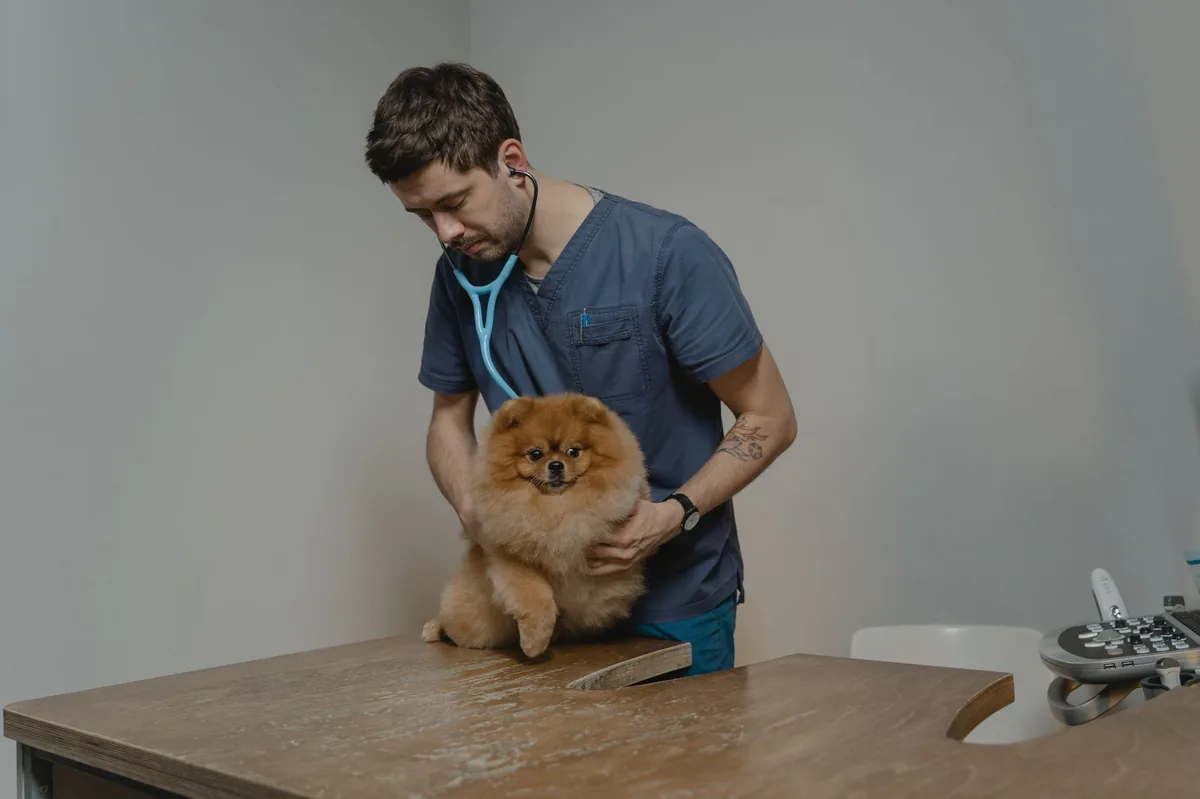
Call your vet today if your dog shows any of the following:
- Diarrhea lasting more than 48 hours.
- Repeated episodes (more than 3 in a month) despite diet changes.
- Visible blood or mucus in the stool.
- Loss of appetite lasting over 24 hours.
- Weight loss or signs of dehydration.
Go to an emergency clinic right now if you see:
- Severe vomiting combined with diarrhea.
- Signs of pain (whining, pacing, guarding the abdomen).
- Rapid breathing or collapse.
- Extreme lethargy or inability to stand.
These red‑flag signs may indicate a more serious condition such as intestinal blockage, severe infection, or advanced IBD. This article is for informational purposes only and does not replace a hands‑on veterinary exam.
How vets diagnose it
Diagnosing IBS is a step‑wise process that rules out other causes of chronic gastrointestinal upset.
First, the vet takes a thorough history—diet, stressors, medication, and symptom timeline. A physical exam checks for abdominal tenderness, dehydration, and body condition.
Typical diagnostics include:
- Fecal analysis: Checks for parasites, bacterial overgrowth, or abnormal parasites.
- Blood work (CBC and chemistry): Looks for inflammation, organ dysfunction, or anemia.
- Imaging: Abdominal ultrasound or X‑rays rule out masses, foreign bodies, or severe thickening.
- Elimination diet trial: A 6‑ to 8‑week low‑fat, novel‑protein diet to see if symptoms improve.
- Endoscopy with biopsy (if needed): Obtains tissue samples to confirm the absence of true inflammatory disease.
If all tests return normal or only mild changes, and the diet trial shows improvement, the vet may label the condition as IBS.
Treatment options
IBS management combines dietary therapy, gut‑supporting supplements, and, when necessary, prescription medication.
Medical treatment
Most dogs respond well to a multi‑modal approach. Common drug classes include:
- Antispasmodics (e.g., mebeverine): Reduce intestinal cramping.
- Prokinetics (e.g., metoclopramide): Help move food through the gut.
- Antidiarrheals (e.g., loperamide): Used short‑term for severe diarrhea.
- Prescription antibiotics (e.g., tylosin): May modulate gut bacteria in select cases.
Any medication should be prescribed by your vet, who will tailor the dose to your dog’s weight and severity. Ask your vet about these options if diet alone isn’t enough.
Supplements and supportive care
Evidence‑based adjuncts can calm the gut:
- Fiber supplements: Psyllium husk or canned pumpkin (plain) add bulk and help regulate stool.
- Probiotics: Strains such as Lactobacillus acidophilus and Bifidobacterium animalis improve microbial balance; look for products with ≥10⁹ CFU per dose.
- Omega‑3 fatty acids: EPA/DHA from fish oil reduce inflammation and support overall gut health.
These are safe for most dogs, but discuss any new supplement with your vet, especially if your pet is on other medications.
Procedures or surgery
Procedures are rarely needed for IBS because it’s a functional disorder. In rare cases where an underlying obstruction or severe motility disorder is discovered, minimally invasive surgery (laparoscopy) may be performed. Recovery is typically 1‑2 weeks, and costs vary widely—often $1,500‑$4,000 in the U.S. and £1,200‑£3,500 in the UK.
Diet and nutrition
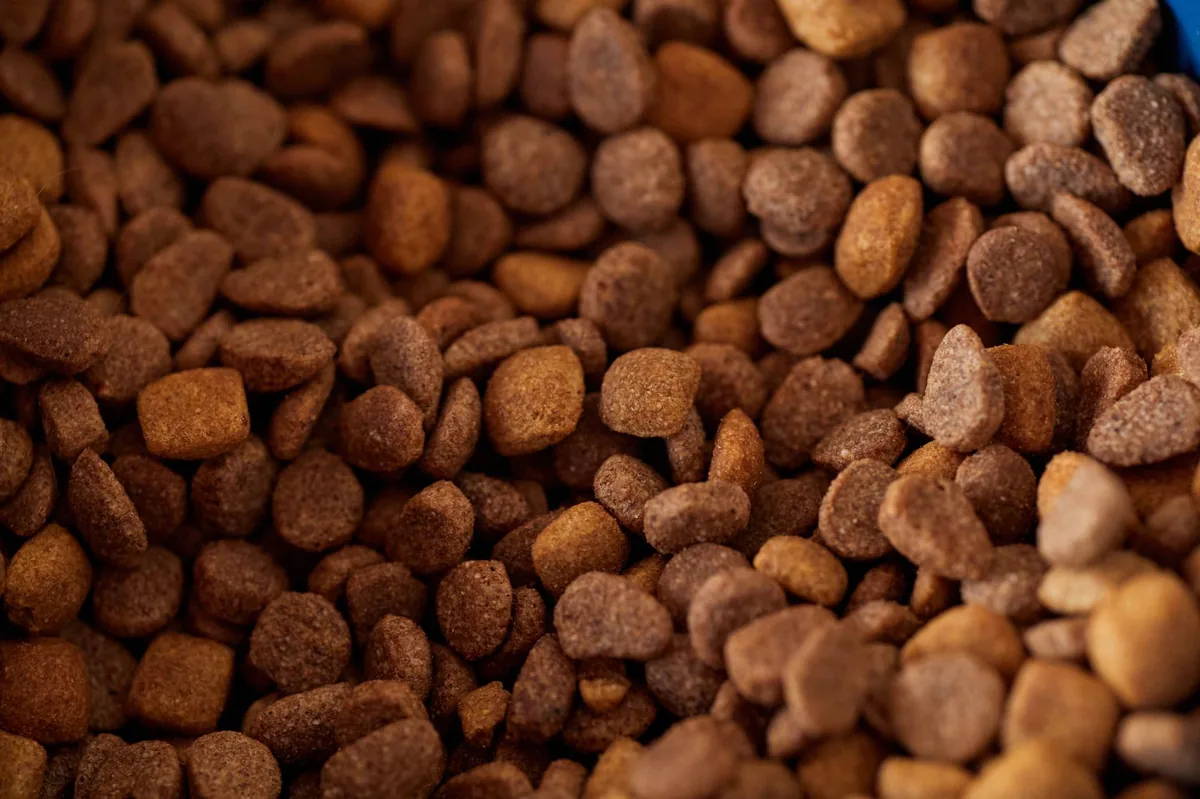
Diet is the cornerstone of IBS control. The goal is to provide easily digestible, low‑fat, moderate‑fiber meals that minimize gut irritation while supporting a healthy microbiome.
Foods to favor:
- Cooked white rice or sweet potato as a carbohydrate base.
- Lean proteins such as boiled chicken breast, turkey, or white fish.
- Low‑fat commercial kibble formulated for sensitive stomachs (often labeled “limited ingredient” or “low fat”).
- Fiber sources like canned pumpkin (plain) or psyllium husk (1 tsp per 10 lb of body weight, mixed into meals).
Foods to limit or avoid:
- High‑fat treats, table scraps, and fried foods.
- Rich dairy products (milk, cheese) that can exacerbate lactose intolerance.
- Spicy or heavily seasoned foods.
- Raw diets high in fat unless carefully balanced by a veterinary nutritionist.
Many owners find success with a novel‑protein, low‑fat prescription diet (e.g., hydrolyzed salmon or duck). These are formulated to reduce antigenic load and are usually recommended for a trial period of 4‑6 weeks.
| Category | Do feed | Limit | Avoid |
|---|---|---|---|
| Protein | Boiled chicken, turkey, white fish | Ground beef, pork | Fatty cuts, processed meats |
| Carbohydrate | White rice, sweet potato | Whole grains | High‑fiber legumes (if they cause gas) |
| Fiber | Pumpkin, psyllium husk | Excessive bran | None |
| Fats | Small amounts of fish oil | Oil‑rich treats | Butter, fatty sauces |
Transition to a new diet gradually—mix 25 % new food with 75 % old food for 2‑3 days, then 50/50, and so on. This helps prevent sudden gut upset.
For owners interested in homemade meals, work with a veterinary nutritionist to ensure the recipe meets AAFCO nutrient standards and contains the right balance of protein, fat, and fiber. The our experts page can help you locate a qualified nutritionist.
Cost and prognosis
IBS is generally a manageable condition with a good quality‑of‑life outlook when dietary and medical plans are followed.
Typical costs (U.S.) include:
- Initial vet exam: $50‑$100.
- Fecal analysis and blood panel: $150‑$250.
- Abdominal ultrasound (if needed): $300‑$600.
- Elimination diet trial (prescription kibble): $30‑$70 per month.
- Medications (e.g., antispasmodics, probiotics): $20‑$80 per month.
In the UK, similar services range from £40‑£90 for the exam, £100‑£200 for diagnostics, and £25‑£60 per month for therapeutic food.
With consistent management, most dogs experience fewer than two flare‑ups per year and maintain a normal activity level. Severe, untreated cases can lead to chronic malnutrition or secondary infections, but the overall prognosis is favorable.
Prevention and home care
While you can’t eliminate IBS entirely, you can reduce flare‑ups through routine care:
- Consistent feeding schedule: Offer meals at the same times each day to stabilize gut motility.
- Stress reduction: Provide a quiet space, use calming pheromone diffusers, and keep daily routines predictable.
- Regular monitoring: Keep a brief diary of stool consistency, diet changes, and stress events to spot patterns early.
- Routine vet check‑ups: Annual exams help adjust diet and catch secondary issues before they become serious.
For senior dogs, adding a gentle probiotic and a low‑fat fiber supplement to the daily routine can keep the gut environment stable.
From our vet team: “IBS is a chronic condition, but it’s not a death sentence. Most owners see a dramatic improvement once they stick to a low‑fat, fiber‑rich diet and use the right probiotic. The key is consistency—small, steady changes beat big, occasional overhauls.”
Key takeaways
- IBS is a functional gut disorder without structural disease; it’s diagnosed by ruling out other causes.
- Typical signs include chronic loose stools, gas, and mild abdominal discomfort that worsen after stress or diet changes.
- Start with a low‑fat, easily digestible diet and add fiber or probiotic supplements; medications are used if diet alone isn’t enough.
- Call your vet if diarrhea lasts more than 48 hours, blood appears in stool, or your dog shows pain or lethargy.
- Long‑term management costs are modest—mostly food and occasional meds—while prognosis is good with consistent care.
Myth vs. fact
Myth: IBS is the same as IBD and requires the same aggressive treatment.
Fact: IBS lacks the intestinal inflammation seen in IBD; it is usually managed with diet, fiber, and mild medications rather than heavy immunosuppressants.
Myth: A dog with IBS can’t eat any fat.
Fact: Small amounts of healthy fat (e.g., fish oil) are beneficial; the problem is excessive or high‑fat meals that trigger flare‑ups.
Frequently asked questions
What causes irritable bowel syndrome in dogs?
IBS is triggered by a mix of stress, dietary indiscretion, and an imbalance of gut bacteria. Changes in routine, high‑fat foods, or novel protein sensitivities can all set off the condition.
How can I tell if my dog has IBS or just a stomach upset?
If symptoms persist for more than a week, recur regularly, or worsen after stress or diet changes, IBS is more likely. Acute stomach upset usually resolves within 24‑48 hours and doesn’t have a pattern.
What tests does a vet run to diagnose IBS in dogs?
Vets typically perform fecal exams, blood panels, abdominal imaging, and an elimination diet trial. If these are inconclusive, endoscopic biopsies may be taken to rule out IBD.
Is IBS in dogs curable or only manageable?
IBS is considered a chronic, manageable condition. While you can’t “cure” it, many dogs achieve long periods of remission with proper diet, supplements, and occasional medication.
Can I feed my dog homemade food to treat IBS?
Yes, but it should be formulated with a veterinary nutritionist to ensure balanced nutrients and low fat. Homemade diets that are too rich in fat or lack adequate fiber can worsen symptoms.
How much will IBS treatment cost for a medium‑size dog?
Initial diagnostics (exam, fecal test, blood work, imaging) range from $300‑$1,000. Ongoing costs for therapeutic food and supplements average $30‑$100 per month, depending on the brand and any prescription meds.
Ask the PuppaDogs community
Have a question this article didn’t fully answer? Want to compare notes with other dog owners who’ve been through this? Our community forum is moderated by experienced owners and vets — and answers tend to come fast. Ask in the PuppaDogs community →
References
- American College of Veterinary Internal Medicine (ACVIM) – Guidelines on Gastrointestinal Disorders in Dogs, 2022.
- American Veterinary Medical Association (AVMA) – Canine Gastrointestinal Health, 2023.
- Merck Veterinary Manual – “Irritable Bowel Syndrome” entry, 2021.
- AAHA – “Nutrition and Gastrointestinal Disease in Dogs,” 2023.
- World Small Animal Veterinary Association (WSAVA) – Consensus on Functional GI Disorders, 2022.
- Cornell University College of Veterinary Medicine – “Dietary Management of Canine IBS,” 2023.
- UC Davis Veterinary Medicine – “Probiotic Use in Dogs,” 2022.
- American Association of Feed Control Officials (AAFCO) – Nutrient Requirements of Dogs, 2022.


