
















Quick take: Superficial vein inflammation—also called superficial phlebitis—is usually a localized, painful swelling of the veins just under the skin. It often follows trauma, surgery, or infection, and most cases can be managed with anti‑inflammatory medication and supportive care. Call your vet promptly if your dog shows red, warm, painful cords or develops fever, swelling that spreads, or any signs of systemic illness.
It’s 9 p.m., and your 7‑year‑old mixed‑breed companion, Milo, is limping to the kitchen, his left foreleg dragging a little. You notice a thin, reddish line running along his forearm that looks like a tiny river, and when you gently press the area, Milo winces. Your heart races as you wonder: “Is this something I can treat at home, or does he need emergency care?” You’re not alone—many owners first spot superficial vein inflammation after a minor injury or a post‑surgical check‑up.
Superficial vein inflammation, or superficial phlebitis, can feel alarming, but in most dogs it’s a treatable condition that responds well to early veterinary intervention. In this article we’ll explain exactly what it is, why it happens, how to recognize it, when to call a vet, what diagnostics and treatments look like, the likely cost, and how you can help prevent it in the future.
We’ll also dive into diet tips, breed considerations, and practical home‑care steps so you feel confident handling this condition. If you ever feel unsure, remember that your vet is your best ally—our goal is to give you clear, actionable information while you wait for professional care.
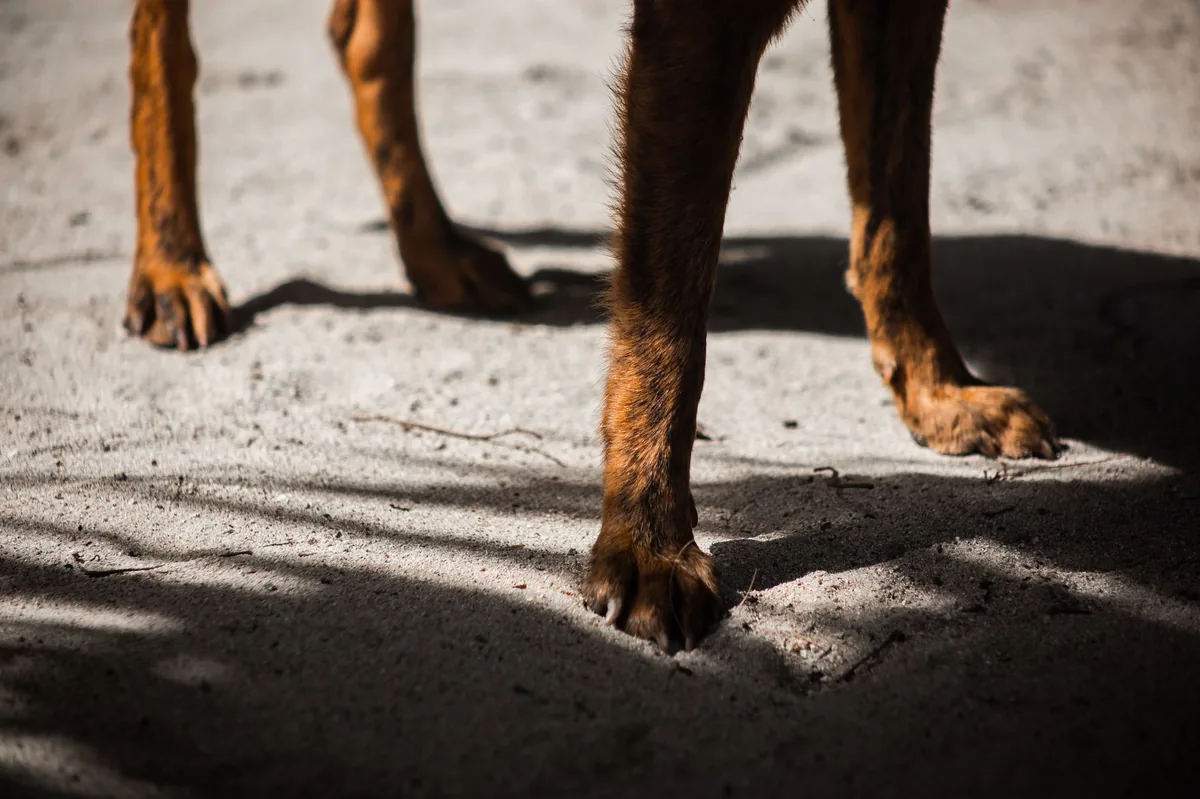
What is inflammation of the superficial veins in dogs?
Inflammation of the superficial veins—commonly called superficial phlebitis—is the swelling and irritation of veins that lie just beneath the skin’s surface. In simple terms, the vein’s wall becomes irritated, leading to redness, warmth, and pain along a “cord” that you can see or feel. Unlike deep vein thrombosis (DVT), which affects larger veins deeper in the body and can block blood flow, superficial phlebitis usually stays limited to the outer vessels.
While exact prevalence numbers are lacking, veterinary surveys suggest that superficial phlebitis accounts for a small but notable fraction of post‑operative or traumatic complaints—roughly 1–3 % of dogs seen for surgical wound complications, according to the American College of Veterinary Surgeons (ACVS). It can affect dogs of any age, but younger, active dogs and those undergoing orthopedic or soft‑tissue procedures are seen more often.
What causes it?
Several factors can trigger inflammation of the superficial veins. The most common categories are:
- Trauma or injury: Scratches, bites, or blunt force that damages the vein wall.
- Surgical or procedural irritation: Sutures, catheters, or drains placed near superficial veins during spays, neuters, or orthopedic surgeries.
- Infection: Bacterial skin infections (pyoderma) that spread to the vein wall.
- Obesity and reduced circulation: Excess weight can increase venous pressure, making veins more prone to inflammation.
- Breed predisposition: Breeds with tight skin folds (e.g., Bulldogs, Pugs) or those prone to skin infections (e.g., Shar‑Pei) may see higher rates, though data are limited.
Underlying systemic conditions such as immune‑mediated disease or clotting disorders can also make veins more reactive, but these are less common.
Signs and symptoms
Owners typically notice a progressive line of redness that feels like a rope under the skin. Early signs may be subtle, while severe cases show more pronounced swelling and systemic signs.
| Severity | Typical signs |
|---|---|
| Mild | Thin, pinkish line; slight tenderness when touched; dog walks normally. |
| Moderate | Bright red, warm cord; obvious pain on palpation; mild limping; possible low‑grade fever. |
| Severe | Swollen, thickened vein; spreading redness; marked lameness; fever > 39.5 °C (103 °F); lethargy or loss of appetite. |
Key red‑flag signs that suggest the inflammation is spreading or becoming systemic include fever, rapid swelling, pus‑like discharge, or a change in gum color (pale or bluish). These indicate that infection or deeper vascular involvement may be developing.
When to call your vet
Call your vet today if you see any of the following:
- Red, warm cord that is painful to the touch.
- Limping or reluctance to use the affected limb.
- Swelling that continues to enlarge over a few hours.
- Fever, loss of appetite, or lethargy.
Go to an emergency veterinary hospital right now if you notice any of these urgent signs:
- Rapidly spreading redness that covers a large area.
- Signs of severe infection: pus, foul odor, or open wound.
- Sudden collapse, difficulty breathing, or blue‑tinged gums.
- Bleeding from the vein or surrounding tissue.
These guidelines are for information only; they do not replace a hands‑on veterinary exam.
How vets diagnose it
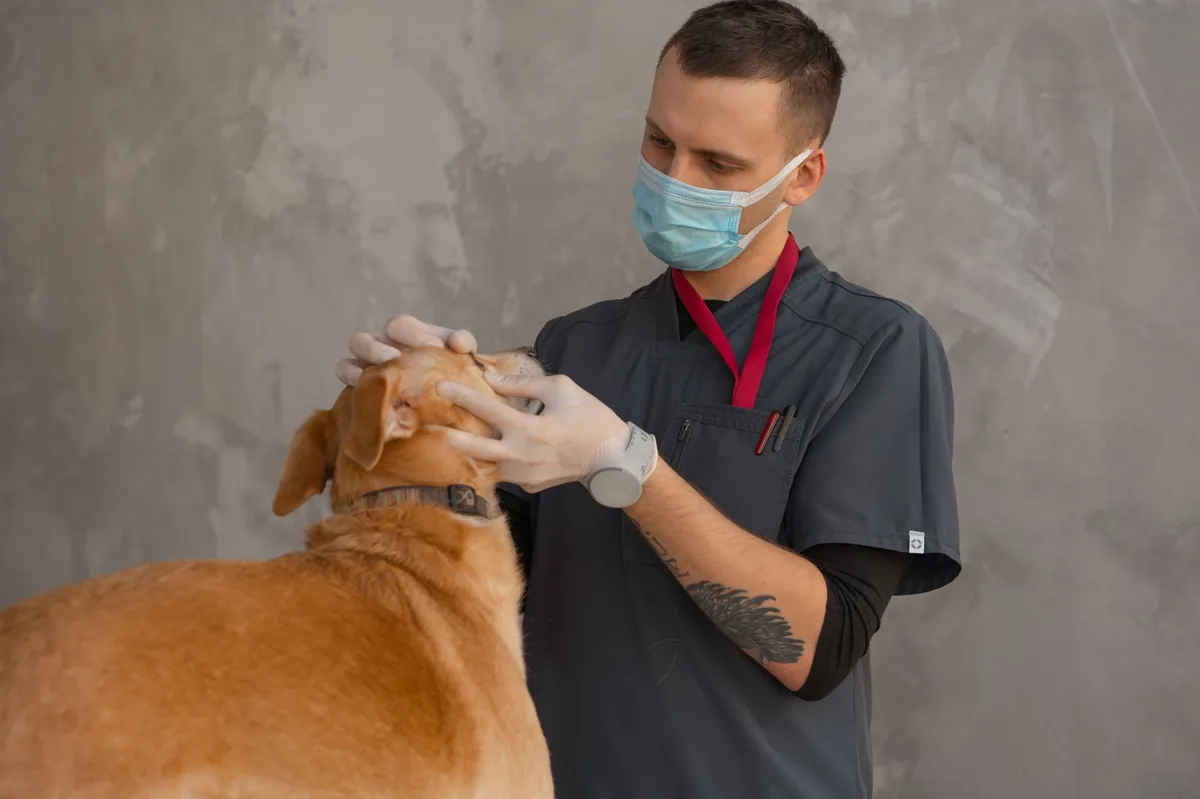
Diagnosis starts with a thorough history and physical exam. Your vet will ask about recent injuries, surgeries, or skin infections and will palpate the affected area to assess warmth, tenderness, and the length of the inflamed vein.
Typical diagnostic tools include:
- Ultrasound: High‑frequency ultrasound can visualize the vein wall, confirm that the inflammation is superficial, and rule out deeper clot formation.
- Blood work: A complete blood count (CBC) and chemistry panel help detect infection (elevated white blood cells) or systemic inflammation (elevated C‑reactive protein).
- Culture and sensitivity: If there’s an open wound or discharge, a sample may be sent to identify bacterial species and guide antibiotic choice.
- Radiographs: Occasionally used if there’s concern for underlying bone injury or to assess postoperative hardware.
These tests let the vet differentiate superficial phlebitis from deeper problems like DVT or cellulitis, ensuring the right treatment plan.
Treatment options
Medical treatment
First‑line therapy typically involves anti‑inflammatory medication to reduce swelling and pain. Common drug classes include:
- Non‑steroidal anti‑inflammatory drugs (NSAIDs): Drugs such as carprofen or meloxicam are frequently prescribed. Ask your vet about the best NSAID for your dog’s size and health status.
- Short‑course corticosteroids: In cases with marked inflammation, a brief taper of prednisone may be used to calm the immune response.
- Antibiotics: If bacterial infection is suspected or confirmed, broad‑spectrum agents like amoxicillin‑clavulanate or cefazolin are common choices.
- Anticoagulants (rare): When there’s a risk of clot extension, low‑dose aspirin or clopidogrel might be considered, always under veterinary supervision.
All medications are dosed based on your dog’s weight and specific condition—your vet will tailor the regimen.
Supplements and supportive care
While supplements cannot replace prescription drugs, they can aid recovery:
- Omega‑3 fatty acids (EPA/DHA): Found in fish‑oil supplements, they have anti‑inflammatory properties and may help reduce vein swelling.
- Probiotics: Maintaining gut health supports the immune system, especially when antibiotics are used.
- Vitamin C: Some vets recommend a modest dose for its antioxidant effect, but it should not exceed the safe upper limit.
Always discuss supplement choices with your vet to avoid interactions with prescribed medications.
Procedures or surgery
Most superficial phlebitis cases resolve with medication and rest. Surgery is rarely needed unless there is an associated abscess, necrotic tissue, or a persistent clot that threatens deeper veins. In such situations, the surgeon may perform a small excision of the inflamed segment and irrigate the area. Recovery from a minor procedure typically involves a 7–10‑day wound care plan and a follow‑up visit.
Diet and nutrition
Nutrition plays a subtle but important role in vascular health and inflammation control. While there is no “phlebitis‑specific” prescription diet, feeding a balanced, anti‑inflammatory diet can support healing and reduce the risk of secondary infection.
| Do feed | Limit | Avoid |
|---|---|---|
| High‑quality protein (chicken, turkey, fish) | Excessive fats (> 15 % of diet) | Highly processed kibble with artificial additives |
| Omega‑3‑rich foods or supplements | Salty treats | Raw bones that could cause trauma to the vein area |
| Digestible carbohydrates (sweet potato, pumpkin) | Excessive calcium supplements | High‑sugar treats |
| Vitamin‑rich vegetables (green beans, carrots) | Frequent table scraps | Seasoned or spicy foods |
Key dietary principles:
- Maintain optimal body condition: Overweight dogs experience higher venous pressure, which can exacerbate vein inflammation. Aim for a body condition score (BCS) of 4–5/9.
- Prioritize highly digestible protein: Protein sources that are easy on the gut free up metabolic resources for tissue repair.
- Hydration matters: Adequate water intake keeps blood viscosity normal, supporting vein health. Fresh water should be available at all times.
- Limit sodium: Excess salt can increase blood pressure and venous strain. Choose low‑sodium commercial foods or homemade meals without added salt.
li>Incorporate omega‑3 fatty acids: EPA and DHA modulate inflammatory pathways. A daily dose of 20–55 mg EPA + DHA per kilogram of body weight is typical, but your vet can fine‑tune the amount.
If your dog is recovering from surgery, your vet may suggest a short‑term “soft” diet—moistened kibble or a boiled chicken‑and‑rice blend—to minimize chewing stress on the affected area. Transition gradually over 3–4 days to avoid gastrointestinal upset.
For dogs with concurrent conditions (e.g., kidney disease), a therapeutic renal diet may be recommended, but it should still meet the anti‑inflammatory criteria listed above. Always discuss any diet change with your veterinarian, especially if you’re considering a home‑cooked regimen.
Cost and prognosis
Financial considerations are part of the decision‑making process. Below are typical cost ranges (average estimates, US & UK) based on 2023‑2024 data from the American Veterinary Medical Association (AVMA) and the Royal College of Veterinary Surgeons (RCVS):
| Item | US (USD) | UK (GBP) |
|---|---|---|
| Initial veterinary exam | $45–$80 | £35–£60 |
| Ultrasound imaging | $150–$300 | £110–£210 |
| Blood work (CBC + chemistry) | $100–$180 | £80–£150 |
| Antibiotic course (7 days) | $30–$70 | £20–£50 |
| NSAID prescription (30 days) | $25–$55 | £18–£40 |
| Minor surgical excision (if needed) | $500–$1,200 | £350–£800 |
Overall, uncomplicated superficial phlebitis typically costs between $350 and $700 in the US, or £250–£500 in the UK, when medications, imaging, and follow‑up visits are included. More complex cases with infection or surgery can rise above $1,200.
Prognosis is generally good. With prompt treatment, most dogs recover fully within 2–3 weeks. Factors that can lengthen recovery include:
- Severe infection or abscess formation.
- Underlying clotting disorders.
- Obesity or chronic skin conditions.
In rare, untreated cases where infection spreads or a deep clot develops, the condition can become life‑threatening. Early veterinary care dramatically improves outcomes.
Prevention and home care
Preventing superficial vein inflammation starts with minimizing trauma and keeping the skin healthy.
- Post‑surgical care: Follow your vet’s wound‑care instructions—keep incisions clean, avoid licking, and use an Elizabethan collar if needed.
- Weight management: Maintain a healthy BCS to reduce venous pressure.
- Skin health: Regularly brush and bathe dogs with skin‑friendly shampoos, especially breeds prone to folds.
- Protect paws and limbs: Use booties or protective wraps during rough play or after injuries.
- Routine veterinary check‑ups: Annual exams can catch early signs of vascular issues, especially in dogs with a history of surgery.
At home, you can monitor the affected area daily. If swelling or redness returns after treatment, contact your vet promptly. Gentle warm compresses (a warm, damp cloth for 5‑10 minutes, 2–3 times a day) can improve circulation, but avoid applying heat directly to an open wound.
From our vet team: Early recognition and targeted anti‑inflammatory therapy are the cornerstones of successful treatment. Even if the vein looks “just a little sore,” a quick call to your vet can prevent a simple inflammation from turning into a deeper infection or clot. We’ve seen dogs bounce back in days when owners act fast.
Key takeaways
- Superficial vein inflammation (phlebitis) is a painful, localized condition that usually responds well to anti‑inflammatory meds and rest.
- Look for a red, warm cord under the skin, especially after trauma, surgery, or skin infection.
- Call your vet today for any painful cord, fever, or swelling; seek emergency care if redness spreads rapidly or the dog shows systemic illness.
- Diagnosis often includes ultrasound and blood work to rule out deeper vascular problems.
- Treatment combines NSAIDs, short‑course steroids, and antibiotics when infection is present; supplements like omega‑3s can support recovery.
- Maintain a balanced, anti‑inflammatory diet, keep your dog at a healthy weight, and follow post‑operative wound care to prevent recurrence.
Myth vs. fact
Myth: Superficial phlebitis always requires surgery.
Fact: Most cases resolve with medication and supportive care; surgery is only needed for complications such as abscesses.
Myth: The condition is the same as deep vein thrombosis.
Fact: Superficial phlebitis affects veins just under the skin and rarely blocks blood flow, whereas DVT involves deeper veins and can be life‑threatening.
Myth: You can treat it at home with over‑the‑counter painkillers.
Fact: Human NSAIDs can be toxic to dogs; only veterinary‑approved medications are safe.
Frequently asked questions
What causes inflammation of the superficial veins in dogs?
Superficial vein inflammation is usually triggered by trauma, surgical irritation, bacterial skin infection, obesity‑related pressure, or, less commonly, immune‑mediated disease.
What symptoms should I look for if my dog has superficial vein inflammation?
Watch for a red, warm, tender cord under the skin, limping, swelling that enlarges over hours, fever, or loss of appetite; these signs signal that you should contact your vet.
Can superficial vein inflammation be fatal for dogs?
In most cases it is not fatal, but if the infection spreads or a clot forms in a deeper vein, the condition can become life‑threatening, making early veterinary care essential.
What are the treatment options for superficial vein inflammation in dogs?
Treatment typically includes NSAIDs or short‑course steroids to reduce inflammation, antibiotics if infection is present, and supportive care such as omega‑3 supplements; surgery is rarely needed.
How much does treatment for superficial vein inflammation usually cost?
Overall costs range from $350–$700 (US) or £250–£500 (UK) for uncomplicated cases, covering exams, imaging, blood work, and medication; more complex cases with surgery can exceed $1,200.
Are certain dog breeds more likely to develop superficial vein inflammation?
Breeds with skin folds (Bulldogs, Pugs) or those prone to skin infections (Shar‑Pei, Labrador Retrievers) may have a slightly higher risk, though the condition can affect any breed.
Ask the PuppaDogs community
Have a question this article didn’t fully answer? Want to compare notes with other dog owners who’ve been through this? Our community forum is moderated by experienced owners and vets — and answers tend to come fast. Ask in the PuppaDogs community →
References
- American College of Veterinary Surgeons (ACVS). “Post‑operative complications in small animals.” 2023.
- American Veterinary Medical Association (AVMA). “Veterinary cost guide.” 2024.
- Merck Veterinary Manual. “Phlebitis in dogs.” Updated 2023.
- American Animal Hospital Association (AAHA). “Guidelines for pain management in dogs.” 2022.
- World Small Animal Veterinary Association (WSAVA). “Skin health and infection prevention.” 2023.
- Royal College of Veterinary Surgeons (RCVS). “Veterinary cost estimates.” 2023.
- Veterinary Clinics of North America: Small Animal Practice. Review on vascular inflammation in dogs. 2022.


