












Quick take: Leg incoordination in dogs, also called ataxia, can stem from anything from a simple ear infection to a serious spinal cord injury. Mild wobble often resolves with supportive care, but sudden falls, dragging of the hind end, or a head tilt demand immediate veterinary attention. Diagnosis involves a focused exam, blood work, and possibly advanced imaging; treatment ranges from medication to surgery and rehabilitation.
It’s 10 p.m., the house is quiet, and your 8‑year‑old mixed‑breed Labrador doesn’t trot to the kitchen like she usually does. Instead, she shuffles forward, her hind legs dragging slightly, and you notice a subtle wobble as she tries to stand. Your heart races, and the Google search bar is already open for “why is my dog stumbling.” You’re not alone—many owners first notice leg wobble late at night, worried about what it could mean.
We understand that a shaky gait can feel scary. The good news is that not every case is life‑threatening, and there are clear steps you can take tonight and tomorrow. In this guide we’ll explain what incoordination of the legs in dogs really is, explore the most common causes, show you how to spot red‑flag signs, walk you through the veterinary work‑up, and lay out treatment, diet, cost, and prevention strategies.
Read on to feel more confident about the next steps, and keep this page handy if you need a quick reference while you’re on the phone with your vet.
What is incoordination of the legs in dogs?
Incoordination of the legs, medically termed ataxia, means a loss of normal coordination and balance. Dogs with ataxia may stagger, drift, or appear “wobbly” when they walk, run, or even stand. Ataxia is a symptom, not a disease itself, and it can arise from three main locations in the nervous system:
- Cerebellar ataxia: The cerebellum, a brain region that fine‑tunes movement, is affected. This often produces a “drunken” gait, wide-based stance, and head tremors.
- Vestibular ataxia: The vestibular apparatus (inner ear and related brain pathways) controls balance. Dogs may tilt their head, have rapid eye movements (nystagmus), and show a sudden, often reversible wobble.
- Spinal (or proprioceptive) ataxia: Damage to the spinal cord or peripheral nerves disrupts the sense of limb position, leading to dragging of the hind end or a “knuckling” gait.
Ataxia can affect the front legs, rear legs, or both, and it occurs in dogs of any age, though certain breeds and ages are predisposed to specific types.
What causes it?
Understanding the root cause helps guide treatment. Below is a concise overview of the most common categories, with representative examples.
| Category | Typical Causes |
|---|---|
| Neurological | Cerebellar tumor, inflammatory disease (e.g., granulomatous meningoencephalitis), congenital cerebellar hypoplasia, vestibular infection (otitis media), spinal cord compression from disc disease or trauma. |
| Orthopedic | Hip dysplasia, cranial cruciate ligament rupture, fractures, severe osteoarthritis causing pain‑related gait changes. |
| Metabolic / Toxic | Hypoglycemia, hepatic encephalopathy, renal uremia, vitamin B‑12 deficiency, exposure to neurotoxins (e.g., lead, certain insecticides). |
| Infectious | Canine distemper, ehrlichiosis, Lyme disease, tick‑borne encephalitis. |
| Age‑related | Degenerative myelopathy, age‑related vestibular disease (“old dog vestibular syndrome”). |
Breeds such as the Jack Russell Terrier, Border Collie, and Miniature Schnauzer have a hereditary predisposition to cerebellar ataxia, while large, deep‑chested breeds like the Great Dane are more prone to spinal compression from intervertebral disc disease.
Signs and symptoms
Ataxia can range from a subtle wobble to a dramatic loss of balance. Recognizing the progression helps you decide when to seek care.
| Severity | Typical Signs |
|---|---|
| Mild | Occasional stumbling, slight head tilt, occasional “knuckling” of a paw, normal appetite. |
| Moderate | Frequent stumbling, wide‑based gait, visible head tremor, difficulty navigating stairs, occasional vomiting. |
| Severe | Can’t stand without support, dragging of one or both hind legs, repeated falls, nystagmus, loss of appetite, seizures. |
Additional clues that point toward a specific type include:
- Head tilt and rapid eye movement → vestibular disease.
- Wide, “drunken” gait with no head tilt → cerebellar involvement.
- Dragging of the hind end with a normal head position → spinal or proprioceptive ataxia.
When to call your vet
Call your vet today if you notice any of the following:
- Persistent wobble lasting more than 24 hours.
- Head tilt, abnormal eye movements, or vomiting.
- Difficulty rising, climbing stairs, or eating.
- Recent trauma (e.g., a fall or car accident) followed by gait changes.
Go to an emergency veterinary hospital right now if your dog:
- Falls repeatedly or cannot stand.
- Shows uncontrolled shaking, seizures, or severe pain.
- Has a sudden, rapid onset of wobble after a head injury.
These guidelines are for information only; they do not replace a hands‑on veterinary exam. If you’re ever unsure, err on the side of caution and call your vet.
How vets diagnose it
The diagnostic process is systematic, aiming to pinpoint the anatomic location and underlying cause.
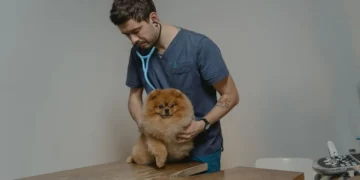
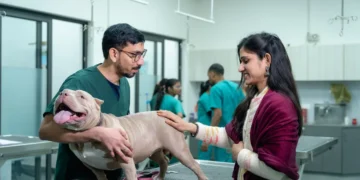
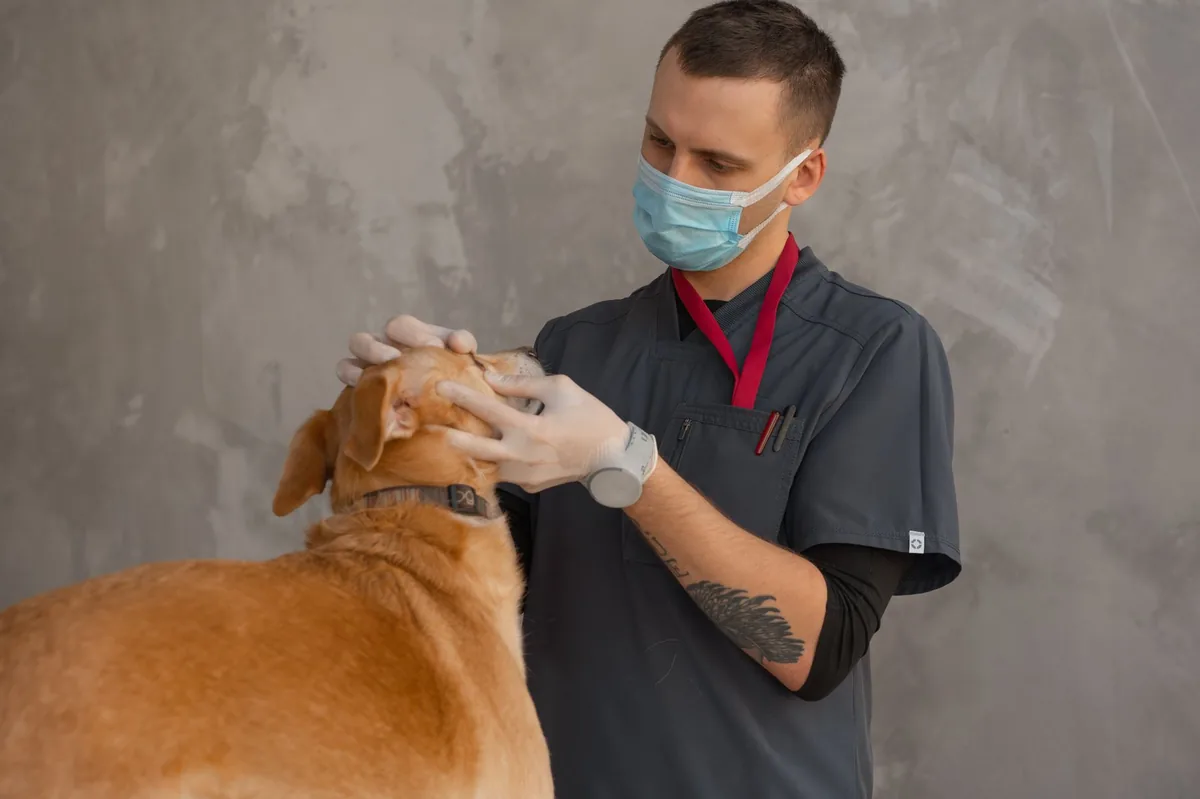
- History & physical exam: Your vet will ask about onset, progression, recent injuries, diet, medications, and tick exposure. A thorough neuro exam checks reflexes, coordination, and eye movements.
- Blood work: CBC and chemistry panels screen for infections, metabolic disorders, and organ dysfunction that could mimic ataxia.
- Imaging:
- X‑rays reveal spinal fractures, disc disease, or bone tumors.
- MRI (magnetic resonance imaging) is the gold standard for brain and spinal cord lesions, including cerebellar tumors or inflammatory disease.
- CT scan may be used when MRI isn’t available, especially for bony abnormalities.
- Specialized tests: Cerebrospinal fluid (CSF) analysis helps identify infections or inflammatory conditions. Audiograms assess inner‑ear function for vestibular disease.
- Referral to a neurologist: Complex cases often benefit from a board‑certified veterinary neurologist, who can perform advanced diagnostics such as electromyography.
Treatment options
Medical treatment
Medication choice depends on the identified cause.
- Anti‑inflammatory drugs: NSAIDs such as carprofen or meloxicam reduce pain and inflammation from orthopedic issues. Ask your vet about this option.
- Immunosuppressants: Prednisone or cyclosporine are used for immune‑mediated cerebellar inflammation (e.g., granulomatous meningoencephalitis). Ask your vet about this option.
- Antibiotics/antifungals: For infections like otitis media or bacterial meningitis, drugs such as amoxicillin‑clavulanate or fluconazole may be prescribed. Ask your vet about this option.
- Vestibular suppressants: Meclizine or dimenhydrinate can ease nausea and vertigo during an acute vestibular episode. Ask your vet about this option.
- Seizure control: Phenobarbital or potassium bromide may be needed if seizures accompany ataxia. Ask your vet about this option.
Supplements and supportive care
Adjunctive nutrition can aid recovery, especially when the underlying issue involves inflammation or metabolism.
- Omega‑3 fatty acids (EPA/DHA): Reduce neuroinflammation and support joint health. A daily dose of 50–100 mg EPA per kilogram body weight is typical; your vet will tailor the amount.
- Antioxidants: Vitamin E and C, plus co‑enzyme Q10, protect neuronal cells from oxidative damage.
- B‑vitamin complex: Particularly B12 (cobalamin) and B1 (thiamine) are useful in hepatic or metabolic encephalopathies.
- Probiotics: Help maintain gut health, which can influence overall immunity and recovery after antibiotics.
Procedures or surgery
When structural problems are identified, surgical or interventional options may be necessary.
- Spinal decompression: For intervertebral disc herniation or vertebral fracture, a ventral slot or hemilaminectomy can relieve pressure. Hospital stay is usually 2–4 days, with physiotherapy afterward.
- Tumor removal: Cerebellar or spinal tumors may be excised if accessible; outcomes vary with tumor type and location.
- Physical therapy & rehabilitation: Hydrotherapy, treadmill work, and targeted exercises improve coordination and muscle strength. Studies from the University of Pennsylvania’s Canine Rehabilitation Center show measurable gait improvement in >70 % of dogs after a structured program.
Diet and nutrition
While no single diet cures ataxia, feeding a balanced, easily digestible diet can help the nervous system recover and reduce secondary complications. Below are practical guidelines that apply to most causes, with special notes for specific conditions.
General principles
- High‑quality protein: Supports muscle maintenance and neuronal repair. Aim for 18‑22 % protein on a dry‑matter basis, sourced from real meat or fish.
- Moderate fat: Provides energy without overloading the liver. About 10‑12 % fat is ideal for most adult dogs; increase slightly (up to 15 %) for dogs recovering from injury who need extra calories.
- Omega‑3 enrichment: As noted above, EPA/DHA help dampen inflammation in the brain and spinal cord.
- Antioxidant‑rich ingredients: Blueberries, carrots, and pumpkin add vitamin C and E, supporting neuronal health.
- Consistent feeding schedule: Small, frequent meals (2–3 times daily) help maintain stable blood glucose, especially important for dogs with hypoglycemia‑related ataxia.
Condition‑specific tweaks
| Condition | Do feed | Limit / Avoid |
|---|---|---|
| Cerebellar inflammation (immune‑mediated) | Protein‑rich diet with omega‑3; consider a prescription anti‑inflammatory diet (e.g., Hill’s Prescription Diet i/d). | High‑salt foods that could exacerbate edema. |
| Vestibular disease | Easy‑to‑chew, highly digestible food; add B‑vitamins for nerve support. | Large hard kibble that may cause choking if balance is poor. |
| Spinal cord compression | Calorie‑dense diet if mobility is limited; consider adding joint‑support supplements (glucosamine, chondroitin). | Excessive weight‑gain foods; obesity worsens spinal stress. |
| Metabolic (e.g., hepatic encephalopathy) | Low‑copper, low‑protein therapeutic diet (e.g., Royal Canin hepatic). | High‑protein treats, organ meats, and foods rich in copper (liver, shellfish). |
Transition tips
When switching to a new therapeutic or higher‑protein diet, transition over 5‑7 days by mixing increasing amounts of the new food with decreasing amounts of the old. Monitor stool consistency and appetite; any sudden vomiting or diarrhea warrants a call to your vet.
Hydration
Ensure fresh water is always available. Dogs with vestibular or spinal issues may have difficulty reaching a bowl, so a low, wide water dish on the floor helps prevent dehydration.
Cost and prognosis
Financial planning can ease the stress of a neurologic diagnosis. Below are average cost ranges, but keep in mind that exact fees vary by clinic, region, and individual case.
| Service | US Estimate | UK Estimate |
|---|---|---|
| Initial veterinary exam & basic blood work | $150–$250 | £80–£130 |
| Advanced imaging (MRI) | $1,200–$2,500 | £700–£1,200 |
| Spinal surgery (e.g., hemilaminectomy) | $3,000–$6,500 | £2,000–£4,500 |
| Prescription therapeutic diet (monthly) | $60–$120 | £40–£80 |
| Physical therapy (12‑session package) | $500–$900 | £300–£600 |
Many pet insurance policies cover diagnostics (blood work, imaging) and a portion of surgical or medication costs, but pre‑existing conditions are often excluded. Review your policy’s neurologic coverage details and ask your insurer about “maximum per incident” limits.
Prognosis hinges on cause:
- Acute vestibular syndrome: Often resolves within 1–3 weeks with supportive care; >90 % of dogs regain normal gait.
- Cerebellar tumors: Surgical removal can provide months‑to‑years of quality life, but recurrence is possible.
- Degenerative myelopathy: Progressive; most dogs live 6–12 months after onset.
- Traumatic spinal injury: Prognosis ranges from full recovery (if decompressed promptly) to permanent paralysis.
Prevention and home care
While you can’t prevent every neurological event, several everyday habits reduce risk.
- Tick control: Use a vet‑recommended monthly preventative (e.g., Bravecto, NexGard) to lower chances of tick‑borne encephalitis.
- Weight management: Keep your dog at an ideal body condition score; excess weight strains the spine and joints.
- Safe environment: Prevent falls by removing slippery rugs, using non‑slip mats, and providing ramps for older dogs.
- Regular veterinary check‑ups: Annual exams catch early signs of metabolic disease that can cause ataxia.
- Physical therapy: Even before a problem, a weekly “balance” routine (e.g., walking on a low‑profile balance board) can strengthen proprioception.
After a diagnosis, follow-up appointments every 4–6 weeks are typical initially, then space out as the dog stabilizes. Keep a log of gait changes, appetite, and any new symptoms to discuss with your vet.
From our vet team: “If your dog suddenly starts dragging a hind leg, treat it like a broken bone—don’t wait. Early imaging and targeted therapy often make the difference between full recovery and permanent loss of function.”
Key takeaways
- Leg incoordination (ataxia) can be caused by ear infections, spinal injuries, or brain tumors—identifying the source is essential.
- Call your vet today for any persistent wobble; go to an emergency clinic if your dog can’t stand or is falling repeatedly.
- Diagnosis typically involves a neuro exam, blood work, and imaging such as MRI; a neurologist may be needed for complex cases.
- Treatment ranges from anti‑inflammatory meds and supportive diets to surgery and rehabilitation, depending on the underlying cause.
- Costs vary widely; pet insurance often helps with diagnostics and surgery, but always verify coverage for neurologic conditions.
- Preventive steps—tick control, weight management, safe home environments, and regular vet visits—reduce the risk of many ataxia triggers.
Myth vs. fact
Myth: “All wobbling dogs have a serious brain tumor.”
Fact: Most dogs with ataxia have treatable causes such as ear infections or spinal disc disease; tumors are only one of many possibilities.
Myth: “If the wobble improves after a day, there’s no need for a vet.”
Fact: Even transient ataxia warrants a veterinary check‑up because it can be the first sign of an underlying condition that may worsen without treatment.
Myth: “Home remedies like massage will fix a neurological problem.”
Fact: While gentle massage can soothe muscle tension, true neurological ataxia requires veterinary diagnosis and often medical or surgical intervention.
Frequently asked questions
What are the common causes of leg wobble in dogs?
Common causes include inner‑ear infections (vestibular disease), spinal cord compression from disc herniation, cerebellar tumors, inflammatory brain disease, and metabolic issues like low blood sugar.
How can I tell if my dog’s uncoordinated gait is an emergency?
If your dog cannot stand, is falling repeatedly, or shows a sudden head tilt with rapid eye movements, seek emergency care immediately; these signs suggest a serious neurologic or traumatic problem.
What tests does a vet run to diagnose ataxia in dogs?
Vets start with a full history and neuro exam, then run blood panels to rule out metabolic disease, followed by imaging (X‑ray, MRI, or CT) and, if needed, cerebrospinal fluid analysis or audiograms.
Are there home remedies for mild leg incoordination?
For mild, short‑term wobble, keep your dog safe on a non‑slippery surface, provide easy access to water and food, and limit activity until a vet exam. Supplements like omega‑3s can support recovery, but they don’t replace professional care.
Will my dog recover fully from a vestibular episode?
Most dogs with idiopathic vestibular disease improve within a few weeks and regain normal balance; however, the recovery timeline varies, and some may need supportive care for a month or more.
How much should I expect to pay for treatment of canine ataxia?
Initial exams and basic labs cost $150–$250 (US) or £80–£130 (UK). Advanced imaging such as MRI can run $1,200–$2,500 (US) or £700–£1,200 (UK). Surgical interventions may exceed $5,000. Insurance may cover a portion, but check your policy’s neurologic limits.
Ask the PuppaDogs community
Have a question this article didn’t fully answer? Want to compare notes with other dog owners who’ve been through this? Our community forum is moderated by experienced owners and vets — and answers tend to come fast. Ask in the PuppaDogs community →
References
- American College of Veterinary Internal Medicine (ACVIM) – Guidelines for Diagnosis and Treatment of Canine Neurologic Disease, 2022.
- American Animal Hospital Association (AAHA) – Canine Vaccination and Preventive Care Recommendations, 2023.
- Merck Veterinary Manual – Ataxia in Dogs, Chapter 12, 2021.
- University of Pennsylvania School of Veterinary Medicine – Canine Rehabilitation Protocols, 2020.
- World Small Animal Veterinary Association (WSAVA) – Guidelines on Canine Vestibular Disease, 2022.
- American Veterinary Medical Association (AVMA) – Pet Insurance Overview, 2023.
- Cornell University College of Veterinary Medicine – Canine Degenerative Myelopathy Review, 2021.
- UC Davis Veterinary Medicine – Tick‑borne Neurologic Diseases in Dogs, 2022.
- AKC Canine Health Survey – Hereditary Ataxia in Specific Breeds, 2021.


