















Quick take: Immune‑mediated polyarthritis (IMPA) is an inflammatory joint disease where the dog’s immune system attacks its own joints. It can cause sudden pain, swelling, and fever, but early treatment often leads to good control. Prompt veterinary care, appropriate medication, and a joint‑supportive diet are key to a comfortable recovery.
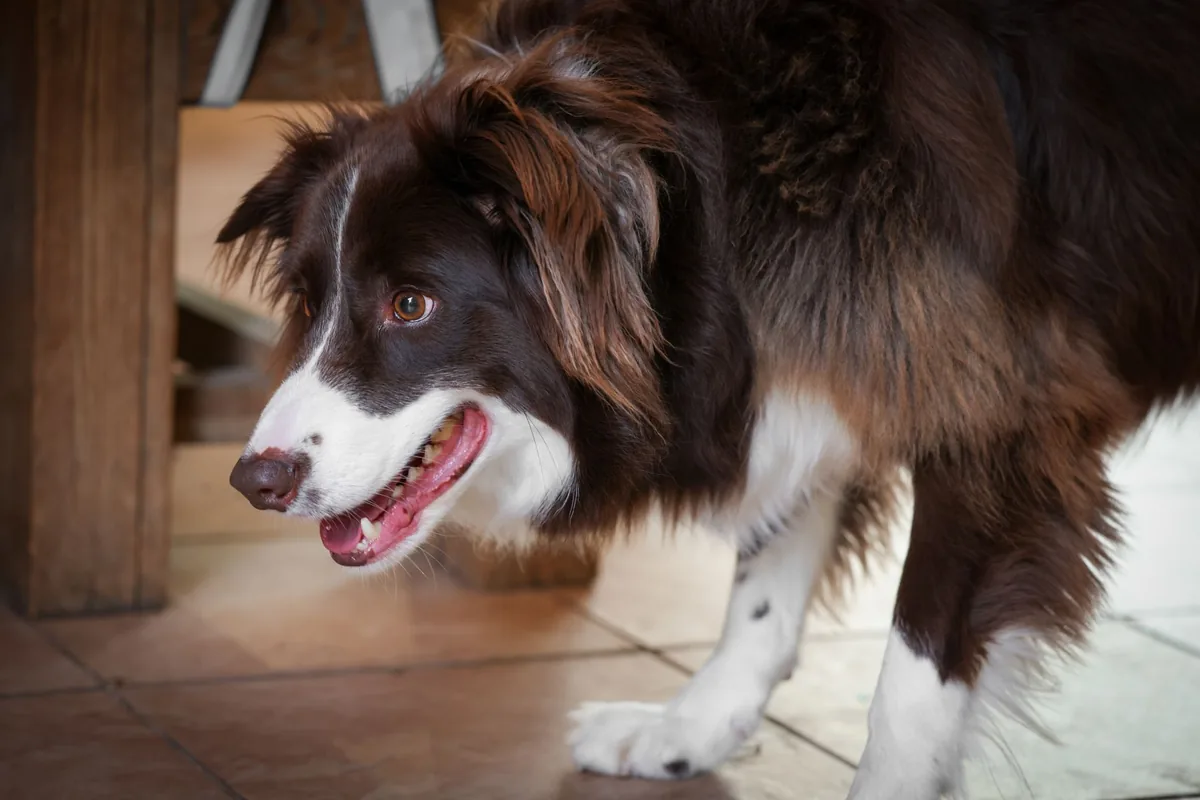
It’s 11 p.m. and you notice your usually‑bouncy Border Collie is limping to the kitchen, refusing her favorite chicken‑and‑rice dinner, and her gums look a little paler than usual. You scroll through articles, heart racing, and the term “immune‑mediated polyarthritis in dogs” pops up. That sudden ache, the feverish shiver, and the concern for a lifelong condition can feel overwhelming.
First, breathe. IMPA is a treatable autoimmune disease, and many dogs return to an active life with the right plan. In this guide we’ll explain what IMPA is, how it differs from osteoarthritis, the signs to watch for, how veterinarians confirm the diagnosis, treatment options, expected costs, diet recommendations, and steps you can take at home to keep your companion comfortable.
We’ll also share breed predispositions, common myths, and a quick‑reference checklist so you know exactly what to ask your vet next. Let’s walk through this together, step by step.
What is immune‑mediated polyarthritis in dogs?
Immune‑mediated polyarthritis (IMPA) is an autoimmune condition in which the dog’s own immune system mistakenly attacks the lining of multiple joints. This causes inflammation, swelling, and pain in several joints at once—hence “poly‑arthritis.” Unlike osteoarthritis, which is a wear‑and‑tear disease that develops slowly over years, IMPA can appear abruptly and affect dogs of any age, though it’s most common in young to middle‑aged dogs.
According to the American College of Veterinary Internal Medicine (ACVIM), IMPA accounts for roughly 5–10 % of all inflammatory joint diseases seen in referral hospitals. While the exact prevalence is unknown, the condition is considered uncommon but not rare, and it can affect any breed.
What causes it?
The exact trigger for IMPA remains unclear, but several factors are thought to contribute:
- Genetic predisposition: Certain breeds, such as the Siberian Husky, German Shepherd, and Cocker Spaniel, show a higher incidence, suggesting a hereditary component.
- Immune dysregulation: A malfunctioning immune system may produce auto‑antibodies that target joint tissues.
- Infectious triggers: In some dogs, infections like Leptospira, Mycoplasma, or tick‑borne diseases (e.g., Ehrlichiosis) can provoke a secondary immune response that evolves into IMPA.
- Vaccination or drug reactions: Rarely, vaccines or certain medications can act as a catalyst for immune activation.
While we can’t always pinpoint a single cause, identifying any underlying infection is crucial because treating that infection can sometimes resolve the arthritis without long‑term immunosuppression.
Signs and symptoms
IMPA often begins with subtle changes that can be easy to miss. Below is a typical progression, from early to severe signs:
| Stage | Common Signs |
|---|---|
| Early (mild) | Occasional limping, stiffness after rest, reduced playfulness, low‑grade fever (often < 39.5 °C) |
| Moderate | Persistent lameness in multiple joints, noticeable swelling, reluctance to climb stairs, decreased appetite, pale gums |
| Severe (advanced) | Severe pain with any movement, joint effusion (fluid buildup), fever > 39.5 °C, lethargy, weight loss, possible joint deformity |
Because IMPA can affect any joint, you might see a “shifting leg lameness” where the pain seems to move from one leg to another. The condition can also cause systemic signs such as fever, lethargy, and loss of appetite, reflecting the immune system’s widespread activation.
When to call your vet
Call your regular vet today: If you notice any of the moderate signs—persistent limping, joint swelling, reduced appetite, or a low‑grade fever.
Go to an emergency veterinary hospital right now: If your dog shows severe pain, refuses to move at all, has a high fever (> 39.5 °C), or appears extremely lethargic and unresponsive.
These guidelines are not a substitute for professional care. If you’re ever unsure, err on the side of caution and seek veterinary help.
How vets diagnose it
Diagnosing IMPA involves ruling out other causes of joint pain and confirming immune‑mediated inflammation. The typical workup includes:
- History and physical exam: Your vet will ask about symptom onset, progression, diet, and any recent illnesses or vaccinations.
- Blood work: A complete blood count (CBC) and serum chemistry panel can reveal anemia, elevated white blood cells, or markers of inflammation (e.g., increased C‑reactive protein). Serology may also screen for tick‑borne infections.
- Joint fluid analysis (arthrocentesis): A needle draws a small sample of synovial fluid from an affected joint. Under a microscope, the lab looks for inflammatory cells, infectious organisms, or crystals.
- Imaging: Radiographs (X‑rays) help rule out osteoarthritis, fractures, or tumors. In some cases, an ultrasound or MRI may be used to assess soft‑tissue changes.
- Immunologic testing: While not routine, tests for antinuclear antibodies (ANA) or specific auto‑antibodies can support an autoimmune diagnosis when available.
The combination of a sterile, neutrophil‑rich joint fluid sample and systemic inflammatory markers typically points to IMPA. Your veterinarian may also refer you to a veterinary internal medicine specialist for complex cases.
Treatment options
Medical treatment
Controlling inflammation and pain is the primary goal. The most common drug classes include:
- Glucocorticoids: Prednisone or prednisolone are first‑line immunosuppressants. They quickly reduce joint inflammation. Your vet will tailor the dose to your dog’s weight and disease severity.
- Steroid‑sparing agents: To minimize long‑term steroid side effects, drugs such as azathioprine, cyclosporine, mycophenolate mofetil, or leflunomide are often added. These help maintain remission while allowing lower steroid doses.
- Non‑steroidal anti‑inflammatory drugs (NSAIDs): Carprofen or meloxicam can be used for additional pain relief, but only under veterinary supervision because they can affect kidney function.
- Analgesics: Tramadol or gabapentin may be prescribed for breakthrough pain.
Therapy usually starts with a high dose of prednisone for 2–4 weeks, followed by a gradual taper while introducing a steroid‑sparing agent. The exact timeline varies; many dogs achieve stable remission within 8–12 weeks. Always ask your vet about potential side effects and monitoring blood work.
Supplements and supportive care
While supplements cannot replace medication, certain nutraceuticals can aid joint health and reduce inflammation:
- Omega‑3 fatty acids (EPA/DHA): Found in fish oil, these help modulate the immune response and lessen joint swelling. A typical dose is 20–55 mg EPA per kilogram of body weight daily, but ask your vet for the exact amount.
- Glucosamine/chondroitin: May support cartilage repair, especially during the remission phase.
- Vitamin C and antioxidants: Can help counter oxidative stress associated with chronic inflammation.
- Probiotics: Useful if the dog experiences gastrointestinal upset from medications.
Choose products that meet AAFCO standards and have third‑party testing for purity.
Procedures or surgery
Joint aspiration itself is a diagnostic procedure, not a treatment. In rare, refractory cases where a joint becomes severely damaged, arthroscopic lavage or synovectomy (removal of inflamed joint lining) may be considered. Recovery from such minimally invasive surgeries typically involves 2–3 weeks of restricted activity and a short course of analgesics. Costs can range from $1,200 to $2,500 (US) depending on the joint(s) involved and facility.
Diet and nutrition
Nutrition plays a supportive role in managing IMPA. While no single diet can cure the disease, feeding a balanced, anti‑inflammatory diet can reduce flare‑ups and improve overall wellbeing.
Key principles:
- Highly digestible protein: A moderate‑to‑high quality protein source (e.g., chicken, turkey, or novel proteins) ensures the dog maintains muscle mass, especially when appetite is reduced.
- Omega‑3 enrichment: Foods formulated with added fish oil provide EPA/DHA without the need for separate supplements.
- Limited simple carbohydrates: Excess carbs can promote inflammation; choose diets with complex carbs like sweet potato or pumpkin.
- Controlled calories: If your dog is less active, adjust portion size to avoid weight gain, which can stress joints further.
- Joint‑supportive additives: Some commercial therapeutic diets (e.g., “joint health” formulas) include glucosamine, chondroitin, and antioxidants.
Below is a quick guide for daily feeding choices:
| Category | Recommended | Limit / Avoid |
|---|---|---|
| Protein | High‑quality animal protein (chicken, turkey, fish) | Low‑quality meat meals, by‑products |
| Fats | Omega‑3 rich fish oil or flaxseed | Excess saturated fats, fried foods |
| Carbohydrates | Complex carbs (sweet potato, pumpkin) | Simple sugars, corn‑based fillers |
| Supplements | Glucosamine/chondroitin, antioxidant blend | Unregulated herbal mixes |
Transition to a new diet slowly—over 7–10 days—mixing increasing amounts of the new food with decreasing amounts of the old. This helps prevent gastrointestinal upset, which can be especially problematic when your dog is already on immunosuppressive drugs.
If your dog has a concurrent condition (e.g., kidney disease), discuss prescription diets with your vet. The American Veterinary Medical Association (AVMA) recommends consulting a nutritionist when multiple health issues intersect.
Cost and prognosis
Financial considerations are part of planning any chronic condition. Below is a typical cost breakdown (USD, estimates):
| Item | Typical Cost Range |
|---|---|
| Initial blood work & serology | $150–$300 |
| Joint aspiration & fluid analysis | $120–$250 |
| Initial glucocorticoid therapy (first month) | $30–$80 |
| Steroid‑sparing agent (e.g., azathioprine) – 3‑month supply | $100–$250 |
| Follow‑up visits (every 4–6 weeks, 6 visits) | $300–$600 |
| Omega‑3 supplement (monthly) | $25–$45 |
| Potential emergency care (if flare‑up) | $500–$2,000+ |
Overall, owners can expect to spend roughly $1,000–$3,500 in the first year, with maintenance costs dropping to $400–$800 annually once stable.
Prognosis varies. According to the ACVIM, about 70–80 % of dogs achieve long‑term remission with appropriate immunosuppression. Dogs diagnosed early, without severe joint damage, and those without concurrent infections tend to do best. Even in refractory cases, ongoing management can provide a good quality of life.
Prevention and home care
Because IMPA is autoimmune, there is no guaranteed way to prevent it. However, you can reduce flare‑ups and support joint health:
- Regular wellness exams: Early detection of subtle lameness can lead to prompt treatment.
- Vaccination timing: Follow AAHA vaccination schedules and discuss any concerns with your vet, especially if your dog has a history of autoimmune issues.
- Tick control: Use a veterinarian‑recommended product (e.g., Bravecto, NexGard) to lower the risk of tick‑borne infections that can trigger secondary IMPA.
- Weight management: Keep your dog at an optimal body condition score to lessen joint stress.
- Gentle exercise: Low‑impact activities such as short leash walks or swimming keep joints mobile without overloading them.
- Monitor at home: Check joint swelling daily and keep a symptom diary. If you notice a new limp or increased temperature, contact your vet promptly.
Our dog health calculators can help you track ideal weight and calorie intake.
Vet’s note
From our vet team: “When you hear ‘immune‑mediated,’ it can sound scary. The good news is that we have a toolbox of proven drugs that can bring the inflammation under control in most dogs. The key is early detection, consistent medication adherence, and a joint‑friendly diet. If your dog’s flare‑up feels sudden, remember that a short course of steroids can make a huge difference—just keep the follow‑up appointments so we can fine‑tune the dosage and add a steroid‑sparing agent when it’s safe.”
Key takeaways
- IMPA is an autoimmune disease that causes painful, multi‑joint inflammation but is often manageable with medication.
- Early signs include intermittent limping, joint swelling, and low‑grade fever; severe pain or high fever warrants emergency care.
- Diagnosis relies on blood work, joint fluid analysis, and imaging to rule out infection and other joint diseases.
- Standard treatment starts with glucocorticoids, then adds steroid‑sparing agents and supportive NSAIDs; supplements like fish oil can aid recovery.
- Feeding a high‑quality, omega‑3‑rich diet and maintaining a healthy weight support joint health and reduce flare‑ups.
- Typical first‑year costs range from $1,000–$3,500; most dogs achieve remission and enjoy a good quality of life with proper care.
Myth vs. fact
Myth: IMPA is the same as osteoarthritis.
Fact: Osteoarthritis is a degenerative wear‑and‑tear condition, while IMPA is an autoimmune inflammation that can appear suddenly and affect multiple joints.
Myth: Dogs with IMPA will always need lifelong steroids.
Fact: Many dogs transition to steroid‑sparing agents after the initial control phase, reducing the need for high‑dose steroids long‑term.
Myth: A special “cure” diet alone can eliminate IMPA.
Fact: Diet supports joint health but cannot replace immunosuppressive therapy; both are needed for optimal outcomes.
Frequently asked questions
What is the cost of treating immune‑mediated polyarthritis in dogs?
Initial diagnostics (blood work, joint fluid analysis, imaging) typically cost $300–$800, while medication and follow‑up care add $500–$2,000 in the first year. Ongoing maintenance may be $400–$800 annually.
Can diet help manage immune‑mediated polyarthritis?
Yes. An omega‑3‑rich, highly digestible diet can reduce inflammation and support joint health, but it should be used alongside prescribed immunosuppressive drugs.
Is immune‑mediated polyarthritis life‑threatening?
Most dogs respond well to treatment and achieve remission. Severe, untreated cases can lead to chronic pain, joint damage, and secondary infections, which may become life‑threatening.
How long does recovery take from IMPA treatment?
Many dogs see noticeable improvement within 2–4 weeks of starting steroids. Full remission often requires 8–12 weeks of therapy, followed by a tapering schedule and regular monitoring.
What medications are commonly used for IMPA?
First‑line therapy usually involves prednisone or prednisolone, followed by steroid‑sparing agents such as azathioprine, cyclosporine, or mycophenolate mofetil. NSAIDs and analgesics may be added for pain control.
Are certain breeds more prone to immune‑mediated polyarthritis?
Yes. Breeds with higher reported incidences include Siberian Huskies, German Shepherds, Cocker Spaniels, and some mixed‑breed dogs with similar genetic backgrounds.
Ask the PuppaDogs community
Have a question this article didn’t fully answer? Want to compare notes with other dog owners who’ve been through this? Our community forum is moderated by experienced owners and vets — and answers tend to come fast. Ask in the PuppaDogs community →
References
- American College of Veterinary Internal Medicine (ACVIM) – Immune‑Mediated Polyarthritis Guidelines, 2023.
- American Animal Hospital Association (AAHA) – Pain Management Standards, 2022.
- Merck Veterinary Manual – Polyarthritis, Immune‑Mediated, entry.
- World Small Animal Veterinary Association (WSAVA) – Joint Health Nutrition Recommendations, 2021.
- American Veterinary Medical Association (AVMA) – Tick‑Borne Disease Prevention, 2022.
- Cornell University College of Veterinary Medicine – Canine Autoimmune Diseases Overview, 2023.
- UC Davis Veterinary Medicine – Use of Omega‑3 Fatty Acids in Canine Inflammatory Joint Disease, 2021.
- AAFP – Diagnostic Approach to Canine Polyarthritis, 2020.


