















Quick take: A hematoma is a pocket of fluid that builds up under a dog’s skin, most often on the ear flap. It isn’t life‑threatening, but it can become painful or infected if left untreated. Early veterinary care—whether conservative or surgical—helps the swelling shrink, relieves discomfort, and prevents complications.
It’s 9 p.m., you’re on the couch, and your usually‑chatty Beagle is lying still, his ear drooping and looking puffy. You run a hand over the swelling and feel a soft, rubbery bump. The Googling starts, heart racing, because you’ve never seen anything like this before. You wonder: “Is this an emergency? Will it hurt my dog? How much will it cost?”
We’ve seen dozens of owners describe that exact moment. Most discover the problem when a sudden “flop” of the ear follows an ear‑scratching bout or a vigorous head shake. The good news is that a hematoma on dogs is usually manageable, and with the right steps you can get your companion back to his normal self.
In this guide we’ll explain what a hematoma is, why it happens, how to tell the difference from an infection, when you need to call the vet, what treatment options exist, how much you might spend, and how to support recovery at home—including diet tips and prevention strategies.
What is hematoma on dogs?
A hematoma is a collection of blood‑filled fluid that accumulates between the skin (dermis) and the underlying connective tissue (subcutaneous layer). In dogs the most common spot is the ear flap, but hematomas can also appear on the paw pads, muzzle, or any area that experiences repeated trauma.
When a small vessel ruptures, blood leaks into the space and the body’s natural response is to form a capsule around it. This capsule makes the swelling feel firm yet pliable, like a water balloon. The condition is not a tumor or an infection, although it can become one if bacteria get in.
According to the American College of Veterinary Surgeons (ACVS) and the Merck Veterinary Manual, ear hematomas account for roughly 5‑10 % of all ear problems presented to primary‑care vets, making them a relatively common issue in the canine population.
What causes it?
Hematomas develop when a dog’s ear experiences repeated trauma or excessive pressure. The most frequent triggers include:
- Ear scratching or rubbing – often due to ear mites, allergic dermatitis, or foreign bodies.
- Head shaking or vigorous ear flapping – a reflex to relieve itching or discomfort.
- Trauma – bumps, bites, or accidental knocks.
- Breed anatomy – breeds with large, floppy ears (e.g., Cocker Spaniels, Basset Hounds) are predisposed because the thin cartilage provides less support.
- Underlying skin disease – chronic otitis externa or pyoderma can weaken blood vessels.
Below is a quick overview of breeds that commonly develop ear hematomas, based on data from the American Kennel Club (AKC) and veterinary case series:
| Breed | Reason for higher risk |
|---|---|
| Cocker Spaniel | Large, pendulous ears; prone to ear infections |
| Basset Hound | Very floppy ears, thin cartilage |
| Bloodhound | Excessively long ears, frequent ear scratching |
| Beagle | Active, often shakes head after outdoor play |
| French Bulldog | Short, wide ear flap that can trap moisture |
Signs and symptoms
Owners typically notice a swelling that develops over hours to days. Early signs can be subtle, while later stages become more obvious.
| Stage | Typical signs |
|---|---|
| Mild | Small, soft bump; occasional ear rubbing; no obvious pain |
| Moderate | Noticeable puffiness; ear droops; dog may whine when the ear is touched |
| Severe | Large, firm swelling; ulcerated skin; secondary infection signs (redness, discharge, foul odor) |
Other clues that a hematoma is forming include:
- Rapid ear “flop” after a vigorous shake.
- Visible fluid‑filled bulge that feels like a water‑filled balloon.
- Loss of ear shape—often described as “a sagging, stretched‑out ear.”
- Occasional mild pain when the area is pressed.
Importantly, a hematoma is usually painless once the capsule is fully formed, but the underlying cause (itching, infection) can still be uncomfortable.
When to call your vet
Call your vet today if you notice any of the following:
- Swelling that continues to grow over 24 hours.
- Redness, heat, or discharge from the ear.
- Your dog is repeatedly scratching or shaking its head.
- Signs of pain when the ear is touched.
Go to an emergency veterinary hospital right now if you see any of these red flags:
- Sudden loss of consciousness or severe distress.
- Bleeding that won’t stop after a few minutes.
- Swelling that compresses the airway or causes breathing difficulty.
These guidelines are for informational purposes only and do not replace a hands‑on veterinary exam.
How vets diagnose it
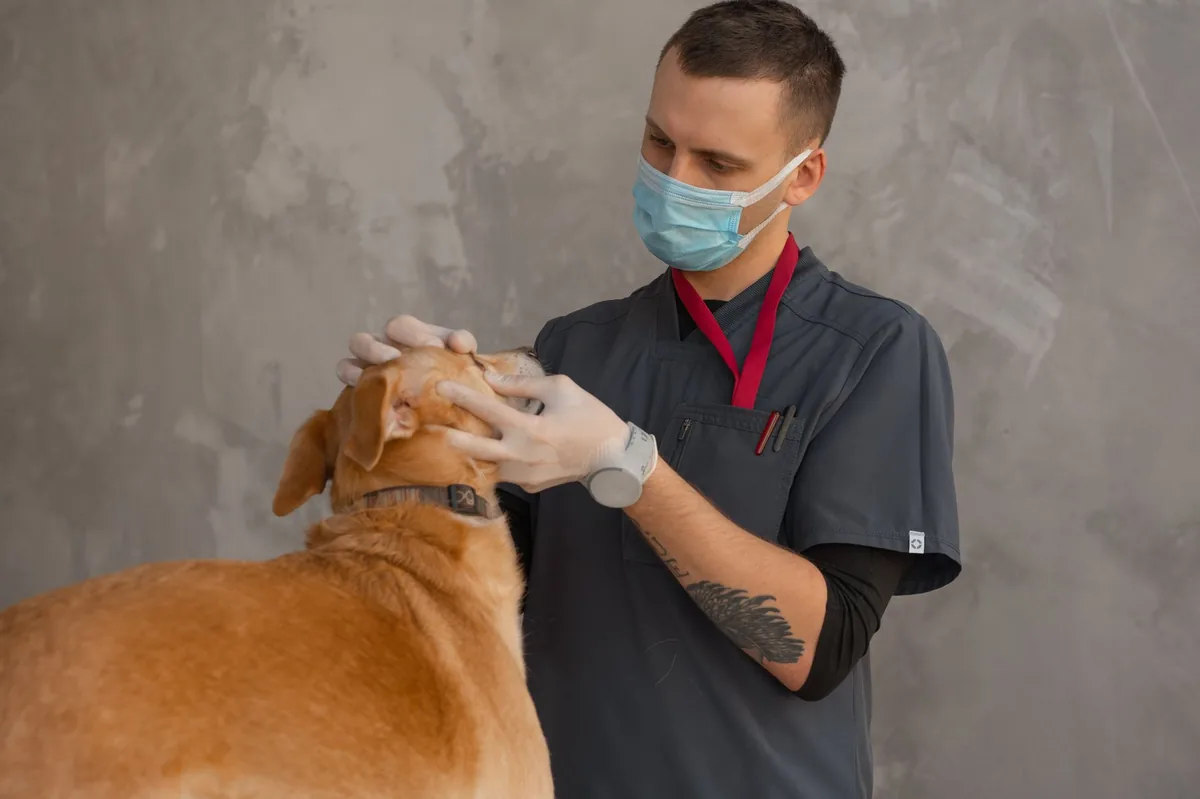
Veterinarians start with a thorough history: when the swelling appeared, any recent ear problems, and what activities preceded the change. A physical exam follows, where the vet gently palpates the ear to assess fluid consistency and checks for signs of infection.
Typical diagnostic tools include:
- Otoscopic examination – a lightweight scope lets the vet look inside the ear canal for mites, wax, or inflammation.
- Fine‑needle aspiration – a small needle withdraws a sample of the fluid. The sample is examined under a microscope to confirm that it’s blood‑filled rather than pus.
- Cytology – if infection is suspected, the aspirated fluid is stained to identify bacteria or yeast.
Imaging (ultrasound or radiographs) is rarely needed for ear hematomas, but may be used for atypical locations such as the paw.
Treatment options
Medical treatment
For early or mild hematomas, vets often try a conservative approach first:
- Anti‑inflammatory medication – NSAIDs like carprofen or meloxicam reduce swelling and discomfort. Ask your vet about this option.
- Antibiotics – prescribed if there’s secondary bacterial infection (e.g., amoxicillin‑clavulanic acid). Ask your vet about this option.
- Ear cleaning and topical therapy – medicated ear drops (e.g., miconazole‑based) address underlying otitis or mites.
Medical management alone may resolve a small hematoma in 2‑4 weeks, but many owners opt for a more definitive solution to prevent recurrence.
Supplements and supportive care
While supplements cannot dissolve a hematoma, they can aid overall skin health and reduce inflammation:
- Omega‑3 fatty acids (EPA/DHA) – found in fish‑oil capsules, they support skin integrity and have mild anti‑inflammatory effects.
- Probiotics – help maintain a balanced ear microbiome when used alongside appropriate ear cleansers.
- Vitamin E – an antioxidant that may assist tissue healing, but should be given at veterinary‑recommended levels.
Discuss any supplement with your vet to avoid interactions with prescribed medications.
Procedures or surgery
When the hematoma is large, recurrent, or infected, most veterinarians recommend drainage combined with a “flap” or “wedge” technique:
- Needle aspiration – a single needle removes the fluid, but the cavity often refills without a protective barrier.
- Surgical drainage with a temporary “flap” – the vet makes a small incision, evacuates the blood, and sutures a piece of skin (or a synthetic material) over the opening to keep it from sealing too quickly. This encourages the cavity to collapse and scar down.
- Laser or electrocautery – in some practices, a laser is used to coagulate the tissue, reducing bleeding and recovery time.
Post‑operative care typically includes an Elizabethan collar (e‑collar) for 2‑4 weeks, daily ear cleaning, and a short course of pain medication (often a mild opioid or gabapentin). Most dogs heal fully within 3‑6 weeks, though full scar remodeling can take several months.
Diet and nutrition
Nutrition plays a subtle but meaningful role in recovery from a hematoma. The goal is to provide high‑quality protein for tissue repair, support the immune system, and keep inflammation in check.
Here are the key feeding principles:
- Highly digestible protein – chicken, turkey, or fish meals provide the amino acids needed for wound healing.
- Balanced omega‑3 fatty acids – aim for 1 % of the diet from EPA/DHA. Commercial “joint‑support” formulas often contain the right ratio.
- Limited sodium – excessive salt can encourage fluid retention, which may delay the collapse of the hematoma cavity.
- Adequate calories – keep your dog at a healthy weight; both under‑ and over‑nutrition can impair healing.
- Hydration – fresh water should always be available; proper hydration supports blood flow.
If your dog has an underlying ear infection or allergy, a therapeutic diet formulated for skin health (e.g., limited‑ingredient or hypoallergenic) can reduce the triggers that led to the hematoma in the first place.
Below is a quick reference for feeding choices during recovery:
| Do feed | Limit | Avoid |
|---|---|---|
| Cooked, lean meats (no bones) | Commercial treats high in fat | Raw bones that could cause ear trauma |
| Omega‑3 enriched kibble or fish oil | High‑salt canned foods | Spicy or heavily seasoned human foods |
| Prescription skin‑support diet (if advised) | Excessive carbs | Any food causing known allergies |
Transition to a new diet gradually over 5‑7 days to avoid gastrointestinal upset. A simple “mix‑in” approach—adding a spoonful of canned pumpkin or a measured fish‑oil capsule to the regular kibble—can make the switch smoother.
For more detailed feeding calculators, check out our dog nutrition calculator. It helps you tailor portions to your dog’s weight, activity level, and recovery needs.
Cost and prognosis
Financial considerations vary by region, clinic, and the chosen treatment pathway.
| Service | US estimate | UK estimate |
|---|---|---|
| Conservative medical management (meds + follow‑up) | $150‑$300 | £120‑£250 |
| Needle aspiration only | $200‑$400 | £180‑£350 |
| Surgical drainage with flap | $800‑$1,500 | £600‑£1,200 |
| Post‑operative pain meds & e‑collar | $100‑$250 | £80‑£180 |
| Typical pet insurance coverage | 70‑90 % of surgical cost (depends on policy) | 60‑85 % (varies by insurer) |
Prognosis is excellent when the hematoma is treated promptly. Most dogs regain normal ear shape within 4‑6 weeks after surgery, and even conservative treatment often resolves the swelling within 2‑3 months. Recurrence rates drop from 30 % to under 5 % when the underlying cause (ear mites, allergies) is addressed.
Prevention and home care
Preventing a hematoma is largely about managing the root causes that provoke ear trauma.
- Routine ear cleaning – use a vet‑recommended ear cleanser once or twice weekly for breeds prone to ear infections.
- Control parasites – monthly heartworm and flea preventatives reduce mite infestations that trigger itching.
- Allergy management – work with your vet to identify and avoid food or environmental allergens that cause chronic otitis.
- Trim excess hair – in breeds with long ear hair, regular grooming prevents moisture buildup.
- Monitor head‑shaking episodes – if your dog shakes its head more than a few times a day, schedule a check‑up; early intervention can stop a hematoma before it forms.
At home, keep an eye on any swelling. A quick “press‑and‑release” test (gently press the bump; if it feels like a fluid‑filled balloon that returns to shape, it’s likely a hematoma) can guide you, but always confirm with a vet.
From our vet team: “A hematoma may look alarming, but it’s usually a symptom of an underlying issue—like ear mites or allergies. Treat the cause, not just the swelling, and you’ll dramatically reduce the chance of it coming back.”
Key takeaways
- A hematoma is a fluid‑filled swelling, most often on the ear, caused by trauma or repeated ear scratching.
- Early signs include a soft, balloon‑like bump and ear droop; pain may develop if the skin stretches or becomes infected.
- Veterinary options range from anti‑inflammatory meds and ear cleaning to surgical drainage with a protective flap.
- Costs vary: $150‑$300 for medical management, $800‑$1,500 for surgery in the U.S.; many pet‑insurance plans cover a large portion.
- Feed highly digestible protein, add omega‑3s, keep sodium moderate, and maintain hydration to support healing.
- Prevent recurrence by controlling ear mites, allergies, and regular ear hygiene—especially in floppy‑ear breeds.
Myth vs. fact
Myth: A hematoma will go away on its own without any treatment.
Fact: Small hematomas may shrink over weeks, but most require veterinary intervention to prevent infection or recurrence.
Myth: All ear swellings are hematomas.
Fact: Swellings can also be abscesses, cysts, or tumors; a vet’s fine‑needle aspiration distinguishes them.
Myth: Surgery is always the best choice.
Fact: Conservative treatment works for mild cases, and surgery is reserved for large, recurrent, or infected hematomas.
Frequently asked questions
What does a hematoma look like on a dog’s ear?
A hematoma appears as a smooth, fluid‑filled swelling that makes the ear flap look droopy or balloon‑like; the skin over it feels soft and may have a slightly bluish tint.
Can a hematoma heal without surgery?
Yes, many small hematomas resolve with anti‑inflammatory medication, ear cleaning, and rest, but larger or recurrent cases often need surgical drainage for a faster, more reliable result.
How can I tell if my dog’s swelling is a hematoma or an infection?
If the bump feels fluid‑filled, is painless, and the skin is intact, it’s likely a hematoma; an infected abscess will be warm, painful, may ooze pus, and often has a foul odor.
What are the risks of untreated ear hematoma in dogs?
Leaving a hematoma alone can lead to skin ulceration, secondary bacterial infection, permanent ear deformation, and chronic discomfort that may affect your dog’s quality of life.
Will my dog need pain medication after hematoma treatment?
Most dogs receive a short course of pain relief—often an NSAID or a mild opioid—after surgery or aspiration to keep them comfortable during the first few days of healing.
How much does it usually cost to treat a dog’s hematoma?
In the United States, medical management typically runs $150‑$300, while surgical drainage with a protective flap averages $800‑$1,500; UK costs are roughly £120‑£1,200 for comparable services.
Ask the PuppaDogs community
Have a question this article didn’t fully answer? Want to compare notes with other dog owners who’ve been through this? Our community forum is moderated by experienced owners and vets — and answers tend to come fast. Ask in the PuppaDogs community →
References
- American College of Veterinary Surgeons (ACVS). “Ear Hematoma Management Guidelines.” 2023.
- Merck Veterinary Manual. “Hematoma, Ear” chapter. 2022.
- American Kennel Club (AKC). Breed health data on ear disorders. Accessed 2024.
- American Animal Hospital Association (AAHA). “Guidelines for Management of Otitis Externa.” 2023.
- World Small Animal Veterinary Association (WSAVA). “Vaccination and Parasite Control Recommendations.” 2022.
- Veterinary Partner. “Canine Ear Hematoma – Diagnosis and Treatment.” 2023.
- University of California, Davis Veterinary Medicine. “Ear Mite and Otitis Care.” 2022.
- Pet Insurance Association. “Average Claim Payouts for Surgical Procedures.” 2023.


