
















Quick take: Mobitz Type I heart block is a mild, intermittent delay in the heart’s electrical signal that often shows up as occasional skipped beats. Dogs may seem a bit lethargic or have faint episodes, but many stay stable with monitoring, medication, or a pacemaker if needed. Your vet will decide the best plan based on the ECG findings and overall health.
It’s 11 p.m., and your 9‑year‑old mixed‑breed Labrador is lying on the couch, eyes half‑closed, and you notice his breathing is a little shallow. When you gently press his gums, they feel a shade paler than usual. A quick internet search later, and the phrase “Mobitz Type I heart block” pops up. Your heart races—could this be life‑threatening? You’re not alone; many owners first spot this condition when a dog’s energy wanes or a faint episode occurs.
We understand the worry that comes with a heart diagnosis. The good news is that Mobius Type I (also called second‑degree AV block, Wenckebach) is often manageable, especially when caught early. In this article we’ll explain exactly what Mobitz Type I heart block is, why it happens, how vets confirm it, what treatment paths look like—including costs—and how you can support your dog at home.
Read on for a step‑by‑step guide, practical nutrition tips, and the signals that mean “call the vet now.”
What is Heart Block (Mobitz Type I) in Dogs?
Heart block describes a problem with the electrical pathway that tells the heart’s chambers when to contract. In a normal dog, the signal travels from the sinoatrial (SA) node → atria → atrioventricular (AV) node → ventricles. Mobitz Type I (second‑degree AV block, Wenckebach) means the AV node occasionally slows the signal enough that a heartbeat is missed.
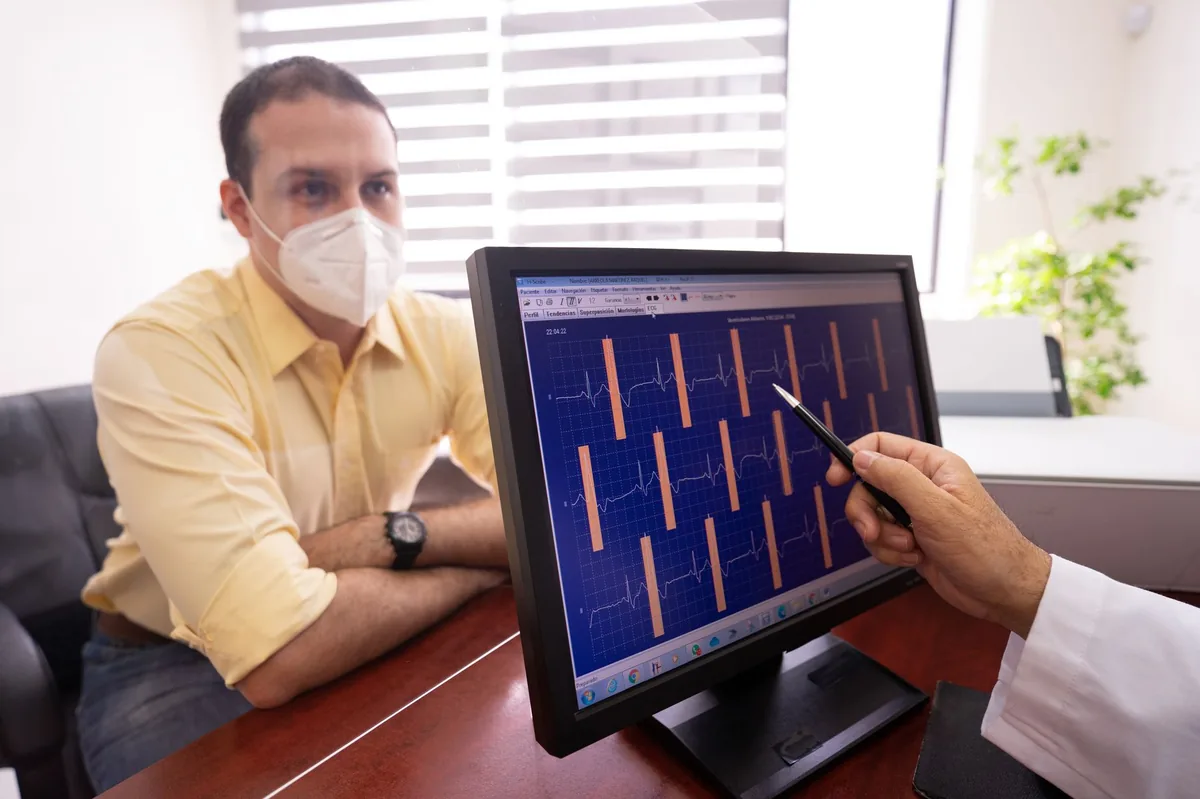
What makes Mobitz Type I distinct is its pattern: the interval between beats gradually lengthens until a beat is dropped, then the cycle restarts. This “progressive prolongation” often shows up on an electrocardiogram (ECG) as a grouped‑beat pattern.
How common is it? Mobitz Type I is relatively rare, accounting for roughly 5–10 % of all canine arrhythmias reported in specialty clinics (AAHA 2023 Cardiac Guidelines). It can appear in any breed, but certain large or geriatric dogs are seen more frequently.
What causes it?
Mobitz Type I can arise from several underlying issues. The AV node may be affected by structural changes, metabolic disturbances, or external factors.
- Age‑related fibrosis: As dogs get older, scar tissue can stiffen the AV node, slowing conduction.
- Heart disease: Dilated cardiomyopathy, valvular disease, or myocarditis can disrupt the electrical pathway.
- Electrolyte imbalances: Low potassium or calcium, often from kidney disease or severe vomiting, can interfere with signal transmission.
- Medications: Certain drugs (e.g., beta‑blockers, some anti‑arrhythmics) may predispose to AV block.
- Congenital defects: Rarely, dogs are born with an abnormal AV node.
Below is a quick visual of the main cause categories.
| Cause category | Typical trigger |
|---|---|
| Age‑related fibrosis | Senior dogs (7 + years) |
| Primary heart disease | Dilated cardiomyopathy, valvular disease |
| Metabolic/electrolyte | Kidney failure, severe GI loss |
| Medication‑induced | Beta‑blockers, certain anti‑arrhythmics |
| Congenital | Genetic AV node malformation |
Signs and symptoms
Because the block is intermittent, many owners notice only subtle changes at first.
| Severity | Typical signs |
|---|---|
| Mild | Occasional lethargy, slight exercise intolerance, brief pause in heartbeat felt as a “missed beat.” |
| Moderate | More frequent fainting (syncope), noticeable irregular heart rhythm on pulse, pale gums, reduced appetite. |
| Severe | Persistent low heart rate (<60 bpm), collapse, rapid breathing, signs of heart failure (fluid in abdomen or lungs). |
Other clues include a heart murmur that changes with activity, a sudden drop in blood pressure, or an abnormal sound when you place your hand over the chest. In many cases, the first clue is a brief fainting spell that resolves quickly.
When to call your vet
Call your vet today if you notice any of the following:
- Irregular heartbeats that you can feel or hear.
- Noticeable lethargy or reduced willingness to exercise.
- Pale gums or a weak pulse.
- Episodes of fainting that last a few seconds.
Go to an emergency veterinary hospital right now if your dog:
- Collapses and does not regain consciousness within a minute.
- Shows rapid, shallow breathing or signs of fluid accumulation in the chest or abdomen.
- Has a heart rate consistently below 40 bpm.
These guidelines are for information only and do not replace a professional exam. If you’re ever unsure, err on the side of caution and contact your veterinarian.
How vets diagnose it
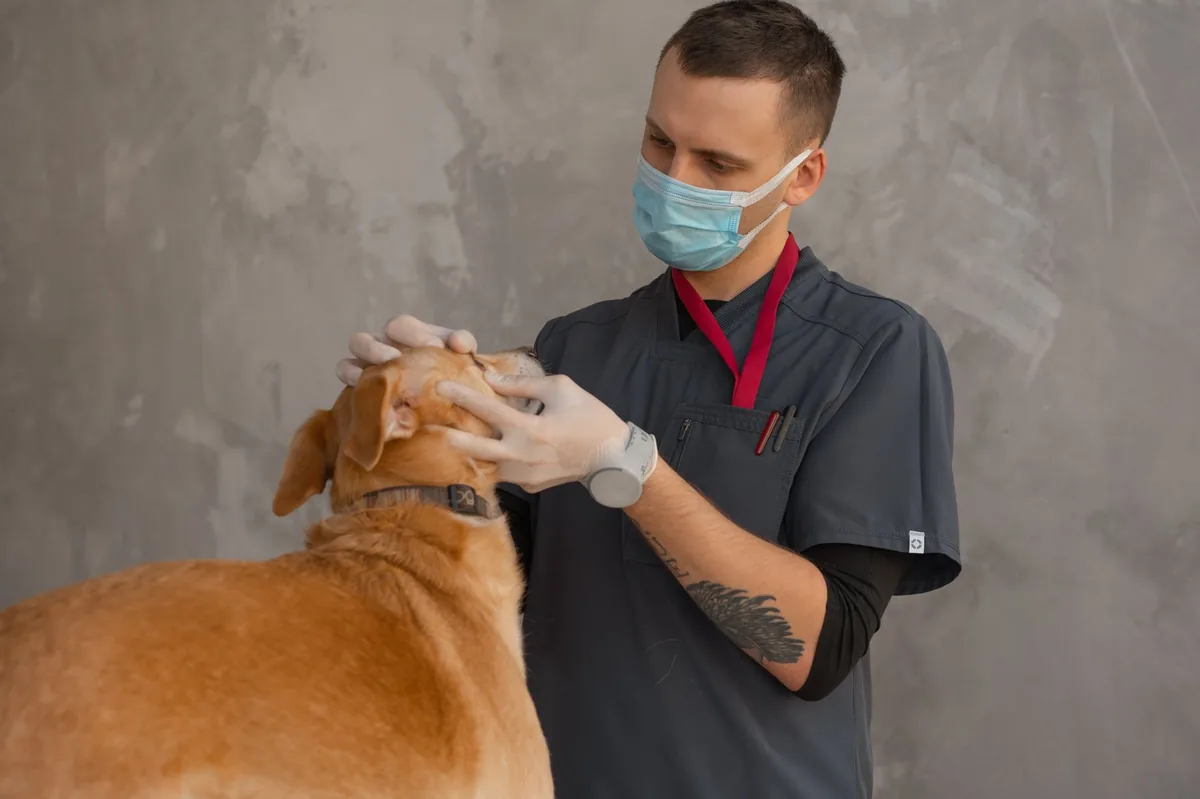
Diagnosis starts with a thorough history and physical exam. Your vet will listen for irregular rhythms and may feel a pulse that “skips.” The cornerstone test is an electrocardiogram (ECG), which records the heart’s electrical activity and reveals the classic Wenckebach pattern.
Because Mobitz Type I can be intermittent, a single ECG may miss it. Vets often use a Holter monitor—a portable device the dog wears for 24‑48 hours—to capture episodes during normal activity.
Blood work is also important. A complete blood count (CBC) and chemistry panel help rule out electrolyte disturbances or underlying disease that could be contributing. In some cases, an echocardiogram (ultrasound of the heart) is performed to assess structural problems.
Advanced diagnostics such as cardiac MRI or electrophysiology studies are rarely needed in general practice but may be recommended by a cardiology specialist.
Treatment options
Medical treatment
Many dogs with Mobitz Type I do not need immediate medication. If the block is mild and the dog is stable, regular monitoring may be sufficient. When treatment is indicated, vets often consider:
- Beta‑blockers (e.g., atenolol) to control heart rate and reduce the workload on the heart.
- Anti‑arrhythmic drugs such as quinidine or procainamide, used selectively when the block progresses.
- Electrolyte correction—IV fluids or oral supplements to normalize potassium or calcium levels.
Ask your vet about these options; dosage will be tailored to your dog’s weight and severity.
Supplements and supportive care
While supplements cannot cure a conduction block, certain ones can help overall cardiac health:
- Omega‑3 fatty acids (EPA/DHA) – reduce inflammation and support heart muscle function. Look for a veterinary‑grade fish oil supplement.
- Coenzyme Q10 – an antioxidant that may improve cellular energy in the heart.
- Probiotics – maintain gut health, especially if your dog is on long‑term medications.
These should be discussed with your vet to ensure they don’t interact with prescribed drugs.
Procedures or surgery
When the block becomes persistent, symptomatic, or progresses to a higher grade, a permanent pacemaker may be recommended. The device is implanted under general anesthesia, with leads placed in the right ventricle to deliver timed electrical impulses.
Recovery usually involves a 1‑2 week hospital stay, followed by activity restriction for about 4 weeks. Most dogs adapt well and regain a normal activity level.
Typical cost ranges (see “Cost and prognosis” below) can be significant, but many owners find the quality‑of‑life improvement worth the investment.
Diet and nutrition
Nutrition plays a supportive role in managing any cardiac condition. While there is no “heart‑block‑specific” diet, feeding a heart‑healthy regimen can reduce workload on the heart and help maintain optimal body condition.
Key principles:
- High‑quality, highly digestible protein – reduces the metabolic burden on the liver and kidneys, allowing the heart to focus on circulation.
- Moderate sodium – excess salt can promote fluid retention and increase blood pressure; aim for ≤0.3 % sodium on a dry‑matter basis.
- Omega‑3 enrichment – as mentioned, EPA/DHA support cardiac cell membranes.
- Controlled calories – prevent obesity, which strains the heart. Use a body‑condition scoring chart to keep your dog at a healthy 4‑5/9.
Prescription therapeutic diets such as “cardiac formulas” (e.g., Hill’s Prescription Diet | k/d) are formulated with reduced sodium and added taurine, but any commercial diet meeting AAFCO nutrient profiles and the above principles is acceptable. Transition gradually over 7‑10 days to avoid gastrointestinal upset.
| Food category | Do feed | Limit | Avoid |
|---|---|---|---|
| Commercial dry kibble | High‑protein, low‑sodium formulas | Treats high in salt | Very high‑sodium “flavor‑boosted” foods |
| Wet food | Low‑sodium canned options | Rich gravies | Excessively salty broths |
| Home‑cooked meals | Lean meats, cooked vegetables, rice | Butter or oil excess | Cooked bones, fatty cuts |
| Supplements | Veterinary‑grade fish oil | Human‑dose supplements | Unregulated herbal blends |
Hydration matters, too. Fresh water should always be available. If your dog is on diuretics (often prescribed for heart failure), monitor intake and discuss fluid balance with your vet.

Cost and prognosis
Financial considerations are a real part of managing a cardiac condition. Below are rough estimates based on U.S. and U.K. veterinary fee structures (AAHA 2023). Prices vary by clinic, region, and individual case complexity.
| Service | U.S. estimate | U.K. estimate |
|---|---|---|
| Initial ECG (in‑clinic) | $150–$250 | £80–£130 |
| 24‑hr Holter monitor | $300–$500 | £150–£250 |
| Blood work (CBC + chemistry) | $120–$200 | £70–£120 |
| Beta‑blocker medication (monthly) | $30–$60 | £20–£40 |
| Pacemaker implantation | $7,000–$12,000 | £5,000–£9,000 |
| Follow‑up visits (per appointment) | $80–$150 | £50–£100 |
Prognosis depends on the underlying cause and how quickly the block is identified. For isolated Mobitz I without significant heart disease, many dogs enjoy a normal lifespan with regular monitoring. If the block progresses to a higher grade or is linked to severe cardiomyopathy, the median survival may drop to 1–3 years, but individualized outcomes vary widely (ACVIM 2022 Consensus).
Prevention and home care
While you can’t prevent a congenital defect, you can reduce the risk of progression and support heart health:
- Routine cardiac screening – Annual wellness exams for senior dogs should include a pulse check and, if indicated, an ECG.
- Maintain a healthy weight – Overweight dogs place extra strain on the heart; use body‑condition scoring and adjust portions accordingly.
- Monitor electrolytes – If your dog has kidney disease or is on diuretics, regular blood work helps catch low potassium or calcium early.
- Avoid excessive stress – Heat, excitement, or strenuous exercise can exacerbate arrhythmias. Keep walks moderate and provide a cool, calm environment.
- Stay up‑to‑date on vaccinations and parasite control – Some infections (e.g., Lyme disease) can affect the heart; follow AAHA vaccination guidelines.
Keep a simple log of any fainting episodes, changes in activity, or breathing patterns. This information is invaluable for your vet during follow‑up visits.
Prevention and home care
From our vet team: “Even a subtle change in your dog’s energy or gait can be the first whisper of a heart rhythm issue. Early detection through a quick ECG and routine wellness checks often means a simple medication or a lifestyle tweak can keep your companion thriving for years.”
Key takeaways
- Mobitz Type I heart block is an intermittent delay in the heart’s electrical signal that often shows up as occasional skipped beats.
- Early signs include mild lethargy, fainting spells, and irregular pulse; severe signs require immediate emergency care.
- Diagnosis relies on ECG and Holter monitoring, plus blood work to rule out metabolic causes.
- Treatment ranges from monitoring and beta‑blockers to pacemaker implantation, depending on severity.
- A heart‑healthy diet low in sodium, rich in high‑quality protein, and supplemented with omega‑3s supports recovery.
- Regular veterinary check‑ups, weight management, and electrolyte monitoring are the best preventive strategies.
Myth vs. fact
Myth: Mobitz Type I always leads to sudden death.
Fact: Many dogs live normal lives with careful monitoring and, when needed, medication or a pacemaker.
Myth: All heart blocks require a pacemaker.
Fact: Pacemakers are reserved for severe or progressive cases; many dogs manage with medication and lifestyle adjustments.
Myth: A special “heart‑block diet” can cure the condition.
Fact: No diet can reverse the electrical delay, but a balanced, low‑sodium diet helps reduce cardiac strain.
Frequently asked questions
What causes Mobitz Type I heart block in dogs?
Most often it’s age‑related fibrosis of the AV node, but underlying heart disease, electrolyte imbalances, certain medications, and rare congenital defects can also trigger the block.
How can I tell if my dog has a heart block?
Owners may notice irregular heartbeats, occasional fainting, or a slower resting pulse; a veterinarian confirms the diagnosis with an ECG or a Holter monitor.
What tests does a vet use to diagnose Mobitz Type I heart block?
The primary test is an ECG that shows the characteristic Wenckebach pattern. If the block is intermittent, a 24‑hour Holter monitor is used, along with blood work and possibly an echocardiogram to assess heart structure.
Is medication needed for Mobitz Type I heart block in dogs?
Not always. Mild cases may only need regular monitoring. When treatment is required, beta‑blockers, anti‑arrhythmics, or electrolyte correction are common options, always tailored by your vet.
Can lifestyle changes help a dog with Mobitz Type I heart block?
Yes. Maintaining a healthy weight, providing a low‑sodium diet, avoiding extreme heat or stress, and ensuring routine cardiac check‑ups can slow progression and improve quality of life.
What is the survival rate for dogs with Mobitz Type I heart block?
For dogs with an isolated Mobitz I block and no severe underlying heart disease, many live a normal lifespan with proper monitoring. When associated with advanced cardiomyopathy, median survival drops to 1‑3 years, but individual outcomes vary (ACVIM 2022).
Ask the PuppaDogs community
Have a question this article didn’t fully answer? Want to compare notes with other dog owners who’ve been through this? Our community forum is moderated by experienced owners and vets — and answers tend to come fast. Ask in the PuppaDogs community →
References
- American Animal Hospital Association (AAHA). 2023 Canine Cardiology Guidelines.
- American College of Veterinary Internal Medicine (ACVIM). 2022 Consensus on Canine Arrhythmias.
- Merck Veterinary Manual. “Heart Block” entry.
- World Small Animal Veterinary Association (WSAVA). Recommendations for cardiac monitoring in senior dogs.
- American Veterinary Medical Association (AVMA). Veterinary Nutrition Guidelines.
- Cornell University College of Veterinary Medicine. “Electrocardiography in Dogs” article.
- UC Davis Veterinary Medicine. “Management of Canine Cardiac Arrhythmias.”


