












Quick take: A head tilt in dogs is a sign that something in the ear or brain isn’t working right. It can be caused by an ear infection, vestibular disease, trauma, or more serious neurologic problems. Most dogs improve with proper treatment, but urgent veterinary care is needed if balance loss, vomiting, or rapid progression occurs.
It’s 9 p.m., and your 7‑year‑old mixed‑breed Labrador isn’t greeting you at the door. Instead, she’s sitting on the rug, her head cocked to the right, eyes wide as she watches a faint sound from the kitchen. You glance at her gums—pale, but not alarming—and wonder if it’s just a quirky habit or something you need to worry about.
That uneasy feeling is exactly why we wrote this guide. A head tilt can be a harmless quirk, an ear infection, or a sign of a more complex neurological issue. Below we break down what a head tilt means, why it happens, how to tell if it’s an emergency, what diagnostics and treatments look like, and how you can support your dog’s recovery at home.
What is head tilt in dogs?
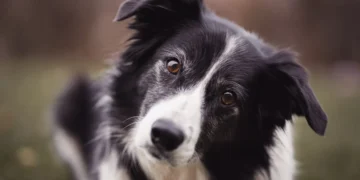
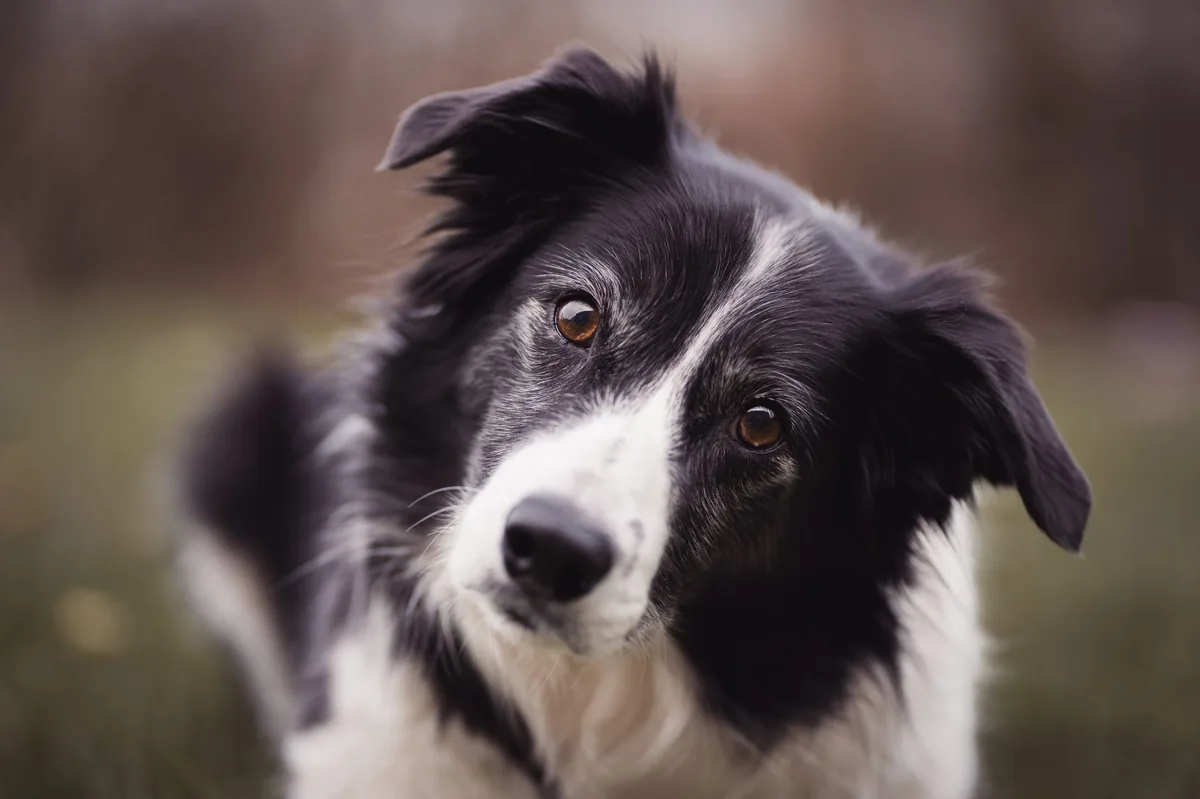
A head tilt in dogs is an observable tilt of the head to one side, usually accompanied by a change in eye alignment or balance. The tilt occurs because the brain’s vestibular system—your dog’s internal “balance and orientation” center—receives mismatched signals from the inner ear, eyes, or neck muscles. When those signals are off, the brain tries to compensate by rotating the head.
Head tilts are fairly common; veterinarians see them in anywhere from 1 % to 5 % of canine patients each year, especially in older dogs where vestibular disease (often called “old‑dog vestibular syndrome”) is more prevalent. However, the same sign can appear in puppies with ear infections or in dogs of any age with trauma or neurological disease.
What causes head tilt in dogs?
- Inner ear infection (otitis media or otitis interna) – bacteria, yeast, or parasites invade the middle or inner ear, inflaming the structures that help maintain balance.
- Idiopathic vestibular disease – the most common cause in senior dogs; the exact trigger is unknown, but it mimics a sudden loss of vestibular function.
- Trauma or head injury – a fall, car accident, or bite can damage the vestibular nerve or inner ear.
- Neurological disorders – brain tumors, encephalitis, or inflammatory diseases (e.g., granulomatous meningoencephalitis) can affect vestibular pathways.
- Ear parasites – Otodectes cynotis (ear mites) are more common in puppies and can cause inflammation leading to a tilt.
- Systemic illnesses – severe hypoglycemia, toxin exposure, or metabolic disorders can produce neurologic signs that include a head tilt.
Signs and symptoms
Most owners notice the tilt first, but it’s often accompanied by other clues that help pinpoint the cause. Below is a quick guide to what you might see.
| Severity | Typical signs |
|---|---|
| Mild | Head tilt, slight eye misalignment (nystagmus), reduced enthusiasm for walks. |
| Moderate | Head tilt plus circling, loss of balance when standing, occasional vomiting, reduced appetite. |
| Severe | Pronounced tilt, persistent nystagmus, inability to stand, frequent vomiting, drooling, facial paralysis. |
Other red‑flag signs that often accompany a tilt include:
- Rapid, uncontrolled eye movements (horizontal or vertical nystagmus).
- Unsteady gait or a tendency to fall over.
- Circling in one direction.
- Ear discharge that is foul‑smelling or yellow‑green.
- Sudden loss of hearing or responsiveness to sounds.
When to call your vet
Call your vet today if you notice any of the following:
- Head tilt lasting more than 24 hours.
- Accompanying ear discharge, especially if it smells foul.
- Vomiting, loss of appetite, or lethargy.
- Sudden loss of balance or repeated falls.
Go to an emergency veterinary hospital right now if you see:
- Severe imbalance that prevents your dog from standing.
- Persistent vomiting or signs of dehydration.
- Sudden facial paralysis, seizures, or collapse.
- Any sign of a traumatic head injury (e.g., from a car accident).
These red flags suggest a potentially life‑threatening condition that needs immediate attention. This article is for information only and does not replace a hands‑on veterinary exam.
How vets diagnose head tilt
Diagnosing the underlying cause starts with a thorough history and physical exam. Your vet will ask when the tilt began, any recent injuries, changes in hearing, and whether your dog has been exposed to ticks or parasites.
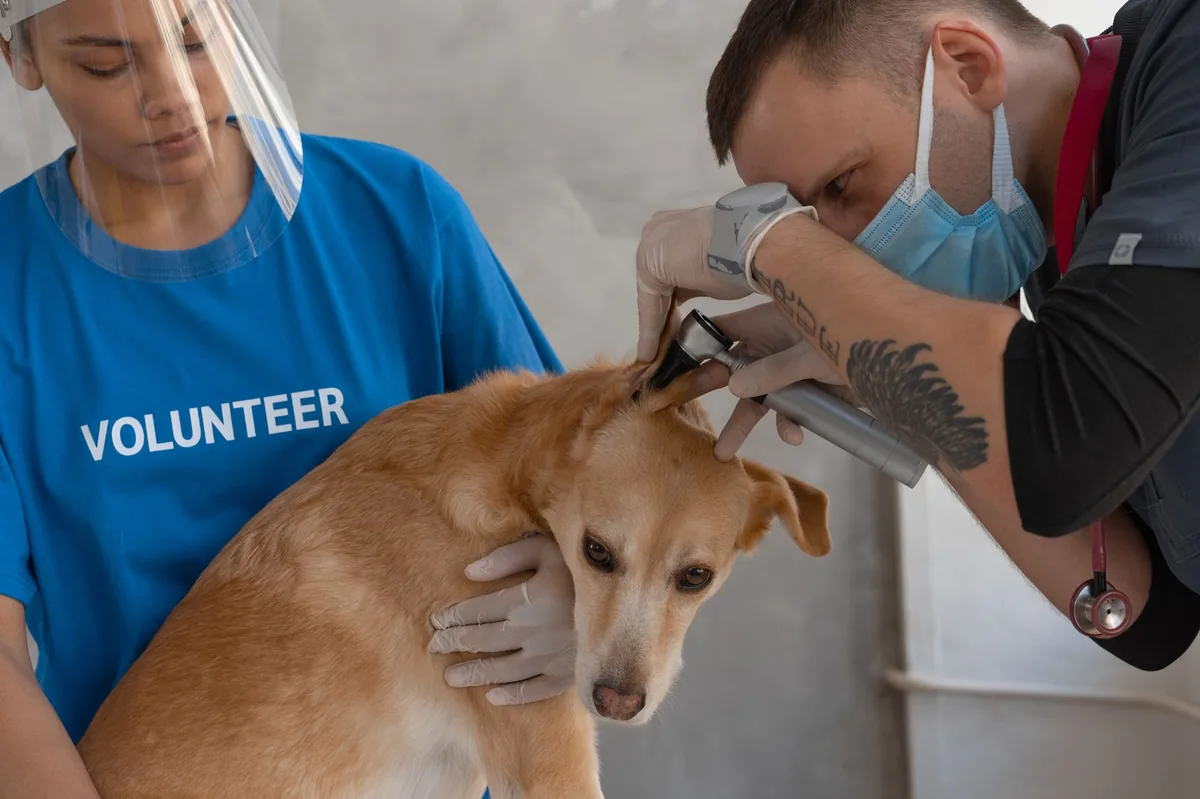
Ear examination – Using an otoscope, the vet looks for inflammation, fluid, or parasites inside the ear canal. Swabs may be taken for cytology or culture.
Neurologic assessment – The vet checks reflexes, gait, and eye movements (nystagmus). This helps differentiate peripheral (inner ear) from central (brain) causes.
Blood work – A CBC and chemistry panel can reveal infections, inflammation, or metabolic disorders that might affect the nervous system.
Imaging – If central disease is suspected, the vet may recommend X‑rays, an MRI, or a CT scan to look at the brain and inner ear structures.
Special tests – In some cases, a vestibular function test (e.g., head‑positioning test) or a BAER (brainstem auditory evoked response) may be performed, especially in breeding dogs.
Treatment options
Medical treatment
When an infection is identified, the vet will prescribe antibiotics (e.g., amoxicillin‑clavulanate) or antifungal drugs (e.g., fluconazole) to clear the pathogen. For inflammatory vestibular disease, anti‑inflammatory medications such as prednisone or a short course of dexamethasone are common. If pain or nausea is present, a vet may add an anti‑emetic like maropitant and a mild analgesic such as gabapentin.
Ask your vet about these medication classes if your dog is diagnosed with an ear infection or vestibular inflammation. Dosages are always weight‑based, so your vet will determine the exact amount.
Supplements and supportive care
While supplements can’t replace prescription drugs, they may aid recovery:
- Omega‑3 fatty acids (EPA/DHA) – Help reduce inflammation in the inner ear and support overall brain health.
- Probiotics – Useful if antibiotics are used, to maintain gut flora and reduce diarrhea.
- Vitamin B‑complex – May assist with nerve function during recovery, especially after vestibular disease.
Always discuss any supplement with your vet, as some can interact with prescribed medications.
Procedures or surgery
In cases of chronic ear infection or severe structural damage, a veterinarian may recommend a tympanectomy (surgical removal of the infected ear tissue) or a total ear canal ablation. These procedures are performed under general anesthesia, require a 2‑week postoperative recovery period, and typically cost between $1,500 USD and $3,000 USD in the United States, depending on the clinic and region.
Diet and nutrition
Nutrition plays a supportive role in recovery, especially when inflammation or infection is involved. While there is no “head‑tilt‑specific” diet, certain feeding strategies can help your dog feel better and aid the healing process.
High‑quality protein – A diet rich in digestible protein provides the amino acids needed for tissue repair. Look for foods that list a named animal protein (e.g., chicken, lamb) as the first ingredient and meet AAFCO nutrient profiles.
Limited‑fat, moderate‑calorie meals – If your dog is less active due to balance issues, a slightly reduced caloric intake can prevent unwanted weight gain. However, avoid drastic calorie cuts that could lead to muscle loss.
Omega‑3 enrichment – Adding a fish‑oil supplement or feeding a kibble formulated with salmon oil can lessen inner‑ear inflammation. Many commercial senior or “joint‑support” formulas already contain EPA/DHA.
Hydration – Nausea and vomiting can lead to dehydration. Offer fresh water frequently, and consider low‑sodium broth or a wet food mix to encourage fluid intake.
Avoid high‑salt foods – Excess sodium can worsen inner‑ear swelling. Keep treats simple—plain cooked chicken, pumpkin, or sweet potato are better choices than processed snacks.
Prescription therapeutic diets – If your vet diagnoses a chronic ear infection or severe inflammation, they may suggest a therapeutic diet formulated for dermatologic or immune support (e.g., Hill’s Prescription Diet Derm Defense). These are not mandatory but can provide added nutrients that boost the immune system.
When transitioning to a new diet, do it gradually over 5–7 days. Mix increasing amounts of the new food with decreasing amounts of the old, monitoring for any gastrointestinal upset.
Sample feeding schedule for a medium‑size dog (20–30 lb) during recovery:
- Morning: ½ cup of high‑quality kibble mixed with ¼ cup of cooked, lean protein.
- Midday: Small snack of pumpkin puree (1 Tbsp) for gut health.
- Evening: ½ cup kibble plus a teaspoon of fish‑oil supplement.
- Throughout the day: Fresh water and occasional low‑sodium broth.
Always tailor portions to your dog’s weight, activity level, and the vet’s recommendations. If your dog is a senior or has kidney concerns, ask your vet about a renal‑support diet that also contains omega‑3s.
Cost and prognosis
Financial considerations can feel overwhelming, but knowing the typical range helps you plan.
| Service | US estimate | UK estimate |
|---|---|---|
| Initial exam + otoscope | $45–$80 | £35–£60 |
| Ear cytology/culture | $30–$70 | £25–£55 |
| Blood work (CBC + chemistry) | $100–$200 | £80–£150 |
| Imaging (X‑ray) | $150–$250 | £120–£220 |
| MRI (if needed) | $1,200–$2,500 | £800–£1,500 |
| Medication (antibiotics/anti‑inflammatories) | $30–$150 (30 days) | £20–£120 |
| Surgery (ear canal ablation) | $1,500–$3,000 | £1,200–£2,500 |
Prognosis varies by cause:
- Idiopathic vestibular disease – Most dogs recover fully within 1–3 weeks; about 80 % return to normal.
- Ear infection – With prompt antimicrobial therapy, 90 % improve within 5–10 days.
- Trauma or tumor – Outcome depends on severity and treatment options; some dogs achieve long‑term stability, others may have a guarded prognosis.
Overall, early veterinary intervention dramatically improves the odds of a full recovery.
Prevention and home care
While some causes (like idiopathic vestibular disease) can’t be prevented, many risk factors are manageable.
- Regular ear cleaning – Use a veterinarian‑approved ear cleanser once a month, especially for dogs with floppy ears that trap moisture.
- Tick and flea control – Prevents tick‑borne diseases that can affect the inner ear. Products recommended by the AAHA and the AVMA are safe for most breeds.
- Prompt treatment of ear mites – If your puppy shows scratching or head shaking, have a vet check for Otodectes cynotis.
- Safe environment – Keep your dog away from hazardous objects that could cause head trauma. Use non‑slip rugs on polished floors.
- Routine veterinary check‑ups – Annual exams catch early ear infections or neurological changes before they become severe.
During recovery, keep your home calm: limit stairs, provide a non‑slippery surface, and use a soft harness or sling if your dog struggles to stand. Gentle physiotherapy—slow, supported walks and balance exercises—can help rebuild vestibular function, but always under veterinary guidance.
From our vet team: “A head tilt is often the first clue that something’s off in the ear or brain. Even if the tilt seems mild, we recommend a prompt vet visit because early treatment can prevent permanent damage. Most owners are surprised how quickly dogs bounce back once the underlying issue is addressed.”
Key takeaways
- A head tilt signals a problem with the ear or brain; don’t ignore it.
- Ear infections, idiopathic vestibular disease, trauma, and neurological disorders are the most common causes.
- Call your vet today for any tilt lasting over 24 hours, ear discharge, vomiting, or loss of balance; seek emergency care for severe imbalance or collapse.
- Diagnosis typically involves an ear exam, blood work, and possibly imaging; treatment ranges from antibiotics to supportive care and, rarely, surgery.
- Recovery is usually rapid for infections and vestibular disease, but the timeline depends on the underlying cause.
- Regular ear cleaning, tick prevention, and safe home environments can reduce the risk of future head tilts.
Myth vs. fact
Myth: A head tilt always means a serious brain tumor.
Fact: Most head tilts are caused by ear infections or vestibular disease, which are treatable and often resolve fully.
Myth: If the tilt is mild, it will go away on its own.
Fact: Even a mild tilt warrants a veterinary exam; untreated ear infections can lead to permanent hearing loss or balance problems.
Myth: Dogs can’t feel pain in their ears.
Fact: The inner ear contains sensitive nerves; infections can be painful and cause noticeable discomfort.
Frequently asked questions
What causes a head tilt in dogs?
A head tilt can result from inner‑ear infections, idiopathic vestibular disease, head trauma, neurological disorders such as brain tumors, or parasites like ear mites.
Is a head tilt in dogs an emergency?
It can be. If your dog shows severe imbalance, cannot stand, is vomiting repeatedly, or you notice rapid progression, seek emergency veterinary care immediately.
Can head tilt be a sign of a brain tumor in dogs?
Yes, but it’s relatively uncommon. Brain tumors usually present with additional signs such as seizures, progressive vision loss, or marked behavioral changes.
How is vestibular disease diagnosed in dogs?
Diagnosis starts with a physical and neurologic exam, ear inspection, and blood work. Imaging (MRI or CT) is used when central causes are suspected, and ear cytology helps identify infections.
What treatments are available for a dog with a head tilt?
Treatment depends on the cause: antibiotics or antifungals for infections, anti‑inflammatories for vestibular disease, supportive care (anti‑emetics, fluid therapy), and, in rare cases, surgery for chronic ear disease.
Will my dog recover from a head tilt and how long does it take?
Most dogs improve within 1–3 weeks. Idiopathic vestibular disease often resolves in 7–14 days, while ear infections may need 5–10 days of medication. Recovery time varies with the underlying cause and how quickly treatment begins.
Ask the PuppaDogs community
Have a question this article didn’t fully answer? Want to compare notes with other dog owners who’ve been through this? Our community forum is moderated by experienced owners and vets — and answers tend to come fast. Ask in the PuppaDogs community →
References
- American Animal Hospital Association (AAHA) 2023 Canine Ear Health Guidelines.
- American Veterinary Medical Association (AVMA) Veterinary Clinical Guidelines for Vestibular Disorders.
- Merck Veterinary Manual, “Ear Infections” and “Vestibular Disease” chapters.
- Cornell University College of Veterinary Medicine, “Canine Otitis Media and Interna” article.
- American College of Veterinary Internal Medicine (ACVIM) Consensus Statement on Canine Neurologic Emergencies, 2022.
- World Small Animal Veterinary Association (WSAVA) Guidelines on Antibiotic Use in Companion Animals.
- Veterinary Clinics of North America: Small Animal Practice, “Idiopathic Vestibular Disease in Dogs,” 2021.


