
















Quick take: Gluten‑sensitive enteropathy (GSE) in Irish Setters is an immune‑mediated gut disorder that causes chronic diarrhea, weight loss, and skin issues. The condition is managed primarily with a strict gluten‑free diet, and most dogs improve within weeks. Early veterinary evaluation, proper testing, and lifelong dietary control are key to a good prognosis.
It’s 9 p.m., and you’ve just noticed your usually‑chatty Irish Setter, Finn, sluggishly lying on the couch, his once‑bright eyes dulled. A quick glance at his gums shows a faint pink, and you’re reminded of the occasional loose stools he’s had over the past month. You start Googling “gluten‑sensitive Irish Setter” and the worry spikes. You’re not alone—many Setters owners face the same confusing mix of GI and skin signs.
Gluten‑sensitive enteropathy (GSE) is a breed‑predisposed form of food‑reactive intestinal inflammation that mimics celiac disease in humans but behaves a bit differently in dogs. While it can sound alarming, most Irish Setters respond well to dietary changes, and with the right care, they can live a full, active life.
In this article we’ll explain what GSE is, why Irish Setters are especially at risk, the signs to watch for, how veterinarians confirm the diagnosis, treatment options (including diet and supplements), cost considerations, long‑term management, and ways to prevent it in puppies. We’ll also give you a clear action plan for when to call your vet.
What is gluten‑sensitive enteropathy?
Gluten‑sensitive enteropathy (GSE) is an immune‑mediated inflammation of the small intestine triggered by gluten—a protein found in wheat, barley, and rye. In Irish Setters, the gut lining becomes damaged, leading to malabsorption of nutrients and a cascade of systemic signs. It’s not the same as classic celiac disease in humans; dogs lack the specific HLA‑DQ2/DQ8 genes, and the condition often overlaps with other food‑reactive enteropathies.
According to the American College of Veterinary Internal Medicine (ACVIM), GSE accounts for roughly 5 % of chronic enteropathy cases in dogs, but Irish Setters appear over‑represented, with breed‑specific studies from the University of Pennsylvania indicating a 3‑ to 4‑fold higher prevalence.

What causes it?
GSE arises from a combination of genetic susceptibility, immune dysregulation, and exposure to gluten proteins. The main contributors are:
- Genetic predisposition: Irish Setters carry a higher frequency of certain MHC‑II alleles linked to gluten reactivity.
- Dietary gluten exposure: Regular kibble, treats, or table scraps containing wheat, barley, or rye.
- Gut microbiome imbalance: Dysbiosis can amplify immune responses to dietary antigens.
- Concurrent skin allergies: Many Setters with GSE also have atopic dermatitis, suggesting a shared immune pathway.
Signs and symptoms
Because the intestines are the primary site, gastrointestinal signs dominate, but skin and systemic clues often appear early.
| Severity | Typical signs |
|---|---|
| Mild | Occasional soft stools, slight flatulence, reduced appetite. |
| Moderate | Frequent loose stools or mild diarrhea, weight loss (5‑10 % body weight), dull coat, mild skin redness. |
| Severe | Chronic watery diarrhea, marked weight loss (>10 %), vomiting, severe pruritus, secondary skin infections, lethargy. |
Other red‑flag signs include: persistent blood in stool, sudden refusal to eat, or a swollen abdomen. These may indicate complications such as protein‑losing enteropathy or secondary infections.
When to call your vet
Call your vet today if you notice any of the moderate signs—especially ongoing loose stools, noticeable weight loss, or skin irritation.
Go to an emergency veterinary hospital right now if your dog shows any of these urgent signs:
- Bloody diarrhea or vomiting.
- Severe dehydration (dry gums, sunken eyes, lethargy).
- Sudden collapse or inability to stand.
These symptoms can quickly become life‑threatening without prompt fluid therapy and supportive care.
This article is for informational purposes only and does not replace professional veterinary advice.
How vets diagnose it
Diagnosing GSE is a stepwise process that rules out other causes of chronic enteropathy.
- History and physical exam: Your vet will ask about diet, symptom timeline, and any skin issues.
- Baseline bloodwork: CBC and chemistry panels check for anemia, protein loss, or organ involvement.
- Fecal tests: Fecal flotation and PCR panels rule out parasites, Giardia, and common bacterial overgrowth.
- Imaging: Abdominal ultrasound may reveal thickened intestinal walls or lymph node changes.
- Food trial: The gold standard—switch to a strict gluten‑free diet for 8‑12 weeks while monitoring signs.
- Endoscopy with biopsy: If the food trial is inconclusive, histopathology can show lymphocytic infiltration consistent with GSE.
The American Veterinary Medical Association (AVMA) recommends the food trial as the first diagnostic step because it is non‑invasive and often therapeutic.
Treatment options
Medical treatment
While diet is the cornerstone, many dogs benefit from adjunct medications to control inflammation and secondary infections.
- Anti‑inflammatory drugs: Prednisone or budesonide are commonly used to dampen intestinal inflammation. Your vet will tailor the dosage to your dog’s weight and severity.
- Immune modulators: Cyclosporine or mycophenolate may be considered for refractory cases.
- Antibiotics: Metronidazole is frequently prescribed to reduce dysbiosis and associated bacterial overgrowth.
- Probiotics: A high‑quality canine probiotic (e.g., Enterococcus faecium) can help restore a healthy gut flora.
Always ask your vet about these options; they will decide which agents are appropriate based on your Setters’ overall health.
Supplements and supportive care
Evidence‑based supplements can aid recovery and maintain gut health:
- Omega‑3 fatty acids (EPA/DHA): Anti‑inflammatory and skin‑supporting; 100 mg per 10 lb body weight is a typical dose, but your vet will adjust.
- Digestive enzymes: Products containing protease, amylase, and lipase can improve nutrient absorption during the transition period.
- Vitamin B complex: Helps counteract deficiencies caused by malabsorption.
Procedures or surgery
Most Irish Setters with GSE do not require surgery. In rare cases where severe ulceration or intestinal obstruction occurs, exploratory laparotomy may be needed. Recovery from abdominal surgery typically involves a 7‑10 day hospital stay, followed by a gradual return to normal activity. Costs for such procedures can range from $2,500–$4,500 (USD) depending on the clinic.
Diet and nutrition
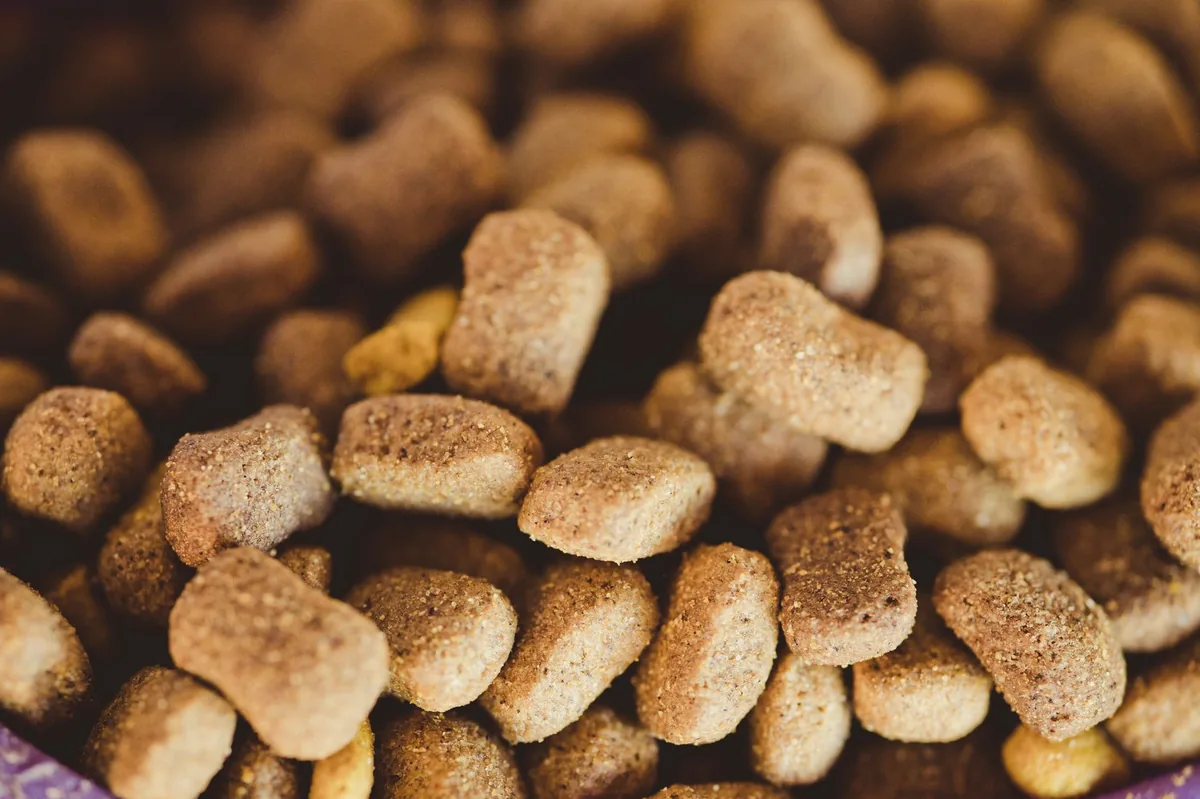
Gluten‑free feeding is the single most effective intervention for GSE. The goal is to eliminate all wheat, barley, and rye proteins while providing a balanced, highly digestible diet.
| Food category | Recommended | Limit or avoid |
|---|---|---|
| Protein source | Fresh chicken, turkey, or novel proteins (e.g., venison, rabbit) | Processed meats with fillers |
| Carbohydrate | Sweet potato, pumpkin, rice, or quinoa | Wheat, barley, rye, and oat‑based products |
| Fats | Fish oil, chicken fat, or coconut oil | Excessive vegetable oil |
| Supplements | Probiotic blends, omega‑3, digestive enzymes | Unnecessary vitamin over‑supplementation |
Many commercial “grain‑free” foods still contain hidden gluten in flavorings or thickeners, so always read the ingredient list. Look for statements such as “no wheat, barley, or rye” and verify that the protein source is the first ingredient.
For a home‑cooked regimen, a typical recipe might be:
- 40 % lean protein (boiled chicken breast)
- 30 % easily digestible carbohydrate (cooked sweet potato)
- 20 % vegetables (green beans, carrots)
- 10 % healthy fat (fish oil)
Transition to the new diet gradually over 5‑7 days to minimize gastrointestinal upset. Begin with 25 % new food mixed with 75 % old, increasing the new portion each day.
If your Setters is a senior or has concurrent kidney issues, consider a therapeutic renal diet that is also gluten‑free—many brands offer such formulas without naming a specific product.
Remember to keep fresh water available at all times and avoid table scraps, especially those containing sauces or gravies that may hide gluten.
Cost and prognosis
Financial considerations are an important part of managing GSE. Below are typical cost ranges in the United States and United Kingdom (prices are estimates and can vary by clinic and region).
| Expense | US (USD) | UK (GBP) |
|---|---|---|
| Initial veterinary workup (bloodwork, fecal test, ultrasound) | $300–$600 | £250–£450 |
| Endoscopy with biopsy (if needed) | $1,200–$2,000 | £900–£1,500 |
| Gluten‑free prescription diet (monthly) | $60–$120 | £45–£90 |
| Medications (e.g., prednisone, probiotics) | $30–$80 per month | £25–£70 per month |
| Insurance coverage (average policy) | 30–50 % of eligible costs | 25–45 % of eligible costs |
Most Irish Setters show marked improvement within 4–8 weeks of strict dietary adherence. Long‑term prognosis is excellent when the diet is maintained; many dogs live normal lifespans without relapse. However, occasional flare‑ups can occur if gluten is inadvertently re‑introduced.
Prevention and home care
Because GSE has a genetic component, prevention starts with informed breeding. Reputable breeders should test for gluten reactivity in their lines and avoid mating two affected dogs.
- Early diet: Feed puppies a gluten‑free starter diet for the first 6 months, especially if there is a family history of GSE.
- Read labels: Even “grain‑free” foods can contain gluten derivatives; always verify ingredient lists.
- Routine monitoring: Weigh your Setters monthly and check stool consistency. A quick “gum check” (gently lifting the lower lip) can reveal pallor.
- Vaccinations & deworming: Keep up to date; a healthy immune system reduces secondary triggers.
For ongoing support, our weight‑monitoring calculator can help you track any subtle changes, and the Dog Questions Answered hub offers quick references on gluten‑free feeding.
From our vet team: “If you catch GSE early and stick to a gluten‑free diet, the outlook is very positive. Most owners are surprised at how quickly energy returns once the gut heals. The toughest part is staying vigilant about hidden gluten in treats and supplements—always double‑check the label.”
Key takeaways
- Gluten‑sensitive enteropathy is an immune‑mediated gut disease common in Irish Setters; diet is the primary treatment.
- Typical signs include chronic loose stools, weight loss, and itchy skin; severe dehydration or blood in stool warrants emergency care.
- Diagnosis relies on a thorough workup and an 8‑12‑week gluten‑free food trial; endoscopic biopsy is reserved for unclear cases.
- Switch to a strictly gluten‑free diet (home‑cooked or vetted commercial) and consider anti‑inflammatory meds or probiotics as advised by your vet.
- Long‑term prognosis is good when gluten exposure is avoided; regular monitoring and careful label reading are essential.
- Breeders should screen for GSE and avoid breeding two affected dogs to reduce hereditary risk.
Myth vs. fact
Myth: All “grain‑free” dog foods are safe for GSE.
Fact: Many grain‑free formulas still contain hidden wheat, barley, or rye derivatives; always verify the ingredient list for gluten‑free certification.
Myth: Irish Setters outgrow gluten sensitivity as they age.
Fact: GSE is a lifelong condition; symptoms may lessen with strict dietary control, but the underlying sensitivity remains.
Myth: You can treat GSE with over‑the‑counter antacids.
Fact: Antacids do not address the immune component of GSE; only a gluten‑free diet and appropriate veterinary meds can control inflammation.
Frequently asked questions
What are the signs of gluten‑sensitive enteropathy in Irish Setters?
Early signs are soft stools, occasional gas, and a dull coat; moderate disease adds frequent diarrhea, weight loss, and mild skin redness; severe cases present with watery diarrhea, vomiting, marked weight loss, and intense itching.
How is gluten‑sensitive enteropathy diagnosed in dogs?
Veterinarians use a stepwise approach: history, bloodwork, fecal testing, imaging, an 8‑12‑week gluten‑free food trial, and, if needed, endoscopic biopsies to confirm intestinal inflammation.
Can an Irish Setter outgrow gluten‑sensitive enteropathy?
No. GSE is a chronic immune condition; while symptoms can improve dramatically with diet, the underlying sensitivity persists throughout life.
What foods should I avoid for a dog with gluten‑sensitive enteropathy?
Avoid any product containing wheat, barley, rye, or their derivatives. This includes most kibble, baked treats, sauces, and many commercial “grain‑free” foods that use hidden gluten as a binder.
Is gluten‑sensitive enteropathy hereditary in Irish Setters?
Yes. Studies from the University of Pennsylvania indicate a genetic predisposition in the breed, so responsible breeding practices aim to reduce its prevalence.
How much does treatment for gluten‑sensitive enteropathy cost?
Initial diagnostics range from $300–$600 (US) or £250–£450 (UK). Ongoing gluten‑free diet expenses are $60–$120 per month, plus any prescribed medications. Insurance may cover 30‑50 % of eligible costs.
Ask the PuppaDogs community
Have a question this article didn’t fully answer? Want to compare notes with other dog owners who’ve been through this? Our community forum is moderated by experienced owners and vets — and answers tend to come fast. Ask in the PuppaDogs community →
References
- American College of Veterinary Internal Medicine (ACVIM). “Guidelines for the Diagnosis and Management of Chronic Enteropathies in Dogs.” 2022.
- American Animal Hospital Association (AAHA). “Nutritional Management of Food‑Responsive Enteropathy.” 2021.
- Merck Veterinary Manual. “Gluten‑Sensitive Enteropathy in Dogs.” Updated 2023.
- University of Pennsylvania School of Veterinary Medicine. “Breed‑Specific Prevalence of Gluten‑Sensitive Enteropathy in Irish Setters.” Journal of Veterinary Internal Medicine, 2020.
- World Small Animal Veterinary Association (WSAVA). “Nutritional Recommendations for Dogs with Food‑Induced Gastrointestinal Disorders.” 2022.
- American Veterinary Medical Association (AVMA). “Food Trials for Chronic Diarrhea.” 2021.
- Veterinary Partner. “Probiotics in Canine Gastrointestinal Health.” 2023.
- International Committee on Standardized Genetic Nomenclature for Dogs. “MHC‑II Alleles Associated with Gluten Reactivity.” 2020.


