
















Quick take: Glucose in a dog’s urine—called glucosuria—usually signals an underlying problem such as diabetes, kidney disease, stress, or medication effects. It can be mild or an emergency; prompt veterinary evaluation is essential to determine the cause and start proper treatment.
It’s 11 p.m., you’re in the kitchen, and your normally energetic Golden Retriever slumps onto the floor, staring at the bowl of water as if it were a mystery. When you check her gums, they look a little paler than usual, and a quick dipstick test you’ve kept in the drawer flashes a bright blue line for glucose. Your heart races. “Is she okay?” you whisper, already Googling “glucose in dog urine.” You’re not alone—many owners stumble onto this question in the middle of the night, and the answer isn’t always crystal clear.
Glucosuria can be a harmless, fleeting finding, or it can be the first clue to a serious condition like diabetes mellitus. In this article we’ll break down exactly what glucose in the urine means, why it happens, what signs to watch for, how vets diagnose the issue, treatment options, costs, and practical steps you can take at home. By the end you’ll know when to call the vet, how to manage your dog’s diet, and what to expect on the road to recovery.
What is glucosuria in dogs?
Glucosuria simply means that glucose (sugar) is present in a dog’s urine. Under normal circumstances, a healthy dog’s kidneys filter blood and reabsorb virtually all glucose, so none appears in the urine. When the kidneys can’t reabsorb all the glucose—because blood glucose is too high, the kidney tubules are damaged, or certain drugs interfere—the excess spills into the urine and shows up on a dip‑stick test.
Glucosuria is not a disease itself; it’s a sign that something else is affecting your dog’s metabolism or kidney function. According to the Merck Veterinary Manual, detectable glucosuria occurs when blood glucose exceeds roughly 180 mg/dL (10 mmol/L), but some dogs with kidney disease can have glucose in the urine even with normal blood sugar levels.
What causes glucosuria?
There are several common reasons a dog may develop glucosuria. Below is a quick overview of the main categories.
| Cause | Typical mechanism | Notes |
|---|---|---|
| Diabetes mellitus | Blood glucose rises above the renal threshold | Most frequent cause; especially in older, overweight dogs |
| Kidney disease | Damaged tubules can’t reabsorb glucose | Can be chronic; may accompany proteinuria |
| Stress or illness | Stress hormones raise blood glucose transiently | Often temporary; resolves when stressor is removed |
| Medications | Drugs like corticosteroids or phenobarbital increase blood glucose | Ask your vet about side‑effects of any meds |
| High‑carb diet | Excessive simple carbs can spike glucose | Rarely sole cause; usually combined with other factors |
Breed predispositions also exist. Large breeds such as Labrador Retrievers, Golden Retrievers, and German Shepherds have a slightly higher incidence of diabetes, while certain terrier breeds may be more prone to kidney issues that lead to glucosuria.
Signs and symptoms
Glucosuria itself isn’t visible, but the underlying condition often produces clinical signs. Below is a guide to what you might notice, from subtle to severe.
| Severity | Typical signs |
|---|---|
| Mild | Increased thirst (polydipsia), slightly more frequent urination (polyuria) |
| Moderate | Weight loss despite normal appetite, lethargy, dry mouth, occasional vomiting |
| Severe | Extreme dehydration, very pale gums, rapid breathing, weakness, possible ketoacidosis |
Many owners first notice a change in drinking habits or a “wet” floor in the house. If your dog also seems less energetic, has a poor coat, or you spot a sweet smell on the breath, those are clues that a metabolic issue may be brewing.
When to call your vet
Call your vet today if you observe any of the following:
- Persistent increased thirst or urination lasting more than 24 hours.
- Noticeable weight loss or a change in appetite.
- Vomiting, diarrhea, or a sweet/acetone odor on the breath.
Go to an emergency veterinary clinic right now if you see any of these red‑flag signs:
- Very pale or white gums, indicating possible severe dehydration.
- Weakness, stumbling, or collapse.
- Rapid breathing or signs of ketoacidosis (e.g., fruity breath, confusion).
This information is for educational purposes only and does not replace professional veterinary care.
How vets diagnose glucosuria
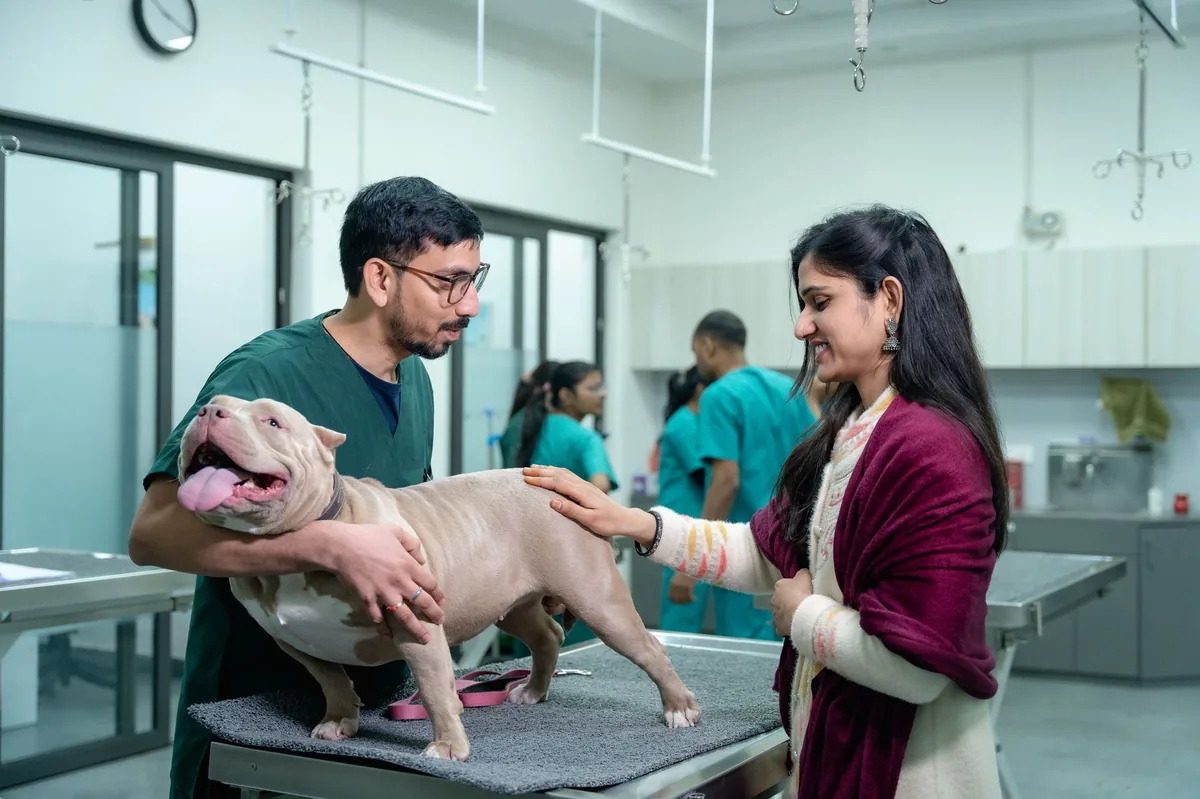
When you bring your dog in, the veterinarian will follow a systematic work‑up:
- History and physical exam: The vet asks about drinking, urination, appetite, and any recent stressors, then checks gums, weight, and overall demeanor.
- Urine dipstick: A quick test that detects glucose, protein, and other markers. A positive glucose strip prompts further testing.
- Blood glucose measurement: A finger‑prick or lab sample determines if the blood sugar is high enough to cause glucosuria.
- Complete blood count (CBC) and chemistry panel: These labs assess kidney function (creatinine, BUN), liver enzymes, and overall health.
- Fructosamine or HbA1c: These tests give an average blood glucose over the past 2–3 weeks, useful for diagnosing diabetes.
- Imaging (ultrasound or X‑ray): If kidney disease is suspected, imaging helps evaluate kidney size and structure.
The combination of urine and blood results lets the vet pinpoint whether the glucosuria stems from diabetes, renal disease, stress, or medication.
Treatment options
Medical treatment
If diabetes is the culprit, insulin therapy is the cornerstone. Your vet will prescribe a basal or rapid‑acting insulin based on weight and glucose trends. For kidney disease, treatment focuses on managing blood pressure, reducing protein loss, and sometimes using phosphate binders. Stress‑related glucosuria often resolves once the underlying stressor is removed, but if corticosteroids are involved, your vet may adjust the dose or switch to a different drug.
Other medications you might hear about include:
- Glucocorticoid‑sparing agents (e.g., cyclosporine) for immune‑mediated kidney disease.
- ACE inhibitors (e.g., enalapril) to protect kidney function.
- Antibiotics if a urinary tract infection is present.
Ask your vet about each option; dosages are always weight‑based and tailored to your dog’s condition.
Supplements and supportive care
Evidence‑based supplements can help alongside medical therapy:
- Omega‑3 fatty acids (EPA/DHA): Reduce inflammation in diabetic kidneys and support heart health. Look for veterinary‑grade fish oil.
- Alpha‑lipoic acid: An antioxidant that may improve insulin sensitivity in diabetic dogs, though evidence is modest.
- Probiotics: Helpful if your dog has concurrent gastrointestinal upset, supporting gut flora during dietary changes.
Always discuss supplement choices with your vet to avoid interactions.
Procedures or surgery
In rare cases where kidney disease progresses to end‑stage renal failure, dialysis or renal transplantation (available at a few specialty centers) may be considered. These are high‑cost, intensive options and are discussed only after thorough evaluation.
Diet and nutrition
Nutrition is a powerful tool in managing glucosuria, whether it’s driven by diabetes, kidney disease, or a high‑carb diet. Below are practical guidelines you can start implementing today.
Choose foods that stabilize blood glucose. Look for diets labeled “moderate carbohydrate, high fiber, and high-quality protein.” These formulas slow glucose absorption and help maintain a steady blood sugar level. Many veterinary schools, including Cornell’s College of Veterinary Medicine, recommend feeding multiple small meals rather than one large meal to avoid spikes.
For diabetic dogs, a prescription renal‑diabetic diet (often called “renal‑diabetes” or “low‑glycemic” therapeutic food) can address both glucose control and kidney health. Brands vary, but the key is a moderate‑to‑low starch content, added omega‑3s, and controlled phosphorus.
Foods to limit or avoid:
- High‑sugar treats (e.g., baked goods, table scraps with honey or fruit juice).
- Excessive grain‑based kibble that contains simple carbs.
- Fatty table scraps that can exacerbate insulin resistance.
- Foods high in sodium, which can worsen kidney disease.
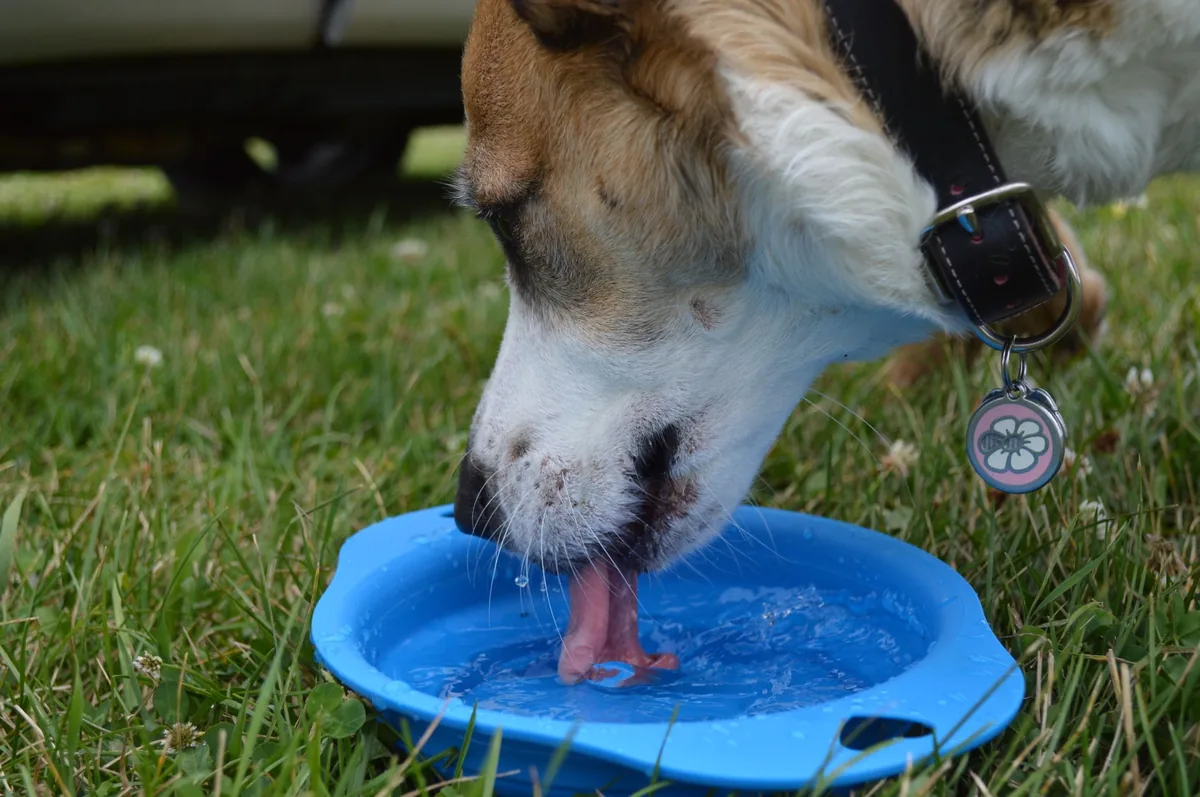
Hydration matters. Encourage fresh water at all times. For dogs on a low‑protein renal diet, adding a splash of low‑sodium broth can make water more appealing.
When transitioning to a new diet, do it gradually over 7–10 days: mix 25 % new food with 75 % old food, then increase the new food proportion each few days. This helps prevent gastrointestinal upset.
Below is a quick reference you can keep on your fridge.
| Do feed | Limit | Avoid |
|---|---|---|
| High‑quality protein (chicken, turkey, fish) | Grain‑based kibble (moderate) | Sweet treats, table scraps with sugar |
| Fiber‑rich vegetables (green beans, pumpkin) | High‑fat snacks | Excessive salt |
| Omega‑3 supplement (vet‑grade fish oil) | Large meals (once daily) | Raw foods high in simple carbs |
Remember, every dog is unique. Your vet may suggest a specific therapeutic diet or tailor portion sizes based on your dog’s weight, activity level, and lab results. Regular re‑checks (every 3–6 months for diabetic dogs) help fine‑tune the feeding plan.
Cost and prognosis
Financial considerations are part of any pet health decision. Below are typical cost ranges for the United States and the United Kingdom, based on data from the AAHA and veterinary practice surveys.
| Service | US (estimate) | UK (estimate) |
|---|---|---|
| Initial urine dipstick & blood glucose | $30–$60 | £25–£45 |
| Comprehensive blood panel (CBC, chemistry) | $120–$200 | £80–£150 |
| Fructosamine test | $40–$70 | £30–£60 |
| Insulin therapy (first month) | $50–$150 (drug) + $20–$40 (syringe) | £40–£120 (drug) + £15–£30 (syringe) |
| Renal diet (monthly) | $40–$80 | £30–£70 |
Prognosis depends on the root cause. Dogs with well‑controlled diabetes can live 10 years or more with proper insulin, diet, and monitoring. Kidney disease carries a more guarded outlook; early detection and dietary management can extend quality‑of‑life months to years. Stress‑related glucosuria usually resolves quickly once the trigger is removed.
Prevention and home care
While you can’t prevent every case of glucosuria, many risk factors are modifiable:
- Maintain a healthy weight: Obesity increases insulin resistance. Aim for a body condition score (BCS) of 4–5/9.
- Regular veterinary check‑ups: Annual blood work and urinalysis catch early kidney changes.
- Balanced diet: Follow the feeding guidelines discussed above, and avoid excessive treats.
- Stress reduction: Provide a stable routine, safe space, and mental enrichment (puzzle toys, walks).
- Medication review: If your dog is on steroids or other glucose‑raising drugs, ask your vet about alternatives.
At home, monitor your dog’s water intake and bathroom habits. A simple “pee‑log” (date, time, volume) can help spot changes early. If you notice a pattern of increased thirst or urination, schedule a vet visit promptly.
From our vet team: Glucosuria is often a red flag that a deeper metabolic issue is brewing. The best first step is a quick urine dipstick, but don’t stop there—blood work, a thorough exam, and a conversation about diet and lifestyle will give you the roadmap to keep your dog thriving.
Key takeaways
- Glucose in urine (glucosuria) usually indicates high blood sugar, kidney disease, stress, or medication effects.
- Common signs include increased thirst, frequent urination, weight loss, and lethargy.
- Immediate veterinary evaluation is needed if your dog shows pale gums, weakness, or rapid breathing.
- Diagnosis combines urine dipstick, blood glucose, and comprehensive blood panels.
- Treatment may involve insulin, kidney‑supportive drugs, diet changes, and supportive supplements.
- Maintaining a healthy weight, regular check‑ups, and a balanced low‑carb diet are key prevention strategies.
Myth vs. fact
Myth: A single positive urine dipstick for glucose always means your dog has diabetes.
Fact: Glucosuria can result from several conditions; a blood glucose test is required to confirm diabetes.
Myth: High‑carb foods are the sole cause of glucose in a dog’s urine.
Fact: While diet influences blood sugar, underlying diseases like diabetes or kidney dysfunction are far more common triggers.
Myth: If a dog’s urine tests positive for glucose, the condition is untreatable.
Fact: Most causes—especially diabetes and early kidney disease—are manageable with medication, diet, and lifestyle changes.
Frequently asked questions
Why is there sugar in my dog’s pee?
Glucose appears in urine when blood sugar exceeds the kidneys’ reabsorption capacity or when kidney tubules are damaged. Diabetes is the most common cause, but stress, certain drugs, and kidney disease can also lead to glucosuria.
What are the symptoms of glucosuria in dogs?
Typical signs include increased thirst and urination, weight loss despite a normal appetite, lethargy, and in severe cases, pale gums and rapid breathing. The underlying disease often dictates the exact symptom pattern.
How is glucosuria diagnosed by a vet?
The vet starts with a urine dipstick test, then measures blood glucose, runs a full blood chemistry panel, and may order fructosamine or HbA1c tests to assess average glucose levels. Imaging may be used if kidney disease is suspected.
Can a high‑carb diet cause glucose in a dog’s urine?
A diet rich in simple carbohydrates can raise blood glucose, potentially leading to glucosuria, especially in dogs predisposed to diabetes. However, diet alone rarely causes persistent glucosuria without an underlying metabolic issue.
When should I be concerned about glucose in my dog’s urine?
Any positive glucose dipstick warrants a veterinary visit. Seek emergency care if your dog shows pale gums, weakness, or signs of ketoacidosis such as a fruity breath odor.
What is the typical cost of treating glucosuria in dogs?
Initial testing (urine dipstick, blood glucose) costs $30–$60 in the US. Comprehensive labs add $120–$200, and insulin therapy starts around $50–$150 per month. Costs vary by region and disease severity.
Ask the PuppaDogs community
Have a question this article didn’t fully answer? Want to compare notes with other dog owners who’ve been through this? Our community forum is moderated by experienced owners and vets — and answers tend to come fast. Ask in the PuppaDogs community →
References
- American Animal Hospital Association (AAHA) 2023 Guidelines for Diabetes Management in Dogs.
- American Veterinary Medical Association (AVMA) – Canine Diabetes Mellitus Overview.
- Merck Veterinary Manual, “Glucosuria” entry.
- Cornell University College of Veterinary Medicine – Dietary Management of Canine Diabetes.
- UC Davis School of Veterinary Medicine – Chronic Kidney Disease in Dogs.
- World Small Animal Veterinary Association (WSAVA) – Guidelines for Urinalysis in Small Animals.
- American College of Veterinary Internal Medicine (ACVIM) – Consensus Statement on Renal Disease.


