











Quick take: Gastric Dilatation‑Volvulus (GDV) syndrome is a life‑threatening emergency where a dog’s stomach fills with gas and twists on itself. It most often hits large, deep‑chested breeds, and rapid vet care—usually surgery—is essential for survival. Early signs include a distended abdomen, restlessness, and attempts to vomit without producing anything.
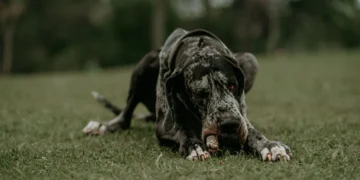
It’s 11 p.m., and your Great Dane is hunched over the kitchen floor, whining and pawing at his own belly. You notice his stomach looks balloon‑like, and he can’t bring up any food or water. Your heart races as you search “dog stomach emergency” on your phone. The bottom line: GDV can kill a dog in minutes, but timely surgery and supportive care give many dogs a chance to recover.
In this article we’ll explain what GDV really is, why it happens, how to spot it early, what the emergency work‑up looks like, and the full range of treatment options—from life‑saving surgery to post‑op nutrition. We’ll also break down typical costs, outline proven prevention strategies, and give you a clear action plan for the next few hours and the weeks after surgery.
Whether you’re a first‑time owner of a towering mastiff or a seasoned rescuer of a senior Labrador, the information here is meant to help you act fast, talk confidently with your vet, and feel less alone in a scary moment.
What is Gastric Dilatation‑Volvulus (GDV) syndrome?
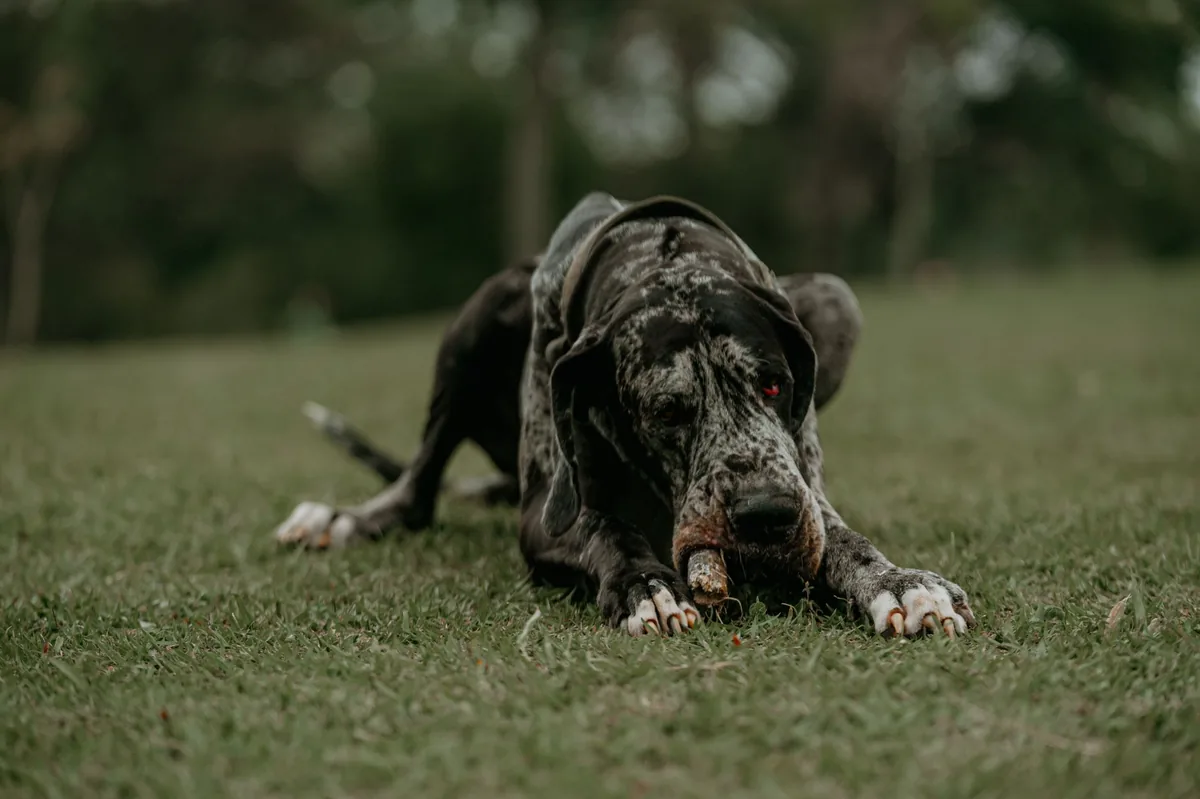
GDV stands for gastric dilatation‑volvulus. In plain language, the dog’s stomach suddenly fills with gas, fluid, or food (dilatation) and then twists around its own axis (volvulus). This twist cuts off blood flow to the stomach and traps gas, turning a simple bloat into a surgical emergency.
GDV is relatively rare but highly serious. The American College of Veterinary Surgeons (ACVS) estimates that about 1 in 500 large, deep‑chested dogs will develop GDV at some point in their lives. Most cases occur in dogs weighing over 45 lb (20 kg) and are most common in breeds such as Great Danes, German Shepherds, Standard Poodles, and Weimaraners.
What causes GDV?
GDV is multifactorial—several risk factors often line up before the stomach twists.
| Category | Key Factors |
|---|---|
| Breed & anatomy | Deep‑chested, large breeds; long, narrow stomach shape |
| Feeding habits | One large meal a day, rapid eating, high‑fat or high‑carbohydrate meals |
| Genetics & age | Inherited predisposition; typically middle‑aged (5–7 years) but can occur at any age |
| Other triggers | Stress, vigorous exercise after eating, gastrointestinal parasites, anesthesia |
Genetics play a role, but lifestyle choices—especially how you feed your dog—can dramatically lower the risk.
Signs and symptoms
Early GDV signs can be subtle, so watching for a pattern is crucial.
| Severity | Typical signs |
|---|---|
| Mild | Restlessness, pacing, drooling, attempts to vomit without producing material |
| Moderate | Visible abdominal distention (balloon‑like), difficulty breathing, weak pulse, pale gums |
| Severe | Collapse, shock (cold limbs, rapid heartbeat), no response to stimulation, black or tarry stool |
Key red‑flag signs include a hard, swollen belly, repeated retching, and a sudden change in behavior. If you notice any combination of these, treat it as an emergency.
When to call your vet
Call your regular vet today if: you see a mildly distended abdomen, the dog is restless, or there are repeated attempts to vomit without any material.
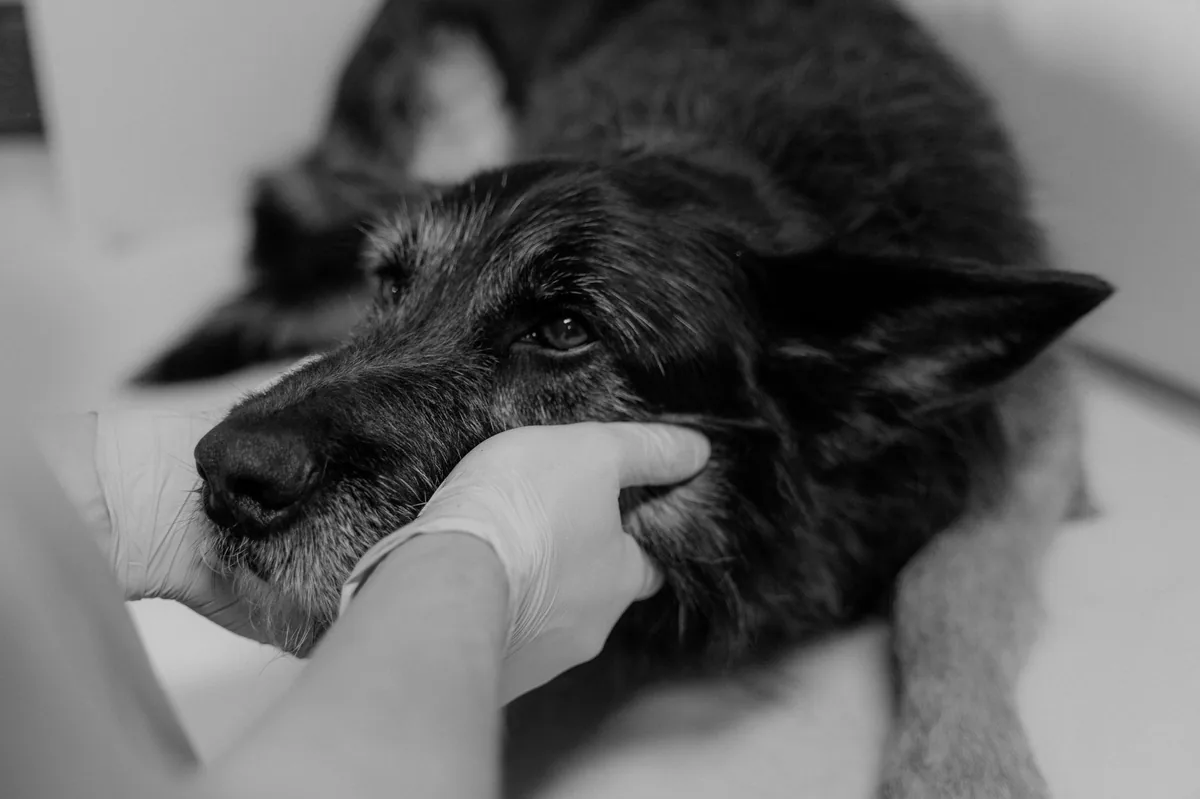
Go to an emergency veterinary hospital right now if: the abdomen is markedly swollen, the dog looks pale or weak, is struggling to breathe, or you notice any sign of shock (cold limbs, rapid heartbeat, collapse).
Remember: This article is for information only and does not replace professional veterinary care. If you suspect GDV, seek help immediately.
How vets diagnose GDV
Veterinarians use a combination of history, physical exam, and imaging to confirm GDV.
- Physical exam: The vet will palpate the abdomen, listen for heart and lung sounds, and assess gum color and capillary refill.
- Radiographs (X‑rays): A plain abdominal X‑ray is the gold standard. It shows a “double‑bubble” or “gas‑filled stomach” and the location of the twist.
- Ultrasound: In some cases, an ultrasound can demonstrate the twisted stomach and assess blood flow.
- Blood work: CBC and chemistry panels reveal dehydration, electrolyte imbalances (especially low potassium), and organ function.
These tests guide the urgency of surgery and help the surgical team prepare for potential complications.
Treatment options
Medical treatment
Initial emergency care focuses on stabilizing the dog before surgery.
- Fluid therapy: Intravenous (IV) fluids correct dehydration and electrolyte disturbances.
- Decompressive tube: A gastric tube or needle can release trapped gas, relieving pressure.
- Medications: Antiemetics (e.g., maropitant), analgesics, and antibiotics are often given. Ask your vet about these options.
Medical management alone cannot untwist the stomach; surgery is required to resolve the volvulus.
Supplements and supportive care
While supplements do not replace surgery, certain adjuncts can aid recovery after the stomach is untwisted.
- Omega‑3 fatty acids (EPA/DHA): May reduce inflammation and support gut healing. Look for a high‑quality fish‑oil supplement.
- Probiotics: Can help re‑establish normal intestinal flora after antibiotics and stress.
- Vitamin B‑complex: May assist with metabolic recovery if the dog was severely dehydrated.
Always discuss supplement use with your vet, as some can interfere with medications.
Procedures or surgery
The definitive treatment is an exploratory laparotomy (open abdominal surgery) to untwist the stomach and assess its viability.
- Gastric reposition (untwist): The surgeon manually rotates the stomach back to its normal position.
- Gastropexy: A preventive stitch or mesh is placed to anchor the stomach to the abdominal wall, reducing the chance of future volvulus. This is now standard of care for any dog undergoing GDV surgery.
- Stomach assessment: If the stomach tissue is damaged, a partial gastrectomy may be required.
Typical surgery lasts 1–2 hours, followed by several days of intensive care in the ICU. Recovery at home usually takes 2–4 weeks, with gradual return to normal activity.
Diet and nutrition
Nutrition plays a pivotal role both in preventing GDV and supporting recovery after surgery. Below is a practical guide you can start using tonight.
- Feed multiple small meals: Instead of one large bowl, split daily calories into 2–3 portions spaced at least 3 hours apart. This reduces gastric volume and pressure.
- Use a slow‑feed bowl or puzzle feeder: These devices slow down eating, preventing rapid ingestion of air and food.
- Choose highly digestible protein sources: Foods with chicken, turkey, or fish are easier on the stomach than high‑fat or high‑fiber diets.
- Avoid high‑fat meals: Fat slows gastric emptying. If you feed a commercial diet, check the guaranteed analysis—keep fat under 15% of calories.
- Consider therapeutic “gastro‑protective” diets: Prescription diets formulated for large‑breed dogs (e.g., renal or gastrointestinal formulas) often have lower fat and higher fiber, which can help maintain steady gastric emptying.
- Limit treats before exercise: Give treats at least an hour before a walk or play session, and avoid vigorous activity right after meals.
- Hydration: Fresh water should always be available, but don’t let your dog drink large amounts immediately after a meal.
During the post‑operative period, your vet may recommend a bland diet—boiled chicken and white rice or a commercial gastrointestinal recovery formula—for the first 3–5 days. Feed small, frequent meals (e.g., 4–6 times daily) and gradually transition back to the regular diet over 2 weeks.
Here’s a quick reference table:
| Do feed | Limit | Avoid |
|---|---|---|
| Multiple small meals of high‑quality protein | High‑fat treats | One large meal per day |
| Slow‑feed bowls or puzzle feeders | Very large chew bones | Heavy, greasy foods |
| Fresh water, offered in small amounts after meals | Free‑access feeding | Excessive water right after eating |
Following these guidelines not only cuts GDV risk but also promotes overall digestive health—a win‑win for any large‑breed companion.
Cost and prognosis
GDV surgery is expensive because it involves emergency care, anesthesia, intensive postoperative monitoring, and often a gastropexy.
| Item | US estimate | UK estimate |
|---|---|---|
| Emergency ER visit (initial stabilization) | $500‑$1,200 | £300‑£800 |
| Surgical correction (untwist + gastropexy) | $3,000‑$5,500 | £2,000‑£4,000 |
| ICU care (first 24‑48 hrs) | $800‑$2,000 | £500‑£1,500 |
| Follow‑up labs and meds (first week) | $200‑$400 | £100‑£250 |
| Total typical cost | $4,500‑$9,000 | £3,000‑£6,500 |
These figures are averages; exact costs depend on your location, the dog’s size, and any complications. Many owners finance care through veterinary payment plans or pet insurance—check with your provider.
Prognosis has improved dramatically. According to the ACVS, survival rates for dogs that receive prompt surgical correction are about 70–90 % for healthy adults, and 50–70 % for senior or comorbid dogs. Long‑term quality of life is usually excellent if the stomach remains viable and the dog receives proper after‑care.
Prevention and home care
Preventing GDV is a combination of feeding strategy, lifestyle tweaks, and sometimes prophylactic surgery.
- Feed multiple meals: Split daily calories into at least two portions.
- Use a slow‑feed bowl: This reduces gulping of air.
- Avoid vigorous exercise after meals: Wait at least an hour before a walk or play.
- Consider prophylactic gastropexy: For high‑risk breeds, many vets recommend a preventive gastropexy performed at the same time as spay/neuter or another routine surgery.
- Monitor weight: Overweight dogs have higher intra‑abdominal pressure, increasing GDV risk.
- Regular vet check‑ups: Annual exams can catch early gastrointestinal issues that might predispose to GDV.
By integrating these habits, you give your large‑breed companion a solid defense against a potentially fatal condition.
From our vet team: “If you ever feel your dog’s belly look like a balloon, don’t wait for the next morning. Call an emergency clinic right away—time is the difference between a rescue and a loss. Even if you’ve never heard of GDV before, the signs are unmistakable, and early surgery can give your dog a full, happy life afterward.”
Key takeaways
- GDV is a rapid, life‑threatening emergency where the stomach fills with gas and twists.
- Large, deep‑chested breeds are most at risk; feeding one big meal a day greatly increases the chance.
- Early signs include a swollen abdomen, restlessness, and attempts to vomit without producing anything.
- If you suspect GDV, seek emergency veterinary care immediately—delays lower survival odds.
- Surgical untwisting plus gastropexy is the standard treatment; recovery usually takes 2–4 weeks.
- Prevent GDV by feeding multiple small meals, using slow‑feed bowls, avoiding post‑meal exercise, and considering a prophylactic gastropexy.
Myth vs. fact
Myth: GDV only happens to “giant” dogs.
Fact: While large, deep‑chested breeds are most vulnerable, any dog over 45 lb can develop GDV, especially if fed improperly.
Myth: “Bloat” and GDV are the same thing.
Fact: Bloat (simple gastric dilatation) is an enlarged stomach without twisting; GDV includes the dangerous twist that cuts off blood flow.
Myth: A dog can recover from GDV without surgery.
Fact: Surgery is required to untwist the stomach; medical therapy alone cannot correct the volvulus.
Frequently asked questions
What are the warning signs of GDV in my dog?
The quickest way to spot GDV is a balloon‑like abdomen combined with restlessness, drooling, and repeated attempts to vomit that produce no material. Pale gums, a rapid heartbeat, and difficulty breathing are late‑stage red flags.
How quickly does GDV become life‑threatening?
GDV can cause severe shock within 30 minutes to a few hours. The longer the stomach remains twisted, the greater the risk of tissue death and fatal complications.
Can GDV be treated without surgery?
No. While emergency measures (decompression, fluids) stabilize the dog, only surgical untwisting and gastropexy can resolve the volvulus and prevent recurrence.
What is the typical cost of emergency GDV surgery?
In the United States, total costs—including ER stabilization, surgery, ICU care, and first‑week follow‑up—average $4,500‑$9,000. In the United Kingdom, expect £3,000‑£6,500. Exact figures depend on your location, dog size, and any complications.
Which dog breeds are most at risk for GDV?
Great Danes, German Shepherds, Standard Poodles, Weimaraners, and other large, deep‑chested breeds have the highest incidence. Any dog over 45 lb (20 kg) with a barrel‑shaped chest should be considered at elevated risk.
How can I prevent GDV in my large‑breed dog?
Feed multiple small meals using a slow‑feed bowl, avoid vigorous activity right after meals, keep your dog at a healthy weight, and discuss a prophylactic gastropexy with your vet, especially for high‑risk breeds.
Ask the PuppaDogs community
Have a question this article didn’t fully answer? Want to compare notes with other dog owners who’ve been through this? Our community forum is moderated by experienced owners and vets — and answers tend to come fast. Ask in the PuppaDogs community →
References
- American College of Veterinary Surgeons (ACVS). “Gastric Dilatation‑Volvulus (GDV) in Dogs.” 2023.
- American Animal Hospital Association (AAHA). “Emergency and Critical Care Guidelines.” 2022.
- Merck Veterinary Manual. “Gastric Dilatation‑Volvulus.” Updated 2023.
- World Small Animal Veterinary Association (WSAVA). “Nutrition Recommendations for Large‑Breed Dogs.” 2021.
- Veterinary Clinics of North America: Small Animal Practice. “Prophylactic Gastropexy in High‑Risk Breeds.” 2022.
- American Veterinary Medical Association (AVMA). “Understanding Bloat vs. GDV.” 2022.
- Cornell University College of Veterinary Medicine. “Post‑operative Care after GDV Surgery.” 2023.


