














Quick take: Front leg injuries in dogs range from mild sprains to serious fractures. Mild injuries can often be managed at home with rest and vet‑guided pain relief, while fractures usually need imaging and surgery. Prompt veterinary care, proper nutrition, and gradual rehab give most dogs a good chance of full recovery.
It’s late on a Tuesday night and you notice your normally boisterous golden retriever, Max, hesitating at the front door. He’s favoring his right fore‑paw, and when you gently press the joint, his leg trembles. Your heart races as you wonder: “Is this just a sprain, or could it be something worse like a fracture?” You’ve read a few articles, but the information feels scattered and the pictures are either too graphic or too vague.
We get it. A front leg injury can feel urgent, especially when you hear the words “fracture” or “dislocation.” The good news is that most front‑leg problems are treatable, and with the right steps you can help Max feel comfortable while your vet determines the exact cause. Below we’ll walk through what a front leg injury is, how to spot the signs, what your vet will do to diagnose it, treatment pathways, costs, nutrition, and ways to keep your active companion safe.
What is front leg injury in dogs?
A front leg injury refers to any trauma or disease affecting the bones, joints, muscles, tendons, or ligaments of a dog’s fore‑limbs. The most common types are:
- Fracture: a break in one of the bones (radius, ulna, humerus, carpal bones).
- Sprain: stretching or tearing of a ligament without bone involvement.
- Ligament tear: a more severe rupture, often of the cranial cruciate (though that’s more common in hind legs) or the shoulder’s biceps tendon.
- Dislocation (luxation): a joint is forced out of its normal position.
- Soft‑tissue strain: muscle fibers are overstretched or torn.
Front‑leg injuries can happen to any dog, but active breeds such as Border Collies, Labrador Retrievers, and Jack Russell Terriers are seen more often because they jump, sprint, and play rough. Senior dogs may also be prone due to arthritis or bone thinning (osteoporosis). According to the American Animal Hospital Association (AAHA), musculoskeletal injuries make up roughly 15 % of all canine emergency visits, with fore‑limb problems accounting for about one‑third of those cases.
What causes it?
Understanding the root cause helps you reduce future risk. Injuries fall into three broad categories:
| Category | Typical Causes |
|---|---|
| Traumatic | Falls from heights, collisions with cars, being stepped on, rough play, or jumping from furniture. |
| Overuse/Strain | Repetitive high‑impact activities (agility, fetch), sudden pivots, or inadequate warm‑up before exercise. |
| Degenerative/Pathologic | Age‑related arthritis, osteoporosis, bone tumors, or metabolic bone disease (e.g., rickets). |
Breed‑specific anatomy can also influence risk. Large‑breed puppies with rapid growth may develop growth‑plate injuries, while brachycephalic breeds (e.g., Bulldogs) sometimes suffer from abnormal limb conformation that stresses the shoulder joint.
Signs and symptoms
Front‑leg injuries often present a mix of visual cues and behavioral changes. Early or mild signs may be subtle, while severe cases can be alarming.
| Severity | Signs |
|---|---|
| Mild | Limping that improves with rest, slight swelling, reluctance to bear weight, whining when the leg is touched. |
| Moderate | Persistent limp, obvious swelling or bruising, reduced range of motion, reluctance to jump or climb stairs, visible deformity of the joint. |
| Severe | Complete inability to place weight on the leg, severe swelling, open wound, visible bone protrusion, pale gums (sign of shock), rapid breathing. |
Other clues include changes in gait (walking on three legs), decreased activity, and behavioral signs such as irritability or whining when the area is examined. If you notice any of the severe signs, treat it as an emergency.
When to call your vet
Call your vet today if you see:
- Limping that doesn’t improve after 24 hours of rest.
- Swelling, bruising, or a noticeable bump.
- Reluctance to bear weight on the leg.
- Whining, crying, or signs of pain when the area is touched.
Go to an emergency veterinary hospital right now if you notice:
- Complete inability to place weight on the leg.
- Visible bone protrusion or an open wound.
- Pale or white gums, rapid breathing, or signs of shock.
- Severe swelling that’s rapidly increasing.
These guidelines are for information only and are not a substitute for professional veterinary care. If you’re ever in doubt, err on the side of caution and contact your vet.
How vets diagnose it
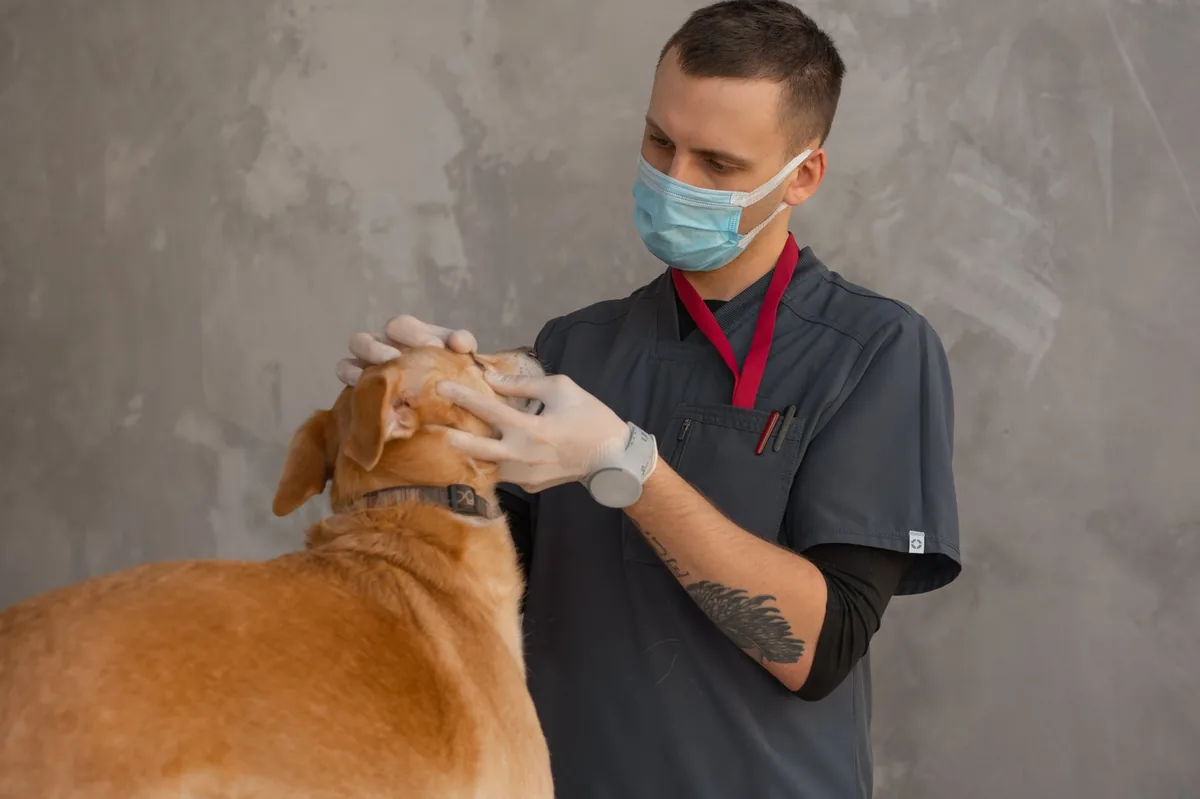
Diagnosis starts with a thorough history: when the injury occurred, what activity was involved, and any prior joint issues. The physical exam includes checking gait, palpating the limb for pain, swelling, and joint stability.
Imaging options help pinpoint the exact problem:
- Radiographs (X‑rays): first‑line for detecting fractures, dislocations, and severe arthritis.
- Advanced imaging: CT scans give 3‑D detail of complex fractures; MRI is best for soft‑tissue injuries like ligament tears.
- Ultrasound: can assess tendon integrity and fluid accumulation.
- Joint aspiration: fluid is drawn from the joint to look for infection or inflammation.
If the injury is complex, your vet may refer you to a veterinary orthopedic specialist. The specialist can also recommend a tailored rehabilitation plan.
Treatment options
Medical treatment
Most front‑leg injuries begin with pain control and inflammation reduction. Common drug classes include:
- Non‑steroidal anti‑inflammatory drugs (NSAIDs): such as carprofen, meloxicam, or deracoxib. Your vet will choose the appropriate one based on your dog’s health status.
- Opioids: for moderate to severe pain (e.g., tramadol or buprenorphine) during the first few days.
- Antibiotics: if there’s an open wound or risk of infection.
- Immunosuppressants: rarely needed for injury, but may be used if an underlying immune‑mediated condition is discovered.
Ask your vet about these options and any potential side effects. In most cases, medication is combined with rest and controlled activity.
Supplements and supportive care
Adjunct supplements can aid recovery, especially when the injury involves joints or bone:
- Omega‑3 fatty acids (EPA/DHA): reduce inflammation and support joint health.
- Glucosamine & chondroitin: may help maintain cartilage integrity during rehab.
- Vitamin C and Vitamin D: support collagen formation and calcium metabolism, but only give products formulated for dogs.
- Probiotics: can keep gut health stable while your dog is on a reduced‑activity regimen.
Supplements are most beneficial when paired with proper nutrition; they’re not a replacement for veterinary‑prescribed medication.
Procedures or surgery
When imaging shows a fracture, severe dislocation, or a complete ligament rupture, surgical intervention is often recommended. Common procedures include:
- Internal fixation: plates, screws, or pins hold broken bones together.
- External fixation: a frame outside the limb, used for complex or contaminated fractures.
- Joint stabilization: techniques such as the modified-Thomas or TightRope for ligament repairs.
Post‑operative care involves strict confinement, controlled physiotherapy, and regular re‑checks. Most dogs stay in the hospital for 24–48 hours for pain monitoring, then go home with clear instructions.
Diet and nutrition
Nutrition plays a pivotal role in healing bone, muscle, and joint tissue. While any balanced commercial diet that meets AAFCO standards will provide basic nutrients, certain nutrients become especially important during recovery.
| Do feed | Limit | Avoid |
|---|---|---|
| High‑quality protein (20‑30 % of calories) – chicken, turkey, lean beef, fish. | Excessive treats >10 % of daily calories. | High‑fat “human” foods (e.g., bacon, fried items). |
| Highly digestible carbohydrates – sweet potato, pumpkin, rice. | Very low‑calorie “weight‑loss” formulas unless prescribed. | Raw bones that could splinter. |
| Omega‑3 rich sources – fish oil, salmon, or commercial omega‑3‑enhanced kibble. | Excessive calcium supplements without vet guidance. | Excessive sodium (processed meats). |
| Joint‑support nutrients – glucosamine, chondroitin, MSM (often added to therapeutic diets). | Highly processed “grain‑free” diets without proven benefit. | Artificial sweeteners like xylitol. |
During the first week after injury, many vets recommend feeding smaller, more frequent meals to reduce the metabolic load while the body focuses on repair. If surgery was performed, a slightly higher calorie intake (by 10‑20 %) may be needed to support tissue healing, especially in senior dogs who have slower metabolic rates.
Prescription therapeutic diets, such as those labeled “orthopedic” or “joint health,” contain added omega‑3s, antioxidants, and optimal calcium:phosphorus ratios that support bone remodeling. You don’t need a specific brand; look for the “joint health” claim and AAFCO compliance, and discuss the choice with your vet.
Hydration is also essential. Encourage fresh water at all times and consider adding a low‑sodium broth to meals if your dog is reluctant to eat.
Practical feeding tips:
- Warm the kibble slightly (microwave for 10‑15 seconds) to enhance aroma and stimulate appetite.
- Mix in a spoonful of plain Greek yogurt for probiotics and protein.
- Offer soft, moist foods (e.g., canned chicken with rice) for dogs that are reluctant to chew due to jaw discomfort after a fall.
- Transition to any new diet gradually over 5–7 days to avoid gastrointestinal upset.
For senior dogs or those with concurrent conditions (e.g., kidney disease), your vet may adjust protein levels or add renal‑support nutrients. Always coordinate dietary changes with your veterinary team.
Cost and prognosis
Costs vary by region, severity, and whether surgery is required. Below are typical US and UK estimates (actual bills can differ based on your clinic’s pricing):
| Service | US Estimate | UK Estimate |
|---|---|---|
| Initial exam & X‑rays | $150–$300 | £80–£150 |
| CT scan (if needed) | $600–$1,200 | £300–£600 |
| Non‑surgical (splint, bandage, meds) | $200–$500 | £120–£250 |
| Surgical fixation (plates/screws) | $2,000–$5,000 | £1,200–£3,000 |
| Post‑op rehab (physio, hydrotherapy) | $100–$250 per session | £70–£150 per session |
| Medication (NSAIDs, pain meds) | $30–$100 | £20–£70 |
Prognosis depends on the injury type and the dog’s overall health. Simple fractures treated promptly have a 90 %+ success rate for full return to activity. Complex joint dislocations or severe ligament tears may require longer rehab and carry a higher risk of arthritis. Senior dogs recover more slowly but often regain functional mobility with diligent rehab.
Prevention and home care
Many front‑leg injuries are avoidable with simple lifestyle tweaks:
- Conditioning: Gradually increase exercise intensity. Use a “warm‑up” walk before high‑energy play.
- Surface safety: Keep floors non‑slippery; use rubber mats in entryways. Avoid icy sidewalks in winter, or use dog booties.
- Environmental hazards: Secure loose cords, remove low‑lying objects that could cause trips, and block off stairs for very young or senior dogs.
- Weight management: Maintaining a healthy body condition reduces joint stress.
- Breed‑specific care: For high‑energy breeds (e.g., Border Collies), incorporate regular strength‑training exercises such as hill walks or low‑impact fetch.
Regular veterinary check‑ups (at least once a year for adults, twice for seniors) let your vet catch early signs of arthritis or bone weakness. During these visits, ask about “orthopedic wellness exams” and whether a bone‑density scan is appropriate for your dog’s breed or age.
From our vet team: The biggest difference we see between dogs that bounce back quickly and those that lag is consistency. Even a short, twice‑daily range‑of‑motion exercise—like gentle assisted stretches—can keep joints supple and speed up healing. If you’re ever unsure about a movement, start slow and ask your vet for a demo.
Key takeaways
- Front leg injuries range from mild sprains to serious fractures; early detection and veterinary evaluation are crucial.
- Persistent limp, swelling, or any inability to bear weight warrants a vet visit; severe swelling or visible bone protrusion requires emergency care.
- Imaging (X‑ray, CT, MRI) determines the exact injury type, guiding whether conservative care or surgery is needed.
- Balanced, protein‑rich nutrition with added omega‑3s and joint‑support nutrients helps speed recovery.
- Post‑injury rehab—controlled rest, gradual physiotherapy, and pain management—greatly improves outcomes.
- Prevent future injuries by conditioning, maintaining a healthy weight, and keeping the home environment safe.
Myth vs. fact
Myth: All front‑leg injuries need surgery.
Fact: Many sprains and minor fractures heal with rest, splinting, and medication; surgery is reserved for displaced fractures or severe ligament tears.
Myth: Dogs will naturally “walk it off” without treatment.
Fact: Untreated injuries can worsen, leading to chronic pain, arthritis, or permanent deformity. Early veterinary care prevents complications.
Myth: NSAIDs are unsafe for any dog with a leg injury.
Fact: When prescribed by a vet, NSAIDs are the cornerstone of pain control for most front‑leg injuries and are safe for healthy dogs.
Frequently asked questions
What are the most common front leg injuries in dogs?
Fractures of the radius/ulna, shoulder sprains, and soft‑tissue strains are the most frequently seen, especially in active breeds.
How can I tell if my dog’s front leg injury is a fracture or a sprain?
A fracture usually causes severe pain, obvious swelling, and may show a deformity; a sprain often presents as a limp with mild swelling and improves with rest. Only X‑rays can definitively differentiate them.
When should I take my dog to the vet for a front leg injury?
If limp or swelling persists beyond 24 hours, or if your dog cannot bear weight, call your vet. Immediate ER care is needed for visible bone protrusion, open wounds, or signs of shock.
What is the typical recovery time for a front leg fracture in dogs?
Most uncomplicated fractures heal in 6–8 weeks, followed by 4–6 weeks of controlled rehabilitation. Full return to high‑impact activities may take 3–4 months.
Can I use NSAIDs for my dog’s front leg injury?
Yes, NSAIDs such as carprofen or meloxicam are commonly prescribed for pain and inflammation, but only under veterinary guidance to avoid side effects.
Are there any exercises to help my dog regain strength after a front leg injury?
Gentle range‑of‑motion stretches, underwater treadmill sessions, and short leash walks on flat surfaces are effective rehab tools once the vet clears your dog for activity.
Ask the PuppaDogs community
Have a question this article didn’t fully answer? Want to compare notes with other dog owners who’ve been through this? Our community forum is moderated by experienced owners and vets — and answers tend to come fast. Ask in the PuppaDogs community →
References
- AAHA (2023). Canine Orthopedic Care Guidelines.
- American Veterinary Medical Association (AVMA). “Management of Musculoskeletal Injuries in Dogs.”
- Merck Veterinary Manual. “Fractures, Dislocations, and Sprains.”
- World Small Animal Veterinary Association (WSAVA). “Joint Health and Nutrition.”
- Veterinary Orthopedic Society. “Imaging Modalities for Canine Limb Injuries.”
- University of California, Davis Veterinary Medicine. “Post‑operative Rehabilitation for Dogs.”
- American College of Veterinary Internal Medicine (ACVIM). “Pain Management in Small Animals.”
- American Animal Hospital Association (AAHA) 2022. “Nutrition for Dogs Recovering from Trauma.”
- British Veterinary Association. “Cost of Veterinary Surgery in the UK.”
- International Society of Animal Nutrition. “Omega‑3 Fatty Acids in Canine Diets.”


