
















Quick take: Fractures of the upper jaw (maxilla) and lower jaw (mandible) are serious injuries that need prompt veterinary care. They usually result from trauma, show up as pain, swelling, or difficulty eating, and are treated with surgery or, in select cases, conservative management. Early diagnosis, proper pain control, and a soft‑food diet give most dogs a good chance of full recovery.
It’s 11 p.m., you’re in the kitchen and your usually‑boisterous Boxer, Milo, limps in, his head tucked low. He drops his favorite rubber ball, whines, and when you gently lift his chin you notice his lower jaw looks misaligned and his gums are swollen. Your heart races as you start Googling “dog broken jaw.” You’re not a vet, but you need to know—Is this life‑threatening? How can you help Milo tonight?
We’ve been there. Many dog owners first spot a jaw fracture when a beloved pet refuses to chew, drools excessively, or holds its head oddly after a fall, a car accident, or a rough play session. The good news is that with timely veterinary attention, most dogs heal well enough to enjoy their favorite treats again. Below we break down everything you need to know about fractures of the upper jaw and lower jaw in dogs—from anatomy and causes to treatment costs and how to feed a dog while the bones knit back together.
In this guide we’ll cover the anatomy of the maxilla and mandible, why certain breeds are more prone, how to spot the signs, what diagnostics your vet will run, the options for fixing the fracture, diet tips during recovery, and how to prevent future injuries. Read on, and keep this page handy if your pup ever suffers a jaw injury.
What is fractures of upper jaw and lower jaw in dogs?
A fracture is a break in the bone. In dogs, the upper jaw is called the maxilla, and the lower jaw is the mandible. Both bones hold the teeth, support the tongue, and enable chewing. When a fracture occurs, the continuity of the bone is disrupted, which can affect the alignment of the teeth, the ability to open and close the mouth, and the integrity of surrounding blood vessels and nerves.
Jaw fractures are less common than long‑bone breaks, but they account for about 5–10 % of all canine skeletal injuries, according to the American College of Veterinary Surgeons (ACVS). The maxilla is more protected by facial bones, so mandibular (lower jaw) fractures are seen more often, especially in large‑breed dogs that play rough or are involved in vehicle collisions.
What causes it?
- Traumatic accidents: car or motorcycle collisions, being hit by a vehicle, or falling from a height.
- Fights and bite wounds: dog‑to‑dog altercations or attacks from other animals.
- Falls on a hard surface: especially in senior or osteoporotic dogs.
- Improper handling: rough restraint during grooming or veterinary exams.
- Breed predisposition: brachycephalic breeds (e.g., French Bulldogs, Pugs) and toy breeds (e.g., Chihuahuas) have relatively thinner mandibular bones, increasing fracture risk.
Signs and symptoms
| Severity | Signs you may notice |
|---|---|
| Mild | Drooling, slight swelling, reluctance to chew hard food, mild pain when the mouth is opened. |
| Moderate | Visible misalignment of the jaw, more pronounced swelling, bruising around the eye or cheek, audible clicking when the mouth moves, refusal to eat. |
| Severe | Obvious deformity, open wound or bleeding, inability to open the mouth (trismus), severe pain, lethargy, facial nerve paralysis, difficulty breathing. |

When to call your vet
Call your regular vet today if:
- Your dog is drooling, has mild swelling, or refuses hard food but can still open the mouth.
- You notice a small misalignment or a clicking sound.
- There is bruising around the face but the dog is still moving and breathing normally.
Go to an emergency veterinary hospital right now if any of these appear:
- Severe swelling, an open wound, or bleeding from the mouth.
- Inability to open the mouth or severe pain when trying to do so.
- Signs of facial nerve paralysis (drooping ear, eye, or facial muscles).
- Difficulty breathing, vomiting, or sudden lethargy.
This article is for informational purposes only and does not replace a hands‑on veterinary exam.
How vets diagnose it
Diagnosis starts with a thorough history—how the injury happened, when symptoms began, and any previous dental work. The vet will then perform a physical exam, gently palpating the jaw, checking tooth alignment, and assessing nerve function.
Imaging is essential:
- Standard radiographs (X‑rays): Two‑view skull films (latero‑lateral and dorsoventral) give a quick look at bone continuity.
- Computed tomography (CT): A CT scan provides a 3‑D view, revealing fracture lines, displacement, and any associated sinus or orbital injuries. The American College of Veterinary Radiology recommends CT for complex maxillary fractures.
- Oral endoscopy: A small camera can be passed into the mouth to directly visualize the fracture line and assess soft‑tissue damage.
Blood work is usually run to rule out underlying conditions (e.g., metabolic bone disease) that could affect healing.
Treatment options
Medical treatment
Even when surgery is planned, dogs receive medical management to control pain and infection. Common drug classes include:
- NSAIDs (non‑steroidal anti‑inflammatory drugs): such as carprofen or meloxicam, to reduce pain and swelling.
- Opioids: like tramadol or buprenorphine for moderate‑to‑severe pain during the first 48–72 hours.
- Antibiotics: broad‑spectrum agents (e.g., amoxicillin‑clavulanic acid) if there is an open wound or risk of bacterial contamination.
- Anti‑inflammatory steroids: occasionally used in conjunction with other meds for severe swelling, but only under veterinary guidance.
Ask your vet about these options; they will tailor the regimen to your dog’s weight, age, and kidney health.
Supplements and supportive care
While no supplement can replace proper fracture fixation, certain nutraceuticals can aid healing:
- Omega‑3 fatty acids (EPA/DHA): found in fish‑oil supplements, they help reduce inflammation and may promote bone remodeling.
- Calcium and vitamin D: essential for bone mineralization, but only if a deficiency is identified—excess can be harmful.
- Glucosamine/chondroitin: may support joint health during the period when the dog is less active.
Always discuss supplement use with your vet, especially if your dog is already on a prescription diet.
Procedures or surgery
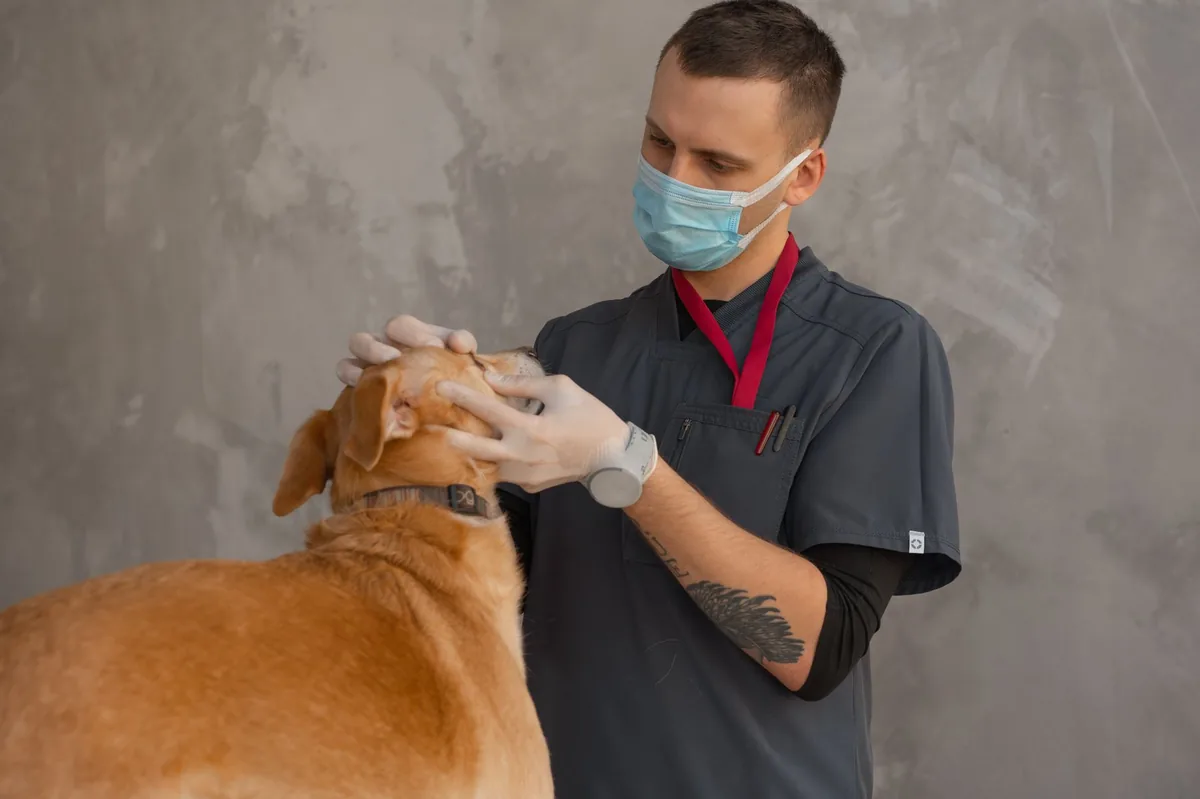
Most jaw fractures, especially those that are displaced or involve the teeth, are repaired surgically. The main techniques are:
- Rigid fixation: using small plates and screws (often titanium) to hold the bone fragments together. This is the gold standard for mandibular fractures.
- Wire or cerclage fixation: looping surgical wire around the fragments; useful for simple fractures.
- External fixation: a frame outside the mouth attached to pins that go through the bone; reserved for very complex or contaminated injuries.
Recovery from surgery typically involves a 2–3 week period of restricted activity, followed by gradual return to normal exercise. Most dogs are discharged with a soft‑food diet and a short course of pain medication.
Diet and nutrition
Feeding a dog with a broken jaw is a challenge, but proper nutrition is vital for bone healing. The goal is to provide highly digestible, nutrient‑dense calories while minimizing the need for chewing.
Foods to favor
- Moist, soft diets: canned or wet dog food provides calories without the effort of chewing.
- Home‑prepared bland meals: boiled chicken (skinless) and white rice, or scrambled eggs mixed with cottage cheese, can be blended to a smooth consistency.
- Prescription therapeutic diets: many vets recommend a “high‑protein, moderate‑fat, highly digestible” diet (e.g., renal or recovery formulas) that supplies the amino acids needed for bone repair.
- Omega‑3 enriched foods: fish‑oil‑infused kibble or canned formulas can deliver anti‑inflammatory benefits.
Foods to limit or avoid
- Hard kibble: dry kibble can strain the jaw and cause pain.
- Raw bones: while beneficial for dental health in healthy dogs, they pose a choking risk and can exacerbate a fracture.
- High‑salt or high‑fat treats: these add empty calories without supporting bone healing.
Transitioning to a soft diet should be done gradually to avoid gastrointestinal upset. Mix a small amount of the new food with the current diet, increasing the proportion over 2–3 days. Offer food at room temperature; very cold or hot meals can be uncomfortable for inflamed tissues.
Feeding frequency can stay at the usual two‑to‑three meals per day, but the portions may need to be adjusted to meet caloric goals. For a 20‑kg dog recovering from a mandibular fracture, the daily energy requirement is roughly 80–100 kcal/kg, which translates to about 1,600–2,000 kcal per day. Your vet can calculate the exact amount using a dog calorie calculator.
Hydration is equally important. Offer fresh water in a shallow bowl to make drinking easier. If the dog refuses to drink, you can add a little low‑sodium broth to the water or use a syringe (without a needle) to gently dribble water into the side of the mouth.
Monitoring weight loss is crucial; a drop of more than 5 % of body weight in the first week warrants a vet call. Some owners find that adding a scoop of high‑calorie nutritional supplement (e.g., a vet‑approved gel) helps maintain weight while the jaw heals.
Cost and prognosis
| Item | US estimate | UK estimate |
|---|---|---|
| Initial emergency exam & imaging (X‑ray/CT) | $300–$600 | £250–£500 |
| Surgical fixation (plates, screws, anesthesia) | $1,500–$3,500 | £1,200–£2,800 |
| Post‑op pain meds & antibiotics (7‑10 days) | $100–$250 | £80–£180 |
| Follow‑up visits & re‑checks (2–3) | $150–$300 | £120–£250 |
Overall, the total cost for a straightforward mandibular fracture surgery in the United States averages between $2,000 and $4,000. Complex maxillary injuries, especially those involving the eye socket or sinus, can push the bill above $5,000. In the UK, similar procedures range from £1,500 to £4,500. Many pet insurance plans cover a portion of the surgical and hospitalization fees, but owners should verify coverage limits and pre‑authorization requirements.
Prognosis is generally good. According to the American Animal Hospital Association (AAHA), 85–95 % of dogs regain normal jaw function after appropriate surgical repair. Factors that influence outcome include the dog’s age, overall health, fracture complexity, and how quickly treatment begins. Even dogs with severe mandibular fractures can return to normal chewing within 6–8 weeks if they follow post‑op instructions.
Prevention and home care
While accidents happen, you can reduce the risk of jaw injuries with a few everyday habits:
- Supervise high‑energy play: especially with other dogs. Keep toys that encourage biting (e.g., hard chew toys) away from puppies and small breeds.
- Use protective gear: dogs that participate in agility, flyball, or hunting can benefit from soft head‑gear or muzzle‑style protectors during training.
- Maintain safe environments: remove slippery rugs, secure loose wires, and keep stairways well‑lit to prevent falls.
- Regular dental checks: periodontal disease can weaken the mandible; routine cleanings keep the bone healthy.
- Weight management: overweight dogs put extra stress on bones, increasing fracture risk.
After surgery, keep your dog on a calm, confined space (a crate or small room) for the first two weeks. Limit chewing, jumping, and rough play. Monitor the incision site for swelling, discharge, or dehiscence (opening). Follow up with your vet as scheduled, and ask about any signs that might require an earlier visit.
From our vet team: “A broken jaw can feel terrifying, but it’s a treatable injury. The most important thing you can do is get your dog to a vet ASAP—pain control and proper alignment make all the difference in how quickly they bounce back.”
Key takeaways
- Jaw fractures are serious and need prompt veterinary evaluation; severe swelling, inability to open the mouth, or bleeding require emergency care.
- Most injuries stem from trauma—car accidents, fights, or falls—and certain breeds with thinner mandibles are more vulnerable.
- Surgical fixation with plates or wires is the standard treatment; pain meds, antibiotics, and a soft‑food diet support recovery.
- Expect a total cost of $2,000–$4,000 in the US (or £1,500–£4,500 in the UK) and a healing timeline of 6–8 weeks for normal chewing function.
- Feed a highly digestible, soft diet, supplement with omega‑3s if recommended, and keep activity limited until the vet clears you.
- Prevent future fractures by supervising play, maintaining a safe home environment, and keeping your dog at a healthy weight.
Myth vs. fact
Myth: Dogs with a broken jaw will never be able to eat solid food again.
Fact: Most dogs regain full chewing ability after proper surgical repair and a gradual return to kibble, usually within two months.
Myth: Only large dogs get jaw fractures.
Fact: Small and brachycephalic breeds can suffer mandibular fractures, especially from bite wounds or falls.
Myth: A broken jaw always requires surgery.
Fact: Simple, non‑displaced fractures may be managed conservatively with a soft diet and pain control, but surgery is common for displaced or complex breaks.
Frequently asked questions
What are the signs of a broken jaw in a dog?
Look for swelling, bruising, drooling, difficulty opening the mouth, misaligned teeth, and pain when the jaw is touched. A sudden change in eating habits or a clicking sound when the dog chews are also red flags.
Can a dog survive a fractured upper jaw?
Yes. With timely veterinary care, most dogs survive maxillary fractures. The key is to control pain, prevent infection, and stabilize the bone—often with plates or wires—so the dog can heal.
How is a dog’s jaw fracture diagnosed?
Diagnosis starts with a physical exam, followed by imaging. Standard X‑rays give a quick overview, while CT scans provide detailed 3‑D images that help the surgeon plan fixation. Endoscopic cameras may also be used to view the fracture directly.
What is the recovery time for a mandibular fracture in dogs?
Most dogs need 2–3 weeks of restricted activity and a soft diet, with full chewing ability returning in 6–8 weeks. Follow‑up visits are usually scheduled at 1‑ and 3‑week intervals to check healing.
Are there non‑surgical options for treating jaw fractures?
For very small, non‑displaced fractures, a veterinarian may opt for conservative management: strict soft‑food feeding, pain medication, and close monitoring. However, displaced or complex fractures typically require surgical fixation for proper alignment.
How much does jaw fracture surgery cost for a dog?
In the United States, surgery (including imaging, anesthesia, plates, and post‑op care) generally ranges from $2,000 to $4,000. Costs vary by region, complexity of the fracture, and whether a specialty referral is needed. Insurance may cover part of the expense—check your policy details.
Ask the PuppaDogs community
Have a question this article didn’t fully answer? Want to compare notes with other dog owners who’ve been through this? Our community forum is moderated by experienced owners and vets — and answers tend to come fast. Ask in the PuppaDogs community →
References
- American College of Veterinary Surgeons (ACVS). “Guidelines for the Management of Maxillofacial Fractures.” 2022.
- American Animal Hospital Association (AAHA). “Fracture Care and Pain Management in Dogs.” 2023.
- Merck Veterinary Manual. “Jaw (Mandibular and Maxillary) Fractures.” Updated 2024.
- World Small Animal Veterinary Association (WSAVA). “Principles of Veterinary Orthopedics.” 2021.
- American Veterinary Medical Association (AVMA). “Pain Management in Small Animals.” 2022.
- American College of Veterinary Radiology (ACVR). “CT Imaging for Maxillofacial Trauma.” 2023.
- National Institute of Dental and Craniofacial Research (NIDCR). “Bone Healing and Nutrition.” 2022.
- PetMD. “Mandibular Fracture in Dogs – Symptoms, Diagnosis, and Treatment.” 2023.
- Veterinary Orthopedic Surgery Textbook, 3rd Edition, Chapter 12 – Jaw Fractures. 2021.


