














Quick take: Fluid buildup in the kidney—called hydronephrosis—occurs when a kidney or ureter is blocked, causing urine to back‑up and stretch the organ. It can be life‑threatening if left untreated, but many dogs recover after medical or surgical therapy and careful after‑care. Early signs include reduced appetite, lethargy, and a painful abdomen; contact your vet promptly if you notice these symptoms.
It’s 9 p.m., and your 8‑year‑old mixed‑breed, Bella, isn’t greeting you at the door like she usually does. She lies on the couch, eyes half‑closed, and when you lift her paw to check her nails, you notice a faint, almost imperceptible swelling near her lower back. You glance at the kitchen clock, start Googling “why is my dog’s back swollen,” and the phrase “fluid buildup in the kidney due to kidney or ureter obstruction” pops up. Your heart races. Is this something you can manage at home, or does Bella need emergency care?
We’ve seen countless owners describe that exact moment of panic. The good news is that hydronephrosis—medical shorthand for kidney swelling caused by urine backup—has a clear pathway to diagnosis and treatment. Most dogs respond well when the blockage is caught early, and there are concrete steps you can take today to keep Bella comfortable while you arrange a vet visit.
In this guide we’ll explain what hydronephrosis is, why it happens, how to spot it, and what your veterinarian will likely do to confirm the diagnosis. We’ll walk through medical and surgical options, diet tweaks, cost expectations, and how to prevent future blockages. By the end you’ll know exactly what questions to ask your vet and how to support your dog’s recovery.
What is fluid buildup in the kidney due to kidney or ureter obstruction in dogs?
Hydronephrosis is a condition in which urine cannot flow freely out of a kidney, causing the organ to enlarge with fluid. The blockage can occur inside the kidney itself (intrarenal) or in the ureter—the narrow tube that carries urine from the kidney to the bladder. When urine pools, the kidney’s delicate tissue stretches, leading to inflammation, reduced filtration, and eventually loss of kidney function if the pressure isn’t relieved.
In dogs, hydronephrosis is relatively uncommon but not rare. Studies from the American College of Veterinary Internal Medicine (ACVIM) estimate that 5–10 % of dogs evaluated for urinary tract disease have some degree of obstruction, and a sizable portion of those develop hydronephrosis. Large‑breed seniors and small‑breed dogs with a history of urinary stones are most frequently affected, though any dog can develop a blockage.
What causes fluid buildup in the kidney?
The underlying cause is any lesion that narrows or blocks the urinary outflow. Common culprits include:
| Cause | Typical Presentation |
|---|---|
| Uroliths (urinary stones) | Sudden onset of pain, hematuria, or inability to urinate |
| Ureteral tumors | Gradual swelling, weight loss, and possible metastasis |
| Ureteral strictures (scar tissue) | Recurring obstruction after prior surgery or infection |
| Congenital anomalies (e.g., duplicated ureters) | Often seen in puppies or young dogs with intermittent symptoms |
| External compression (e.g., abdominal masses) | May be accompanied by other organ involvement |
Less common triggers include severe urinary tract infections that cause swelling, parasites that embed in the ureter, or iatrogenic causes such as a misplaced catheter.
Signs and symptoms
Because the kidney is tucked deep in the abdomen, early signs can be subtle. Owners often notice a change in behavior before any obvious pain.
| Severity | Typical Signs |
|---|---|
| Mild | Lethargy, decreased appetite, slight abdominal swelling, occasional vomiting |
| Moderate | Noticeable pain when the lower back is touched, frequent attempts to urinate with little output, pale gums, mild fever |
| Severe | Acute inability to urinate, severe abdominal distension, bloody urine, collapse, rapid breathing |
Other red flags include a sudden change in drinking habits (excessive thirst or reduced water intake) and weight loss despite a normal appetite. Occasionally, a dog will develop a “potbelly” appearance as the hydronephrotic kidney pushes outward.
When to call your vet
Call your vet today if you notice any of the following:
- Lethargy or loss of appetite lasting more than 24 hours
- Visible abdominal swelling or a “potbelly” shape
- Pale or gray‑ish gums
- Frequent attempts to urinate with little or no urine
- Vomiting, especially if accompanied by a change in drinking habits
Go to an emergency veterinary hospital right now if your dog:
- Cannot urinate at all (straining without producing urine)
- Shows signs of severe pain—whining, trembling, or guarding the flank
- Is collapsing, has a rapid heartbeat, or is breathing shallowly
- Has blood in the urine (visible red or pink tint)
This article is for informational purposes only and does not replace professional veterinary care. If you are unsure, always err on the side of contacting your vet.
How vets diagnose fluid buildup in the kidney
Diagnosis begins with a thorough history and physical exam. Your vet will palpate the abdomen for tenderness and assess gum color, hydration, and overall demeanor.
Blood work is essential. A complete blood count (CBC) and serum chemistry panel reveal whether kidney function is declining (elevated BUN and creatinine) and can flag anemia or electrolyte imbalances that often accompany obstruction.
Imaging is the cornerstone of confirming hydronephrosis:
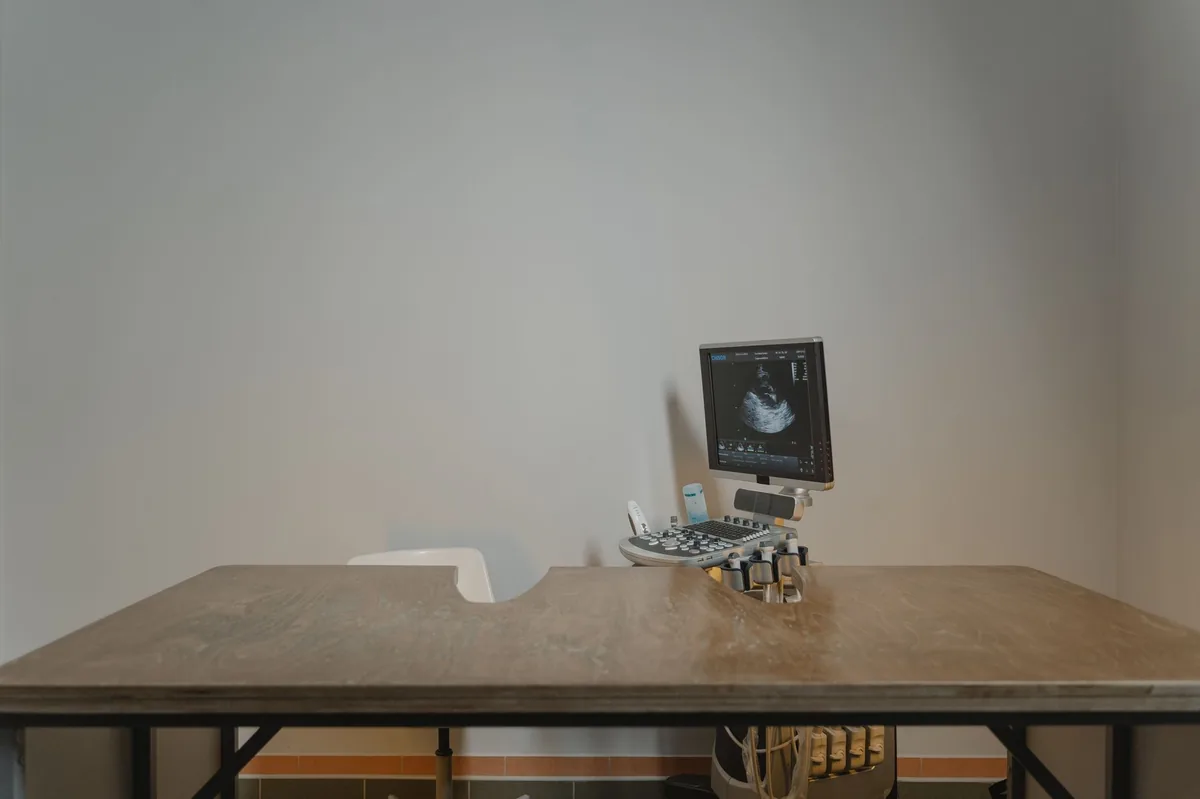
- Ultrasound – Non‑invasive, real‑time view of the kidney’s size, the presence of fluid, and any stones or masses. It can also evaluate blood flow with Doppler.
- Radiographs (X‑rays) – Helpful for detecting radiopaque stones, ureteral dilation, or abdominal masses that might be compressing the ureter.
- CT scan – Provides detailed 3‑D images of stones and can guide surgical planning, especially for complex ureteral tumors.
- Contrast studies (e.g., intravenous pyelogram) – Occasionally used to map the exact point of blockage, but less common due to the need for anesthesia.
In some cases, a urine culture is taken to rule out infection, which can complicate an obstruction.
Treatment options
Medical treatment
When the blockage is partial or the dog is not a surgical candidate, medical management aims to reduce inflammation, support kidney function, and possibly dissolve certain types of stones. Common drug classes include:
- NSAIDs (e.g., carprofen) – To control pain and inflammation, prescribed at the appropriate dose for your dog’s weight.
- Antibiotics – If a urinary tract infection is present, drugs such as amoxicillin‑clavulanate are used.
- Alpha‑blockers (e.g., prazosin) – May help relax ureteral smooth muscle and facilitate urine flow.
- Crystal‑dissolving agents – For specific stone types like struvite, medications such as potassium citrate can be considered, but only under veterinary guidance.
All medications should be discussed with your vet; ask about potential side effects and whether they are appropriate for your dog’s stage of kidney disease.
Supplements and supportive care
Adjunctive supplements can aid recovery, especially when kidney function is compromised:
- Omega‑3 fatty acids (EPA/DHA) – Anti‑inflammatory and may improve renal blood flow; fish‑oil capsules are a common source.
- Renal‑support blends – Products containing antioxidants like vitamin E, selenium, and L‑carnitine can help mitigate oxidative stress.
- Probiotics – Support gut health, which is important because many dogs on restricted diets develop gastrointestinal upset.
Supplements are not a cure, but they can complement the primary therapy. Always ask your vet if a specific product is safe for your dog’s condition.
Procedures or surgery
When the obstruction is complete or unlikely to resolve medically, surgery is often curative. The main procedures are:
- Ureteral stent placement – A tiny metal or polymer tube is inserted endoscopically to keep the ureter open. Recovery is usually 2–3 weeks, and success rates exceed 80 % in recent studies (AAHA 2022).
- Ureteral reimplantation – The ureter is reattached to the bladder in a new position. This is more invasive and may require a 4–6‑week recovery.
- Kidney‑sparing stone removal (e.g., ureteroscopy or laser lithotripsy) – Allows the stone to be broken up and flushed out, preserving kidney tissue.
- Partial nephrectomy – In cases where a tumor or large stone destroys part of the kidney, the affected portion may be removed.
Complications can include infection, ureteral leakage, or temporary worsening of kidney function. Your vet will discuss risks and likely outcomes based on your dog’s age, overall health, and the specific cause of obstruction.
Diet and nutrition
Nutrition plays a pivotal role in both recovery and long‑term kidney health. While there is no “one‑size‑fits‑all” recipe, certain dietary principles are widely endorsed by the American Veterinary Medical Association (AVMA) and the World Small Animal Veterinary Association (WSAVA).
Key goals for a dog with hydronephrosis:
- Reduce the workload on the kidneys by limiting protein that is difficult to digest.
- Control phosphorus intake, as excess phosphorus can accelerate kidney damage.
- Maintain adequate hydration to keep urine dilute and reduce crystal formation.
- Provide antioxidants that protect renal tissue from oxidative stress.
Most veterinarians recommend a therapeutic renal diet that meets the above goals. These diets are formulated to have highly digestible, low‑protein sources (often chicken or egg), reduced phosphorus, and added omega‑3 fatty acids. Brands differ, but the nutrient profile is consistent: ≈18 % protein, ≤0.4 % phosphorus, and a moderate calorie level. Your vet may suggest a specific prescription diet or a carefully balanced homemade recipe.
Foods to feed (good choices):
- Cooked lean meats (chicken breast, turkey) without skin or bones
- White rice or sweet potato for easy‑digestible carbs
- Low‑fat cottage cheese (in moderation) for calcium and protein
- Omega‑3 enriched fish oil mixed into meals
- Fresh water at all times; consider a water fountain to encourage drinking
Foods to limit or avoid (problematic ingredients):
- High‑phosphorus foods like dairy (cheese, milk) and organ meats (liver, kidney)
- Salty treats or processed foods that increase kidney workload
- Excessive bone meal or raw bones that may contain high phosphorus or cause additional blockages
- High‑protein diets meant for active or growing dogs (e.g., performance kibble)
Transitioning to a renal diet should be gradual—mix the new food with the old over 7–10 days to avoid gastrointestinal upset. Start with 25 % new food, increase by 25 % every few days, and monitor stool consistency and appetite. If your dog refuses the new diet, try warming it slightly or adding a low‑sodium broth for flavor.
For senior dogs with a history of stones, many vets advise a low‑oxalate diet to prevent calcium oxalate stone formation. This means limiting foods like spinach, beet greens, and certain nuts. Conversely, if your dog’s blockage was caused by struvite stones, a diet that reduces urinary pH (slightly more acidic) can help, but only under veterinary supervision.
During the recovery phase (first 2–4 weeks post‑surgery), feeding smaller, more frequent meals can reduce the strain on the kidneys and improve appetite. A typical schedule is 3–4 meals a day, each at a modest portion size, with fresh water always available.
Finally, keep an eye on weight. Both weight loss and rapid weight gain can signal underlying issues. Aim for a stable body condition score (BCS) of 4–5 out of 9. If you need help calculating caloric needs, our dog calorie calculator can give you a quick estimate.
Cost and prognosis
Financial considerations are a real part of any pet health decision. Below is a rough range of typical costs in the United States and the United Kingdom (prices vary by clinic, region, and insurance coverage).
| Service | US (USD) | UK (GBP) |
|---|---|---|
| Initial exam + blood work | $150–$250 | £80–£130 |
| Abdominal ultrasound | $300–$500 | £150–£250 |
| CT scan (if needed) | $800–$1,200 | £600–£900 |
| Ureteral stent placement | $2,500–$4,000 | £1,800–£3,000 |
| Ureteral reimplantation surgery | $3,500–$5,500 | £2,500–£4,000 |
| Post‑op hospitalization (24‑48 hr) | $400–$800 | £200–£400 |
| Prescription renal diet (monthly) | $40–$80 | £30–£60 |
Overall prognosis depends on the cause, severity, and how quickly treatment begins. Dogs with a simple stone blockage that is removed promptly have a >90 % chance of returning to normal life expectancy. When a tumor or severe kidney damage is involved, the outlook is more guarded, with survival ranging from 6 months to a few years, depending on the disease’s aggressiveness.
Most owners report a noticeable improvement in energy and appetite within 1–2 weeks after successful surgery, though full kidney function may take several months to normalize. Regular re‑checks (typically at 2 weeks, 1 month, and then every 3–6 months) are essential to monitor creatinine trends and ensure the obstruction does not recur.
Prevention and home care
While not all blockages are preventable, several everyday habits can lower the risk:
- Hydration – Encourage fresh water daily; consider a pet water fountain.
- Regular veterinary screening – Senior dogs benefit from annual blood work and abdominal ultrasound, especially breeds prone to stones (e.g., Miniature Schnauzers, Dalmatians).
- Dietary management – Stick to a renal‑support diet if your dog has a history of kidney disease or stones.
- Weight control – Obesity increases the risk of urinary crystals; maintain a healthy BCS.
- Urinary health supplements – Omega‑3s and cranberry extracts may reduce crystal formation, but discuss with your vet first.
For dogs that have already had a ureteral blockage, your vet may recommend periodic imaging (ultrasound every 6–12 months) to catch any early recurrence. Keep a diary of water intake, urination frequency, and any changes in behavior; this makes follow‑up visits more productive.
From our vet team: “Owners often think a single episode of kidney swelling is a one‑off event. In reality, it’s a signal that the urinary tract is under stress. By keeping your dog well‑hydrated, feeding a kidney‑friendly diet, and staying on top of routine blood work, you give the kidneys the best chance to stay functional for years to come.”
Key takeaways
- Fluid buildup in the kidney (hydronephrosis) is caused by any blockage in the kidney or ureter and can become life‑threatening if not treated promptly.
- Early signs include lethargy, reduced appetite, mild abdominal swelling, and pale gums; severe pain or inability to urinate requires emergency care.
- Diagnosis relies on blood work and imaging (ultrasound, X‑ray, or CT); your vet will pinpoint the blockage’s location before deciding on treatment.
- Medical management (pain control, antibiotics, stone‑dissolving agents) may work for partial blockages, but most complete obstructions need surgery such as ureteral stenting.
- Feeding a renal‑support diet low in protein and phosphorus, with added omega‑3s, helps recovery and reduces the chance of future stones.
- Regular check‑ups, proper hydration, and weight management are the best preventive measures for senior dogs at risk of urinary blockages.
Myth vs. fact
Myth: “If my dog drinks a lot of water, kidney blockage can’t happen.”
Fact: Excessive water intake can be a sign of kidney stress; hydration is important, but it does not prevent anatomical blockages such as stones or tumors.
Myth: “All kidney stones require surgery.”
Fact: Some stones, especially small struvite crystals, can dissolve with diet changes and medication; surgery is reserved for larger or non‑dissolvable stones.
Myth: “Once the kidney is swollen, the damage is permanent.”
Fact: If the obstruction is relieved early, the kidney often regains function; chronic damage only occurs when pressure remains unchecked for weeks.
Frequently asked questions
What are the early signs of kidney obstruction in dogs?
Early signs include mild lethargy, reduced appetite, a subtle “potbelly” shape, and occasional vomiting. Your dog may also drink more water than usual and have pale gums.
Can fluid buildup in a dog’s kidney be reversed?
Yes, if the blockage is removed quickly. Medical therapy can shrink the swelling, and surgical options like ureteral stenting often restore normal urine flow, allowing the kidney to recover.
How is hydronephrosis diagnosed in dogs?
Diagnosis starts with a physical exam and blood chemistry, followed by imaging—most commonly an abdominal ultrasound, which visualizes the enlarged kidney and identifies the blockage. In complex cases, a CT scan may be recommended.
What surgical procedures are used for ureter blockage?
Common surgeries include ureteral stent placement (a minimally invasive tube), ureteral reimplantation (reattaching the ureter to the bladder), and stone removal via ureteroscopy or laser lithotripsy. The choice depends on the cause and location of the blockage.
Will my dog need lifelong medication after treatment?
Most dogs do not need lifelong drugs if the obstruction is fully resolved and kidney function remains stable. However, many are placed on a renal‑support diet and may receive occasional supplements or low‑dose antihypertensives if blood pressure is affected.
Is there a genetic link to kidney blockages in certain breeds?
Yes. Breeds such as Miniature Schnauzers, Dalmatians, and Bichon Frises have a higher incidence of calcium oxalate stones, which can cause ureteral blockages. Genetic predisposition combined with diet and water intake influences risk.
Ask the PuppaDogs community
Have a question this article didn’t fully answer? Want to compare notes with other dog owners who’ve been through this? Our community forum is moderated by experienced owners and vets — and answers tend to come fast. Ask in the PuppaDogs community →
References
- American College of Veterinary Internal Medicine (ACVIM). “Ureteral Obstruction in Dogs.” 2022 clinical guidelines.
- American Animal Hospital Association (AAHA). “Kidney Disease and Hydronephrosis.” 2022 position statement.
- Merck Veterinary Manual. “Hydronephrosis.” Updated 2023.
- World Small Animal Veterinary Association (WSAVA). “Nutritional Management of Renal Disease.” 2021 consensus.
- American Veterinary Medical Association (AVMA). “Urinary Stones in Dogs.” 2022.
- Cornell University College of Veterinary Medicine. “Ureteral Stenting Procedures.” 2023.
- International Renal Nutrition Working Group. “Dietary Recommendations for Dogs with Chronic Kidney Disease.” 2020.
- UK Veterinary Association. “Cost of Veterinary Procedures in the United Kingdom.” 2022.


