
















Quick take: Flea and tick medicine poisoning in dogs happens when a pet ingests or absorbs too much of a topical or oral parasite product. Symptoms can appear within minutes to a few hours and range from mild skin irritation to life‑threatening seizures. Prompt veterinary care—often an emergency visit—is essential for the best chance of recovery.
It’s 9 p.m., you’re scrolling through the pantry looking for the last bite of kibble, and you notice a faint, oily spot on the floor where you think the flea‑treatment bottle fell. Your 3‑year‑old Labrador, Bella, is lying on the rug, panting a little faster than usual, and you catch a whiff of something metallic. Your heart races. You’ve heard “flea medication toxicity” on a TV show, but you’re not sure how serious it could be for Bella, especially after a long day of play.
First, breathe. Most cases of flea and tick medicine poisoning are caught early and treated successfully, but they can become critical fast—especially in puppies, senior dogs, or dogs with liver disease. In the next few minutes, we’ll walk through exactly what this poisoning looks like, why some dogs are more vulnerable, what a vet does to diagnose and treat it, and how you can prevent a repeat incident. By the end, you’ll know the red‑flag signs, the cost range you might expect, and the steps you can take at home while waiting for professional help.
What is flea and tick medicine poisoning?
Flea and tick medicine poisoning in dogs, also called “parasite‑product toxicity,” occurs when a dog is exposed to a dose that exceeds the safety margin of an insecticide, acaricide, or related chemical. The most common toxic ingredients include fipronil, imidacloprid, permethrin, and selamectin. These compounds are designed to kill fleas or ticks on contact, but in excess they can interfere with a dog’s nervous system, liver function, or blood cells.
According to the American Animal Hospital Association (AAHA) 2023 guidelines on flea and tick control, accidental overdoses account for roughly 1–2 % of all veterinary toxicology calls in the United States. While any dog can be affected, puppies, senior dogs, and breeds with known sensitivities (e.g., Collies with MDR‑1 gene mutations) are at higher risk.
What causes it?
Poisoning typically results from one of three scenarios:
| Cause | Typical Situation |
|---|---|
| Accidental ingestion | Dog chews the spot‑on tube, licks the application site, or eats a misplaced oral chew. |
| Incorrect dosing | Applying an adult dose to a puppy, using a product meant for cats on a dog, or stacking multiple products. |
| Environmental exposure | Contact with a freshly applied spray or a contaminated surface in the house. |
Other risk factors include:
- Multi‑dog households where doses are mixed up.
- Liver disease, which impairs detoxification of chemicals.
- Breed‑specific genetic sensitivities (e.g., MDR‑1 mutation in Collies, Shelties, Australian Shepherds).
Signs and symptoms
Clinical signs depend on the toxic ingredient, the amount absorbed, and the dog’s age or health status. Early signs can be subtle, while severe toxicity progresses quickly.
| Severity | Typical Signs |
|---|---|
| Mild | Skin redness at the application site, mild itching, slight lethargy. |
| Moderate | Vomiting, diarrhea, loss of appetite, tremors, excessive drooling. |
| Severe | Seizures, uncontrolled shaking, collapse, rapid breathing, coma. |
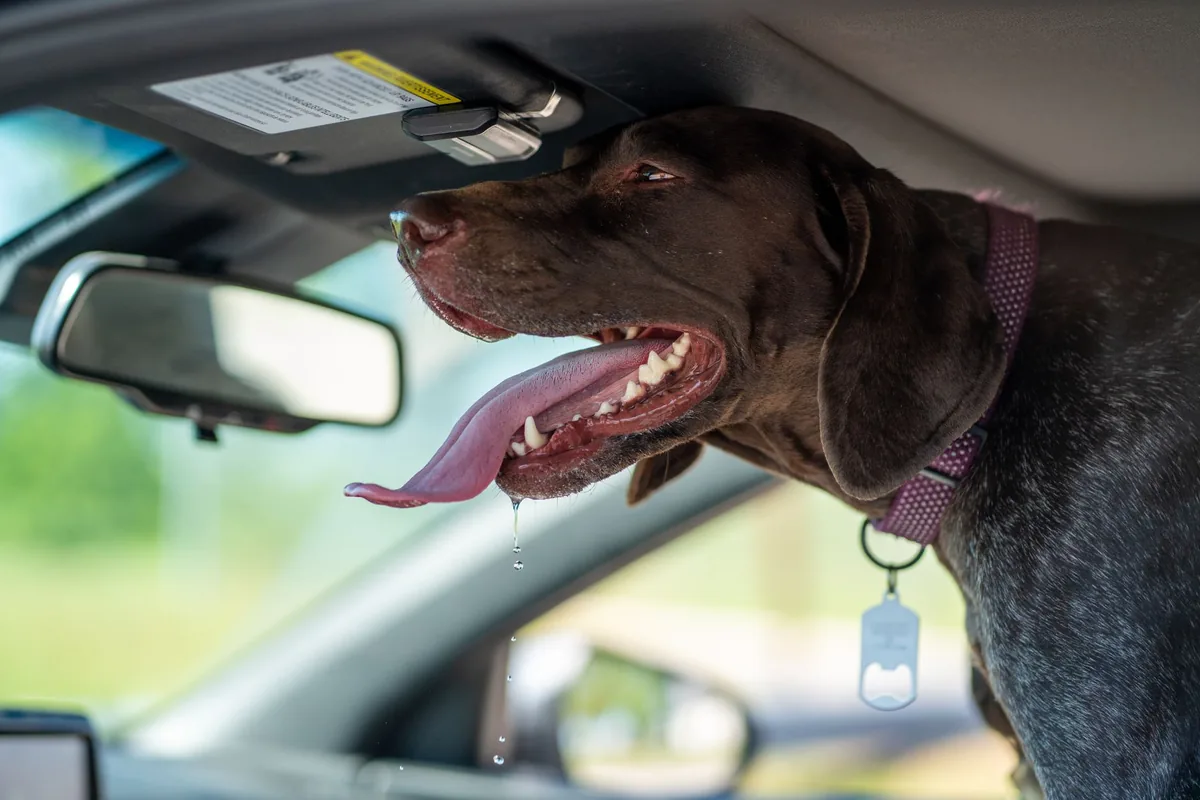
Puppies often show gastrointestinal upset within 30 minutes, while senior dogs may develop neurologic signs (tremors, ataxia) more prominently. Some owners report a “metallic” odor on the dog’s breath, especially with organophosphate‑based products, though these are less common on the market today.
When to call your vet
Call your regular vet today if you notice any of the following within a few hours of exposure:
- Vomiting, diarrhea, or loss of appetite.
- Skin irritation, redness, or swelling at the application site.
- Tremors, unsteady gait, or mild seizures.
- Excessive drooling or a strange odor.
Go to an emergency veterinary clinic right now if you see any of these life‑threatening signs:
- Severe seizures or continuous convulsions.
- Collapse, unresponsiveness, or inability to stand.
- Rapid breathing, pale gums, or a heart rate over 180 bpm.
- Visible signs of a large overdose (e.g., multiple spot‑on tubes applied).
These guidelines are for informational purposes only. If you suspect poisoning, err on the side of caution and seek professional help immediately.
How vets diagnose it
Veterinarians combine a thorough history with targeted tests to confirm flea and tick medicine toxicity:
- History and physical exam: The vet will ask when and how the product was applied, the dog’s weight, age, and any pre‑existing conditions.
- Blood work: A complete blood count (CBC) and chemistry panel assess liver enzymes (ALT, AST), kidney function, and electrolyte balance. Elevated liver enzymes often point to a toxic insult.
- Toxin panels: Some labs (e.g., IDEXX, Antech) offer specific assays for fipronil or permethrin levels, though results may take several hours.
- Imaging: In severe cases, abdominal ultrasound can evaluate liver and kidney health, while radiographs rule out aspiration pneumonia from vomiting.
- Urinalysis: Helps detect kidney involvement and assess hydration status.
Because many toxicities are diagnosed clinically, a vet often starts treatment based on suspicion rather than waiting for definitive lab confirmation.
Treatment options
Medical treatment
Emergency care focuses on stopping absorption, neutralizing the toxin, and supporting vital functions. Common interventions include:
- Inducing vomiting: If the dog is seen ingesting the product within the past 1–2 hours, a vet may administer apomorphine or hydrogen peroxide to empty the stomach.
- Activated charcoal: This adsorbs many insecticides, reducing further gut absorption. It’s most effective when given within 30 minutes of exposure.
- IV fluids: Large‑bore intravenous crystalloids help maintain blood pressure, flush toxins, and protect the kidneys.
- Anticonvulsants: Drugs such as diazepam or phenobarbital are used if seizures develop.
- Specific antidotes: For organophosphate exposure (rare in modern flea products), atropine and pralidoxime may be administered, though most current products are pyrethroid‑based.
Ask your vet about these options; dosing is always weight‑based and tailored to the severity of the case.
Supplements and supportive care
While supplements cannot replace emergency treatment, certain adjuncts can aid recovery once the acute phase is under control:
- Omega‑3 fatty acids (EPA/DHA): These help reduce inflammation and support skin health, especially after topical irritation.
- Milk thistle (silymarin): May provide hepatoprotective benefits for dogs with mild liver enzyme elevations, but should only be used under vet supervision.
- Probiotics: Useful after vomiting or diarrhea to restore gut flora.
These supplements are optional and should be introduced only after the vet has cleared the dog for oral intake.
Procedures or surgery
Most flea and tick medication poisonings are managed medically; surgery is rarely needed. In extreme cases where a large amount of product is lodged in the gastrointestinal tract, an endoscopic retrieval might be considered, but this is uncommon.
Diet and nutrition
Nutrition plays a supportive role during recovery from flea and tick medicine poisoning. While there is no “one‑size‑fits‑all” diet, several principles help protect the liver, maintain hydration, and promote healing.
High‑quality, highly digestible protein reduces the workload on the liver. Foods labeled “limited ingredient” or “sensitive stomach” often contain a single protein source (e.g., chicken or salmon) that is easier to digest. For dogs with pre‑existing liver disease, a prescription renal or hepatoprotective diet (such as those meeting AAFCO “therapeutic” standards) may be recommended by the vet.
Low‑fat, moderate‑carbohydrate meals help avoid excessive metabolic stress. Fatty foods can increase bile production, which may exacerbate liver inflammation. A typical home‑cooked meal might include boiled chicken breast, white rice, and steamed carrots—providing protein, simple carbs, and a modest amount of fiber.
Hydration is critical. After vomiting or diarrhea, dogs can become dehydrated quickly. Offer fresh water frequently, and consider an electrolyte solution (e.g., Pedialyte diluted 1:1 with water) if the vet approves. In severe cases, IV fluids are administered by the clinic, but at home you can encourage small, frequent sips.
When transitioning back to regular food, follow a gradual 2‑3 day plan: mix 25 % regular kibble with 75 % bland diet, then increase the kibble proportion each day. This helps avoid gastrointestinal upset.
| Do feed | Limit | Avoid |
|---|---|---|
| Lean boiled chicken, white rice, pumpkin, low‑fat cottage cheese | Fatty meats, dairy with high fat, raw organ meats | High‑fat treats, spicy foods, heavy sauces |
| Prescription liver‑support diet (if recommended) | Commercial foods with >15 % fat | Raw bone meals, high‑protein canned foods |
For dogs with known liver sensitivities, the AAHA advises discussing “safe” flea and tick products with your vet. Products that use imidacloprid or selamectin tend to have a lower hepatic metabolism burden, but individual tolerance varies.
Remember to keep your dog’s diet consistent for at least a week after the poisoning episode, then re‑introduce any special treats gradually while monitoring for relapse of gastrointestinal signs.
Cost and prognosis
Emergency care for flea and tick medicine poisoning can be financially significant. In the United States, typical costs range from $500 to $2,000 for initial stabilization, including:
- Veterinary exam and diagnostics ($150‑$300).
- IV fluids and medications ($200‑$800).
- Hospitalization (overnight stays) ($250‑$600 per night).
In the United Kingdom, comparable care often falls between £400 and £1,500. These figures are estimates; actual bills depend on the severity, length of stay, and regional pricing.
Prognosis varies:
- Early intervention (within 1–2 hours) yields a >90 % survival rate for most pyrethroid‑based overdoses.
- Severe neurologic involvement (e.g., prolonged seizures) reduces survival to 60‑70 % and may result in lasting deficits.
- Puppies and senior dogs have lower odds of full recovery, especially if underlying liver disease exists.
Overall, most dogs that receive prompt, appropriate treatment make a full recovery and return to normal activity within 2–3 weeks.
Prevention and home care
Preventing accidental poisoning is largely about organization and education:
- Read the label carefully. Verify that the product is specifically for dogs and matches your dog’s weight range. Some “cat‑only” formulations contain higher permethrin concentrations that are toxic to dogs.
- Use a dosing chart. Keep a printed copy of the product’s dosing guide (or use our dose calculator) and double‑check each application.
- Store products safely. Keep all flea and tick medications out of reach, preferably in a locked cabinet. Separate dog and cat products to avoid mix‑ups.
- Apply spot‑on treatments in a calm environment. Place the dog on a stable surface, part the fur at the base of the neck, and apply the exact dose. Avoid applying to wet fur or near the eyes.
- Schedule regular reminders. Set calendar alerts for each month’s treatment day, especially in multi‑dog households where dosing schedules can differ.
- Consult your vet for liver‑compromised dogs. If your dog has chronic liver disease, ask about safer options such as oral isoxazoline products (e.g., fluralaner) that have minimal hepatic metabolism.
After any exposure, even if you think the dose was correct, monitor your dog for at least 24 hours. Keep a log of any changes—gastrointestinal signs, behavior, or skin reactions—to share with your vet if concerns arise.

Vet’s note
From our vet team: “We see flea‑product poisoning most often when owners accidentally give a puppy an adult dose or forget to remove a spot‑on applicator after it dries. The fastest way to protect your dog is to act within the first hour—inducing vomiting (if advised) and getting to an emergency clinic. Even if you’re unsure, bring the product label and any leftover medication with you. That information speeds up diagnosis and can dramatically improve the outcome.”
Key takeaways
- Flea and tick medicine poisoning can develop within minutes; watch for vomiting, tremors, or seizures.
- Call your vet today for mild signs, but head straight to an emergency clinic if seizures, collapse, or rapid breathing occur.
- Prompt decontamination (vomiting, activated charcoal) and IV fluids are the cornerstones of treatment.
- Costs vary widely ($500‑$2,000 US, £400‑£1,500 UK); early care improves survival and reduces expenses.
- Prevent accidental overdoses by double‑checking dosing charts, storing products safely, and using dog‑specific formulations.
- Support recovery with a bland, highly digestible diet, adequate hydration, and vet‑approved supplements like omega‑3s or milk thistle.
Myth vs. fact
Myth: “If my dog only licked a spot‑on tube, the dose is too small to cause harm.”
Fact: Even a few drops of a concentrated topical product can deliver a toxic dose, especially in small breeds or puppies. Always treat any exposure as a potential emergency.
Myth: “All flea and tick products are equally safe for dogs with liver disease.”
Fact: Some ingredients (like permethrin) are metabolized heavily by the liver and should be avoided in dogs with hepatic impairment. Your vet can recommend safer alternatives such as isoxazoline oral preventives.
Myth: “If my dog looks fine after a few hours, the poisoning is over.”
Fact: Toxic effects can be delayed; neurological signs may emerge 12‑24 hours post‑exposure. Continue monitoring and keep the product label handy for the vet.
Frequently asked questions
What symptoms indicate my dog has been poisoned by flea medication?
Typical signs include vomiting, diarrhea, loss of appetite, skin irritation at the application site, tremors, and seizures. Early gastrointestinal upset may appear within 30 minutes, while neurologic signs can develop over several hours.
How urgent is it to get veterinary care for flea and tick medicine poisoning?
Very urgent. Mild gastrointestinal signs warrant a same‑day vet visit, but any seizure, collapse, or rapid breathing requires immediate transport to an emergency clinic.
Can I treat flea medication poisoning at home?
Home care is limited to preventing further exposure. Inducing vomiting or giving activated charcoal should only be done under veterinary guidance. Professional care is essential for fluid therapy, seizure control, and monitoring.
What are the most toxic ingredients in flea and tick preventatives?
Commonly toxic compounds include fipronil, permethrin, imidacloprid, and selamectin. Their toxicity varies by dose, route of exposure, and the dog’s age or liver health.
How much does treatment for flea and tick poisoning usually cost?
In the U.S., initial emergency care typically ranges from $500 to $2,000, depending on diagnostics, medications, and hospitalization length. The UK sees similar costs in pounds (£400‑£1,500). Follow‑up visits are usually less expensive.
Are certain breeds more vulnerable to flea and tick medication toxicity?
Yes. Breeds with the MDR‑1 gene mutation (Collies, Shelties, Australian Shepherds) and small breeds that receive an adult dose are at higher risk. Puppies and senior dogs also have reduced metabolic capacity.
Ask the PuppaDogs community
Have a question this article didn’t fully answer? Want to compare notes with other dog owners who’ve been through this? Our community forum is moderated by experienced owners and vets — and answers tend to come fast. Ask in the PuppaDogs community →
References
- American Animal Hospital Association (AAHA). 2023 Flea and Tick Control Guidelines.
- American Veterinary Medical Association (AVMA). Veterinary Toxicology Resources.
- Merck Veterinary Manual. Chapter on Insecticide and Acaricide Toxicity.
- World Small Animal Veterinary Association (WSAVA). Consensus Statement on Veterinary Emergency Care.
- Cornell University College of Veterinary Medicine. “Flea and Tick Medication Overdose” clinical article.
- International Society of Companion Animal Toxicology (ISCAT). Review of Pyrethroid Toxicity in Dogs.
- American College of Veterinary Internal Medicine (ACVIM). Guidelines for Managing Acute Neurologic Emergencies.
- American Feed Control Association (AAFCO). Nutritional Standards for Therapeutic Diets.


