















Quick take: Failure to thrive in Collie dogs is a complex growth and health problem where puppies or young dogs don’t gain weight or develop normally despite adequate care. It can stem from genetics, nutrition, parasites, or metabolic disorders, and early detection plus a tailored diet and supportive care give most Collies a good chance of catching up.
It’s 11 p.m., and you’ve just noticed your Collie puppy, Bella, isn’t the lively ball of fluff she was a week ago. She’s still nursing from the mother, but her belly looks flatter, and she’s not gaining the expected pounds. You scroll through forums, heart racing, wondering if something’s seriously wrong. You’re not alone—many Collie owners have faced that exact moment, and the good news is that help is within reach.
We’ll walk you through what “failure to thrive” actually means for Collies, the signs to watch, how vets figure out the cause, and what you can do at home to turn the tide. By the end of this article you’ll know when to act, what to expect cost‑wise, and how to prevent this condition from cropping up in the first place.

What is failure to thrive in Collie dogs?
Failure to thrive (FTT) is a descriptive term, not a single disease. It means a dog—especially a puppy or young adult—fails to grow, gain weight, or develop at the expected rate for its age, breed, and environment. In Collies, who are genetically predisposed to certain metabolic quirks, FTT can signal anything from an inherited enzyme deficiency to chronic parasites.
While exact prevalence is hard to pin down, the American College of Veterinary Internal Medicine (ACVIM) notes that growth‑related disorders affect roughly 5‑10 % of purebred puppies in the first year of life. Collies are over‑represented in reports of early‑onset malabsorption and endocrine disorders, making FTT a concern for this breed.
What causes failure to thrive in Collie dogs?
Several overlapping factors can trigger FTT in Collies. Understanding the main categories helps you discuss the problem with your veterinarian.
| Category | Typical Causes |
|---|---|
| Genetic / Metabolic | Canine hereditary macrocytic anemia, copper‑associated hepatopathy, POMC gene mutation affecting appetite |
| Nutritional | Inadequate calories, low‑quality protein, imbalanced minerals, early weaning from mother’s milk |
| Parasitic / Infectious | Intestinal worms (e.g., Ancylostoma), Giardia, viral infections (parvovirus), bacterial sepsis |
| Gastrointestinal | Inflammatory bowel disease, exocrine pancreatic insufficiency, chronic vomiting or diarrhea |
| Endocrine / Metabolic | Hypothyroidism, growth hormone deficiency, insulinoma (rare in young dogs) |
Most cases involve a combination of these factors. For example, a Collie with a mild genetic enzyme defect may become more vulnerable to a worm infestation, compounding the growth lag.
Signs and symptoms
Collie owners should keep a weekly weight log and watch for these red flags. Early signs often appear subtle, while severe signs demand immediate veterinary attention.
| Stage | Typical Signs |
|---|---|
| Mild | Slower weight gain than littermates, slightly dull coat, reduced playfulness, occasional loose stools |
| Moderate | Visible ribs, low body condition score (BCS 3/9), persistent lethargy, poor appetite, mild dehydration |
| Severe | Marked muscle wasting, failure to thrive despite feeding, vomiting, chronic diarrhea, pale gums, fever, seizures |
Because Collies have a distinct, double‑coat, coat quality is an early indicator— a brittle, dull coat often precedes weight loss. Owners also notice a “spoon‑shaped” head or a “floppy” ear tip as the puppy’s growth stalls.
When to call your vet
Call your vet today if you notice:
- Weight loss or lack of weight gain over two weeks.
- Persistent loose stools or vomiting lasting more than 48 hours.
- Visible ribs or a BCS ≤ 3/9 despite regular feeding.
- Lethargy, reluctance to play, or a change in behavior.
Go to an emergency veterinary hospital right now if your Collie shows:
- Severe dehydration (skin tenting, dry mouth).
- Pale or gray gums, rapid breathing, or a heart rate over 140 bpm.
- Seizures, collapse, or inability to stand.
- Persistent vomiting with blood or bile.
This article is for informational purposes only and does not replace professional veterinary care.
How vets diagnose failure to thrive
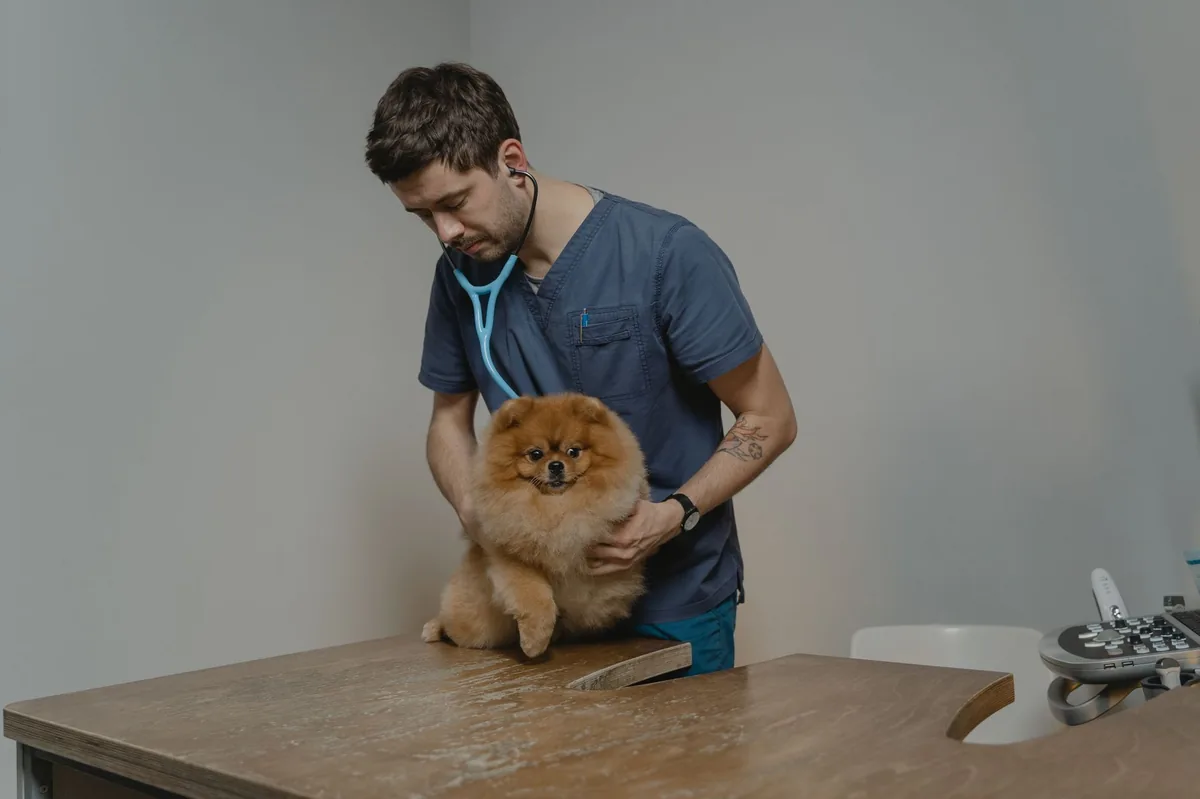
Diagnosing FTT is a process of elimination. Your vet will start with a thorough history: diet, deworming schedule, any known genetic conditions in the line, and environmental stressors.
- Physical exam: Weight, body condition score, coat quality, gum color, and abdominal palpation.
- Blood work: Complete blood count (CBC) to assess anemia, chemistry panel for liver/kidney function, thyroid panel (T4), and serum electrolytes.
- Fecal tests: Floatation and antigen tests for parasites (Giardia, hookworms).
- Imaging: Abdominal ultrasound to look for intestinal inflammation, pancreatic size, or liver abnormalities; radiographs if skeletal growth concerns arise.
- Specialized tests: Genetic panels for known Collie mutations (e.g., MDR1, copper metabolism), cobalamin (B12) levels, and serum albumin for protein‑losing enteropathy.
These diagnostics help the vet pinpoint whether the underlying issue is nutritional, infectious, metabolic, or a combination. The American Veterinary Medical Association (AVMA) recommends a stepwise approach to avoid unnecessary procedures while still gathering enough data for a solid treatment plan.
Treatment options
Medical treatment
Once the cause is identified, the vet will tailor therapy. Common medication classes include:
- Anthelmintics: Broad‑spectrum dewormers such as pyrantel pamoate or milbemycin oxime to clear intestinal parasites.
- Antibiotics: If bacterial overgrowth is suspected, amoxicillin‑clavulanate or metronidazole may be prescribed.
- Immunosuppressants: For inflammatory bowel disease, drugs like prednisone or budesonide are used under close monitoring.
- Thyroid hormone: Levothyroxine for hypothyroidism, a frequent endocrine cause of poor growth.
All medications should be discussed with your vet; ask about potential side effects and the expected duration of therapy.
Supplements and supportive care
Evidence‑based supplements can aid recovery, especially when the underlying issue involves malabsorption or chronic inflammation.
- Omega‑3 fatty acids (EPA/DHA): Helps reduce gut inflammation and supports skin and coat health. Look for a marine‑derived source with a minimum of 300 mg EPA per serving.
- Probiotics: Strains like Enterococcus faecium and Lactobacillus acidophilus improve gut flora balance, particularly after antibiotic courses.
- Digestible protein supplements: Hydrolyzed whey or chicken protein powders can boost intake without overwhelming a sensitive gut.
- Vitamin B12 (cobalamin): Injectable cyanocobalamin is indicated when low serum levels are confirmed, especially in exocrine pancreatic insufficiency.
Always ask your vet whether a supplement is appropriate for your Collie’s specific diagnosis.
Procedures or surgery
In rare cases, a surgical intervention may be needed— for example, correcting a congenital intestinal obstruction or addressing severe pancreatitis that does not respond to medical management. Recovery from abdominal surgery typically involves a 7‑10 day hospital stay, followed by a gradual return to normal feeding. Costs can range from $2,500 USD to $5,000 USD in the United States, depending on the complexity and geographic location.
Diet and nutrition
Nutrition is the cornerstone of recovery for a Collie with failure to thrive. Because Collies have a predisposition to certain metabolic issues (e.g., copper storage disease), a balanced, highly digestible diet is essential.
Key principles:
- Calorie density: Aim for 30–40 kcal per 100 g of food for growing puppies; higher if the dog is underweight. High‑energy kibble or a wet diet can help meet needs without excessive volume.
- Protein quality: Use foods with ≥ 22 % digestible protein from animal sources. Collies benefit from “limited ingredient” formulas if food sensitivities are suspected.
- Fat content: Moderate fat (12‑15 % of calories) provides essential fatty acids while avoiding overly rich meals that could trigger pancreatitis.
- Carbohydrate source: Simple, low‑glycemic carbs (e.g., sweet potato) are easier to digest than high‑fiber grains.
- Micronutrients: Adequate copper (but not excess), zinc, and selenium support immune function; a veterinary‑prescribed renal or hepatic diet may be recommended if liver involvement is found.
Below is a quick guide for feeding Collies with FTT:
| Do feed | Limit / Avoid |
|---|---|
| High‑quality puppy kibble or wet food with ≥ 22 % protein | Low‑protein adult maintenance foods |
| Cooked lean meats (chicken, turkey) mixed with rice or sweet potato | Heavy‑fat treats, fried foods |
| Omega‑3 supplement (fish oil) as advised by vet | Excessive dairy (can cause GI upset) |
| Fresh water at all times; consider warm broth for extra calories | Raw bones that can splinter |
When transitioning to a therapeutic diet, follow the PuppaDogs feeding calculator to estimate daily caloric needs based on ideal body weight. Gradually mix the new food with the current diet over 5‑7 days to avoid gastrointestinal upset.
Feeding frequency matters too. Puppies under 6 months should eat 3–4 small meals daily; older puppies can shift to 2 meals. Keep feeding times consistent to establish a routine and monitor intake accurately.
In addition to diet, maintain a calm environment: avoid stressful changes, keep the feeding area quiet, and limit exposure to other dogs that might compete for food.
Cost and prognosis
Financial considerations can feel overwhelming, but breaking down the expenses helps owners plan.
| Item | US Estimate | UK Estimate |
|---|---|---|
| Initial veterinary exam + blood work | $150–$300 | £120–£250 |
| Fecal parasite panel | $30–$60 | £25–£45 |
| Specialized imaging (ultrasound) | $250–$500 | £200–£400 |
| Prescription therapeutic diet (30‑day supply) | $80–$130 | £70–£120 |
| Medications (anthelmintics, antibiotics, thyroid hormone) | $50–$150 | £40–£110 |
| Follow‑up visits (3‑4 over 8 weeks) | $120–$240 | £100–£200 |
Overall, owners can expect to spend roughly $700–$1,500 USD in the first two months, depending on the complexity of diagnostics and whether surgery is required. Many insurance plans cover a portion of these costs; check your policy’s “hereditary conditions” clause.
Prognosis varies. When FTT is caught early—especially if caused by parasites or a correctable nutritional deficiency—most Collies rebound to a normal growth curve within 8‑12 weeks. Genetic or severe hepatic disease may require lifelong management, and the long‑term outlook depends on the specific mutation and how well it’s controlled.
Prevention and home care
Preventing failure to thrive starts with responsible breeding and diligent early‑life care.
- Breeder responsibilities: Genetic screening for known Collie defects, ensuring puppies stay with the dam for at least 8 weeks, and providing a balanced starter diet.
- Owners: Follow a deworming schedule recommended by the AAHA (typically at 2, 4, 6, and 8 weeks), and keep vaccinations up to date to avoid viral gastroenteritis.
- Nutrition monitoring: Weigh puppies weekly; a loss of more than 5 % of body weight in a week warrants a vet call.
- Environmental hygiene: Clean feeding areas, avoid contaminated water sources, and limit exposure to stray animals that could transmit parasites.
- Regular check‑ups: Schedule a wellness exam at 3, 6, and 12 months to catch subtle growth issues before they become severe.
When you notice a slow growth rate, use the PuppaDogs Q&A hub to compare notes with other Collie owners. Sharing experiences often reveals patterns—like a particular brand of kibble that caused issues for several puppies—that can guide a quicker resolution.
From our vet team: “If your Collie isn’t gaining weight, don’t wait for the next scheduled visit. Early intervention, a high‑quality diet, and a targeted parasite screen can turn a worrying trend into a success story within weeks.”
Key takeaways
- Failure to thrive means a Collie isn’t gaining weight or growing as expected; it can stem from genetics, nutrition, parasites, or metabolic disease.
- Track weight weekly and look for pale gums, a dull coat, or persistent lethargy—these are early warning signs.
- Prompt veterinary work‑up (blood panel, fecal test, and possibly imaging) is essential to identify the underlying cause.
- Treatment focuses on correcting the root issue—deworming, dietary upgrades, supplements, and, when needed, medications.
- High‑protein, calorie‑dense foods, omega‑3 oil, and probiotic support are the dietary cornerstones for recovery.
- Prevention starts with proper breeding, scheduled deworming, and regular growth monitoring; early action improves prognosis dramatically.
Myth vs. fact
Myth: Failure to thrive is always a sign of a serious, untreatable disease.
Fact: Many cases are linked to treatable causes like parasites or temporary nutritional deficits; early detection often leads to full recovery.
Myth: Collies are the only breed that can develop failure to thrive.
Fact: While Collies are predisposed, other breeds—including German Shepherds, Labrador Retrievers, and mixed breeds—can experience the same growth problems.
Myth: Feeding more food will automatically fix the problem.
Fact: Overfeeding low‑quality calories can worsen gut inflammation; a balanced, digestible diet paired with veterinary care is the key.
Frequently asked questions
What causes failure to thrive in Collie puppies?
Failure to thrive can result from genetic enzyme deficiencies, chronic parasites, poor-quality diet, or underlying endocrine disorders such as hypothyroidism. Often, it’s a combination of two or more factors that together impede growth.
How can I tell if my Collie is failing to thrive?
Look for slower weight gain than littermates, a dull coat, pale gums, and reduced activity. Weigh your puppy weekly; a loss of more than 5 % of body weight in a week is a clear sign to call the vet.
What tests does a vet run for failure to thrive in dogs?
A typical work‑up includes a complete blood count, chemistry panel, thyroid test, fecal parasite analysis, and abdominal ultrasound. In Collies, genetic screening for copper metabolism or POMC mutations may also be recommended.
Is failure to thrive hereditary in Collies?
Some forms are hereditary—particularly metabolic disorders like copper‑associated hepatopathy. However, environmental factors such as nutrition and parasites play a large role, so not every case is purely genetic.
What is the prognosis for a Collie with failure to thrive?
If caught early and the cause is treatable (e.g., parasites or dietary deficiency), most Collies regain normal growth within a few months. Chronic metabolic diseases may require lifelong management, but many dogs still enjoy a good quality of life.
Can supplements help a Collie with failure to thrive?
Yes—omega‑3 fatty acids, probiotics, and vitamin B12 can support gut health and nutrient absorption. Always discuss supplement choices with your vet to ensure they match the specific diagnosis.
Ask the PuppaDogs community
Have a question this article didn’t fully answer? Want to compare notes with other dog owners who’ve been through this? Our community forum is moderated by experienced owners and vets — and answers tend to come fast. Ask in the PuppaDogs community →
References
- American College of Veterinary Internal Medicine (ACVIM). “Growth Disorders in Puppies.” 2022.
- American Animal Hospital Association (AAHA). “Puppy Nutrition Guidelines.” 2023.
- American Veterinary Medical Association (AVMA). “Diagnostic Approach to Failure to Thrive.” 2021.
- Merck Veterinary Manual. “Failure to Thrive (FTT) in Dogs.” Updated 2023.
- Cornell University College of Veterinary Medicine. “Collie-Specific Metabolic Disorders.” 2022.
- World Small Animal Veterinary Association (WSAVA). “Nutritional Management of Pediatric Dogs.” 2021.
- International Partnership for Dogs (IPFD). “Parasite Control Recommendations.” 2022.
- Veterinary Partner (PetMD). “Understanding Canine Hypothyroidism.” 2023.


